





18th Century Low Boy
An 18th century low boy is a small utility table with drawers, prized for compact proportions and period character.
18th Century Low Boy
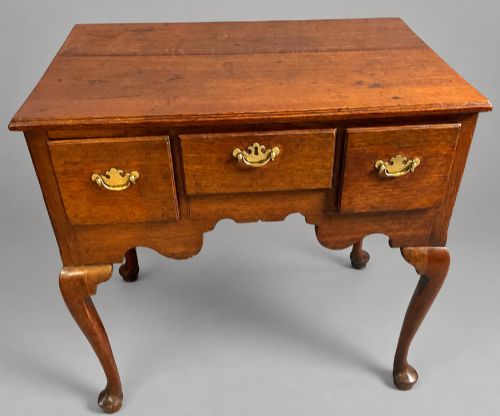
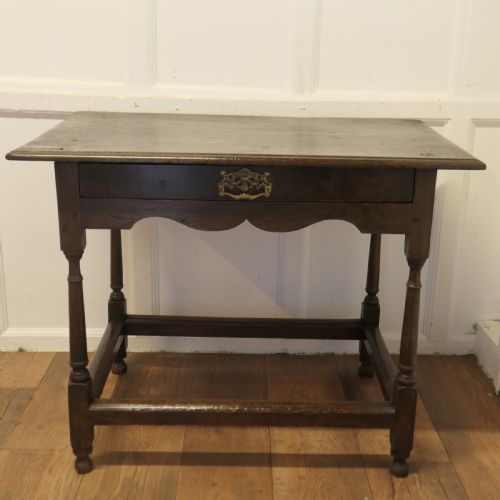
An 18th century low boy serves as a compact table with drawers, commonly functioning as a side table, dressing table, or writing desk. These pieces offer versatile proportions suited for smaller spaces within a room.
The version most frequently met on this page is constructed from oak or mahogany, often originating from regional workshops or country houses. Pieces span the Georgian period, including George III and Queen Anne styles, alongside later Victorian interpretations.
What varies in quality
Quality rests on the selection of timber figures and the retention of original surface patination. Untouched examples displaying natural age and minimal structural intervention command higher regard.
The refinement of the joinery and the sophistication of regional craftsmanship differentiate standard country pieces from more formally designed urban furniture. Subtle details in leg profiles and drawer arrangement distinguish finer workshop production.
18th Century Low Boy Retail Price Guide 2026
Typical asking prices for 18th century low boy among the pieces listed under this phrase on Sellingantiques today, from the lower quarter to the upper quarter. They describe what is for sale here now, not the wider market.
Listings feature oak, mahogany, walnut, cherry wood, and elm alongside painted wood finishes and boxwood inlay.
The 18th Century Low Boy Glossary
- Low boy
- A small side table or dressing table fitted with one or more rows of drawers beneath the work surface.
- Escutcheon
- A protective plate surrounding the keyhole of a drawer, typically cast in brass to complement the hardware.
- Patina
- The surface sheen and colour developed by timber through age, use and polishing over centuries.
- Joinery
- The method of connecting pieces of wood together in furniture construction without relying solely on metal fasteners.
18th Century Low Boy: Frequently Asked Questions
What is a low boy used for?
These small tables served multiple domestic purposes, acting as dressing tables, writing desks, or general side tables in parlours and bedrooms.
The drawers provided convenient storage for personal items, papers, or grooming accessories while keeping the floor space open.
How do I date an 18th century low boy?
Dating relies on examining the timber species, construction methods, and hardware styles associated with specific reigns and periods like George II or George III.
Changes in leg shapes, drawer linings, and edge moulding profiles offer further clues to the exact decade of manufacture.
Are all low boys made of oak?
Oak is extremely common, particularly in country-made pieces, but walnut and mahogany appear frequently in finer urban examples.
Regional makers also utilised cherry wood and elm depending on local timber availability during the period.
Where should I place a low boy at home?
The compact footprint allows these tables to fit neatly into hallways, narrow landings, or living rooms as accent pieces.
They function well beneath a mirror or against a blank wall where a full-sized desk would overwhelm the space.