



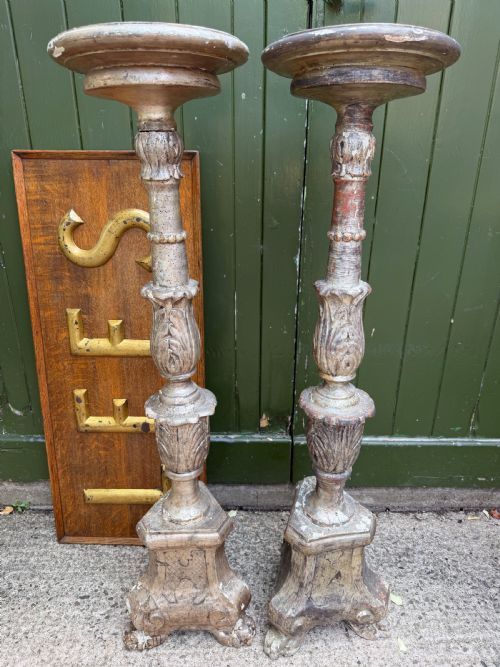
18th Century Italian
Selecting an 18th century italian piece brings the theatrical flair of Venetian palazzos and provincial workshops directly into a room.
18th Century Italian
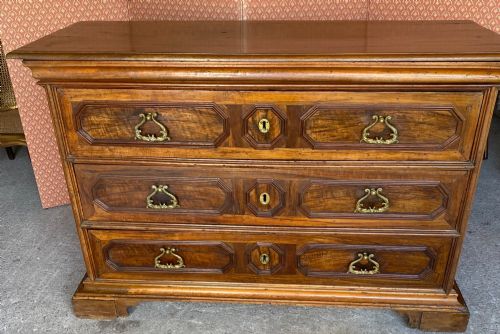
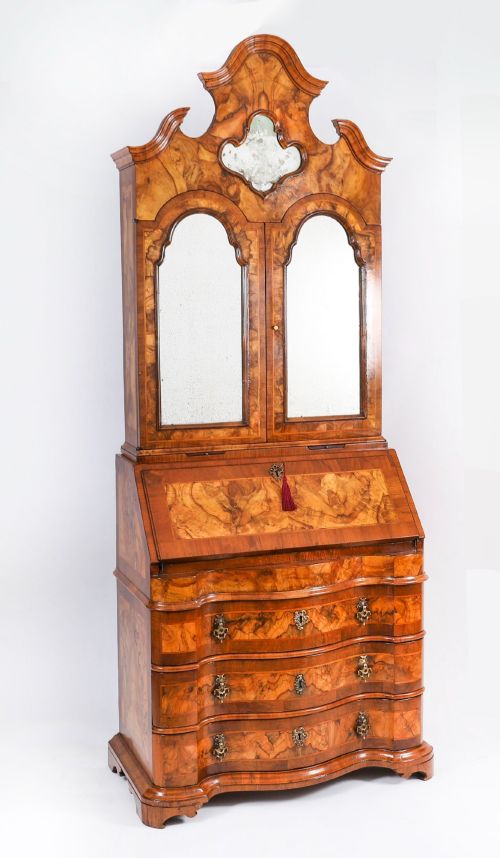
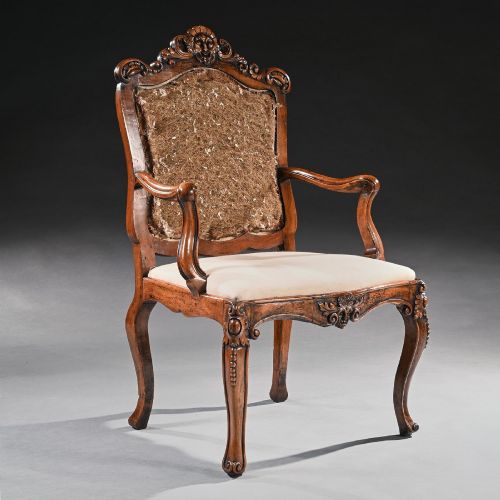
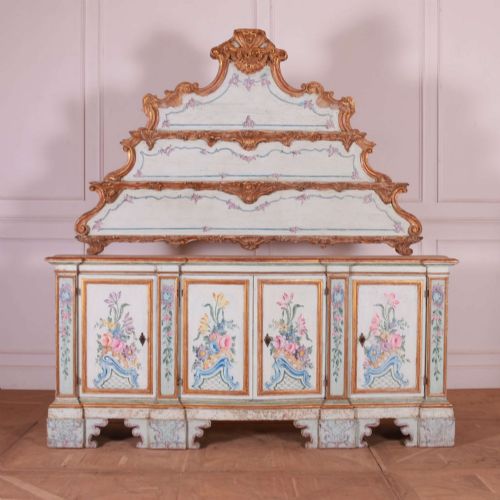
When browsing 18th century italian items, buyers encounter a diverse selection ranging from grand furniture to devotional art. The material record spans substantial walnut storage pieces like commodes and corner cupboards alongside delicate giltwood mirrors.
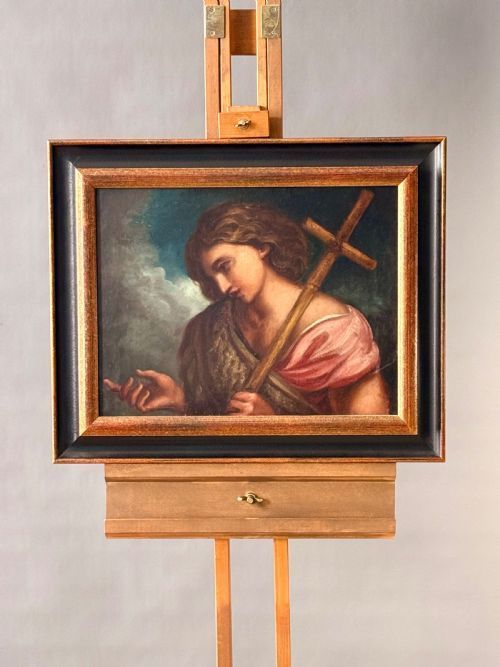
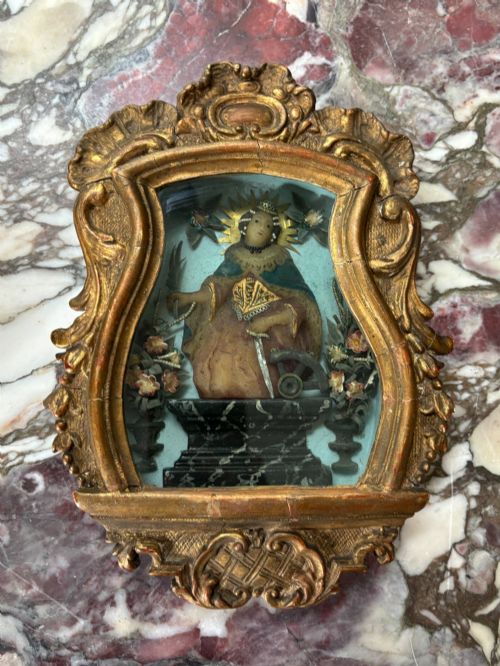
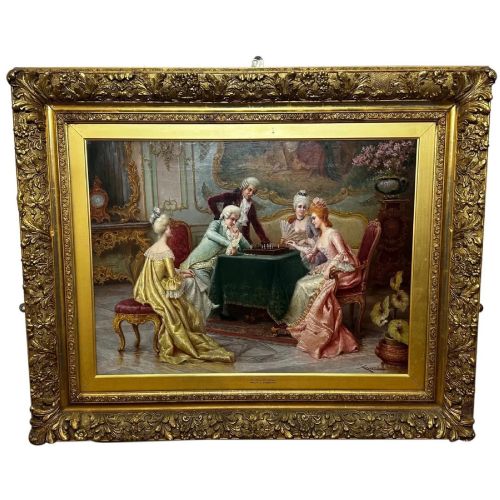
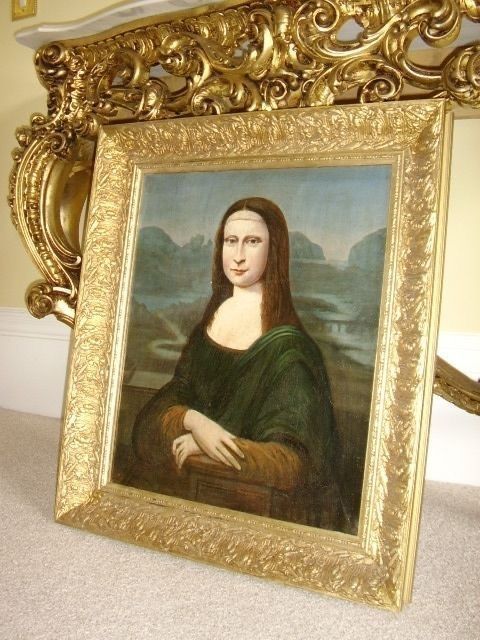
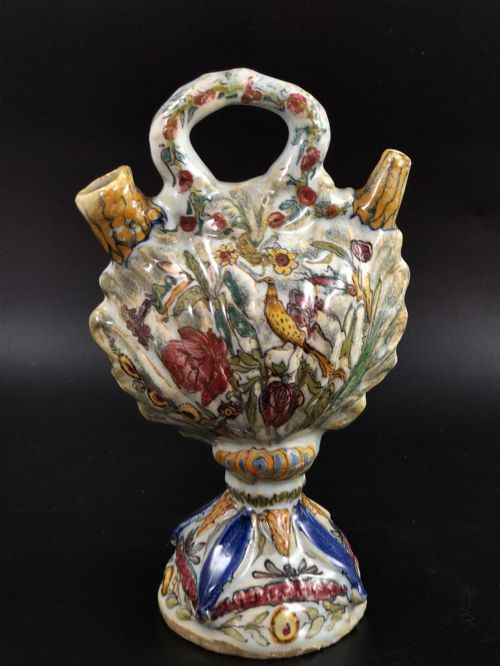
Decorative objects such as majolica pilgrim flasks, bronze vessels, and carved ecclesiastical busts sit alongside oil paintings from various regional schools. Console tables with marble tops and carved torchieres also populate the selection.
The aesthetic vocabulary encompasses Baroque, Rococo, and Neoclassical idioms, reflecting regional preferences from Venice to the northern provinces. Buyers find both painted surfaces and rich natural timbers utilised across domestic and religious forms.
Materials and Methods
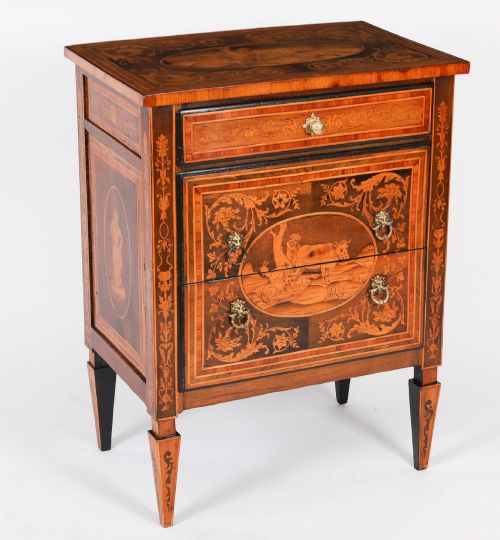
Cabinetmakers relied heavily on walnut, often embellished with marquetry, parquetry, or secondary timbers such as olive wood, tulipwood, and kingwood. Carved structural elements frequently employed softwoods or gesso over wood, which provided a smooth substrate for gilding.
Giltwood and silvered surfaces required meticulous application of gold or metal leaf over preparation layers. Painted items utilised pigments on wood panels, canvas, or prepared plaster grounds for furniture and wall treatments.
Glass production, notably in Venetian mirrors, depended on skilled glassblowing and engraving techniques applied to looking plates. Metal objects such as candlesticks and liturgical vessels employed casting and chasing methods.
A mother-of-pearl fan from the late eighteenth century offers a delicate survival among heavier walnut furniture.
Assessing Quality and Execution
The distinction between tiers of execution rests upon the depth of the carving and the nuance in painted details. Fine sculptural work on console tables and torcheres demonstrates crisp undercut details in the wood and gesso.
Surface treatments reveal artisan skill through the preservation of original polychrome, gilding, or marquetry patterns. Finer oil paintings and pastels display sophisticated handling of light and anatomical proportion within regional school traditions.
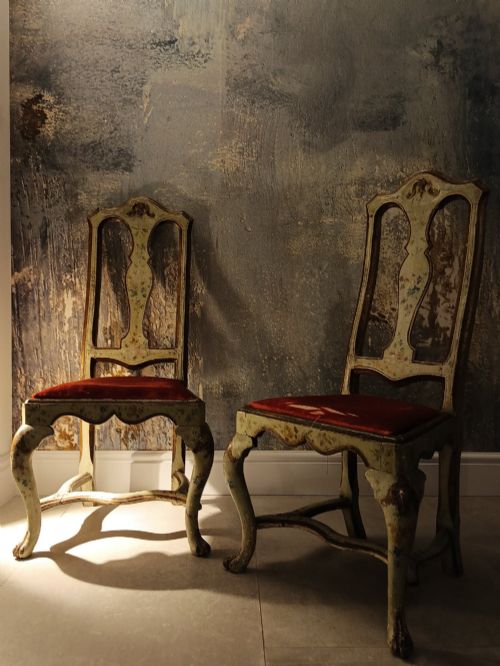
Structural integrity depends on the selection of seasoned timbers and the precision of joinery in case pieces and seating. The sophistication of secondary decorative elements, such as engraved mirror plates or original hardware, elevates the standing of an object.
The 18th Century Italian Glossary
- Gesso
- A plaster mix applied to wood surfaces to create a smooth base for gilding or painting. It allows intricate relief work to be carved before metal leaf is laid down.
- Marquetry
- Decorative veneer patterns arranged on furniture surfaces using various tinted woods. Artisans cut thin sections to form geometric or pictorial designs.
- Torchiere
- A tall stand or candlestick designed to hold a light source. These are frequently carved from walnut or giltwood in Baroque and Rococo styles.
- Majolica
- Tin-glazed earthenware produced in Italy. Pieces are typically brightly painted with historical or floral motifs.
- Commode
- A low chest of drawers developed during the eighteenth century. They frequently feature marble tops and elaborate veneering.
18th Century Italian: Frequently Asked Questions
How do I identify a Venetian mirror?
Venetian mirrors of this era typically feature etched glass frames composed of multiple segments held together by decorative glass rosettes. The crests often incorporate elaborate floral or scrollwork motifs executed entirely in glass.
Surrounding wooden backings support the glass plates, though the visual emphasis remains firmly on the mirrored elements and engraved borders characteristic of Venice.
How were giltwood console tables used?
Giltwood console tables functioned as monumental wall furniture in grand salons and hallways, usually positioned beneath large wall mirrors. Their heavy carving was designed to catch candlelight.
Most examples are fitted with marble tops to provide a durable and luxurious surface for displaying decorative objects or lighting.
What defines regional Italian painting schools?
Regional schools of painting reflect the distinct artistic traditions of cities like Venice, Emilia, or northern provincial centres. They encompass subjects ranging from religious iconography to landscape capriccios.
These works utilise oil on canvas or panel, maintaining stylistic ties to the broader Baroque or Neoclassical movements prevalent across the peninsula.