



18th Century Garden Planter
An 18th century garden planter brings architectural weight and classical form to outdoor spaces through time-tested materials like lead, sandstone, and carved stone.
18th Century Garden Planter
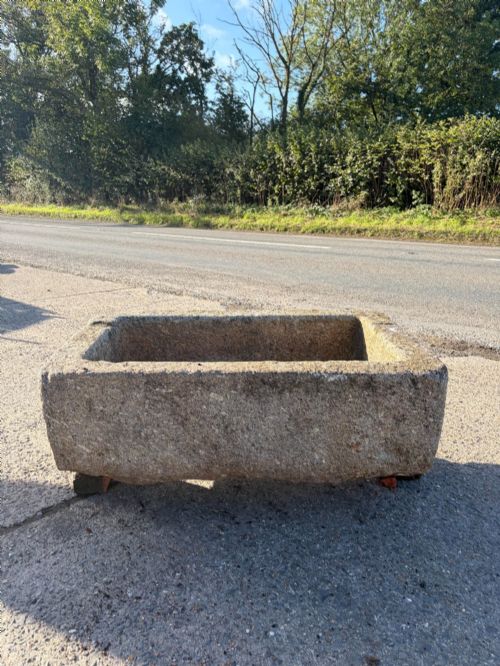
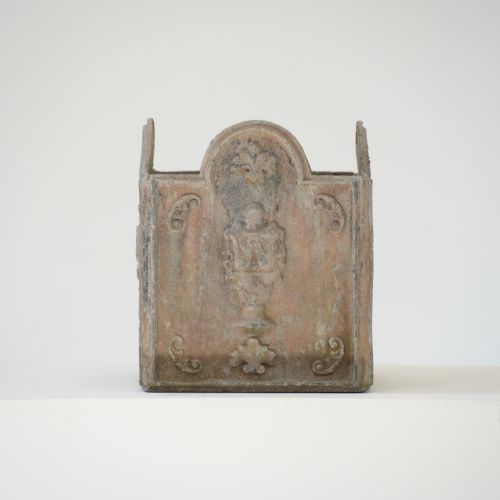
When you search for an 18th century garden planter, you encounter robust vessels designed for landscape and courtyard use during the Georgian period. The versions most commonly met on this page include lead cisterns, carved stone baskets, and substantial stone troughs.
The materials span from durable metals like lead and copper to various carved stones, with neoclassical and Dutch Baroque styles appearing frequently. These forms served utilitarian purposes initially, ranging from water collection to planting.
Makers and artisans of the era shaped these objects to anchor formal gardens, often incorporating marine motifs or classical proportions. Surviving examples demonstrate how functional architectural salvage transitioned into decorative garden focal points over centuries.
Materials and construction
Carved stone planters and troughs are shaped from heavy materials such as sandstone, limestone, and marble using traditional masonry techniques. Artisans worked these stones by hand to create square troughs, decorative baskets, and classical urns.
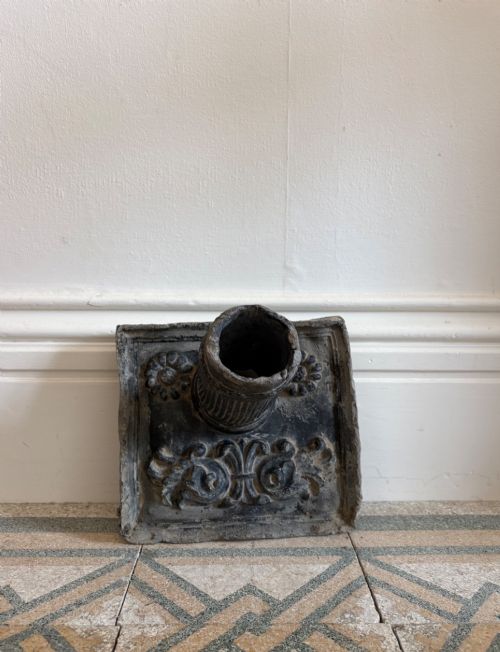
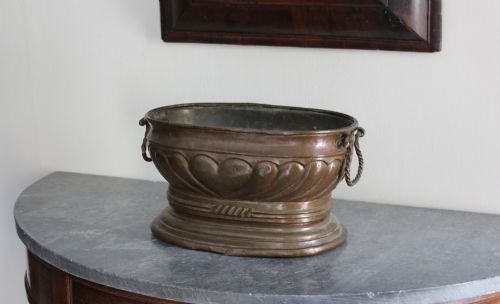
Lead pieces are cast and worked to form cisterns, fountain heads, and panels, occasionally bearing specific dates like 1765. Copper and tin-glazed earthenware also appear, showing metalworking and ceramic traditions of the period.
18th Century Garden Planter Retail Price Guide 2026
Typical asking prices for 18th century garden planter among the pieces listed under this phrase on Sellingantiques today, from the lower quarter to the upper quarter. They describe what is for sale here now, not the wider market.
Current listings feature materials ranging from cast lead and copper to carved stone and marble, spanning the Georgian and 19th-century periods.
Assessing quality and character
Quality in these pieces rests on the crispness of the hand-carved detail and the integrity of the original material. Finer examples display deliberate proportions and sophisticated neoclassical or Dutch Baroque ornament rather than purely utilitarian utility.
Surface weathering and natural patina contribute significantly to the appeal of older lead and stone. Pieces that retain legible casting dates or distinct architectural provenance hold greater visual and historical interest.
The 18th Century Garden Planter Glossary
- Cistern
- A large container for storing water, often cast in lead during the Georgian period. These frequently doubled as decorative planters in formal gardens.
- Neoclassical
- A style inspired by classical antiquity that emphasises symmetry, proportion, and restrained ornamentation. It appears frequently on marble cisterns and urns from the period.
- Architectural Salvage
- Building elements and outdoor ornaments rescued from older structures for reuse. This category includes stone troughs, fountain heads, and water pump hoppers.
- Dutch Baroque
- An elaborate artistic style characterised by dynamic forms and rich ornamentation. Pieces in this style bring a dramatic presence to garden settings.
- Verdigris
- The green patina that forms naturally on copper and lead over time. This layer protects the underlying metal while showing evidence of age.
18th Century Garden Planter: Frequently Asked Questions
What materials were used for these planters?
The pieces utilise durable substances suited for the outdoors, predominantly lead, sandstone, carved stone, limestone, copper, and marble.
Ceramics such as tin-glazed earthenware also appear among the surviving objects from the period.
How can I tell a Georgian piece apart?
Georgian examples often display specific stylistic traits such as neoclassical symmetry, marine motifs, or Dutch Baroque details.
Some lead cisterns even bear cast dates, such as 1765, helping to anchor their period origins.
How were these stone vessels originally used?
Many stone troughs and lead cisterns served practical daily functions involving water collection, storage, and agricultural tasks.
Over time, these durable utilitarian objects transitioned into garden planters and architectural ornaments.
How do I care for antique lead outdoors?
Lead is naturally weather-resistant and develops a stable protective patina over decades of exposure to the elements.
Avoid harsh chemical cleaners that might strip this natural surface and alter the historical appearance of the metal.