



18th Century Family Portraits
These 18th century family portraits bring centuries of lineage and domestic history directly to your walls through oil, watercolour and miniature.
18th Century Family Portraits
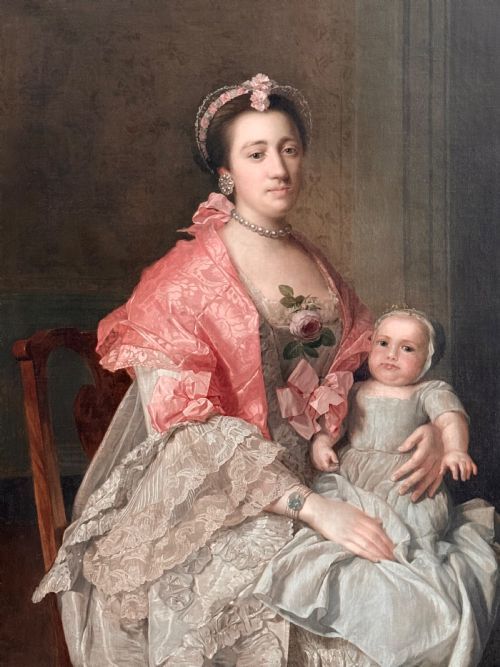
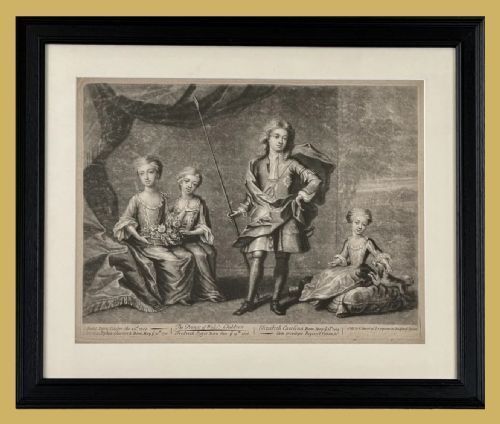
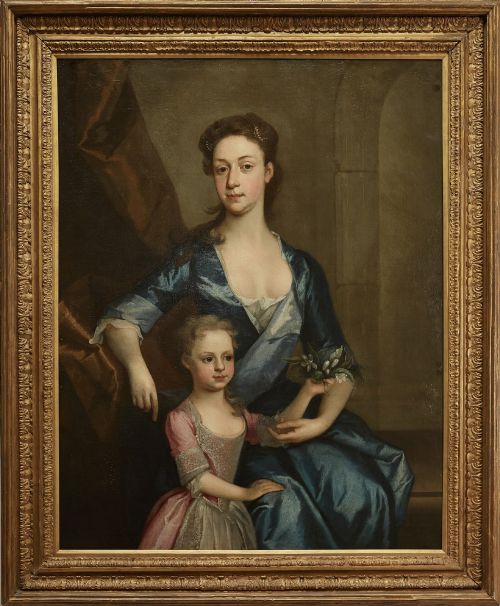
When you search for 18th century family portraits, you encounter historic depictions of parents, children and siblings rendered in oils, miniatures and works on paper. These pieces record the lineage, status and domestic life of past households.
On this page, you are most likely to meet oil paintings on canvas and delicate portrait miniatures from the Georgian period, often housed in original giltwood frames. Subjects range from large canvases depicting groups in country house grounds to intimate studies of individual family members.
Materials and technique
Many of these works retain their period surrounds, constructed from wood and embellished with giltwood or gilt wood frames. Elaborate scroll mounts in rectangular gilt frames frequently accompany works on paper and miniature portraits.
18th Century Family Portraits Retail Price Guide 2026
Typical asking prices for 18th century family portraits among the pieces listed under this phrase on Sellingantiques today, from the lower quarter to the upper quarter. They describe what is for sale here now, not the wider market.
Jane Austen enthusiasts can occasionally spot a family connection hiding among the brushstrokes and ink lines.
Markers of distinction
Quality rests heavily on the fidelity of the likeness, the handling of drapery and the confidence of the brushwork demonstrated by the artist. Works executed by established portraitists exhibit superior anatomy and expressive character compared to routine studio output.
The preservation of the original surface, minimal restoration to the canvas or ivory, and the retention of a period matching frame elevate the standing of a piece. Documentation linking the sitters to a specific family adds historical depth.
Joseph Highmore·Charles Hayter·George Engleheart·James Ferguson·John Hoppner·Ozias Humphry·Charles Philips·Michael Dahl·Hans Hysing·Thomas Murray·Robert Byng·Francis Alleyne·Henry Edridge·Jonathan Richardson·Sir Godfrey Kneller·Thomas Hudson
The 18th Century Family Portraits Glossary
- Plumbago
- A graphite drawing technique popular for detailed monochrome portraits. These works offer a crisp, photographic precision predating modern photography.
- Miniature portrait
- A small-scale painting executed on ivory, vellum or card. These intimate pieces were often kept as personal tokens or worn as lockets.
- Giltwood
- Wood carved and coated with gold leaf or a gold-coloured finish. This material formed the opulent frames typical of Georgian fine art.
- Mezzotint
- A printmaking process where the artist works from dark to light on a roughened copper plate. It produces rich tonal gradations ideal for reproducing oil paintings.
18th Century Family Portraits: Frequently Asked Questions
How do I identify a true Georgian portrait?
Look for stylistic cues such as costume, wig styles and painting techniques characteristic of the eighteenth century. Attributions are often supported by period inscriptions on the reverse of the canvas or frame.
Examine the materials used, as genuine works typically feature period-appropriate stretched linen canvases, handmade wooden strainers and traditional oil or watercolour pigments.
What is a portrait miniature?
A portrait miniature is a small, highly detailed painting usually executed on a thin slice of ivory, vellum or card. These portable artworks were commissioned to commemorate family members and milestones.
Artists used fine brushes and magnifying glasses to achieve remarkable facial detail, frequently housing the finished work in protective glass cases or hinged leather travel folding frames.
How should I care for these paintings?
Keep oil paintings and works on paper away from direct sunlight, high humidity and sudden temperature fluctuations. Stable indoor environments prevent the canvas from slackening and the wood from warping.
Dust giltwood frames gently with a soft, dry brush and avoid applying liquid cleaners to the painted surfaces or exposed ivory miniatures.
Why are some sitters unidentified?
Many historical canvases lost their documentation over successive generations as families dispersed and estates were sold. Sitters were sometimes recorded only by family surname or through partial inscriptions.
Researching costume history, heraldry on frames and the working methods of contemporary artists occasionally helps specialists reunite a portrait with its family history.