


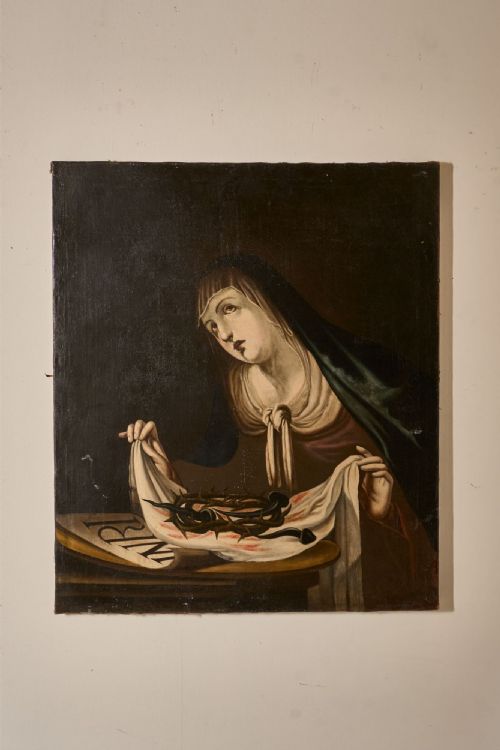


18th Century Devotional Art
These pieces of 18th century devotional art bring intense personal faith, striking baroque intensity, and centuries of quiet contemplation straight to your interior.
18th Century Devotional Art
When you search for 18th century devotional art, you encounter sacred objects designed for private prayer and contemplation rather than large church altars. These works emerge primarily from Italian, Spanish, and French schools, reflecting deep Catholic traditions across the 1700s.
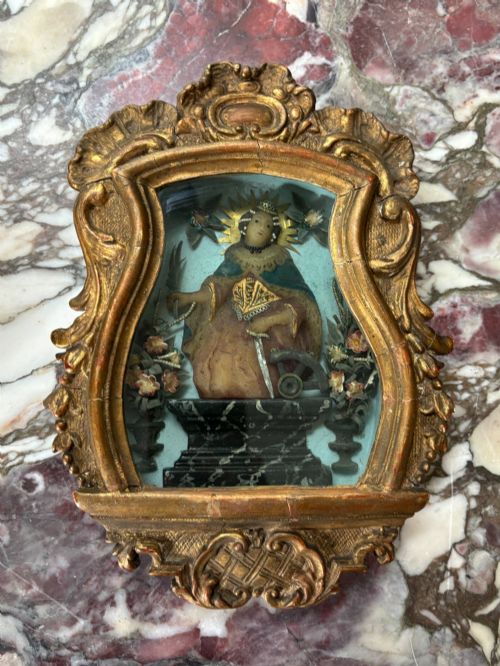
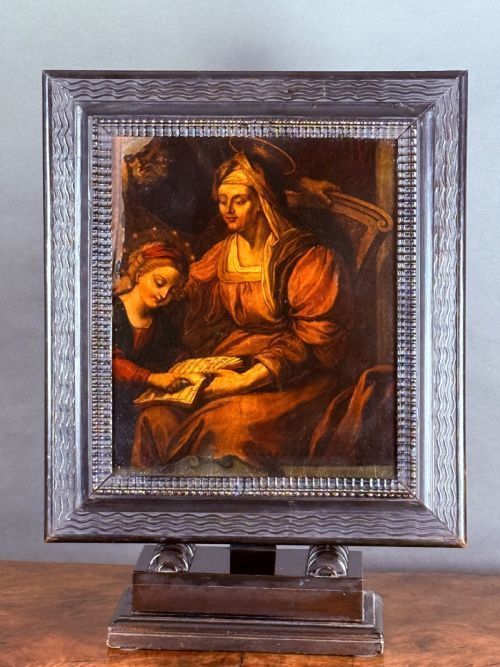
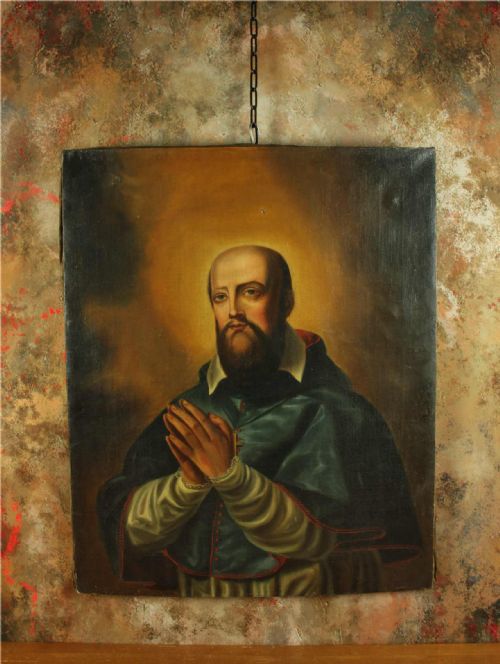
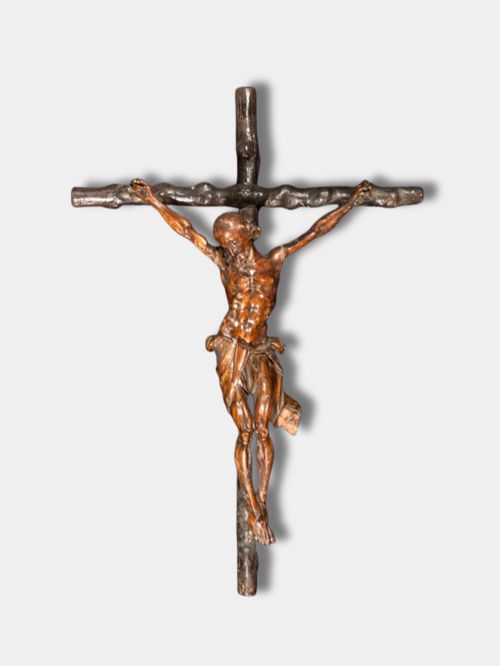
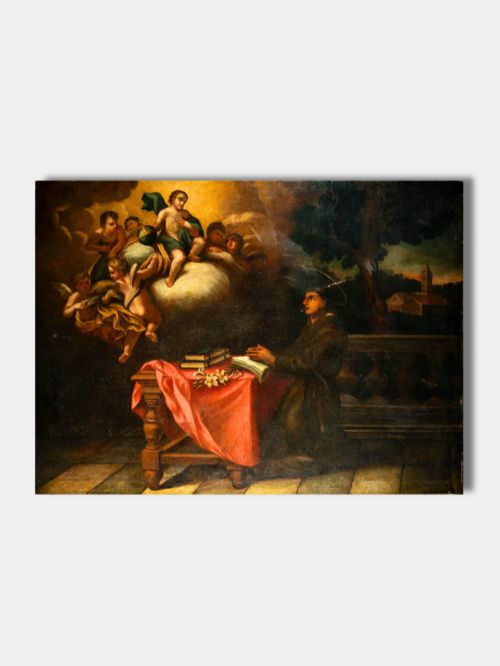
The selection on this page centres on canvas paintings, reverse glass mezzotints, and oil on panel works depicting saints and holy figures. You will also find carved wooden sculptures, crucifixes, miniature portraits, and intricate shadow boxes containing Nevers glass figures.
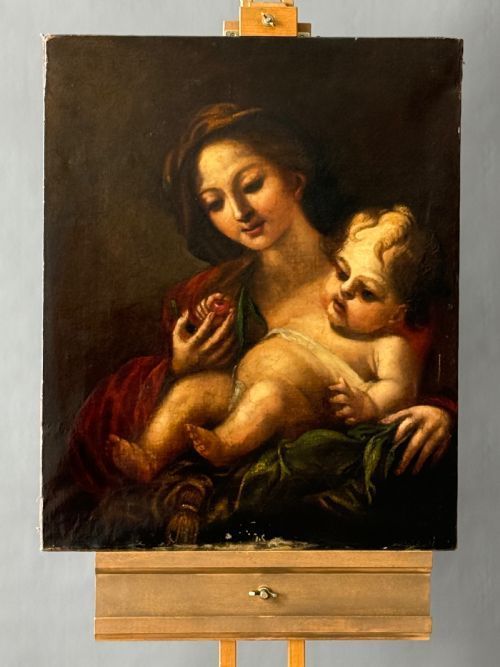
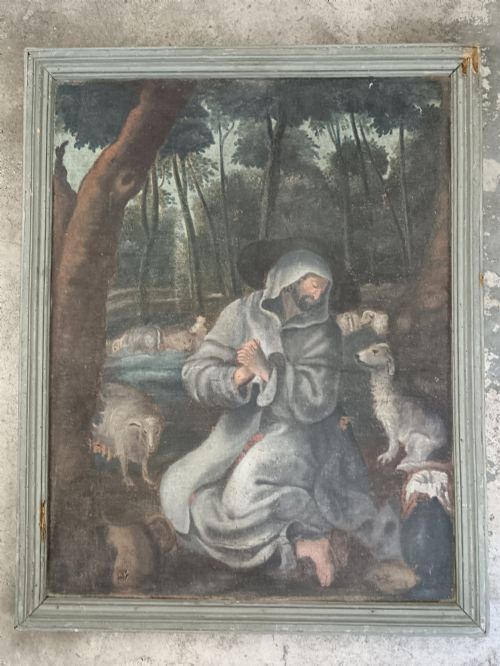
Subjects range from the Madonna and Child and the Passion of Christ to specific saints such as Saint Francis of Assisi, Saint Anthony of Padua, and Saint Sebastian. Many pieces capture the dramatic movement and emotional depth characteristic of Spanish Baroque and Italian Baroque styles.
How these works were made
Painters applied oil paint to canvas, wood panels, or paper, often utilising rich pigments to create deep shadows and luminous highlights typical of the period. Some canvases reveal fascinating pentimento, showing where the artist altered compositions during the painting process.
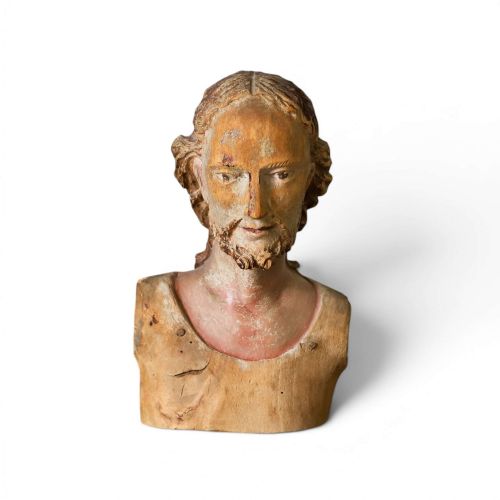
Sculptors carved figures from wood, such as olive wood, frequently applying polychrome paint to enhance the realism of vestments and flesh tones. Artisans also worked with delicate media, producing reverse glass paintings, Limoges enamel plaques, and detailed Nevers glass sculptures housed within shadow boxes.
Listings feature Italian, Spanish, and French works from the 1700s, utilising canvas, olive wood, glass, copper enamel, and paper.
What varies in quality
The distinction between standard works and exceptional pieces lies in the sureness of the brushwork and the expressive depth of the figures. Masterful old master paintings and works by defined circles, such as followers of Raffaello Sanzio da Urbino or circles of Juan Ruiz Soriano, display superior anatomical understanding and emotional resonance compared to simpler folk or naïve school pieces.
Preservation of delicate surfaces also dictates distinction. Intact polychrome on carved wooden busts, well-preserved Limoges enamel, and unblemished reverse glass mezzotints retain their original visual impact far better than pieces suffering from heavy overpainting or structural loss to their wooden supports.
Juan Ruiz Soriano·Raffaello Sanzio da Urbino
The 18th Century Devotional Art Glossary
- Baroque
- A European artistic style originating in the late sixteenth century, characterised by exaggerated motion, deep shadow, and clear detail used to produce drama in sculpture and painting. This aesthetic defines the majority of the oil paintings and figures found in this category.
- Reverse glass painting
- An art form where the artist paints directly on the back of a piece of glass, viewing the finished image from the front. This technique produces a glossy, reflective surface finish.
- Ex-voto
- A votive offering given to a saint or a divinity in fulfilment of a vow, often taking the form of a painted portrait recording a miraculous survival or recovery.
- Pentimento
- An alteration in a painting, evidenced by traces of previous work, showing that the artist changed their mind about a composition during the painting process. These visible changes often confirm the authenticity of old master canvases.
18th Century Devotional Art: Frequently Asked Questions
What is 18th century devotional art?
These items are sacred paintings, sculptures, and small-scale objects created during the 1700s to aid private prayer and religious devotion. They include oil paintings on canvas or panel, carved wooden saints, crucifixes, and glass shadow boxes.
Originating largely from Italian, Spanish, and French workshops, the pieces reflect the dramatic baroque styles of the period and depict biblical scenes, holy families, and revered saints.
How were these devotional pieces used?
Owners placed these items in private chapels, bedrooms, or domestic spaces to focus personal prayer and contemplation. Miniature portraits and small plaques allowed individuals to carry or keep their faith close during daily life.
Shadow boxes and reverse glass pieces served as portable shrines or focal points for quiet reflection in European homes throughout the eighteenth century.
How do I live with devotional art?
These pieces bring rich textures, deep historical resonance, and a contemplative atmosphere to modern interiors. Canvas paintings and wooden carvings pair well with minimalist or traditional spaces alike, creating striking focal points on walls or tabletops.
Protect delicate items like reverse glass paintings, enamel plaques, and paper miniatures from direct sunlight and excessive humidity to preserve their fragile surfaces over time.
How do I tell Italian and Spanish works apart?
Spanish pieces from this era frequently lean towards intense realism and dramatic, emotive suffering, visible in works depicting the Passion of Christ or stark wooden Corpus Christi crosses. Olive wood Sicilian busts and Spanish polychrome sculptures often show profound theatricality.
Italian works often reflect the softer academic traditions of regional schools, focusing on classic old master compositions, luminous oil glazes, and serene depictions of the Madonna and saints.