
18th Century Candle Table
An 18th century candle table provides a compact surface for illumination and small items, bringing period craftsmanship into a room.
18th Century Candle Table
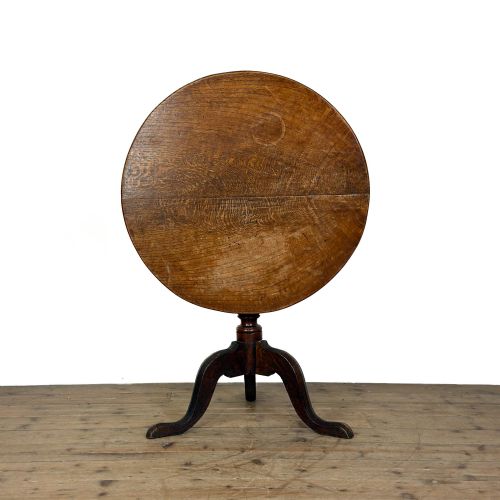
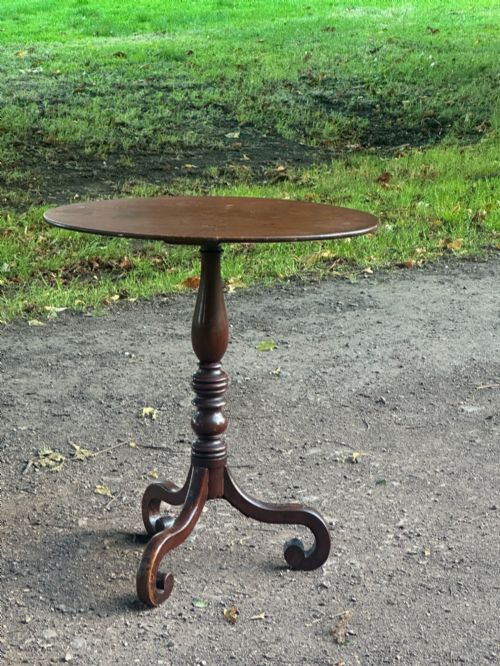
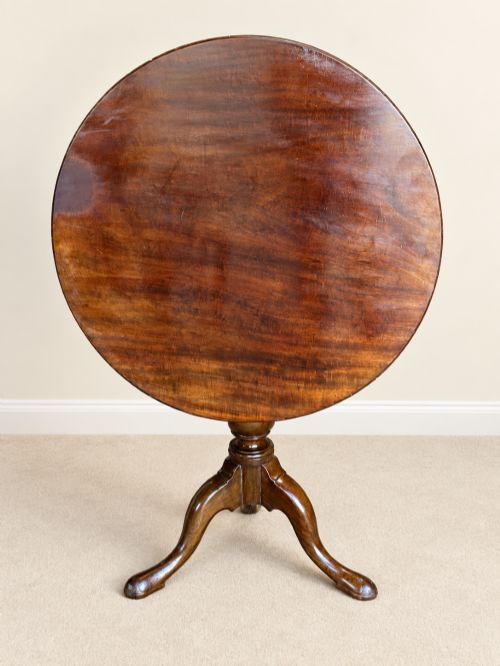
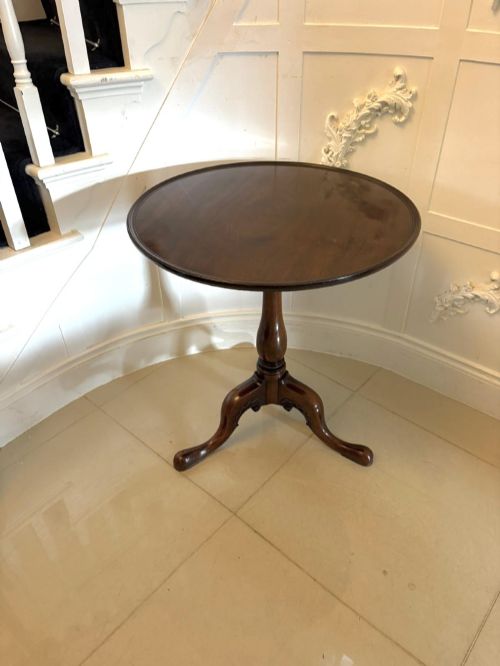
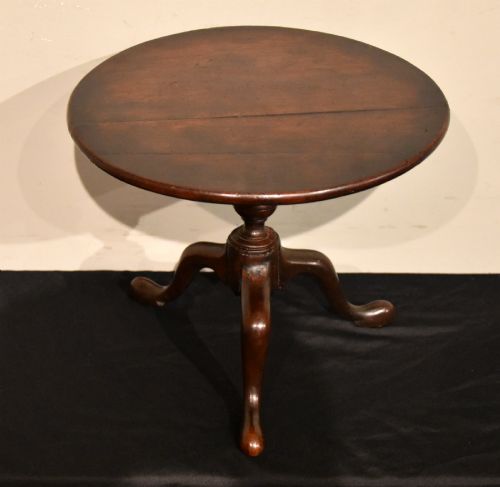
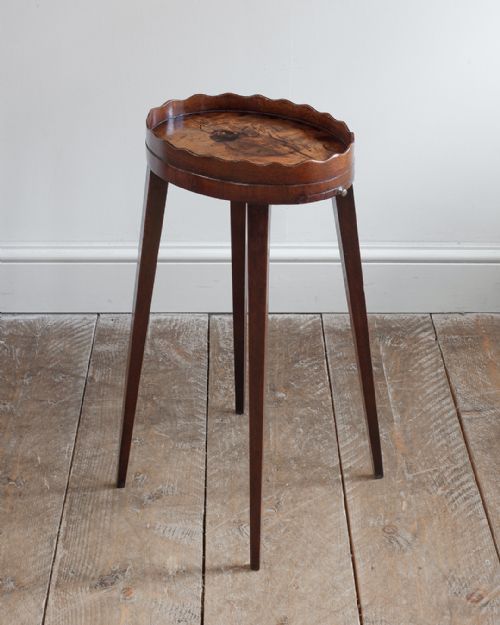
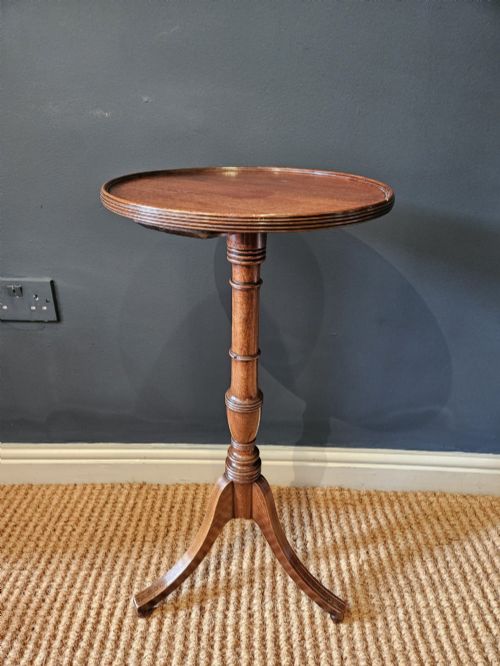
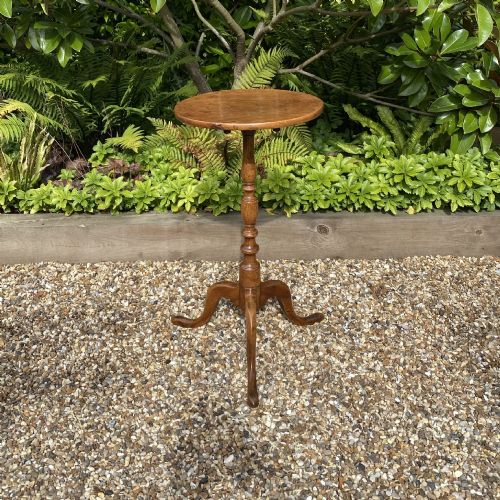
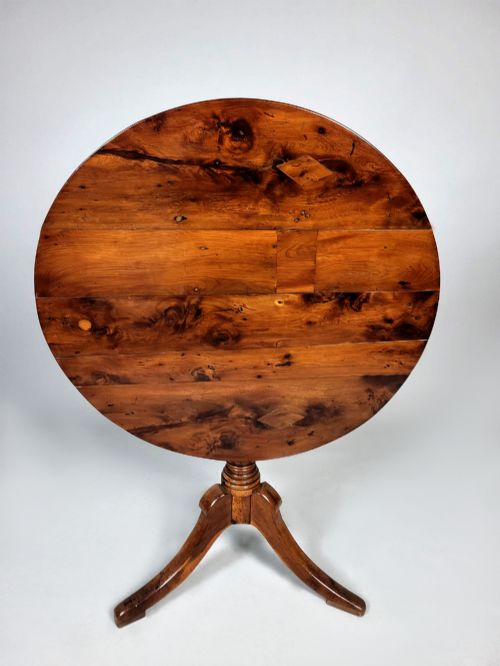
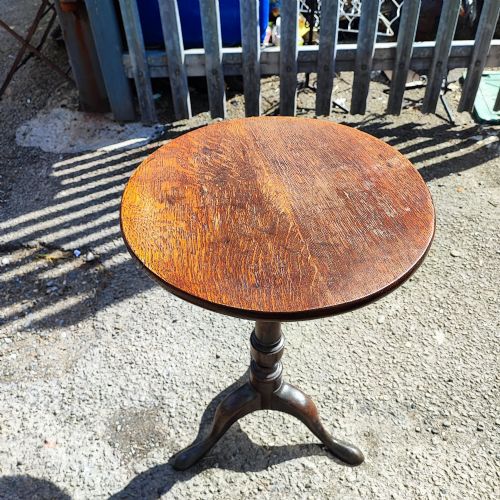
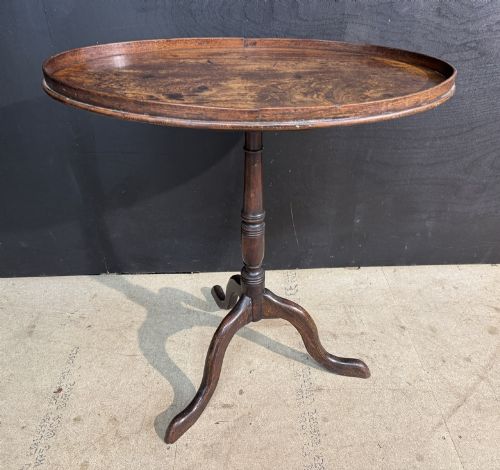
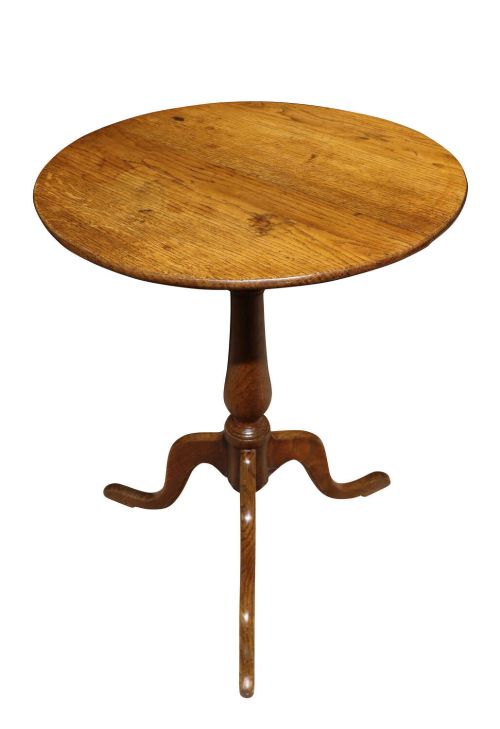
When you search for an 18th century candle table, you encounter small occasional surfaces designed to hold lighting and drinks beside seating. The selection includes tilt-top tripod tables, wine tables, and adjustable stands from the Georgian period.
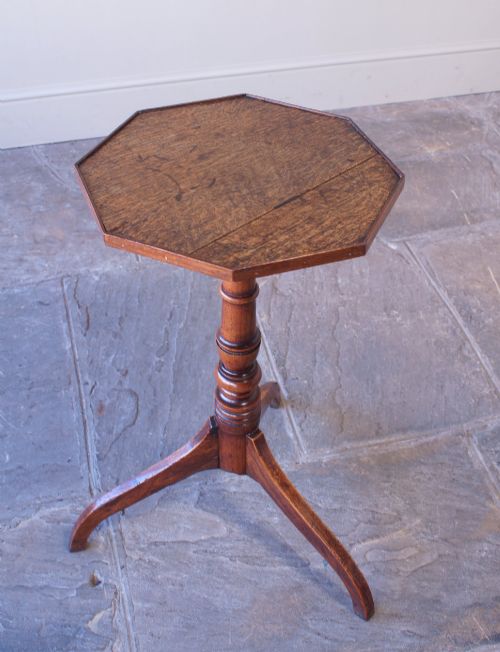
Makers produced these compact items for domestic interiors, utilising sturdy central pillars supported by three legs. Buyers find both simple country vernacular pieces and finer carved examples in the Chippendale taste.
Materials and construction methods
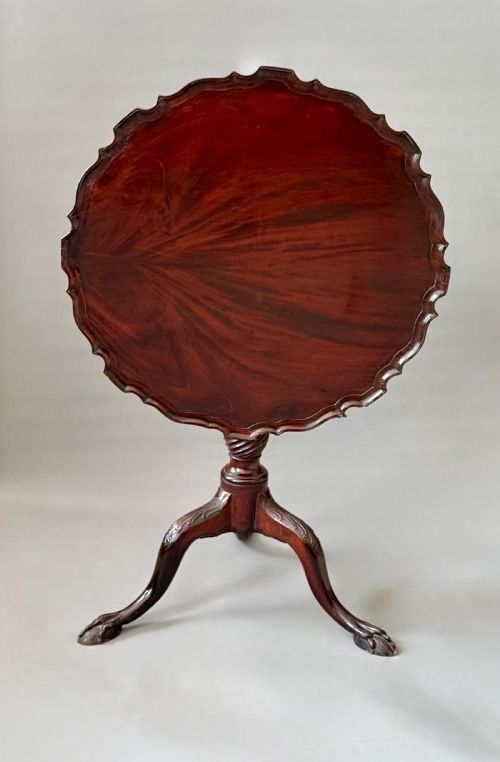
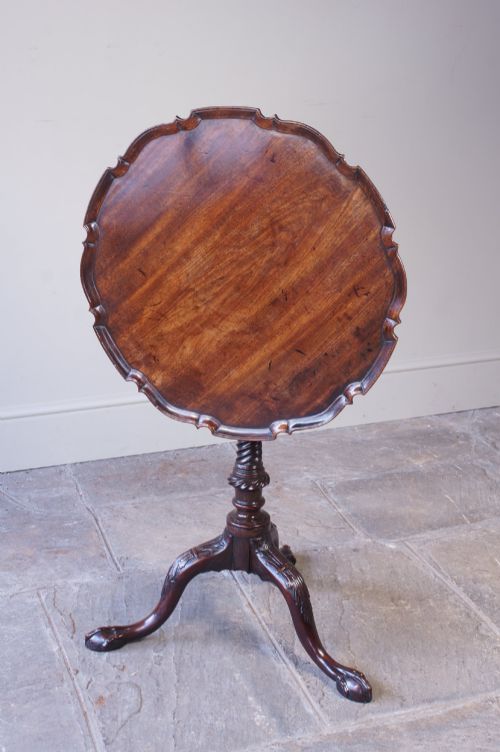
Cabinet makers utilised dense hardwoods including mahogany, oak, walnut, and elm for stability on three-legged tripod bases. Tops often featured tilting mechanisms, birdcage assemblies, or raised pie crust rims to secure items during use.
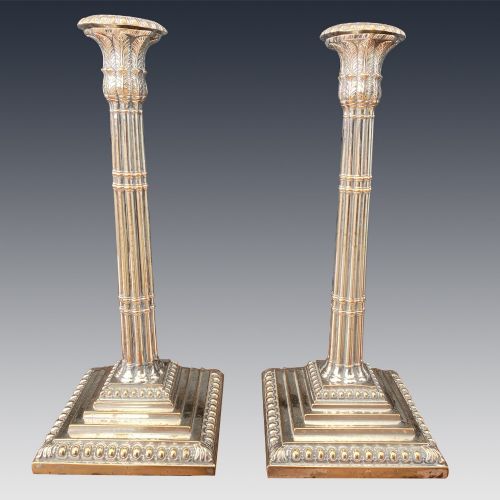
Turned columns and slender pedestals connect the top to shaped legs, sometimes displaying carving in the Chippendale taste. Brass components appear on hardware, catches, and seamed candlesticks.
The listings span the 18th century and Georgian eras, featuring mahogany, oak, elm, walnut, and brass.
Factors influencing quality
Quality rests in the choice of timber and the precision of the turning on the central column and legs. Figured mahogany, burr oak, and rich red walnut distinguish finer examples from standard vernacular pieces.
Original tilt mechanisms, crisp carving on pie crust rims, and intact birdcage actions elevate a piece. Evidence of proper period construction without replacement legs or columns determines the desirability of the table.
Matthew Boulton
The 18th Century Candle Table Glossary
- Tripod table
- A small freestanding table supported by a central pillar and three legs. This form dominated domestic candle and tea tables during the Georgian era.
- Tilt top
- A tabletop mounted on a catch allowing the surface to swivel vertically when not in use. This mechanism saved space in smaller rooms.
- Pie crust rim
- A raised, scalloped edge carved from the solid timber of the tabletop. It prevented items from rolling off the surface.
- Birdcage
- A wooden box assembly beneath the tabletop allowing the surface to both tilt and revolve. It represents a more complex form of table construction.
18th Century Candle Table: Frequently Asked Questions
What was an 18th century candle table used for?
These small tables held portable lighting such as candlesticks or candelabra near chairs and beds. They also served as wine tables and occasional surfaces for evening tasks.
Their compact size allowed servants to move them easily around the room as illumination needs shifted throughout the evening.
What woods were used for these tables?
Mahogany and oak appear most frequently in the surviving record, supplemented by elm, walnut, fruitwood, and burr oak. Finer examples utilise figured timber and rich red walnut.
Country vernacular pieces often employ native timbers like oak and elm, while city workshops worked with imported mahogany.
Where should I place a candle table in my home?
These compact pieces fit well beside armchairs, sofas, or in corners where a small surface is needed without crowding the floor space. Their narrow footprints make them practical for modern rooms.
Avoid placing them in direct sunlight or near heat sources to protect the polished timber and historic tilt mechanisms.