

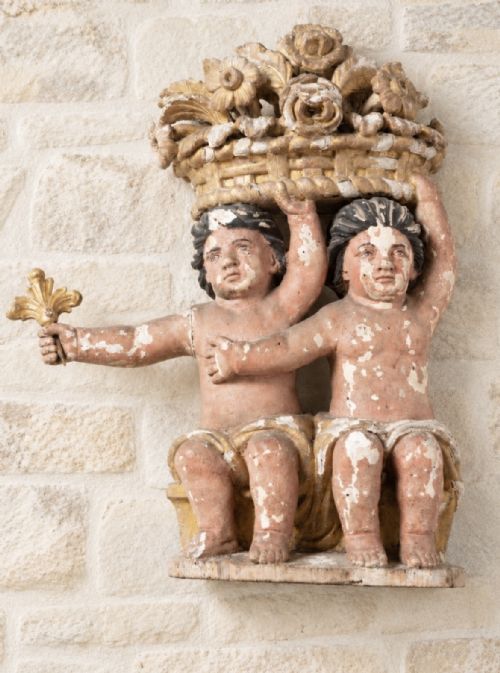


18th Century Angel
An 18th century angel brings ecclesiastical devotion and Continental craftsmanship into a room through carved wood, gilt gesso, and oil paint.
18th Century Angel
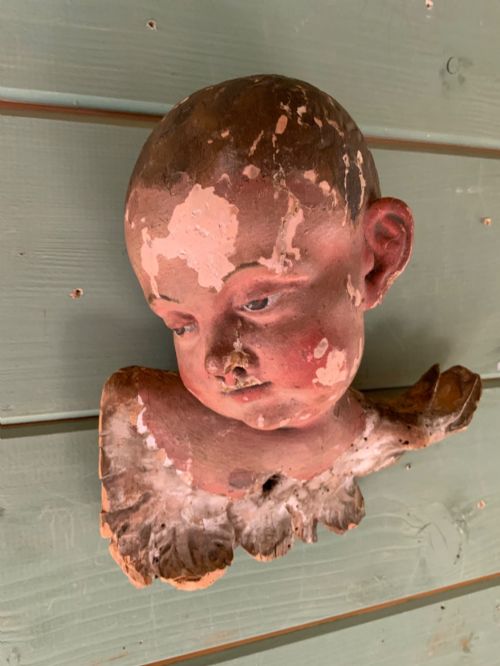
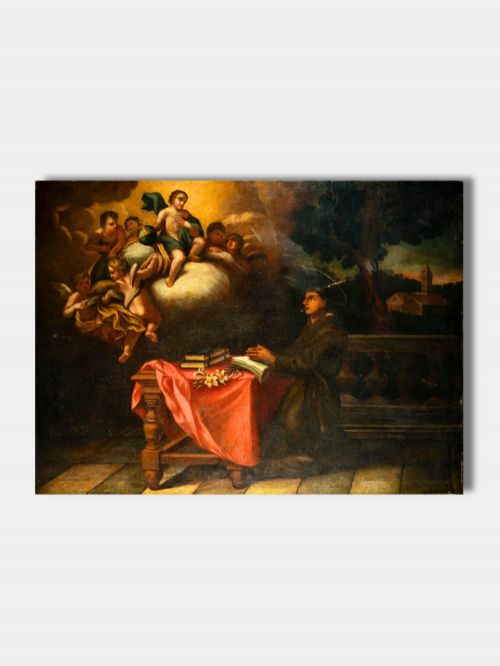
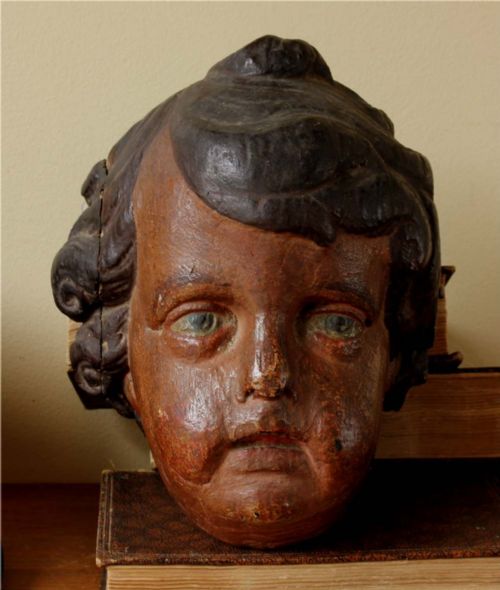
When you search for an 18th century angel, you encounter carved wooden sculptures, oil paintings, and gilt gesso wall panels originating from French, Italian, and Spanish studios. These pieces range from monumental canvas depictions of saints to diminutive cherub heads and putti figures intended for domestic devotion or church architecture.
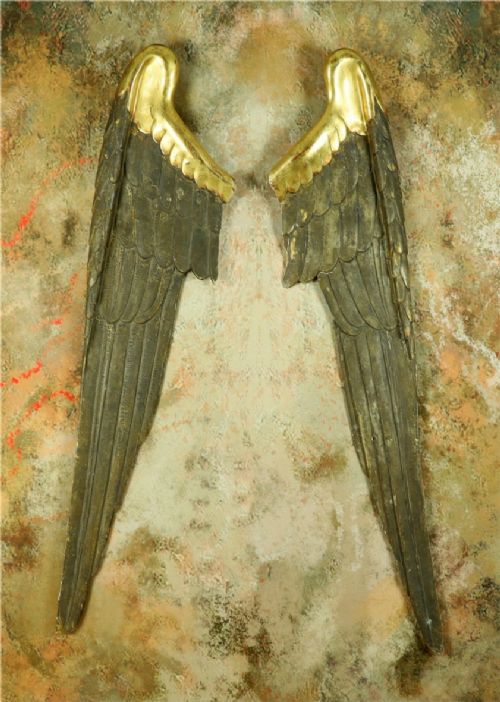
The most common forms on this page include carved oak cherubs, polychrome wood figures mounted on clouds, and giltwood wings. Painters and woodcarvers of the period rendered these heavenly beings through the lenses of Baroque, Rococo, and Neoclassical styles, capturing expressive faces and dynamic drapery.
Works span from the early 1700s through the late eighteenth century, drawing on regional traditions such as Neapolitan and Spanish Baroque sculpture. Whether panel paintings of the Madonna and Child or standalone architectural fragments, each object reflects period religious iconography and decorative arts.
How they were made
Carvers shaped these figures from timbers such as oak, pine, and various fruitwoods using gouges and chisels to achieve deep, expressive relief. Many wooden pieces received a preparation layer of gesso before painters applied gold leaf, silver, or polychrome pigments to render flesh tones and garments.
Painters worked in oil on canvas or panel, building up compositions with rich pigments for ecclesiastical commissions and devotional portraits. Engravers also produced works on paper after period masters, translating painterly celestial scenes into detailed print editions.
18th Century Angel Retail Price Guide 2026
Typical asking prices for 18th century angel among the pieces listed under this phrase on Sellingantiques today, from the lower quarter to the upper quarter. They describe what is for sale here now, not the wider market.
Listings feature oak, pine, gesso, and canvas across French, Italian, and Spanish regional schools.
What varies in quality
In paintings and engravings, quality is determined by the crispness of the line, the luminosity of the oil glazes, and the expressive intensity of the faces. Pieces retaining their original gilding or authentic period pigment layers hold greater integrity than those subject to extensive later overpainting or structural repair.
Orsola Maddalena Caccia·Giovanni Ottaviani·Angelica Kauffman
The 18th Century Angel Glossary
- Cherub
- A celestial being depicted as a winged child, frequently seen in Baroque and Rococo woodcarvings and paintings. These figures often appear as standalone heads or supporting clouds.
- Polychrome
- Painted in several colours, a technique used on wood sculptures to render lifelike flesh tones and garments. Pigments were applied over a gesso ground.
- Giltwood
- Wood that has been coated with gold leaf or metal leaf over a prepared gesso surface. This finish was common in Italian and French Baroque decorative arts.
- Gesso
- A plaster mixture applied to wood surfaces as a smooth base for gilding and painting. It allows intricate carved details to remain sharp beneath metal leaf.
- Putto
- A plump, naked male child figure found in classical and religious art, similar to a cherub. They populate clouds and architectural carvings of the period.
18th Century Angel: Frequently Asked Questions
What materials were used for these sculptures?
Makers predominantly carved these figures from solid timber, including oak, pine, and fruitwood. They frequently applied a gesso ground to the wood before finishing the surface with gold leaf, silver, or polychrome oil paints.
Surviving examples also include oil paintings on canvas and paper engravings. Each material combination reflects regional Continental workshop practices of the period.
How were these figures used originally?
These pieces served primarily religious and architectural functions within churches, domestic chapels, and private homes. Larger carvings adorned altars, wall panels, and mirrors, while smaller cherubs and paintings formed part of devotional shrines.
Some objects, such as ex-voto portraits and canvas depictions of saints, recorded acts of faith and protection. Domestic spaces also housed decorative brackets and freestanding figures intended to inspire contemplation.
How do I care for antique carved wood?
Keep wooden sculptures and gilt panels away from direct sunlight and fluctuating heat sources to prevent the timber from splitting. Dusting should be done gently with a dry, soft brush rather than a cloth that might catch on delicate carved details.
Avoid using liquid cleaners, polishes, or modern solvents on gesso and polychrome surfaces. Maintaining a stable indoor environment protects the original gilding and paint layers from flaking.
How can I tell a period carving apart?
Examine the tool marks and the construction of the wood, as eighteenth-century carvers used hand chisels and gouges that leave distinct irregularities. The ageing of the timber, the composition of the gesso, and the wear patterns on the polychrome or gilt surface provide clues to age.
Stylistic indicators, such as the exuberant drapery of the Baroque or the lighter curves of the Rococo, also help date the work. Comparing the anatomy and facial carving to documented school examples clarifies regional origins.