


18ct White Gold Pearls
These 18ct white gold pearls combine lustrous pearls with precious metal and diamond accents, offering refined jewellery from multiple twentieth-century periods.
18ct White Gold Pearls
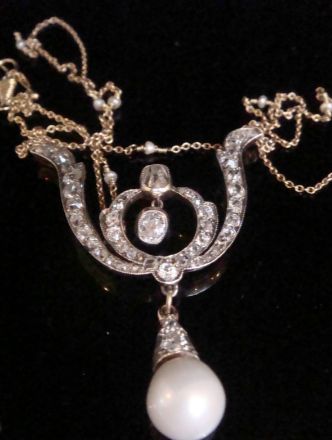
When searching for 18ct white gold pearls, buyers encounter an array of necklaces, rings, earrings, and pendants that incorporate precious metal alongside cultured or natural pearls. The pieces span periods from the Edwardian era through the Art Deco years and into the 1950s and 1960s mid-century designs.
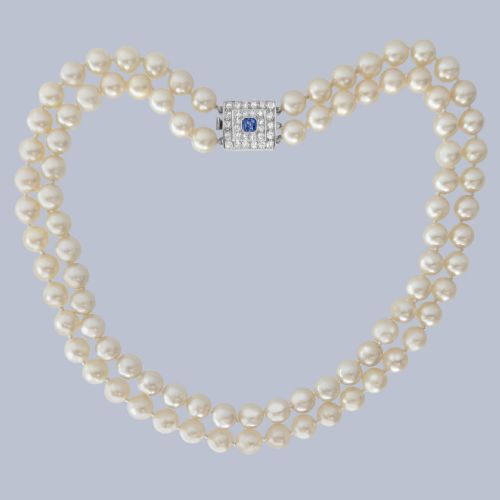
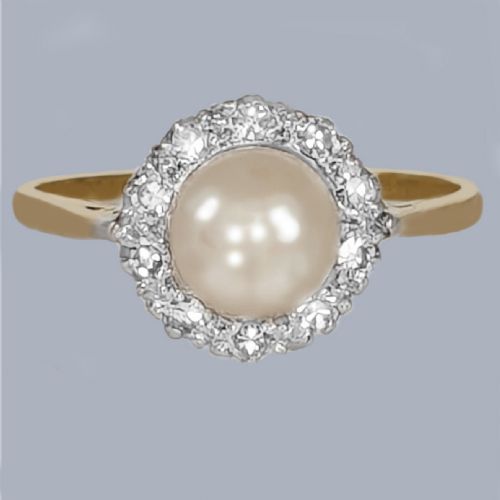
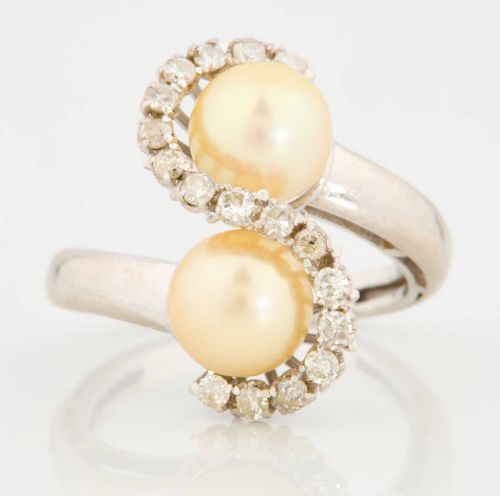
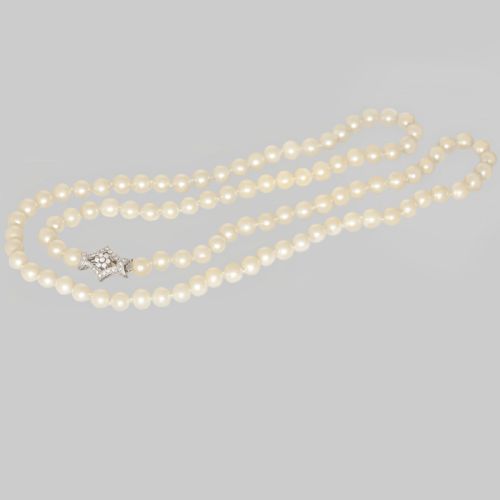
Necklaces frequently feature clasps set in 18ct white gold with diamonds, sapphires, or rubies, securing single or multiple strands of pearls. Rings and earrings from the mid-century period pair white gold settings with pearl and diamond clusters or swirl motifs.
How they were made
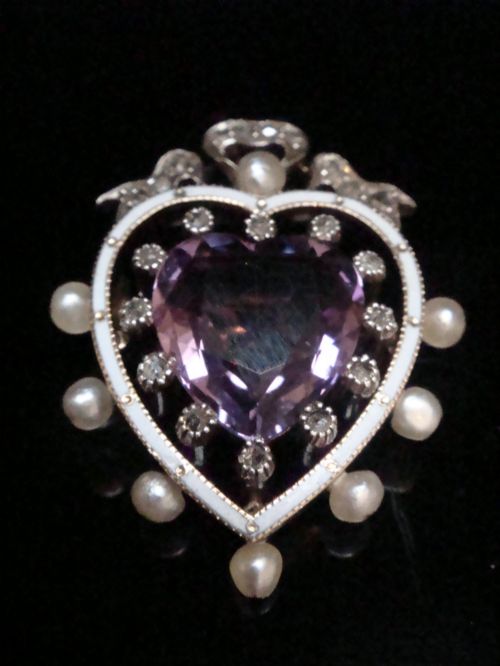
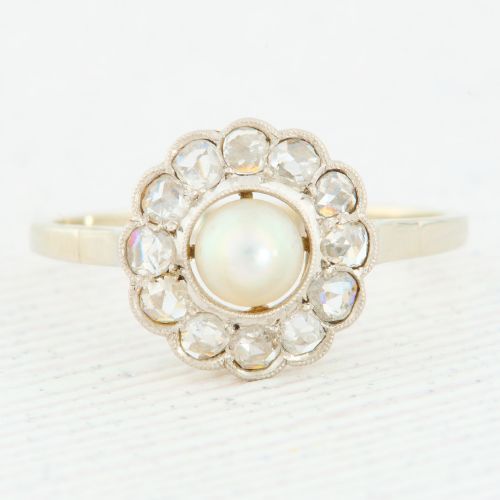
Jewellers utilised 18ct white gold and platinum to mount diamonds and coloured stones, creating contrasting metalwork against the organic lustre of pearls. Clasps and ring mounts demonstrate precision setting techniques, incorporating old-cut diamonds and guilloche enamel.
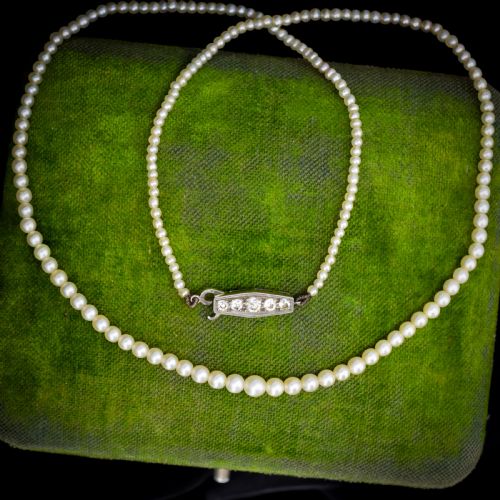
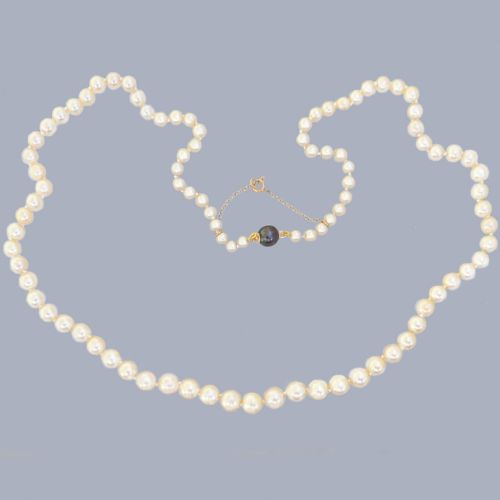
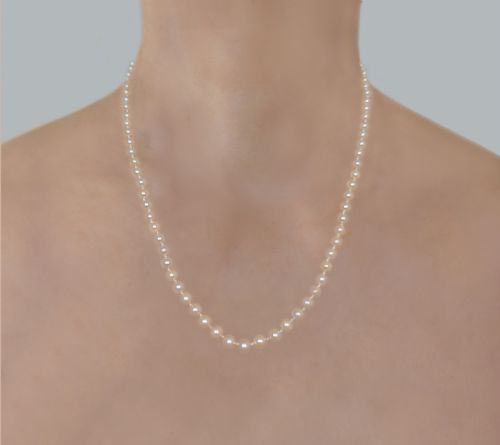
Necklace construction involved stringing graduated or uniform pearls, often finished with secure clasp mechanisms in white gold. Earrings and rings utilised claw or cluster settings to hold central pearls alongside accent diamonds.
Listings span from the Edwardian period through the 1920s, 1930s, 1950s, and 1960s, incorporating diamonds, sapphires, amethysts, and platinum alongside 18ct white gold.
What varies in quality
The standard of materials and the complexity of the accompanying gemstone work distinguish examples across the range. Pieces featuring certified natural saltwater pearls or substantial diamond cluster surrounds represent higher tiers of craftsmanship.
The cohesion of design between the pearl strands and the metal clasp indicates the level of original thought invested in the piece. Well-matched pearl gradations and detailed goldwork elevate the overall execution.
The 18ct White Gold Pearls Glossary
- Cultured pearl
- A pearl formed with human intervention by inserting a nucleus into an oyster, resulting in cultivated layers of nacre.
- Natural pearl
- A pearl formed organically within an oyster without human assistance, highly valued for its natural origin.
- Old-cut diamond
- A diamond cut with facets characteristic of earlier periods, producing a softer light reflection than modern brilliant cuts.
- Guilloche enamel
- Decorative enamel applied over engine-turned metal engraving, creating geometric patterns beneath a translucent coloured surface.
- Saltwater pearl
- Pearls grown in marine pearl oysters, typically exhibiting high lustre and distinct orient.
18ct White Gold Pearls: Frequently Asked Questions
How do I care for 18ct white gold pearl jewellery?
Pearls require gentle cleaning with a soft cloth after wearing to remove oils and cosmetics, avoiding harsh chemical dips that damage the nacre.
Store necklaces flat to prevent stretching the silk thread, and keep them separate from harder gemstones that might scratch the surface.
What is the difference between cultured and natural pearls?
Natural pearls form entirely without human intervention in marine or freshwater environments, whereas cultured pearls begin with a nucleus inserted by technicians.
Both types appear across various periods in these listings, with natural saltwater specimens often verified through laboratory certification.
How can I tell an Edwardian piece from a 1950s piece?
Edwardian designs frequently incorporate platinum-topped gold, intricate filigree work, and delicate motifs like garlands or hearts.
Mid-century 1950s and 1960s items tend to feature bolder cluster rings, swirl patterns, and heavier use of 18ct white gold settings.
Are pearl necklaces usually restrung?
Older pearl necklaces often benefit from professional restrangling to ensure the silk thread remains secure between each knot.
Several listed items note recent restringing, which protects the pearls from rubbing against one another and prevents sudden breakage.