


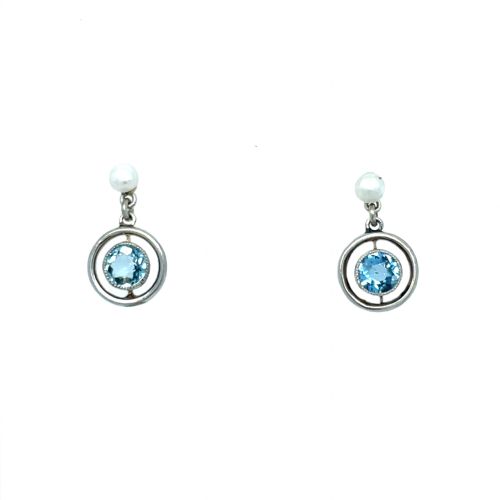


18ct Gold Studs
Selecting 18ct gold studs brings you into a varied collection of historical ear ornaments crafted from high-karat precious metal.
18ct Gold Studs
Buyers exploring 18ct gold studs encounter a diverse selection of small, ear-fitting ornaments designed to sit close to the lobe, alongside closely related shirt studs and small drop configurations. The items span multiple eras, including Victorian, Edwardian, Art Deco, and Mid-Century periods, reflecting shifting aesthetic preferences across decades.
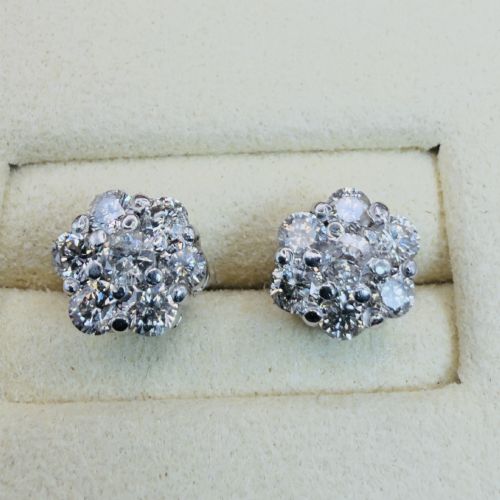
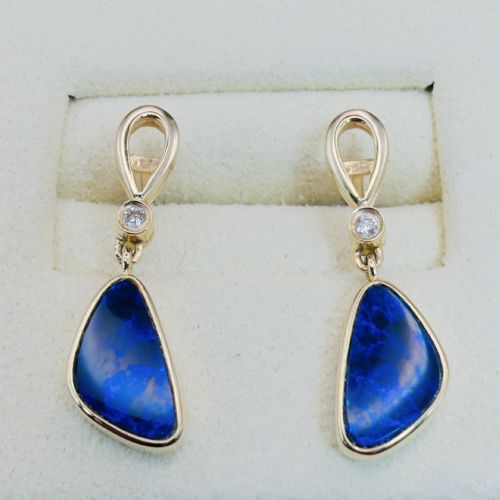
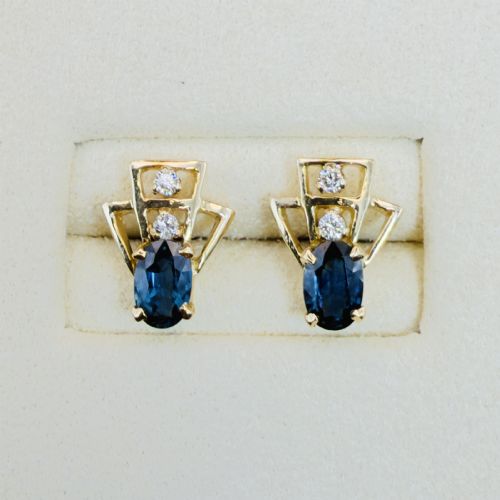
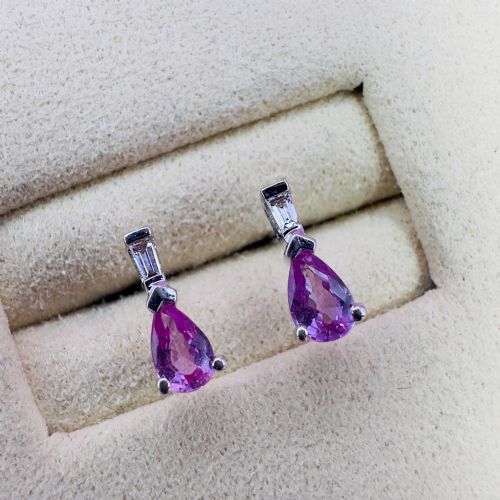
The assortment on this page relies heavily on screw backs, omega backs, clip-ons, and traditional posts, alongside cluster and solitaire formats. Gemstones feature prominently in these forms, incorporating diamonds, sapphires, emeralds, pearls, and aquamarines set within yellow, white, or rose 18ct gold.
Originating from British, French, and Austrian workshops, these pieces demonstrate both everyday ornamentation and high-status design. The selection ranges from floral daisy motifs and geometric Art Deco shapes to organic leaf forms and bold mid-century geometry.
How They Were Made
Construction relies primarily on 18ct yellow and white gold, often paired with platinum to secure delicate diamond settings or provide contrasting structural strength. Goldsmiths utilised traditional hand-fabrication, casting, and claw-setting techniques to mount brilliant-cut, old-cut, and rose-cut diamonds alongside coloured gemstones.
Complex designs incorporate millegrain edges, pierced gallery work, and enamel detailing, requiring precise hand-tooling by period artisans. Fastening mechanisms such as screw backs and hinged omega clips demonstrate the mechanical ingenuity applied to secure these compact items during wear.
Some Victorian gentlemen required four matching gold studs just to secure a single formal shirt.
What Varies in Quality
The standard of an item depends on the precision of the stone setting, the weight and durability of the 18ct gold or platinum chassis, and the preservation of original mechanical components like screw threads or clips. Superior examples display balanced gemstone proportions, matched stone colour, and clean metalwork without excessive thinning.
Artisanal execution distinguishes standard production from exceptional pieces, particularly where hand-cut diamonds or intricate motifs such as leaves and geometric clusters are involved. The inclusion of maker signatures, original boxes, or documented European origins elevates the historical interest of the object.
Andrew Grima·Ilias Lalaounis
The 18ct Gold Studs Glossary
- 18ct Gold
- An alloy containing 75 percent pure gold mixed with other metals to provide durability for jewellery manufacture.
- Cluster
- A gemstone setting arrangement featuring a central stone surrounded by a border of smaller stones, frequently diamonds.
- Millegrain
- A decorative technique involving a line of small, bead-like metal reliefs bordering the edge of a setting.
- Old Cut
- A historic diamond cutting style preceding modern brilliant cuts, characterised by a smaller table, higher crown, and open culet.
- Omega Back
- A hinged clasp mechanism shaped like the Greek letter omega, used to secure clip-on or post earrings comfortably.
18ct Gold Studs: Frequently Asked Questions
How do I care for vintage 18ct gold studs?
Clean these items gently using warm soapy water and a soft brush, avoiding harsh chemical dips that might harm softer gems like pearls or opals.
Store them individually in lined boxes to prevent stone scratching and metal abrasion during transport.
Are these earrings suitable for daily wear?
The use of 18ct gold provides a durable alloy for regular use, though older settings require periodic inspection by a professional jeweller to ensure stones remain secure.
Consider the fastening type, such as screw backs or omega clips, to match your preferred security level for everyday movement.
What is the difference between shirt studs and ear studs?
Shirt studs historically functioned as removable decorative fasteners for stiff men's formal collars and cuffs, possessing specialised posts rather than standard earring backs.
Ear studs are engineered specifically for piercing lobes, though collectors occasionally repurpose smaller antique shirt fasteners for modern ear wear.
How can I identify the period of my earrings?
Examine the gemstone cuts, mounting styles, and metal combinations, such as the platinum-topped gold typical of Edwardian and Art Deco work.
Maker marks, registration numbers, and distinct fabrication techniques like hand-cut millegrain offer further clues regarding the era of production.