




18ct Gold Star Ring
An 18ct gold star ring brings together celestial motifs and fine gemstones across Victorian, Edwardian, and later periods.
18ct Gold Star Ring
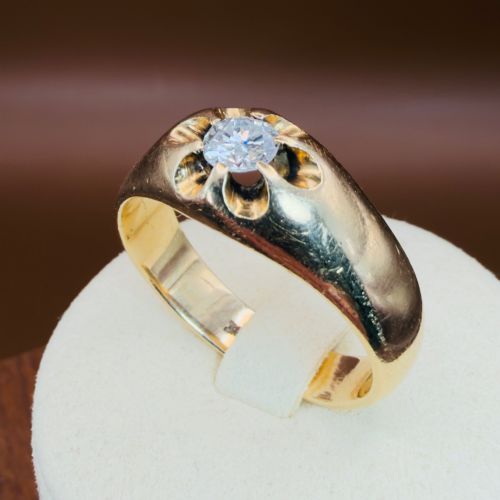
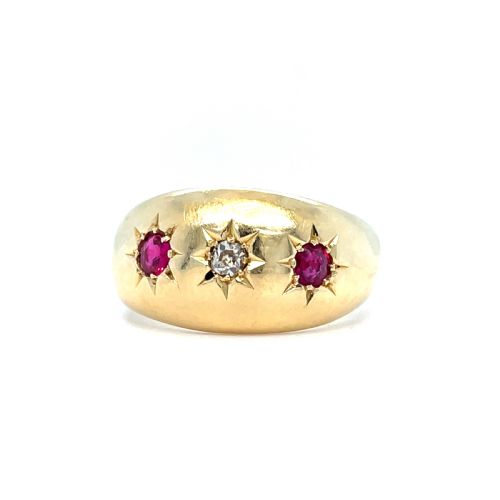
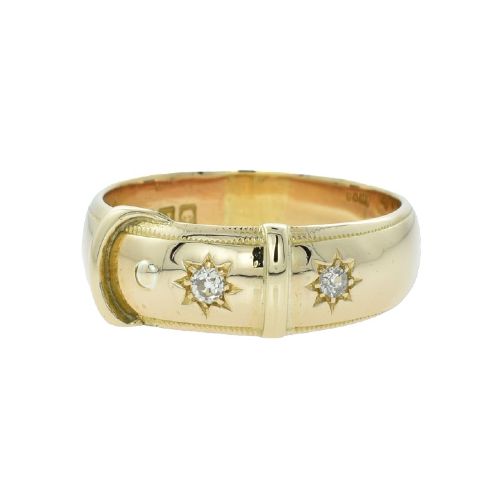
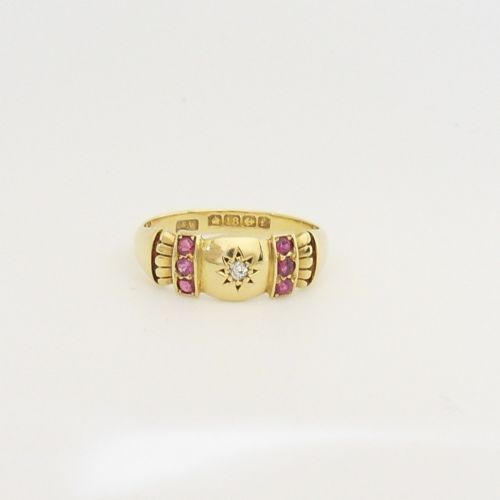
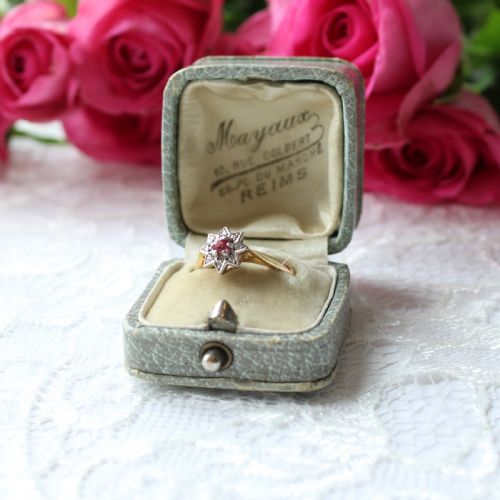
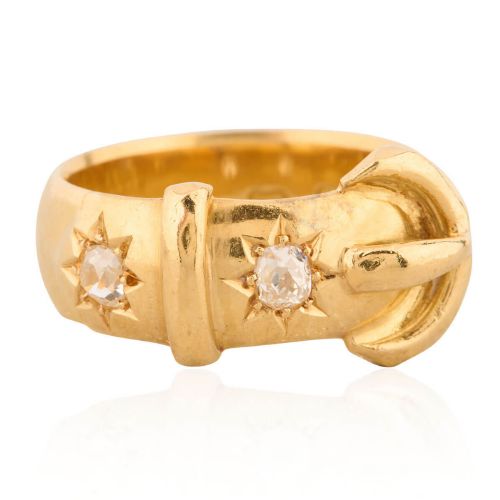
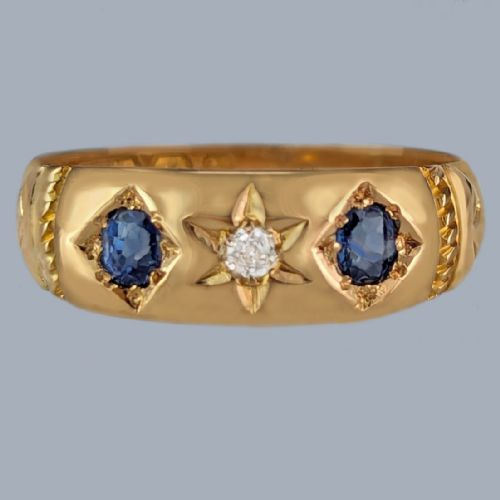
An 18ct gold star ring spans historic periods from the Victorian and Edwardian eras through to the mid-twentieth century, featuring celestial motifs rendered in precious metal and gemstones. These pieces often take the form of gypsy settings, buckle designs, or clusters where diamonds, rubies, and sapphires are flush-set or framed by engraved starbursts.
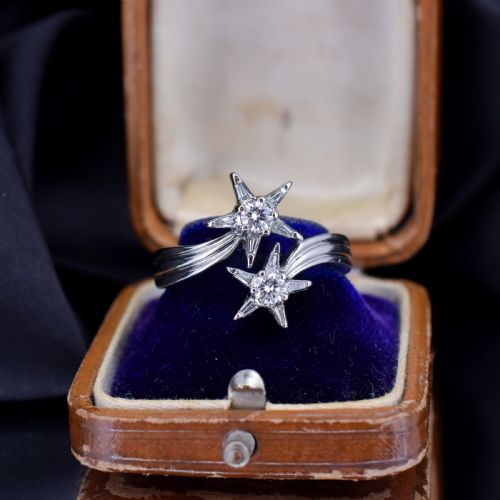
Victorian and Edwardian examples frequently utilise yellow gold combined with old-cut diamonds and rich coloured stones such as rubies and sapphires. Later mid-century variations incorporate white gold or platinum settings alongside star sapphires and structured geometric layouts typical of Art Deco aesthetics.
Buyers exploring this selection encounter diverse expressions of the celestial theme, ranging from minimalist single-stone bands to elaborate multi-stone arrangements. The enduring appeal of these jewels lies in their combination of symbolic star engravings and durable 18ct gold foundations.
How they were made
Goldsmiths constructed these rings primarily using 18ct yellow or white gold, shaping the metal to accommodate gypsy settings and secure starburst engravings. Old-cut diamonds, rubies, sapphires, and pearls were hand-set into the heavy gold bands, often flush with the surface or elevated within claw and platinum clusters.
The integration of star motifs relied on precise hand-chasing and engraving directly into the metal surrounding the stones to create faceted ray patterns. Hallmarks stamped inside the bands record regional British assay offices and dates, marking the craftsmanship of nineteenth and twentieth-century workshops.
Celestial enthusiasm reached far beyond the night sky, capturing hearts in solid gold long before anyone planned a trip to the moon.
What varies in quality
The distinction between tiers rests upon the crispness of the hand-engraved starbursts and the integrity of the 18ct gold band. Finer examples retain sharp, deep ray incisions around the gems, whereas heavier wear softens these geometric details over decades of use.
Stone selection also dictates overall distinction, with well-matched old-cut diamonds, natural star sapphires, and vibrant rubies elevating the piece. The thickness of the original gold shank and the clarity of legible hallmarks further separate standard production from superior craftsmanship.
S Blanckensee & Son Ltd
The 18ct Gold Star Ring Glossary
- Gypsy ring
- A style where the gemstones are flush-set directly into the thick metal band, tapering smoothly toward the finger. This secure mounting was especially popular during the Victorian and Edwardian periods.
- Star set
- A technique where small star-shaped facets are hand-engraved around a flush-mounted diamond or gemstone to catch the light. The rays radiate outward from the central stone.
- Old cut
- A hand-faceted diamond cut predating modern brilliant standards, featuring a smaller table, higher crown, and open culet. These stones display a distinctive warm, chunky sparkle under candlelight.
- Buckle ring
- A design shaped to resemble a buckled belt, often laden with symbolic meaning regarding loyalty and attachment in nineteenth-century jewellery. They appear frequently in yellow gold with star motifs.
- Trilogy ring
- A mounting comprising three principal gemstones arranged in a row, representing past, present, and future. In these listings, they often incorporate rubies, sapphires, and old-cut diamonds.
18ct Gold Star Ring: Frequently Asked Questions
How do I date an 18ct gold star ring?
Dating relies heavily on British hallmarks stamped inside the shank, which indicate specific assay offices and year letters. Stylistic clues such as gypsy settings and old-cut diamonds point toward Victorian or Edwardian origins.
Later mid-century pieces often introduce white gold and different stone cuts like star sapphires. Comparing the engraving style and band weight helps confirm the era of manufacture.
Are star sapphires common in these rings?
Star sapphires appear in both Victorian and mid-century examples, prized for their natural optical phenomenon known as asterism. A distinct six-rayed star glides across the polished dome of the cabochon stone when moved under direct light.
These stones are frequently paired with diamonds in cluster or dress ring configurations. They highlight the period fascination with celestial and optical phenomena.
How durable is 18ct gold for daily wear?
Eighteen-carat gold contains a high proportion of pure gold alloyed with other metals to provide a balance of rich colour and strength. Rings from the Victorian and Edwardian eras often feature substantial shank weights that endure daily use well.
Care should be taken with flush-set and engraved details over generations to preserve the crispness of the star motifs. Regular checks by a jeweller help maintain the security of the claw and gypsy settings.