
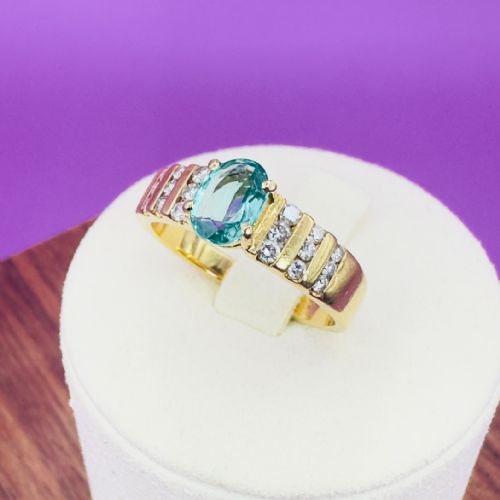


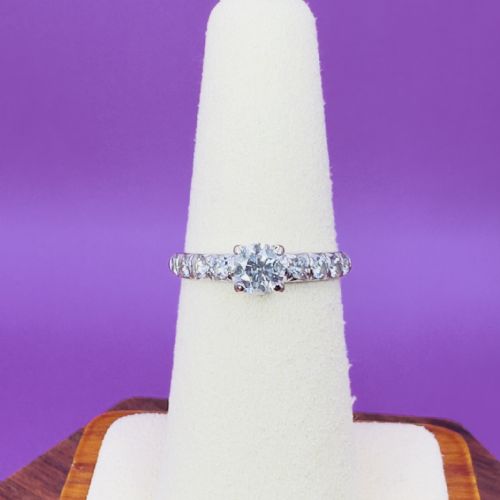
18ct Gold Solitaire
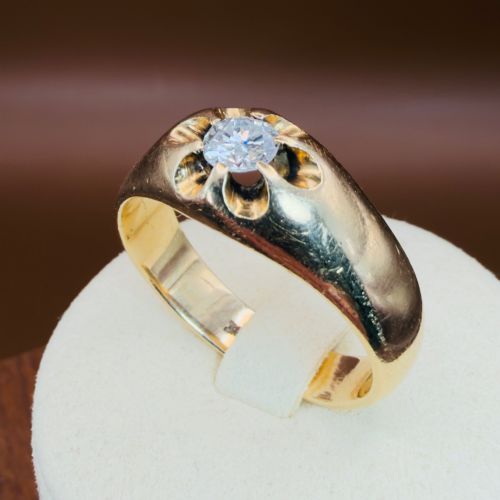
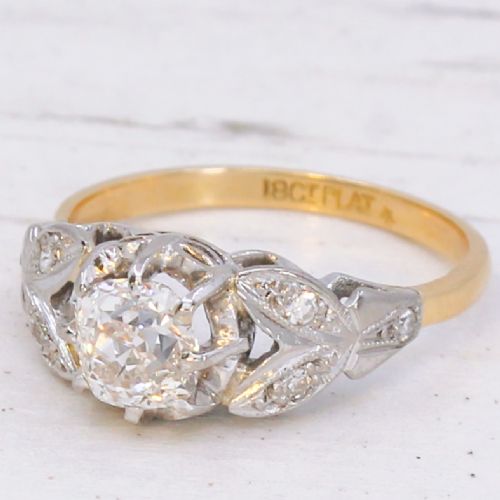
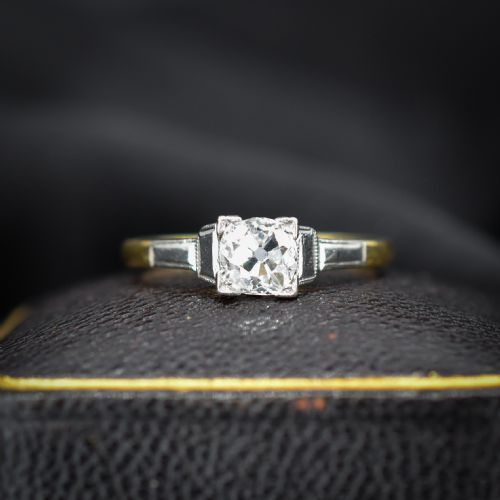
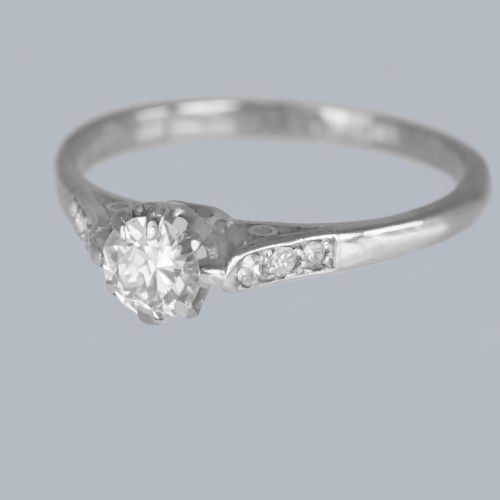
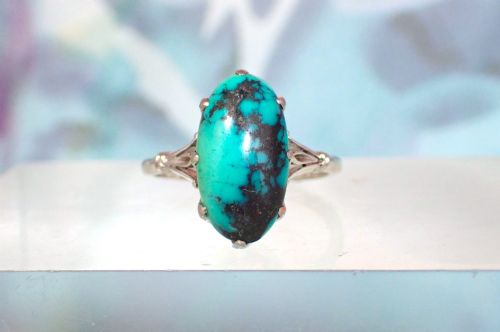
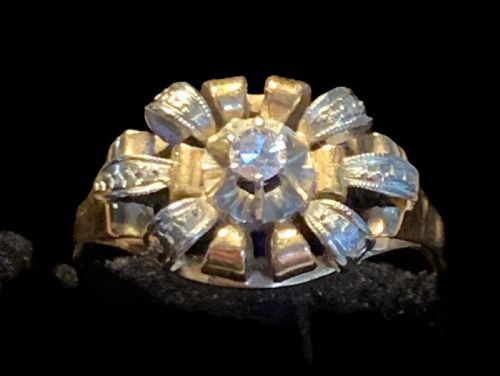
An 18ct gold solitaire centres a single gemstone, most commonly a diamond, within gold settings spanning Victorian, Edwardian, Art Deco and mid-century periods.
18ct Gold Solitaire
An 18ct gold solitaire focuses attention upon one primary stone, appearing primarily as engagement rings alongside pendants and earrings.
The selection ranges from Victorian and Edwardian examples to Art Deco pieces and later 1950s and 1960s designs.
Yellow gold, white gold and platinum combinations dominate the surviving forms recorded across the archive and current listings.
How They Were Made
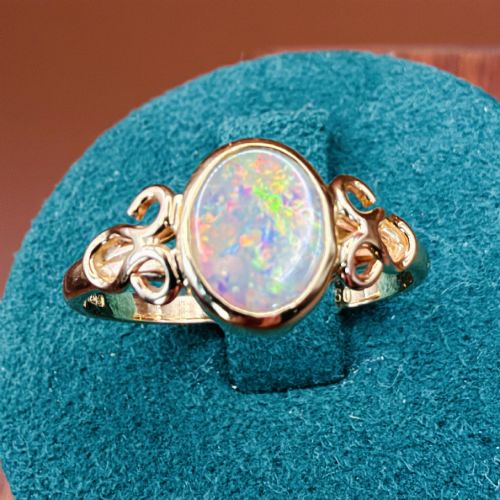
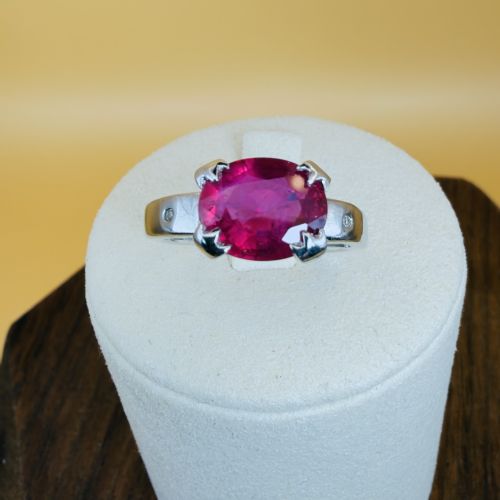
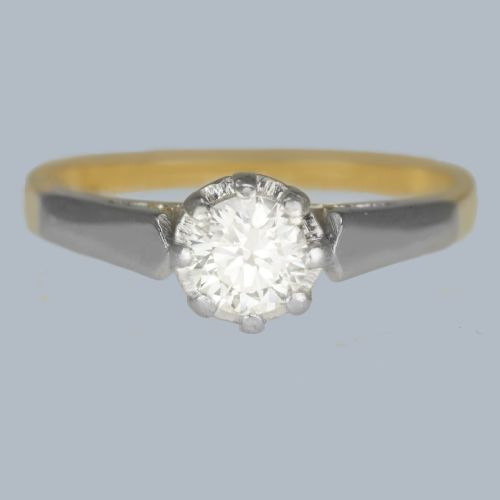
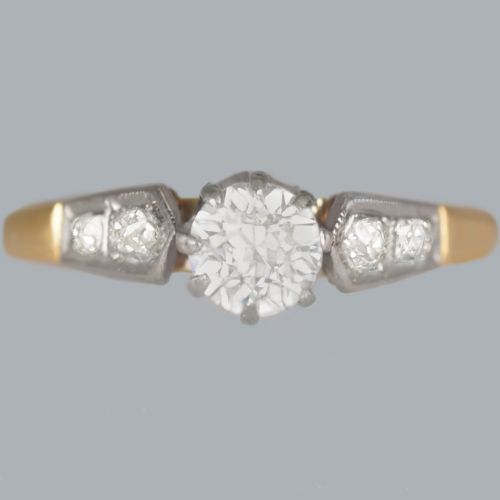
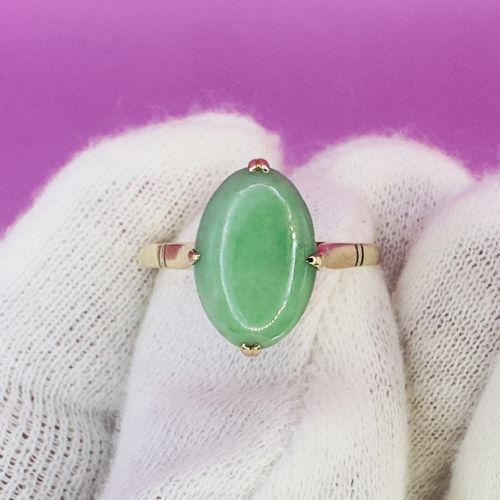
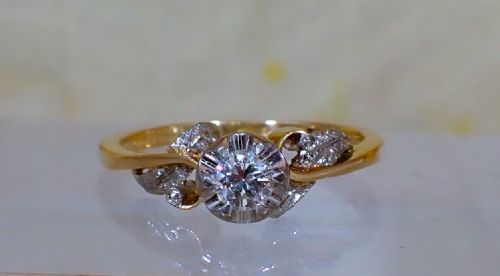
Goldsmiths combined 18ct yellow or white gold with platinum claw, bezel and illusion settings to secure diamonds, opals, sapphires and other gemstones.
Cut styles evolved from old European and old cushion cuts in earlier decades to brilliant cuts in mid-century examples.
The inventory combines 18ct yellow gold, 18ct white gold, 18ct rose gold and platinum across rings, pendants and earrings.
What Varies in Quality
Construction relies upon the precision of the metalwork, where platinum heads on 18ct gold shanks show particular durability and refinement.
Stone selection dictates overall character, distinguishing early hand-cut diamonds and natural opals or sapphires from later uniform brilliant cuts.
Georg Jensen
The 18ct Gold Solitaire Glossary
- Solitaire
- A piece of jewellery featuring a single set gemstone without surrounding secondary stones.
- Old cut
- A hand-faceted diamond cut predating modern brilliant standards, typically showing smaller tables and open culets.
- Bezel set
- A mounting technique where a thin collar of metal folds securely around the edge of the gemstone.
- Illusion set
- A setting style designed to make the central stone appear larger by surrounding it with a faceted plate.
- Claw set
- A method utilising individual metal prongs to hold a stone aloft and allow maximum light passage.
18ct Gold Solitaire: Frequently Asked Questions
How do I date these rings?
Dating relies upon examining the cut of the stone, the mounting style and the combination of metals used. Old European cuts and platinum-topped gold point towards Victorian and Edwardian periods.
Later mid-century pieces utilise white or yellow gold with standard brilliant-cut stones and distinct geometric or fluid profiles.
Can I wear a solitaire daily?
An 18ct gold mounting provides a durable foundation for everyday wear when matched with robust settings like bezels or sturdy claws. Proper care ensures the metal and stone remain secure over decades of use.
Checking the security of the setting periodically protects the primary gem from accidental impact.
Why mix platinum with gold?
Makers paired platinum heads with 18ct gold shanks during the Edwardian and Art Deco periods to provide a secure, white metal setting for diamonds while retaining a warm gold band.
This technique enhanced the perceived whiteness of old-cut stones without altering the structural warmth of the ring.