


18ct Gold Diamond Studs
These 18ct gold diamond studs combine precious metal with brilliant gems, offering timeless elegance for everyday wear.
18ct Gold Diamond Studs
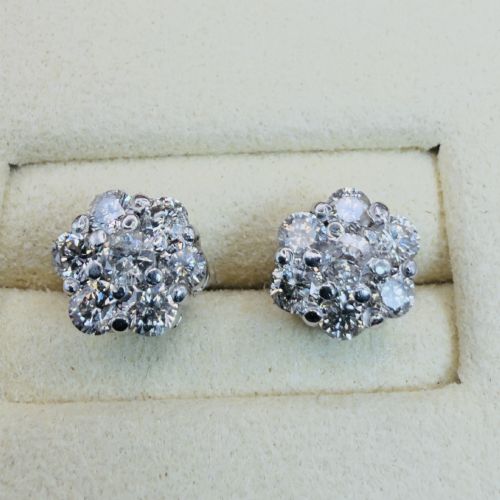
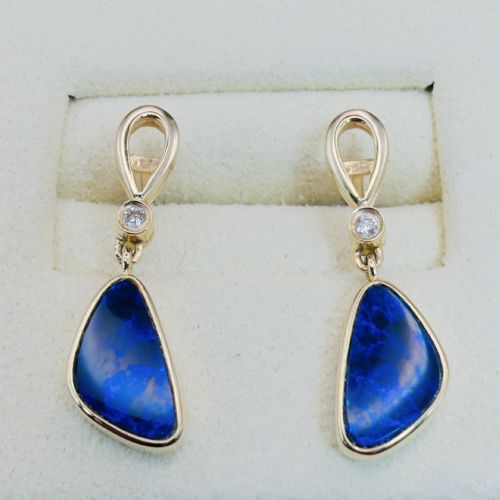
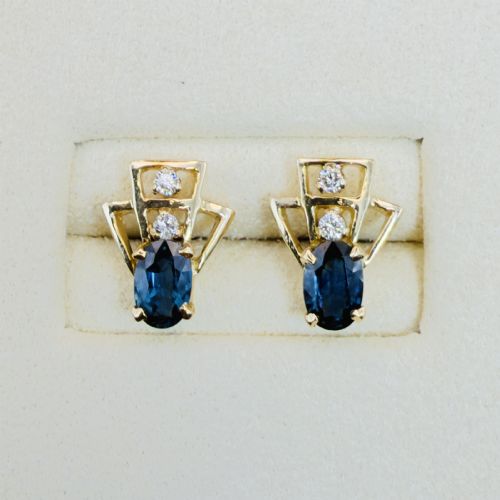
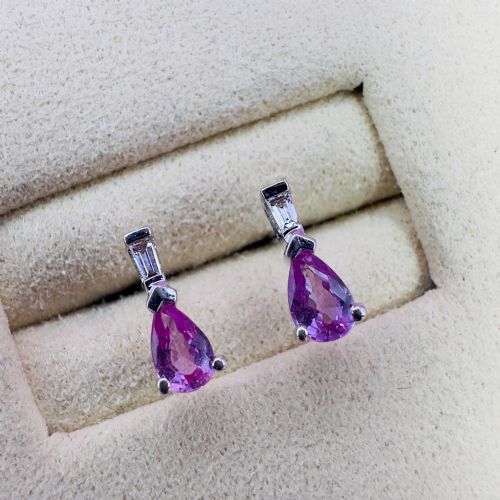
Buyers seeking 18ct gold diamond studs encounter a diverse selection of earrings spanning the Victorian, Edwardian, Art Deco, and mid-century periods. These items primarily consist of clustered or solitaire configurations designed to sit close to the earlobe.
Origins range from British workshops to continental European makers, showcasing styles from floral motifs to geometric Art Deco shapes. The forms span simple screw-back fasteners to clip-on and traditional post fittings.
How they were made
Goldsmiths utilised 18ct yellow, white, and occasionally yellow gold combined with platinum settings to secure the stones. This mixture of metals provided both the warm tone of gold and the bright, durable security of platinum for intricate claw work.
Gemstones were cut by hand, yielding old cut, rose cut, brilliant cut, and various geometric shapes like pear and oval cuts. Stones were then meticulously set into cluster arrangements, often forming floral daisy patterns or geometric plate designs.
What varies in quality
Quality in these earrings depends on the precision of the stone setting and the harmony of the overall design. Master goldsmiths achieved delicate, balanced proportions where the metalwork enhances rather than overpowers the brilliance of the diamonds and coloured gems.
The calibre of the individual diamonds and central gemstones dictates the upper tier of the range. Exceptional clarity, matched colour batches, and historical cuts executed by skilled hands separate ordinary production from superior examples.
Ilias Lalaounis
The 18ct Gold Diamond Studs Glossary
- Cluster
- A central gemstone surrounded by a ring of smaller stones, frequently diamonds arranged in a floral or geometric pattern.
- Old Cut
- A historic diamond cutting style characterised by a high crown, small table, and deep pavilion, designed to catch candlelight.
- Rose Cut
- An antique stone cut featuring a flat base and a domed, faceted top resembling an unopened rose bud.
- Screw Back
- A threaded earring post paired with a matching nut that screws down to secure the piece safely on the earlobe.
- Platinum
- A dense, durable white metal often utilised during the Edwardian and Art Deco periods to hold delicate stone settings securely.
18ct Gold Diamond Studs: Frequently Asked Questions
How do I wear vintage studs?
These earrings fit easily into modern wardrobes, offering subtle sparkle for daytime wear or evening events. Their compact size makes them comfortable for continuous daily use.
Pair them with simple clothing to let the historical goldwork and diamond facets stand out without competition.
How are screw backs used?
Screw backs feature a threaded post that requires you to twist the backing nut firmly into place. This mechanism provides extra security compared to standard friction butterfly backs.
Take care not to over-tighten the screw, ensuring the threaded post remains undamaged over years of regular wear.
What periods do these come from?
The pieces span from the 19th century through Victorian, Edwardian, and Art Deco eras up to the mid-century modern period. Each era brings distinct metalwork techniques and stone-cutting styles.
Art Deco examples favour geometric symmetry, while Victorian and Edwardian pieces often lean towards floral and romantic cluster arrangements.
Are coloured gemstones common?
Many studs combine diamonds with sapphires, emeralds, rubies, aquamarines, or pearls. These coloured stones create high-contrast borders around central diamonds or form the main focus themselves.
Such combinations reflect the dominant jewellery design trends of the early twentieth and mid-century decades.