




18ct Gold Dangle Earrings
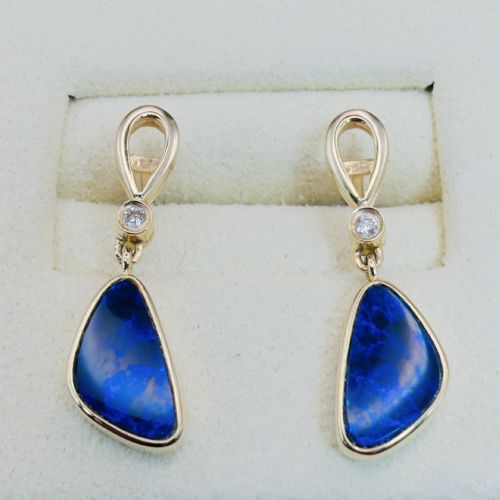
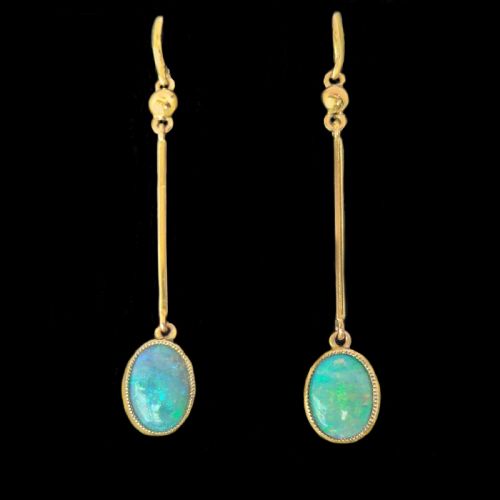
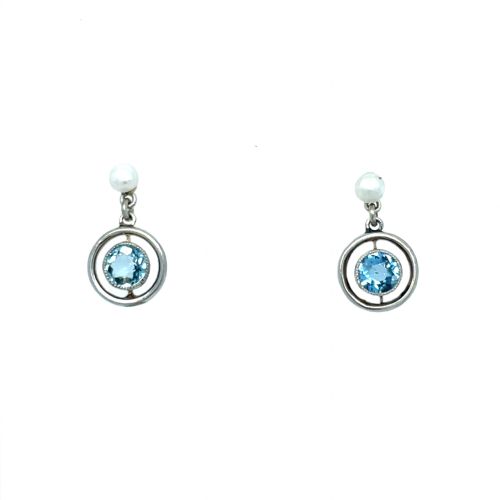
These 18ct gold dangle earrings combine precious metal with swinging stones to catch the light with every turn of the head.
18ct Gold Dangle Earrings
When searching for 18ct gold dangle earrings, buyers encounter drop and pendant designs spanning the Victorian, Edwardian, Art Deco, and mid-century periods. These pieces suspend gems or ornaments below the earlobe, creating motion and drawing the eye downward.
The selections on this page feature frameworks of yellow gold, white gold, and platinum holding varied stones from diamonds and pearls to rubies, emeralds, sapphires, amethysts, jade, and opals. Formats range from simple solitary drops to complex multi-gem chandeliers and articulated geometric arrangements.
Edwardian examples frequently showcase delicate white gold or platinum-topped yellow gold set with old-cut diamonds and pearls, while Art Deco pieces favour strong geometric lines and calibrated stones. Later mid-century designs introduce carved materials, colourful turquoise or coral, and bolder abstract configurations.
How they were made
Goldsmiths constructed these mounts predominantly in 18ct yellow or white gold, often combining platinum with gold during the Edwardian and Art Deco eras to provide secure, fine settings for delicate stone arrangements. Metalwork techniques involved hand fabrication, casting, and intricate wirework or gallery settings designed to maximise light entry.
Gemstones were shaped by hand, resulting in antique cuts such as old European, rose, and transitional cuts for diamonds rather than modern brilliant faceting. Stones were secured using collet settings, grain settings, or bezel mounts, occasionally supplemented by micro-mosaic work, carved cameos, or fine millegrain borders along the edges of the metal.
What varies in quality
The standard of execution depends heavily on the precision of the metalwork and the integration of the suspended elements. Superior examples display harmonious proportions where the drop weight balances comfortably against the ear fitting, with articulated joints that move smoothly without catching.
Stone selection dictates the upper tier of the range, marked by matched sets of gems with strong natural colour, good clarity, and historically appropriate cutting styles. Finer specimens retain original French or regional control marks and show minimal evidence of later alterations to the hooks, drops, or settings.
The 18ct Gold Dangle Earrings Glossary
- Old cut
- A diamond facet style hand-cut before the standardisation of the modern brilliant cut in the early twentieth century. These stones typically feature smaller tables, higher crowns, and open culets that produce a softer, candlelit sparkle.
- Millegrain
- A decorative technique involving a row of tiny raised metal beads along the edges of a setting. This border softens the transition between the metal and the gemstone, typical of Edwardian jewellery.
- Articulated drop
- A design incorporating hinged or linked joints between sections of the earring. This construction allows the lower portion to swing freely independently of the upper stud or wire.
- Transition cut
- A diamond cutting style used roughly between the old European cut and the modern brilliant cut. These stones bridge the optical properties of hand-cut antique gems and machine-precise modern stones.
- Rose cut
- An antique stone shape featuring a flat base and a domed crown covered in triangular facets resembling an unopened rosebud. Such stones rely on foil backings or reflective open settings to catch ambient light.
18ct Gold Dangle Earrings: Frequently Asked Questions
How do I care for antique drop earrings?
Store these pieces individually in soft pouches to prevent delicate stones like pearls, opals, or jade from scratching against harder gems like diamonds. Avoid ultrasonic cleaners, particularly for glued pearls or porous materials, and wipe them gently with a dry cloth after wear.
Check the security of the hooks and articulated joints periodically, especially on older screw-back or wire fittings. Professional inspection by a specialist jeweller ensures the prongs and connections remain secure over time.
Were these earrings converted from other jewellery?
Many antique drops were originally components of longer pendants, jabot pins, or dismantled necklaces adapted into earrings during their history. Such adaptations are standard practice in antique jewellery provided the metal standards match.
Examining the reverse of the setting and the attachment loop reveals whether the suspension mechanism is original to the piece or a later addition. Expert dealers note these alterations when describing the construction.
How can I tell an Edwardian piece from Art Deco?
Edwardian designs rely on platinum and white gold worked into lace-like garlands, bows, and floral motifs using old-cut diamonds and pearls. The overall aesthetic leans toward romantic lightness and intricate wirework.
Art Deco jewellery shifts sharply toward rigid symmetry, geometric shapes, and strong contrasts using calibre-cut rubies, emeralds, sapphires, or black onyx alongside bright diamonds. The transitions reflect the broader artistic movements of their respective decades.
Are these earrings suitable for daily wear?
While 18ct gold provides a durable alloy for regular use, antique and vintage pieces require more mindful handling than modern factory-made jewellery. Softer organic materials such as pearls and coral demand protection from perfumes, cosmetics, and hard impacts.
Reserve delicate chandelier designs or precious stone drops for occasional outings rather than rigorous daily activities. Proper storage and gentle treatment preserve the structural integrity of historical settings.