


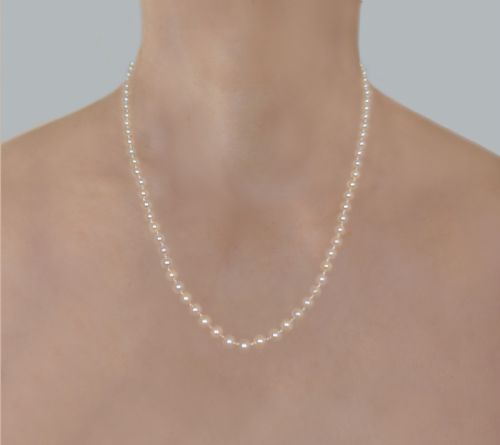


18ct Gold Clasp
An 18ct gold clasp secures a fine necklace or chain, bringing together precious metal, gemstones, and pearls in pieces designed to be seen rather than hidden.
18ct Gold Clasp
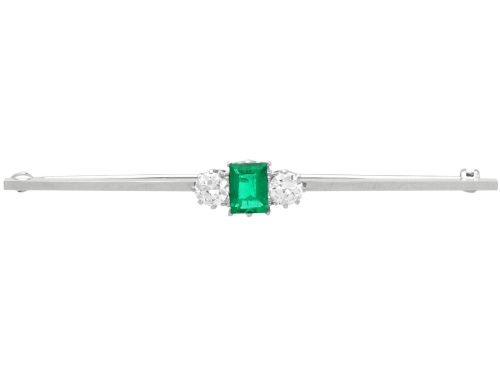
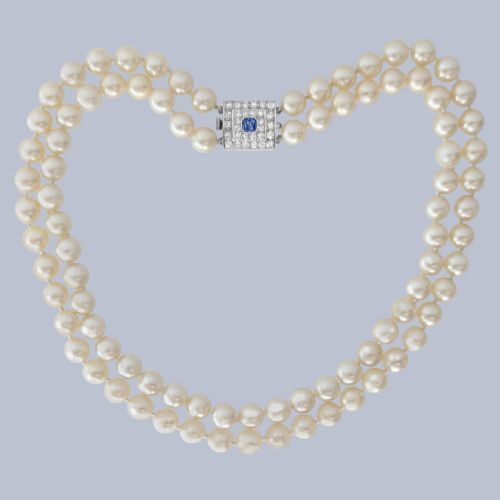
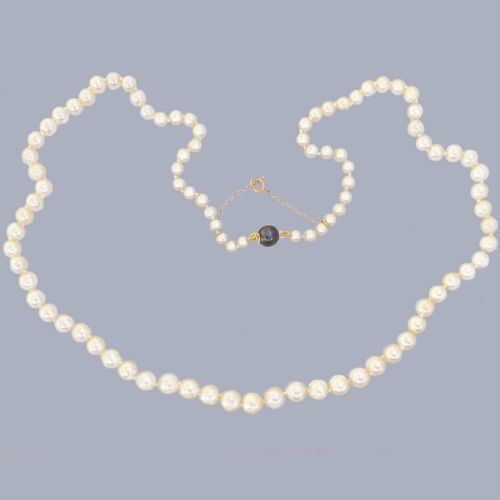
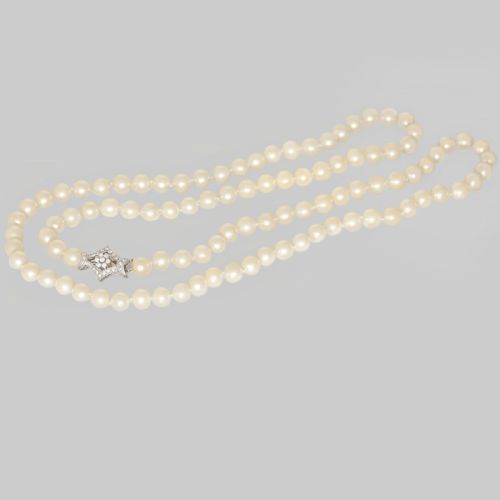
When you search for an 18ct gold clasp, you encounter fastenings that double as decorative centrepieces on necklaces, watch chains, and pearl strands. These components range from functional geometric elements on Art Deco pieces to ornate jewelled settings on multi-strand pearl necklaces.
The pieces appearing on this page span the Georgian, Victorian, Edwardian, and mid-century periods, alongside French antique designs. You are most likely to meet pearls paired with white or yellow gold clasps set with diamonds, sapphires, or rubies.
Many items function as connectors or dog clips on long guard chains and trombone watch chains, demonstrating that these fastenings were engineered to hold substantial weight while remaining decorative.
Materials and Construction
The construction relies on 18ct yellow, white, and rose gold, often combined with platinum to secure white diamonds and pearls safely. Metalsmiths utilised casting, hand-faceting, and articulation to build hinges, spring rings, and box clasps that withstand daily wear.
Gemstones including sapphires, emeralds, garnets, turquoise, and diamonds are flush-set, bezel-set, or claw-set directly into the gold framework of the clasp. Cultured and certified pearls are strung through or attached directly to these metallic centrepieces using durable silk or wire.
18ct Gold Clasp Retail Price Guide 2026
Typical asking prices for 18ct gold clasp among the pieces listed under this phrase on Sellingantiques today, from the lower quarter to the upper quarter. They describe what is for sale here now, not the wider market.
Listings feature 18ct gold clasps across the nineteenth century, Edwardian era, Art Deco period, and mid-century modern fine jewellery.
Distinctions in Quality
Quality rests upon the harmony between the fastening mechanism and the stones or metalwork surrounding it. Superior examples feature crisp, hand-cut facets on links and securely tensioned spring mechanisms that close with a distinct click.
The integration of precious stones elevates a functional clasp into a focal ornament. A well-executed piece balances the weight of the necklace strand so that the clasp rests evenly at the collarbone or nape without drooping.
The 18ct Gold Clasp Glossary
- Dog clip
- A spring-loaded fastener commonly found on watch chains and longuard chains, allowing pendants or charms to be attached securely. This mechanism uses a thumb lever to open a retractable gate.
- Box clasp
- A secure fastening where a tapered metal tongue slides into a decorated box enclosure, often released by pressing a small side lever. It is frequently hidden within the design of pearl necklaces.
- Spring ring
- A circular hollow ring fitted with an internal spring and a sliding bolt that retracts to admit a jump ring or chain end. French variations often appear in larger proportions on antique connectors.
- Trombone chain
- A Victorian chain style formed of alternating small round links and elongated rectangular tubular links. These chains often terminate in large dog clips or bolt rings.
- Graduated pearls
- Pearls sorted by size so that the largest sits at the centre front near the clasp, tapering gradually toward the back of the neck.
18ct Gold Clasp: Frequently Asked Questions
How do I secure an antique clasp?
Most clasps utilise a traditional box tongue, safety catch, or spring-loaded gate that requires a firm press to release.
Check that the internal spring holds tension and that the tongue clicks audibly into place before wearing.
Can these clasps be worn at the front?
Many of these clasps are deliberately designed to be displayed as decorative elements on the chest or collarbone rather than hidden at the nape.
Pieces set with diamonds, sapphires, or emeralds were often made to rotate to the front.
What length are these chains usually?
Neck chains and watch chains listed here typically measure between fifteen and eighteen inches, though longuard chains extend further.
Shorter lengths sit closely around the neck, while longer variations accommodate pendants and belt buckles.
How do I identify the period of a clasp?
Stylistic cues such as geometric Art Deco lines, Edwardian openwork, or Victorian yellow gold weight point toward specific eras.
Hallmarks stamped on the gold components and the cut of any accompanying diamonds also clarify the date of manufacture.