



1880s Gold Jewellery
These pieces of 1880s gold jewellery offer the tangible craftsmanship of the Victorian era, prized for their rich alloy tones and intricate gem-set designs.
1880s Gold Jewellery
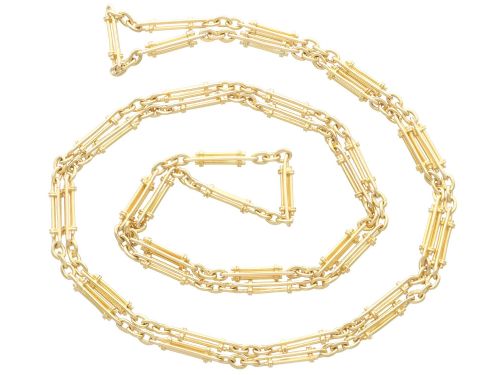
When you search for 1880s gold jewellery, you encounter a diverse array of nineteenth-century adornments shaped by Victorian aesthetic shifts. The selection on this page centres primarily on rings, brooches, necklaces, lockets, and bangles dating from the late nineteenth century.
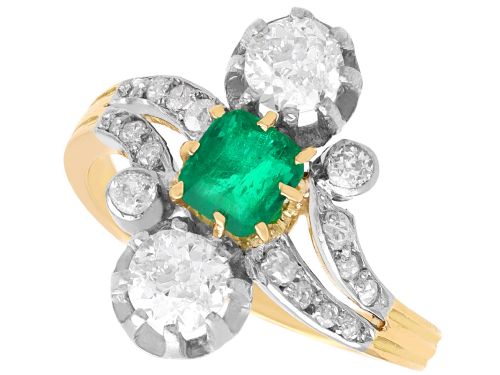
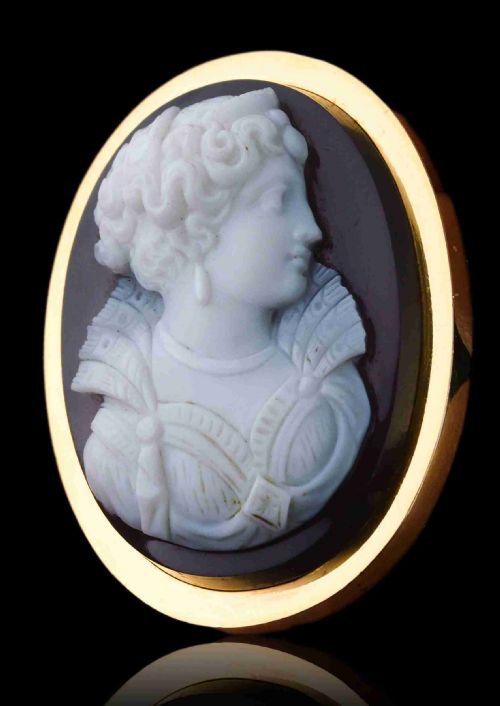
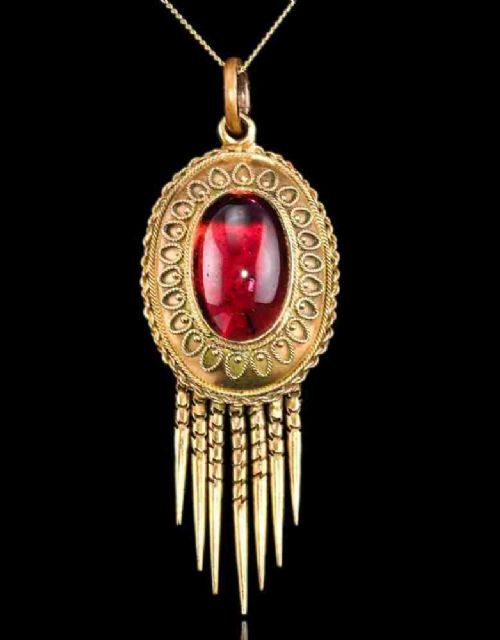
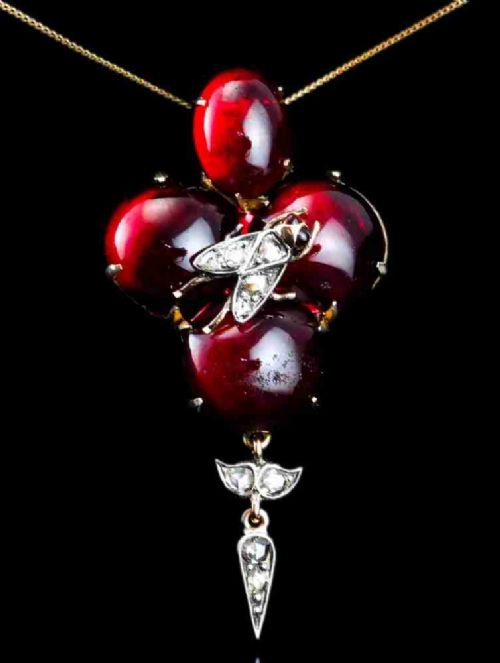
Most items you meet here originate from the Victorian period, frequently aligning with the Etruscan Revival style or incorporating natural motifs like flowers and foliage. Gemstones feature heavily across these forms, pairing diamonds with rubies, emeralds, sapphires, garnets, pearls, opals, and hardstone cameos.
Materials and construction
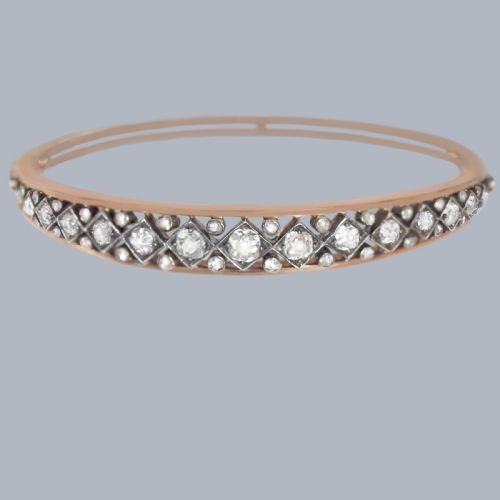
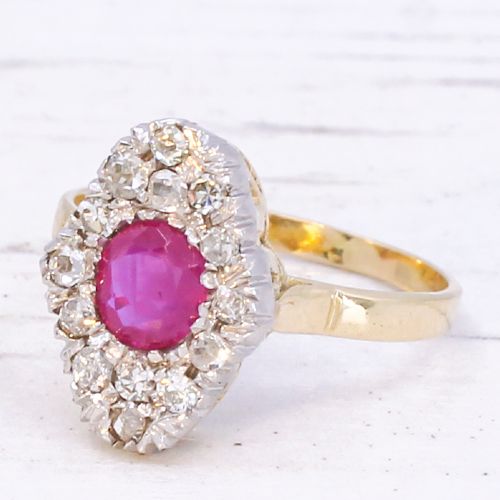
Goldsmiths of this decade utilised varied gold purities, notably 9ct, 14ct, 15ct, 18ct, 21ct, and 22ct gold, spanning yellow, rose, and standard gold hues. Silver was frequently employed alongside gold in cluster settings to provide a contrasting backdrop for old mine cut and rose cut diamonds.
Techniques relied heavily on hand fabrication, granulation, and wirework, particularly evident in Etruscan Revival pieces. Gemstones were secured using traditional collet and prong settings, while hardstone and agate cameos demonstrated meticulous carving skill.
1880s Gold Jewellery Retail Price Guide 2026
Typical asking prices for 1880s gold jewellery among the pieces listed under this phrase on Sellingantiques today, from the lower quarter to the upper quarter. They describe what is for sale here now, not the wider market.
The selection spans Victorian rings, brooches, necklaces, lockets, and bangles.
Markers of distinction
Quality in these pieces is dictated by the fineness of the metalwork and the selection and matching of the gemstones. Superior examples exhibit crisp detail in chased or applied wire decoration, without excess solder or clumsy repairs obscuring the design.
The choice of stones also elevates a piece, distinguishing standard commercial production from exceptional work. Well-matched cabochons, clean diamonds, and natural pearls integrated harmoniously into balanced compositional motifs represent the upper tier of the range.
The 1880s Gold Jewellery Glossary
- Old Mine Cut
- A diamond cut characterised by a cushion shape, high crown, small table, and deep pavilion. This traditional facet arrangement is typical of nineteenth-century stones.
- Etruscan Revival
- A nineteenth-century design movement inspired by archaeological discoveries of ancient Etruscan jewellery. It relies on granulation, filigree, and applied gold wire.
- Hardstone Cameo
- A carved relief gem produced by working on stratified stones such as agate. Different coloured layers create contrast between the figure and the background.
- Collet Setting
- A collar of metal that encircles the girdle of a gemstone to hold it securely in place. It represents a traditional bezel method common in antique rings and brooches.
- Cabochon
- A gemstone shaped and polished with a smooth, convex surface rather than faceted. This cut is frequently seen on garnets, opals, and turquoises from this era.
1880s Gold Jewellery: Frequently Asked Questions
What defines 1880s gold jewellery?
These items encompass rings, brooches, pendants, and bangles produced during the Victorian decade of the 1880s. They utilise varied gold purities and frequently incorporate diamonds, pearls, coloured gemstones, and hardstone cameos.
Stylistically, they range from floral motifs and romantic clusters to archaeological revivals inspired by ancient civilisations. Each piece reflects the hand-finishing techniques typical of late nineteenth-century goldsmithing.
How do I wear antique bangles safely?
Victorian bangles designed with integrated clasps and safety chains should be fastened securely around the wrist without forcing the hinge. Store them flat in lined boxes to protect the goldwork and any flush-set or cluster stones from pressure.
Avoid wearing delicate gemstone bangles during physical tasks or exposure to harsh chemicals. Regular gentle cleaning helps maintain the polish of the gold and the brilliance of the diamonds.
How can I tell if a piece is Victorian?
Examine the construction methods, such as closed-back settings, hand-cut stones like old mine or rose cuts, and the specific composition of the gold alloys. Nineteenth-century pieces often display distinct tool marks and construction quirks absent in modern mass-produced items.
Stylistic cues such as Etruscan Revival wirework, mourning symbolism, or naturalistic foliate motifs also point directly to the Victorian era. Comparing the hardware, pin stems, and catch mechanisms to established period standards confirms the timeframe.
Were these jewels worn every day?
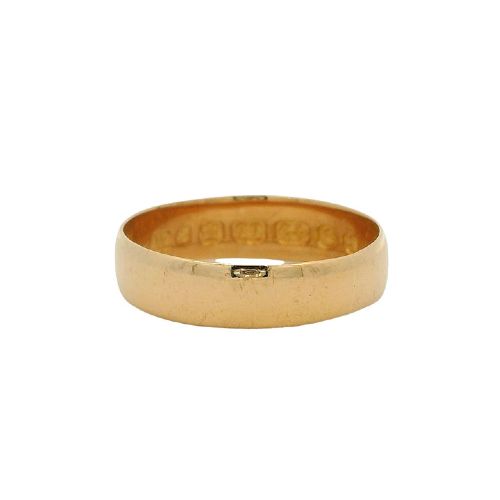
Upper and middle-class Victorians wore various pieces daily, adapting specific items like wedding bands, small brooches, and stud earrings for regular daywear. More elaborate multi-stone necklaces, large lockets, and diamond cluster bangles were typically reserved for evening events and formal social gatherings.
Versatile designs often functioned as both brooches and pendants, allowing owners to transition items between different outfits. This practical modular approach made high-value gem-set jewellery adaptable to changing daily schedules.