




1874 Oil Painting
An 1874 oil painting brings nineteenth-century portraiture, landscape and animal subjects into a room through rich canvas and giltwood framing.
1874 Oil Painting
An 1874 oil painting comprises nineteenth-century works executed in oil paint on canvas or panel, often housed in original giltwood frames. The pieces on this page span the nineteenth century and later periods, capturing traditional British art, Scottish school subjects and Victorian fine art.
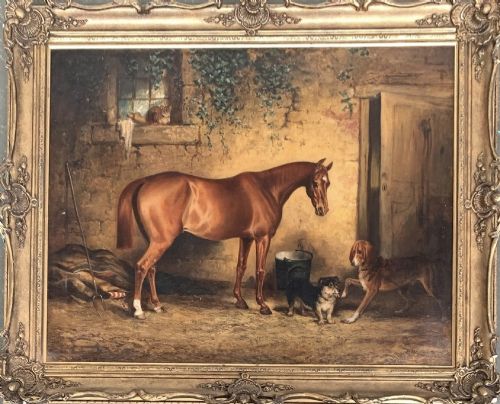
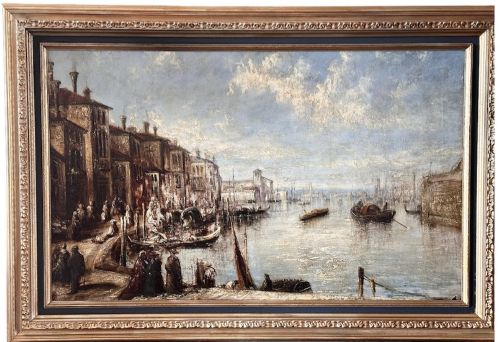
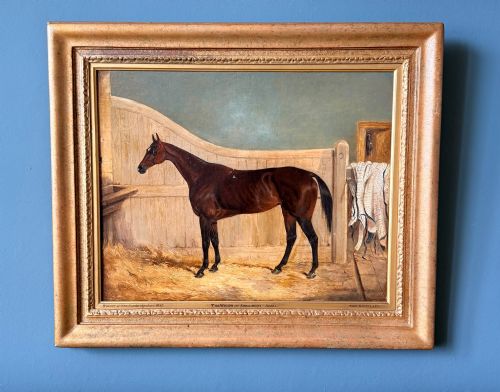
Buyers encounter equine portraits, historical scenes, domestic animal studies and topographical views of places like Venice. Many works connect directly to artists whose lifespans or creation dates touch the year 1874, reflecting academic and traditional styles of the era.
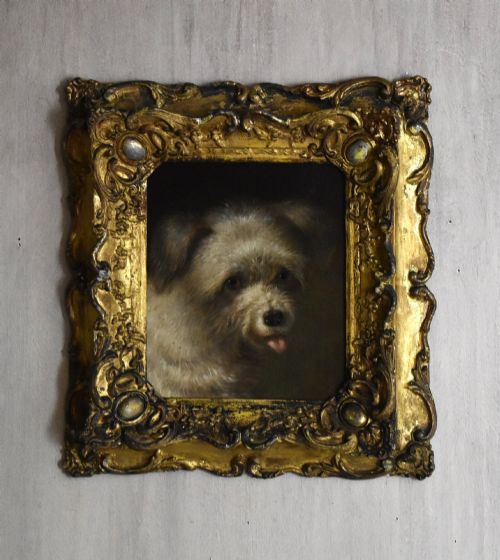
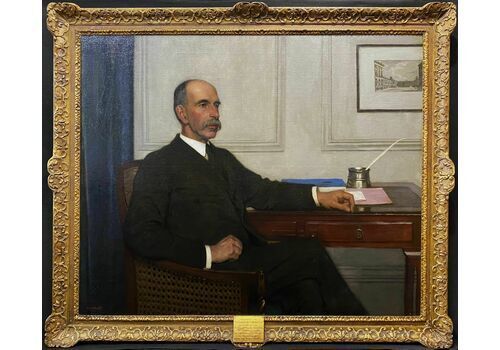
The subjects range from detailed sporting horse portraits and agricultural farmsteads to intimate portrait sketches of young ladies and boys. These works offer a direct window into the aesthetic and historical concerns of the Victorian period and subsequent decades.
Factors that distinguish the work
The sophistication of the brushwork and the precision of anatomical or architectural detail distinguish works at different levels of the market. Finer examples display confident handling in complex subjects such as equine anatomy, historical costume or urban topography.
The condition and authenticity of the original giltwood frame significantly influence the overall integrity of the piece. Surviving frames that match the period of the painting without heavy restoration hold greater visual harmony with the canvas.
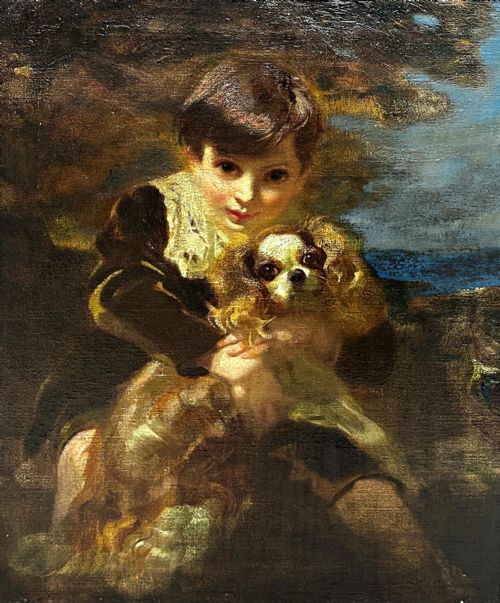
One young boy in the collection insists on wearing Van Dyck dress while holding a Cavalier King Charles Spaniel.
Henry Barraud·Martin Theodore Ward·Francis Moltino·Harold Knight·Thomas Walker Bretland·Frank Moss Bennett·Paul Leon Jazet·George Melvin Rennie·Frank Owen Salisbury·Strafford Newmarch·James Godsell Middleton·Alfred J A Van Neste·Alden Pierson
The 1874 Oil Painting Glossary
- Giltwood
- Wood carved and covered with a thin layer of gold leaf or metallic gilding. This material forms the ornate frames commonly found on nineteenth-century paintings.
- Oil on canvas
- Pigment mixed with drying oils, such as linseed, and applied to a stretched woven fabric support. This combination provides durability and a textured surface for detailed brushwork.
- Victorian Fine Art
- Artwork produced during the reign of Queen Victoria characterised by academic training, narrative subjects and traditional technical standards. It encompasses portraiture, landscape and history painting.
- Scottish School
- A regional grouping of artists working within Scotland who shared stylistic traditions, often focusing on Highland landscapes, rural life and local portraits.
1874 Oil Painting: Frequently Asked Questions
What subjects appear in these paintings?
The subjects include equine portraits, historical scenes, domestic animals, street views and human portraits.
Artists of this period recorded both grand historical narratives and everyday rural or urban environments with careful observation.
How should I hang an oil painting?
Hang the painting on a stable interior wall away from direct sunlight and dramatic changes in temperature or humidity.
Ensure the wall fixings can support the weight of the canvas and its substantial giltwood frame securely.
Are the frames original to the art?
Many works retain period giltwood frames that match the approximate age of the canvas, though framing practices varied over time.
A matching frame enhances the historical context of the piece while protecting the edges of the canvas.
How do I identify the period of a painting?
Period identification relies on recorded artist dates, stylistic conventions of the Victorian era, and construction details of the canvas and frame.
Signatures, dates inscribed on the reverse and historical records help anchor the work to specific decades like the eighteen-seventies.