






18 Carat Gold Band
An 18 carat gold band brings together enduring precious metal and detailed craftsmanship across Victorian, Edwardian, and mid-century periods.
18 Carat Gold Band
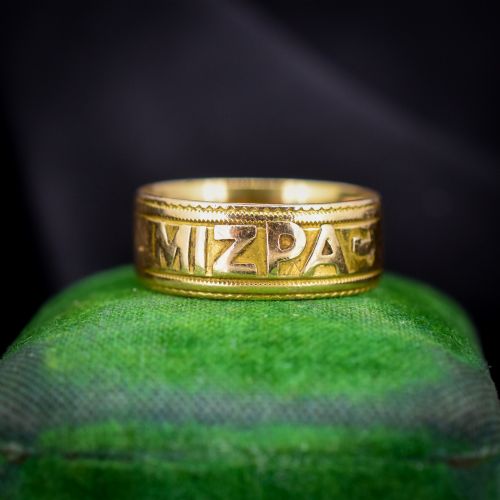
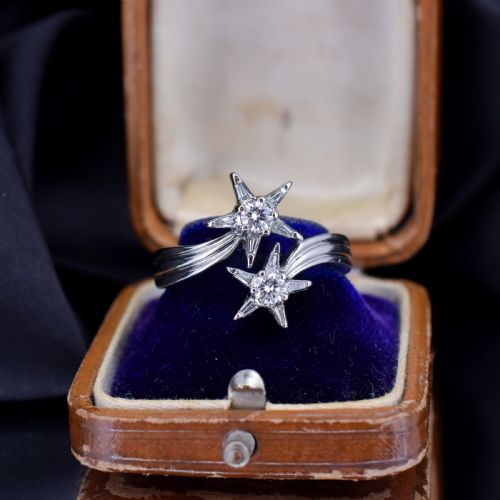
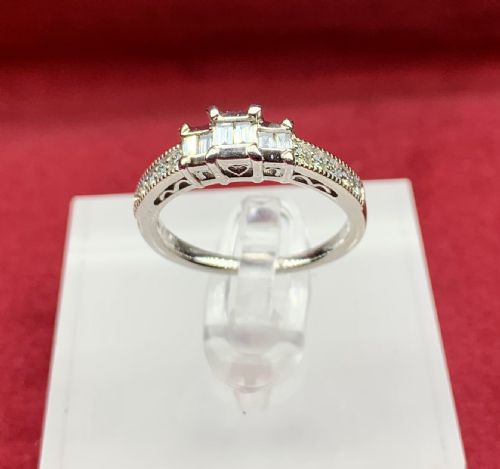
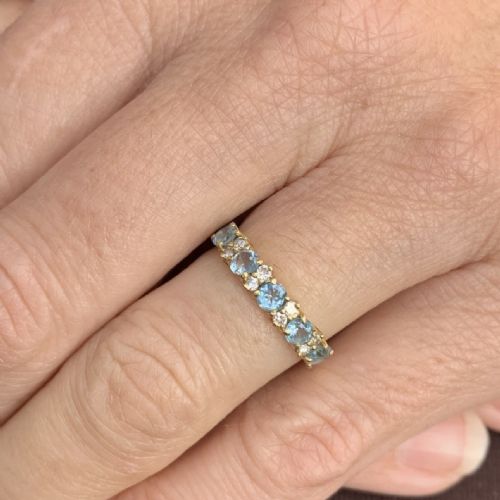
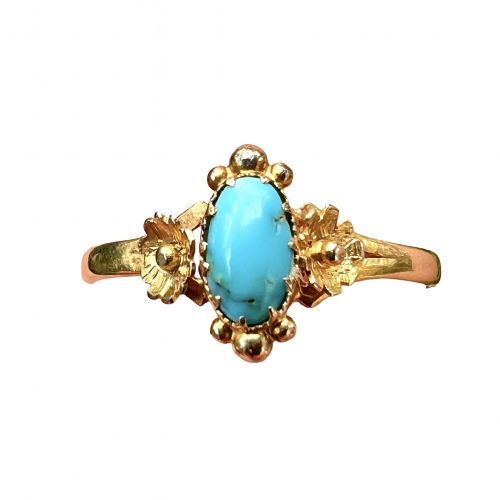
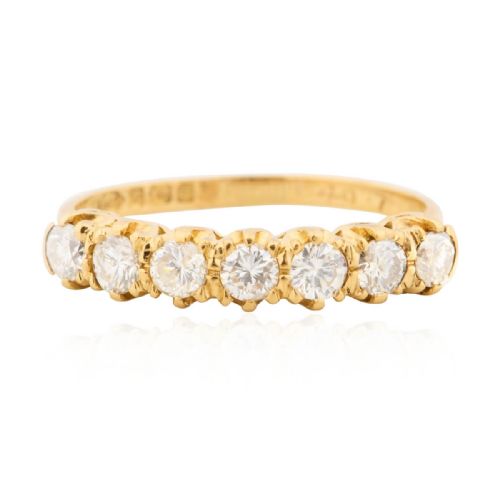
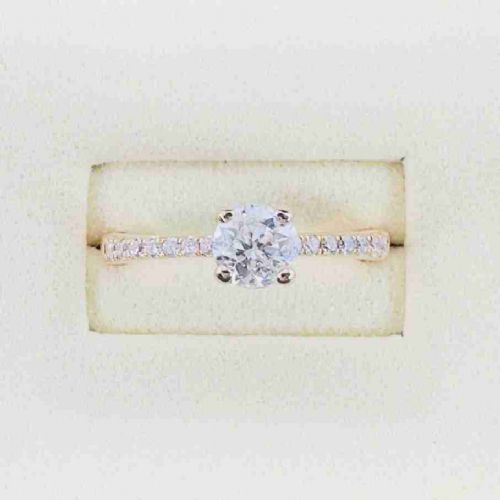
When you search for an 18 carat gold band, you encounter a selection of rings and bracelets spanning the nineteenth century through to the 1960s. These pieces include plain metal bands alongside gem-set designs incorporating diamonds, sapphires, rubies, turquoise, and opals.
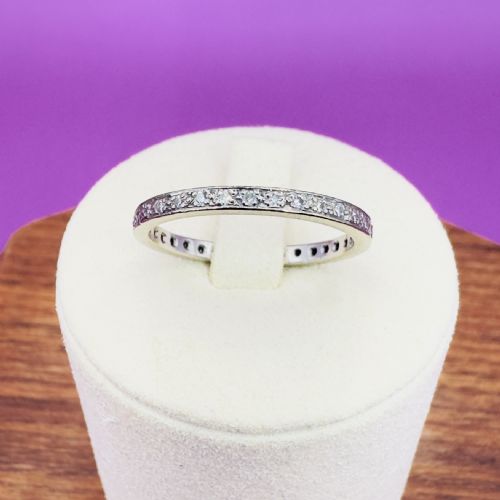
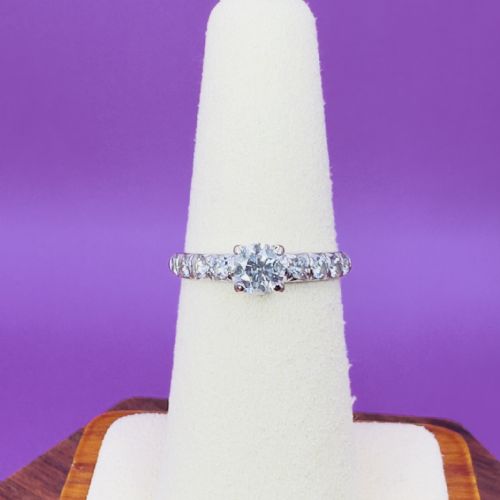
The most common examples on this page are rings originating from the Victorian era and the mid-twentieth century. These range from gypsy settings and cluster arrangements to eternity rings and classic solitaires.
How they were made
Jewellers shaped these pieces using 18 carat yellow gold, white gold, rose gold, and occasionally platinum settings. Metal components were cast, forged, and hand-finished by regional makers working in British assay offices such as Birmingham and Chester.
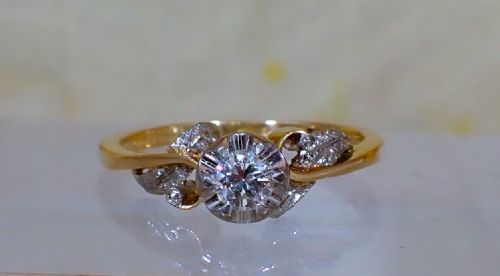
Gemstones including old European cut diamonds, sapphires, rubies, and turquoise were secured using flush starburst settings, claw mounts, and channel settings. Detailed engraving and gallery work frequently accompanied these stone arrangements.
Listings feature 18 carat gold items spanning the Victorian era, Edwardian period, 1930s, and 1950s using diamonds, sapphires, rubies, and turquoise.
What varies in quality
The distinction between standard examples and exceptional pieces rests upon the precision of the gem-setting and the clarity of the hallmarks. Heavy gold weights and well-preserved stone cuts elevate the overall standing of a piece.
Design complexity also plays a role, as demonstrated by multi-stone arrangements, interspersed diamonds, and intricate hand-engraved motifs executed by skilled workshops.
The 18 Carat Gold Band Glossary
- Gypsy ring
- A style where stones are flush-set directly into the thick gold band. This mounting style became particularly popular during the Victorian period.
- Old European cut
- An early round brilliant diamond cut characterised by a small table, high crown, and large culet facet. It appears frequently in nineteenth and early twentieth-century jewellery.
- Hallmark
- An official stamp applied by an assay office to indicate metal purity and origin. British pieces often display town marks and date letters.
- Eternity ring
- A band set continuously with gemstones symbolising endless love. Versions span half and full stone configurations.
- Boat ring
- A boat-shaped mounting tapering towards the ends, typically holding a row of graduated gems.
18 Carat Gold Band: Frequently Asked Questions
How do I care for my 18 carat gold band?
Clean your ring using warm soapy water and a soft brush to remove everyday debris from the stone settings. Avoid exposing softer gems like turquoise and opal to harsh chemical cleaners.
Store separate from harder diamonds to prevent surface scratching on the metal band and softer stones over time.
Can an 18 carat gold band be resized?
Most solid gold bands permit alteration by a skilled jeweller depending on the band thickness and presence of stones near the back. Full eternity rings generally cannot be resized due to the continuous stone setting.
Consult a professional jeweller to assess the shank integrity before attempting any structural adjustments.
What is the difference between yellow and white gold?
Yellow 18 carat gold contains a traditional alloy mix including copper and silver alongside pure gold. White gold combines gold with white metals to achieve a silvery appearance.
Both variants share the same gold purity content while offering distinct visual palettes suited to different gemstone combinations.
How do I identify the period of my ring?
Examine the piece for official hallmarks, which often indicate the specific year and assay office of manufacture. Stylistic markers such as gypsy settings point towards Victorian origins, while platinum accents often suggest Art Deco influences.
Compare the gemstone cuts against known historical periods, noting characteristics like old European or old mine diamond facets.