


17th Century Writing Table
A 17th century writing table brings a tangible piece of early domestic history into a room, offering sturdy utility and rich timber grain.
17th Century Writing Table
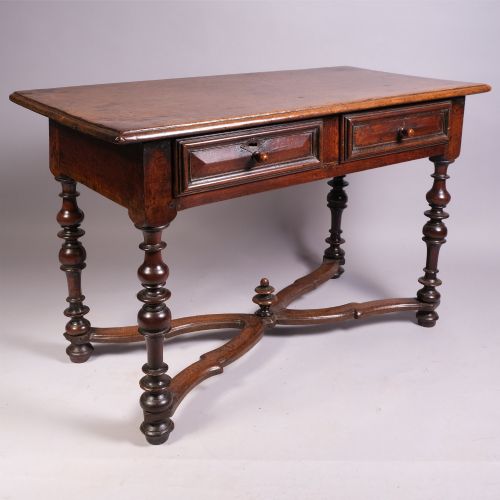
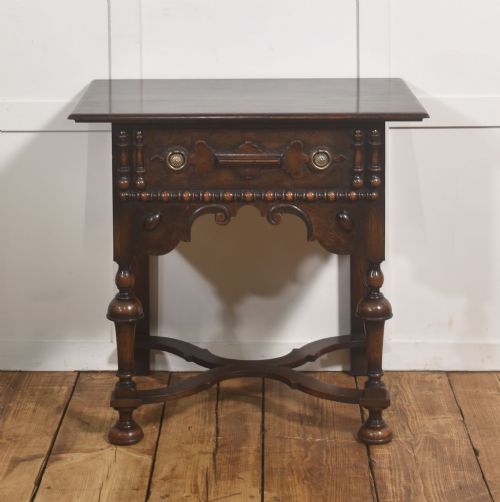
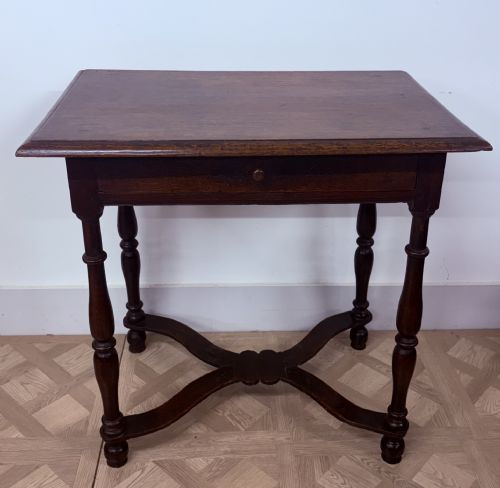
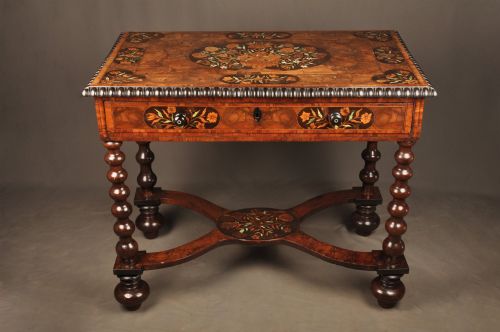
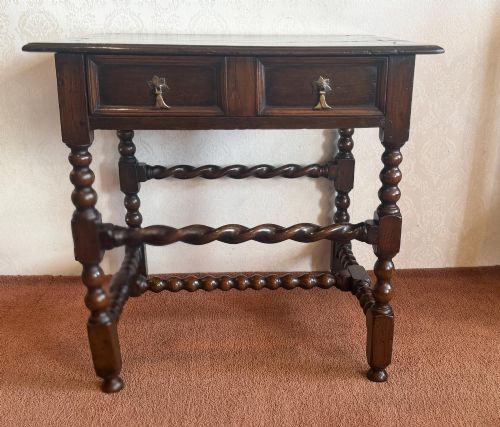
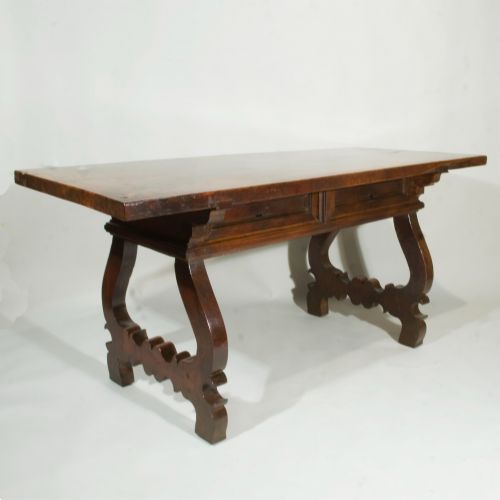
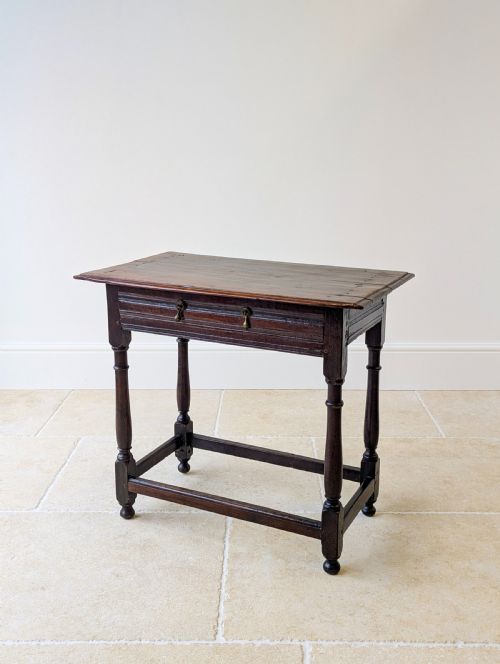
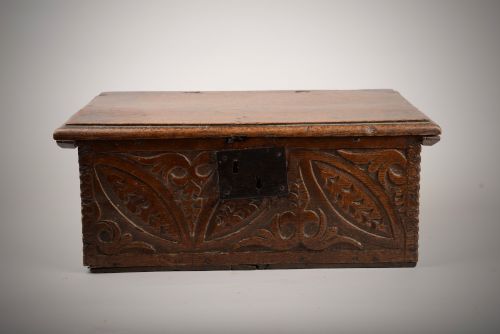
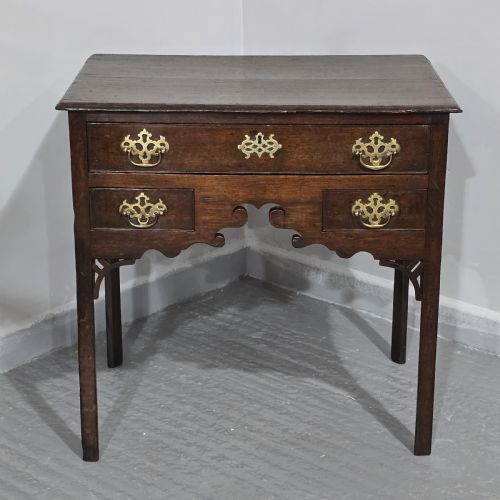
A 17th century writing table encompasses robust oak and walnut furniture designed for domestic administrative tasks, often found in forms such as side tables, lowboys, and table top bureaus. The pieces on this page span authentic period items alongside later revivals from the nineteenth and early twentieth centuries, reflecting enduring design tastes.
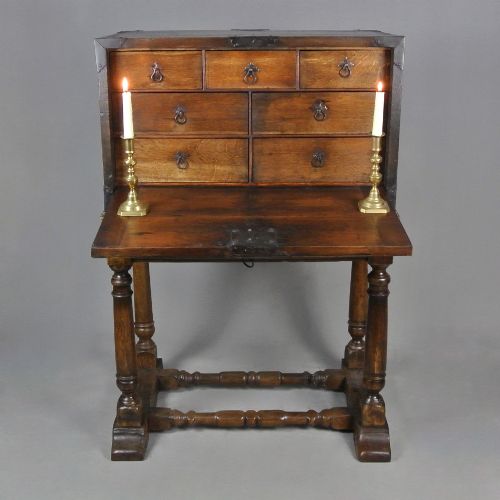
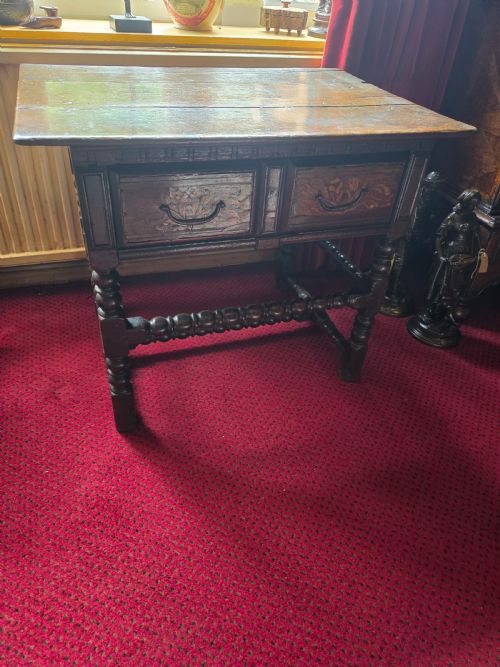
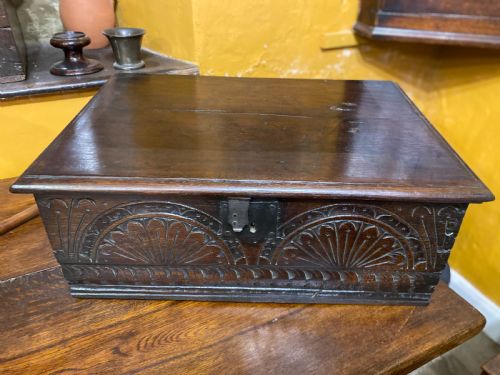
Buyers encounter numerous side tables and centre tables equipped with single or multiple drawers, as well as desk boxes and slant front bible boxes intended for surface writing. These formats demonstrate the compact storage solutions favoured in period interiors before dedicated room libraries became widespread.
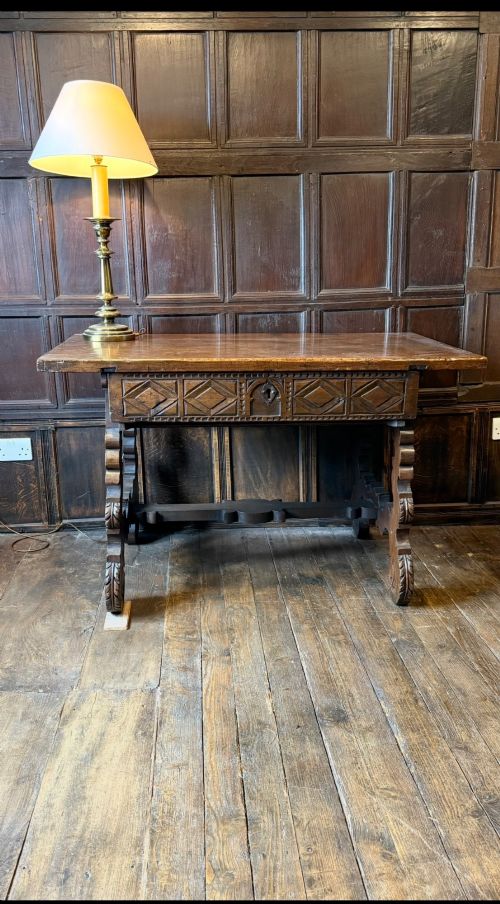
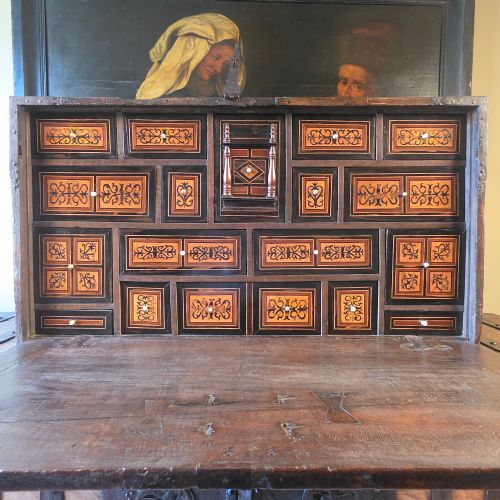
Origin variations include English craftsmanship alongside Spanish examples, employing regional timbers like fruitwood and beech alongside primary structural woods. This variety allows collectors to select specific stylistic traits ranging from plain utilitarian oak to ornate marquetry.
Markers of distinction and build quality
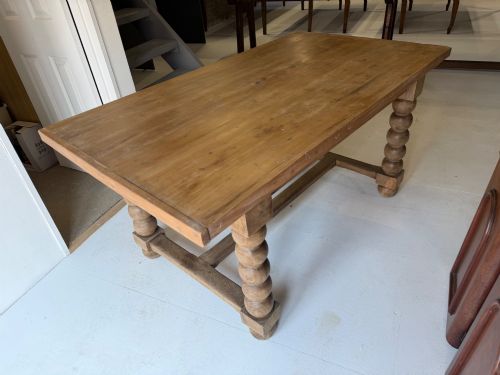
Quality differences in a 17th century writing table rest upon the crispness of hand-carved elements, the integrity of period joinery, and the preservation of original timber surfaces. Pieces retaining their early drawer linings, internal compartments, and authentic hardware command greater interest than those altered by later restorations.
The sophistication of surface decoration, from geometric mouldings and bobbin turnings to complex marquetry and oyster veneer patterns, separates standard utility items from high-status commissions. The natural ageing of the wood, showing deep patination and honest wear, marks the distinction between genuine seventeenth-century fabric and later revival pieces.
17th Century Writing Table Retail Price Guide 2026
Typical asking prices for 17th century writing table among the pieces listed under this phrase on Sellingantiques today, from the lower quarter to the upper quarter. They describe what is for sale here now, not the wider market.
Several boxes retain interior compartments specifically sized for secret letters and stray quills.
The 17th Century Writing Table Glossary
- Lowboy
- A low table with one or more drawers, frequently used as a dressing table or writing surface during the late seventeenth century. These compact items typically feature four turned legs connected by stretchers.
- Bobbin leg
- A furniture leg turned on a lathe to resemble a series of wooden bobbins or spools strung together. This decorative turning style is characteristic of seventeenth-century joinery.
- Oyster veneer
- Slices cut horizontally across small branches or roots of timber, producing circular or oval patterns resembling oyster shells. Craftsmen arranged these veneers closely across table and cabinet surfaces.
- Bible box
- A small wooden box with a sloping lid, originally designed to hold family scriptures and writing implements. When placed upon a table, it served as a portable writing desk.
- Marquetry
- The art of applying pieces of veneer to a structure to form decorative patterns or pictures. This technique utilised various contrasting timbers to adorn tabletop surfaces.
17th Century Writing Table: Frequently Asked Questions
How do I identify a genuine period piece?
Examine the timber patination, tool marks inside the drawer construction, and the consistency of the joinery throughout the carcass. Authentic items display natural wear patterns and construction methods appropriate to seventeenth-century workshops.
Compare the structural proportions and decorative turnings against known examples from the same era. Secondary woods and fastener types often provide further clues regarding the date of manufacture.
Were these tables used for writing?
Many tables and desk boxes served multiple domestic functions, including food preparation, sewing, and household accounts. Surface tops and internal compartments accommodated portable writing equipment rather than dedicated stationery storage.
Slant front boxes and table top bureaus provided a sloping surface specifically angled for comfortable letter writing. These portable units rested on existing tables before freestanding desks became common.
How do I care for antique oak furniture?
Maintain a stable room temperature away from direct sunlight and heat sources to prevent the timber from splitting or warping. Apply traditional beeswax periodically to nourish the grain and protect the historical patination.
Avoid commercial liquid polishes containing silicone, which can penetrate porous historical finishes and damage the wood. Dust gently with a dry, soft cloth to preserve the surface.