




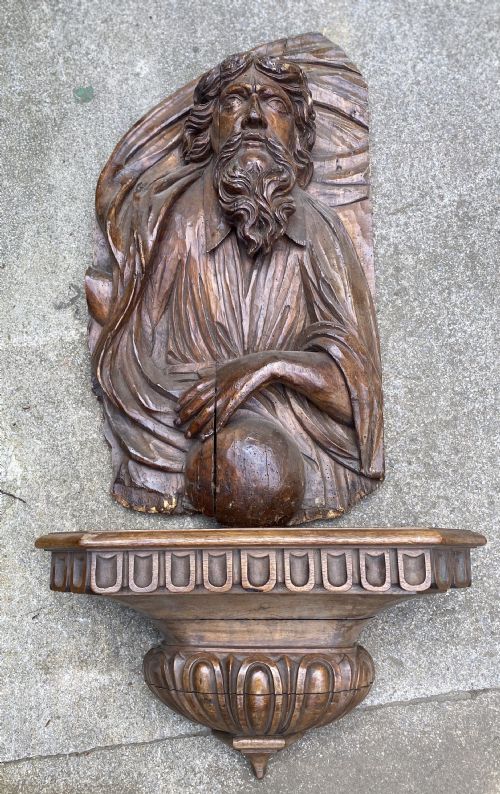


17th Century Wooden Figure
A 17th century wooden figure carries the devotional weight and sculptural ambition of the early modern period into modern rooms.
17th Century Wooden Figure
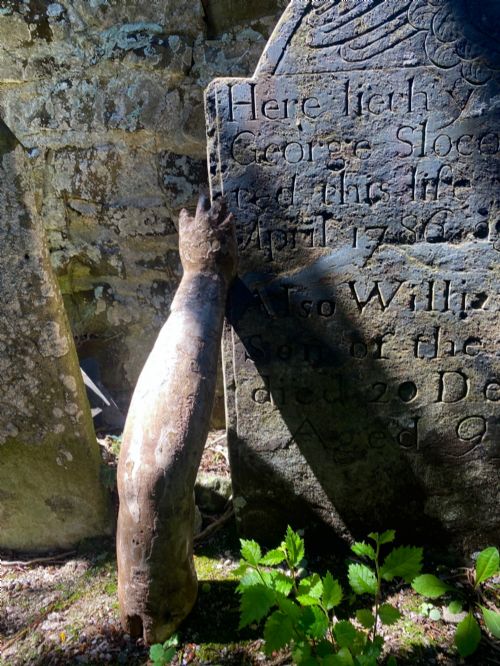
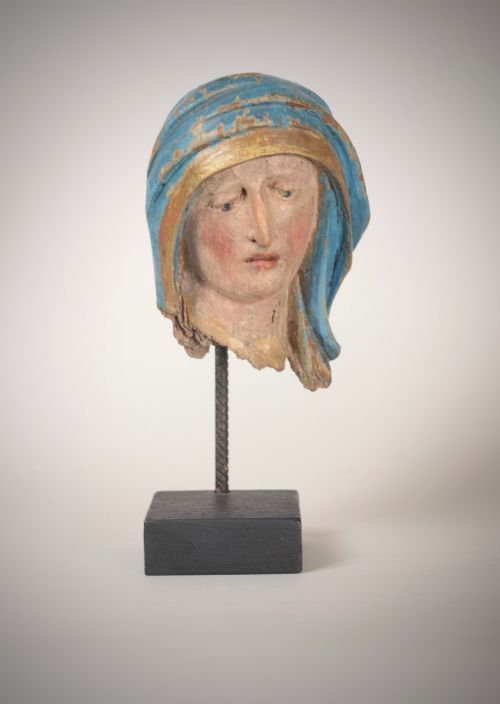
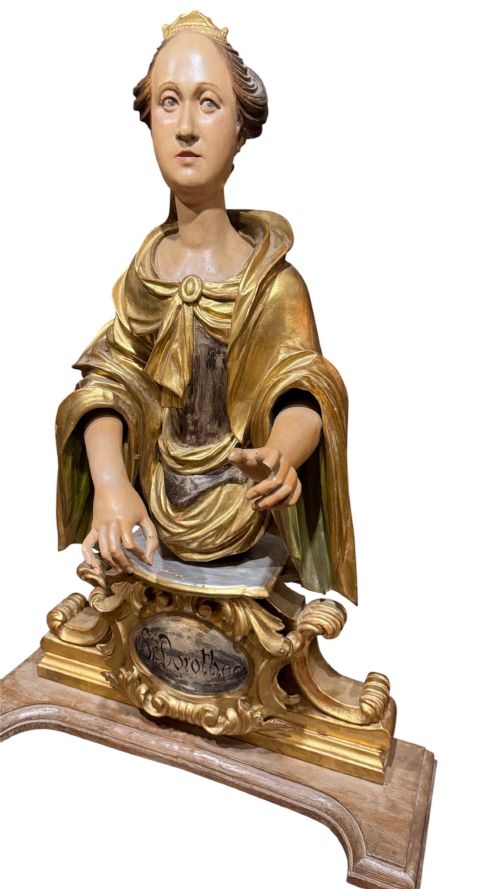
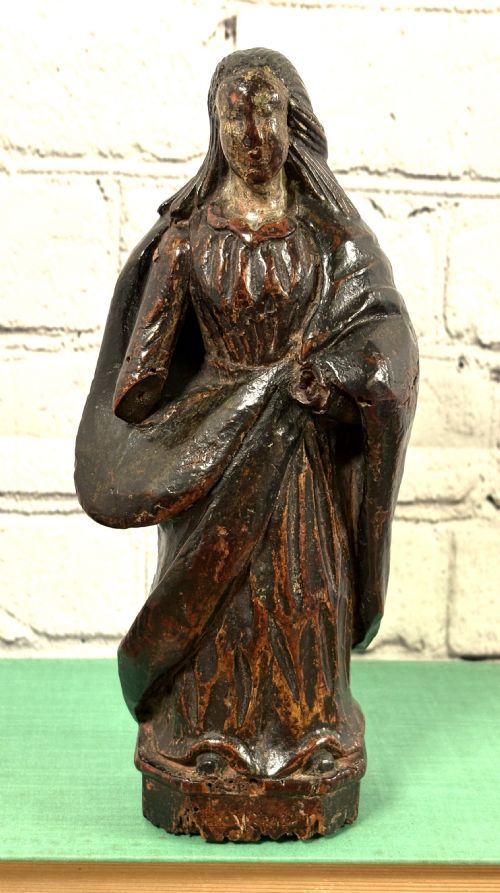
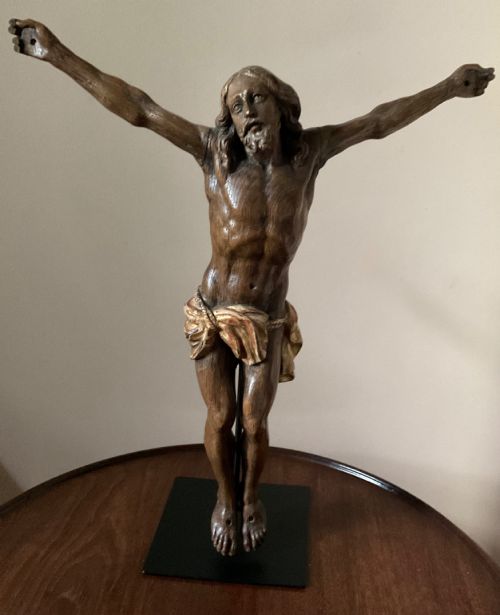
When searching for a 17th century wooden figure, buyers encounter surviving fragments of religious art, architectural salvage, and devotional carvings created across European workshops. The most common examples take the form of saints, putti, and corpus Christi figures carved for altarpieces, churches, or domestic oratories.
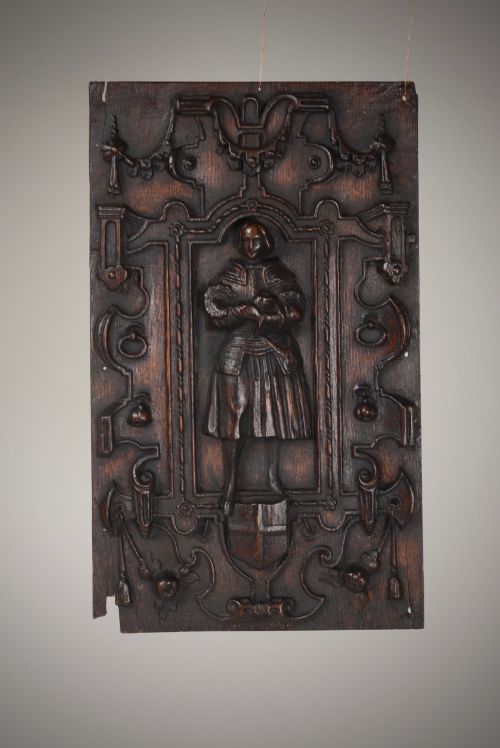
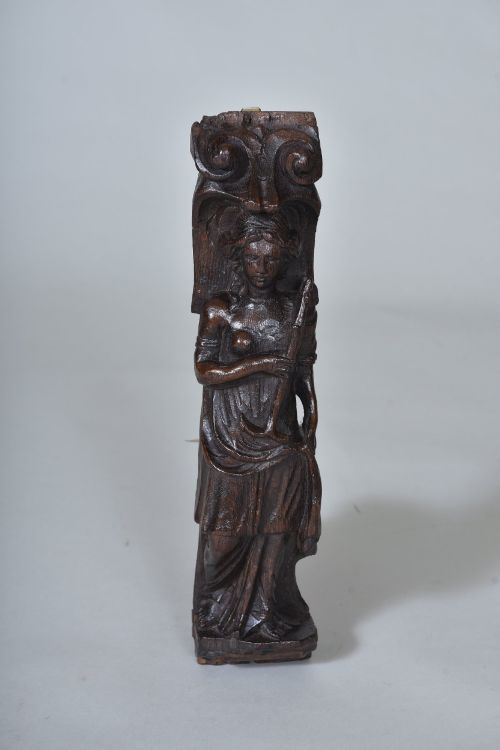
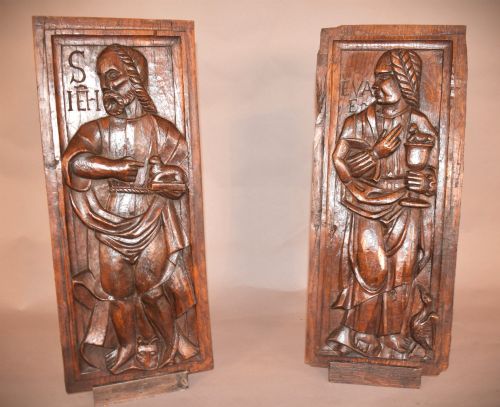
Many of these pieces emerge from the Flemish, Spanish, and German traditions, manifesting in dense hardwoods or softer limewood suited to intricate detail. Alongside free-standing sculptures, buyers regularly find architectural carvings such as caryatids, architectural panels, and corbels that once anchored larger timber schemes.
The materials reflect the regional timber supplies of the period, ranging from native oak and walnut to fruitwoods, limewood, and applewood. Some retain traces of their original polychrome paint or gesso layers, while others present a stripped timber surface shaped by centuries of handling and climate.
What determines quality in early carvings
The sculptural ambition of the carver dictates the distinction between standard architectural elements and masterwork figures. Anatomical precision in the hands, face, and drapery separates routine workshop production from spirited religious art.
Survival of original surface finishes significantly influences the character of a piece, particularly where remnants of polychrome paint or gilding remain intact beneath later accumulations. The integrity of the timber, including the depth of the original carving relative to structural losses or later alterations, defines the piece's historical weight.
17th Century Wooden Figure Retail Price Guide 2026
Typical asking prices for 17th century wooden figure among the pieces listed under this phrase on Sellingantiques today, from the lower quarter to the upper quarter. They describe what is for sale here now, not the wider market.
Current listings feature materials including oak, limewood, walnut, applewood, fruitwood, gesso, polychrome, and metal across the seventeenth century and later periods.
The 17th Century Wooden Figure Glossary
- Polychrome
- Decoration consisting of several colours applied to wood or gesso. This surface treatment was standard for religious sculpture of the period.
- Corpus Christi
- An image or sculpture of the body of Jesus Christ on the cross. These figures appear frequently in Flemish and Spanish devotional art.
- Caryatid
- A sculpted female figure serving as an architectural support taking the place of a column or a pilaster. They often feature in architectural salvage from the period.
- Limewood
- A pale, fine-grained wood favoured by European carvers for intricate religious figures. Its uniform texture prevents splintering during detailed work.
- Gesso
- A plaster mixture used as a base for paint or gilding on wood carvings. It provides a smooth white ground for polychrome decoration.
17th Century Wooden Figure: Frequently Asked Questions
How were these figures originally displayed?
Most of these figures formed part of larger ecclesiastical commissions such as altarpieces, choir stalls, or church walls. Some smaller devotional items served private prayer within domestic spaces.
Architectural pieces like caryatids and corbels functioned as structural supports or decorative brackets in wealthy interiors.
Why do some figures retain paint while others are bare wood?
Many figures started with a gesso ground and polychrome paint finish that has worn away or been deliberately stripped during subsequent centuries. Taste in later periods often favoured raw timber surfaces over painted religious art.
Survival of original pigment depends heavily on the indoor climate and whether a piece spent time in active worship or secular storage.
Where should I place a wooden figure at home?
These sculptures suit display on sturdy consoles, mantelpieces, or mounted securely to walls away from direct heat sources and sunlight. Stable indoor humidity protects the dry timber from splitting or warping.
Architectural fragments and panels benefit from simple mounting brackets that respect their original function as salvage.