



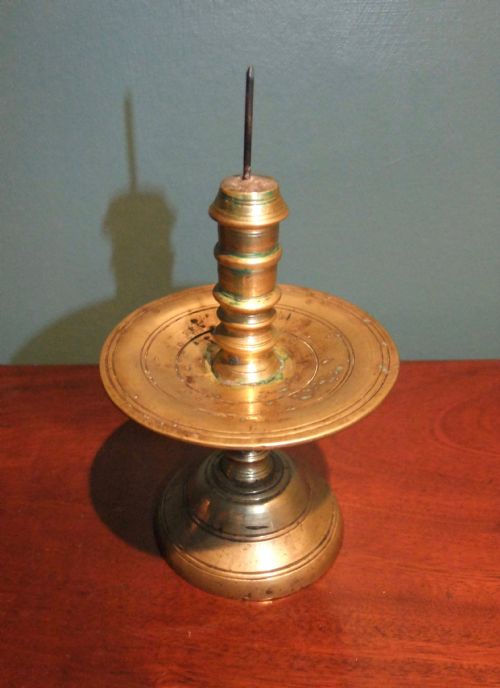


17th Century Lighting
These 17th century lighting pieces bring genuine period character to a room, offering authentic candleholders and lamps from centuries past.
17th Century Lighting
When you search for 17th century lighting, you encounter utilitarian and decorative objects designed to illuminate rooms before electricity, spanning sticks, sconces, and converted vessels. The most common examples met here are brass candlesticks from the Low Countries, alongside iron rushlights and carved wooden torchieres or bases.
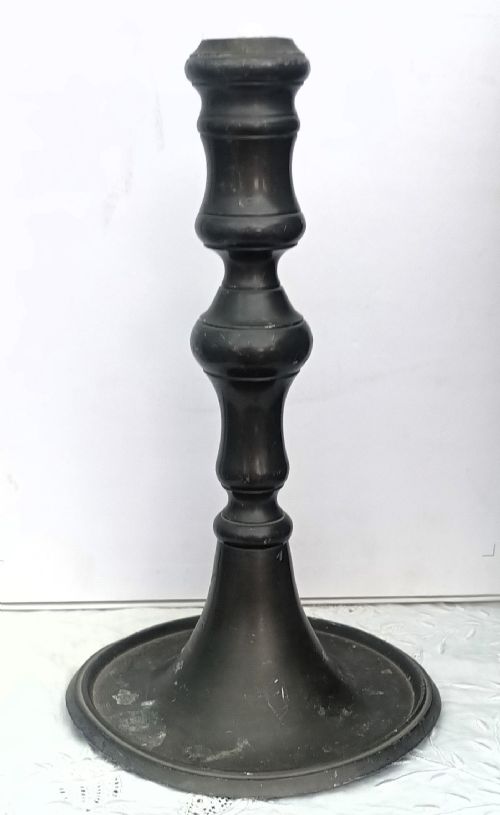
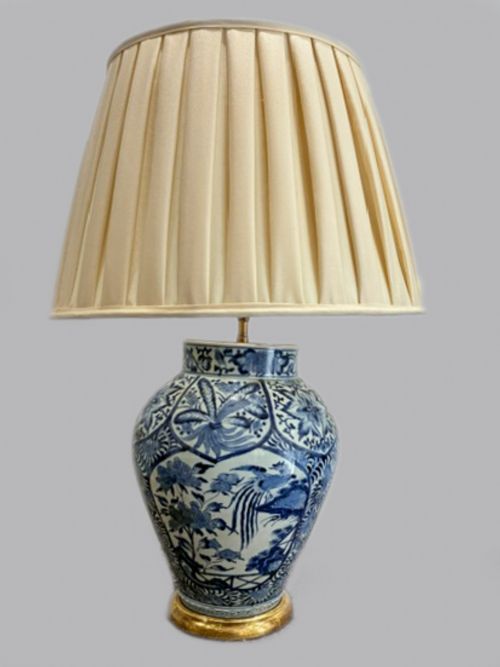
The selection ranges from original period pieces made around sixteen fifty to sixteen ninety through to later nineteenth century revival interpretations. These items include English Stuart pewter, Flemish brass, and Japanese porcelain vases converted later into lamps, reflecting both domestic use and decorative adaptation.
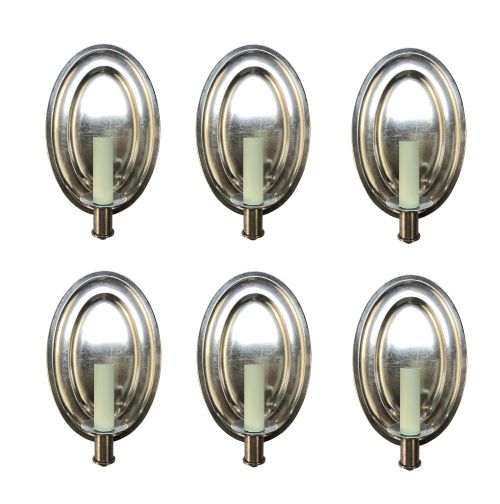
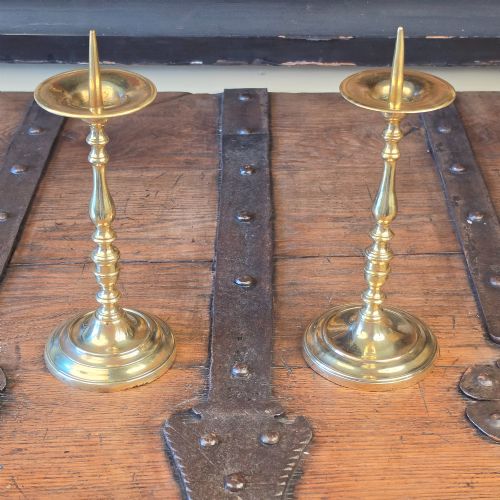
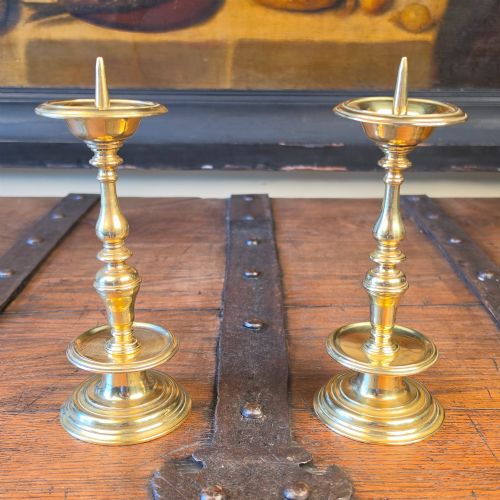
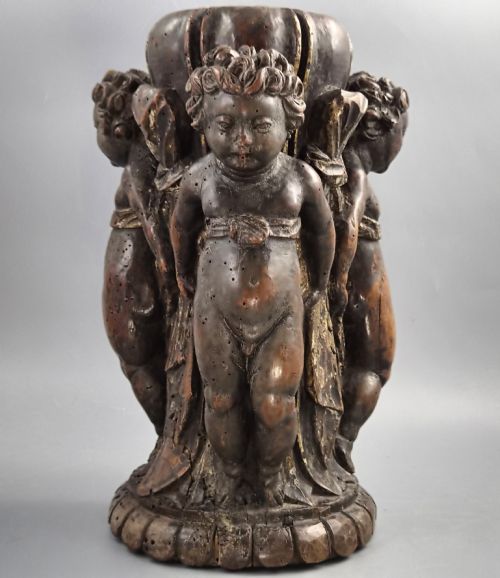
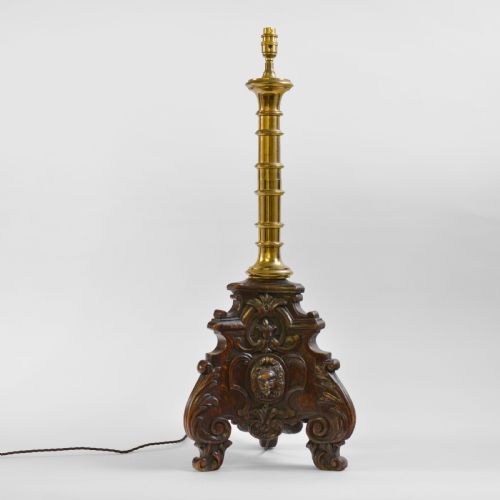
Forms vary from sturdy pricket sticks with wide drip pans to wall sconces and large carved wooden pedestals of Baroque character. Buyers find both simple wrought iron designs intended for rush lighting and heavy cast bell brass candlesticks from Dutch and Swedish workshops.
What varies in quality
The distinction between ordinary and superior pieces rests on the crispness of casting in metal and the depth of hand-carving in wood. Early cast brass sticks show sharp mould lines and pleasing wear from centuries of polishing, whereas revival pieces lack that exact period handling.
Proportion and originality dictate the standing of a piece, particularly when items undergo conversion into lamps or retain their original pricket spikes. Untouched surfaces on seventeenth century pewter and brass carry greater appeal than heavily restored examples.
17th Century Lighting Retail Price Guide 2026
Typical asking prices for 17th century lighting among the pieces listed under this phrase on Sellingantiques today, from the lower quarter to the upper quarter. They describe what is for sale here now, not the wider market.
Even a humble iron rushlight from the seventeenth century reminds us how much effort people spent just to see their supper.
The 17th Century Lighting Glossary
- Pricket candlestick
- A candleholder featuring a sharp metal spike at the centre to secure the base of a candle. This form predates socket candlesticks and remains common in ecclesiastical and early domestic settings.
- Heemskerk candlestick
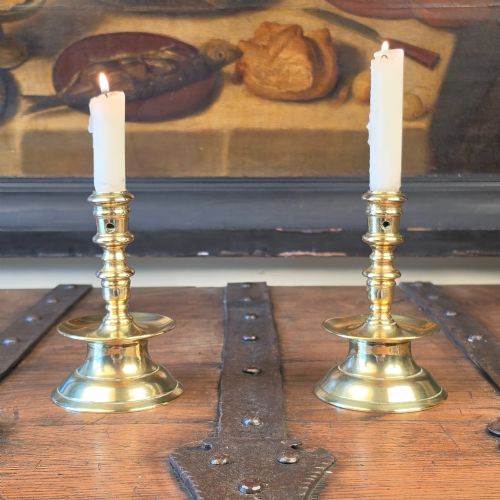
- A distinct type of brass candlestick originating from the Netherlands, characterised by a heavy drip pan placed midway up the stem and a bell-shaped foot. They date primarily from the late seventeenth century.
- Rushlight
- A simple lighting device consisting of an iron pincer mounted on a stand, designed to hold a dried rush dipped in animal fat. These represent economical domestic illumination.
- Torchiere
- A tall ornamental stand or candlestick designed to hold a light source high above the floor. Baroque examples often feature carved wooden figures and elaborate pedestals.
- Bell brass
- An alloy of copper and tin traditionally used for casting bells, known for its resonant quality and bright golden colour. It appears frequently in sturdy seventeenth century candlesticks.
17th Century Lighting: Frequently Asked Questions
How do I clean antique brass candlesticks?
Clean antique brass gently with warm soapy water and a soft cloth to preserve the dark patination accumulated over centuries. Avoid harsh chemical polishes that strip away the authentic surface character.
Allow the metal to dry completely after washing. Light dusting is usually sufficient for regular maintenance.
Are these pieces safe for daily use?
Original metal candleholders function well with standard candles, provided you place them on stable, heat-resistant surfaces. Converted lamps require professional rewiring to meet modern electrical safety standards.
Take care with antique wax drips and ensure wooden bases remain away from direct heat sources. Modern bulbs in converted lamps should be kept at low wattages.
What is a Heemskerk candlestick?
A Heemskerk candlestick is a specific Dutch brass design featuring a prominent central drip pan and a wide bell-shaped base. They are robustly cast and highly sought after by collectors of early metalwork.
This form emerged during the seventeenth century in the Netherlands and spread across Northern Europe. Their weight and balanced proportions make them instantly recognisable.
How do I tell original pieces from later revivals?
Original pieces display authentic wear patterns, casting flaws consistent with period methods, and appropriate patination on brass, iron, or wood. Nineteenth century revivals often feature cleaner, more uniform surfaces and machine tool marks.
Examine the construction joints and base wear to understand the true age of the object. Comparing weight and metal composition helps confirm period origin.