

17th Century Dutch Artwork
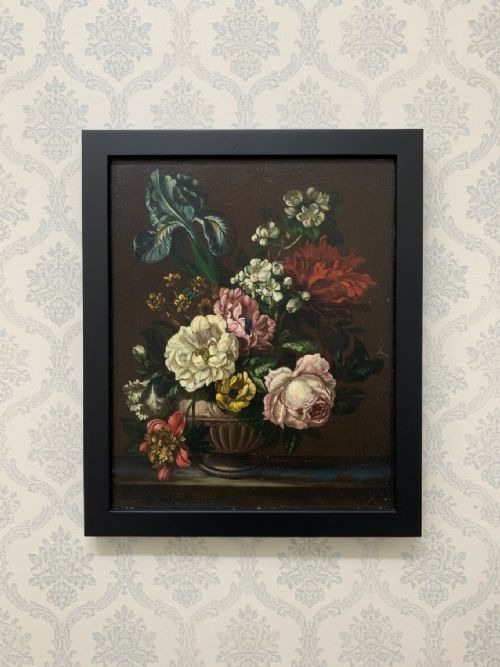
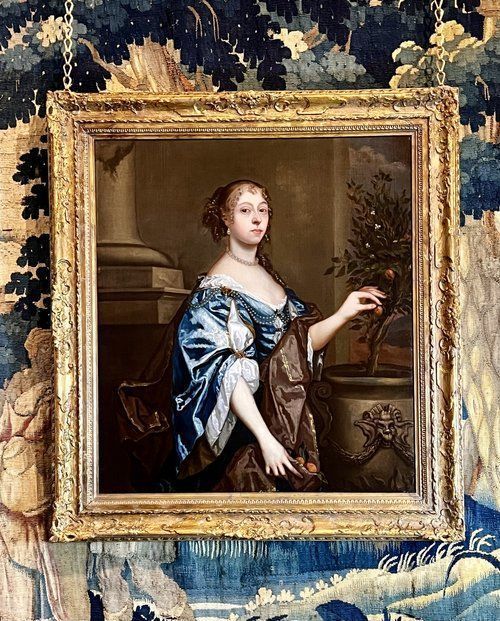
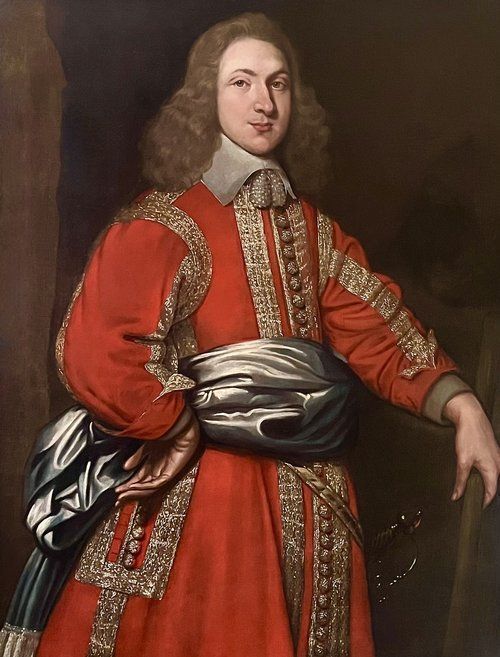
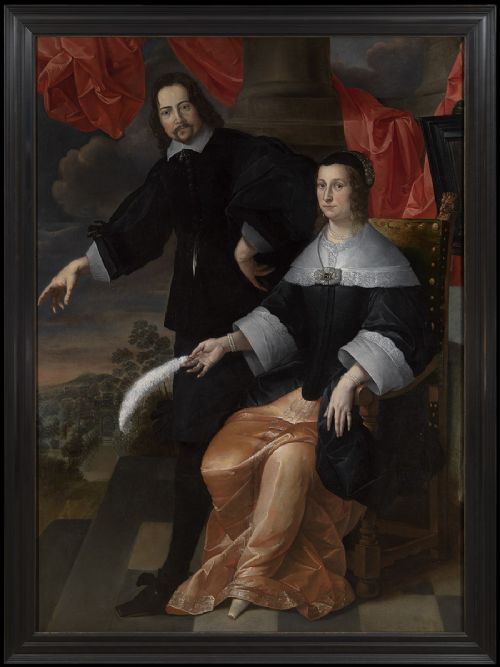
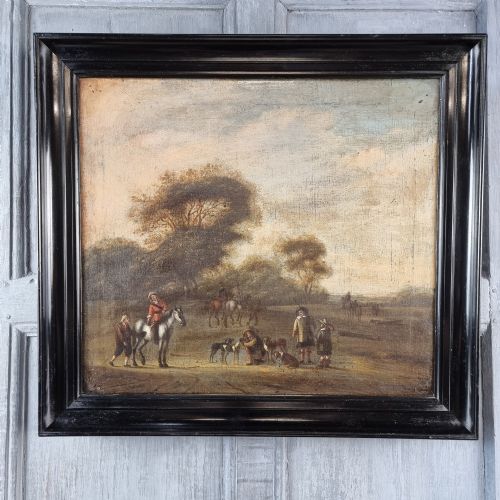
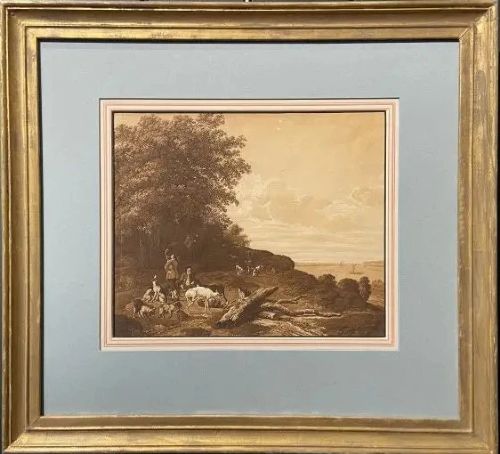
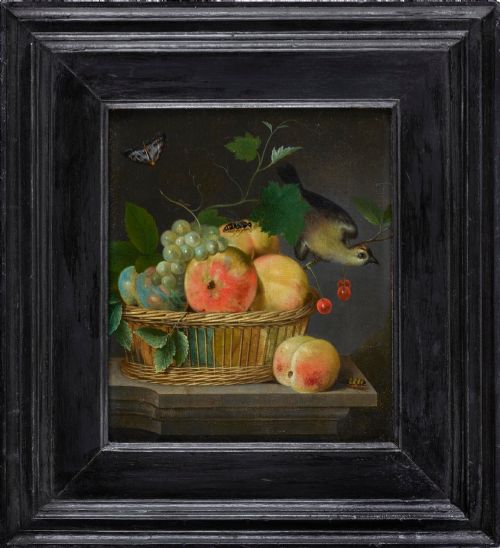
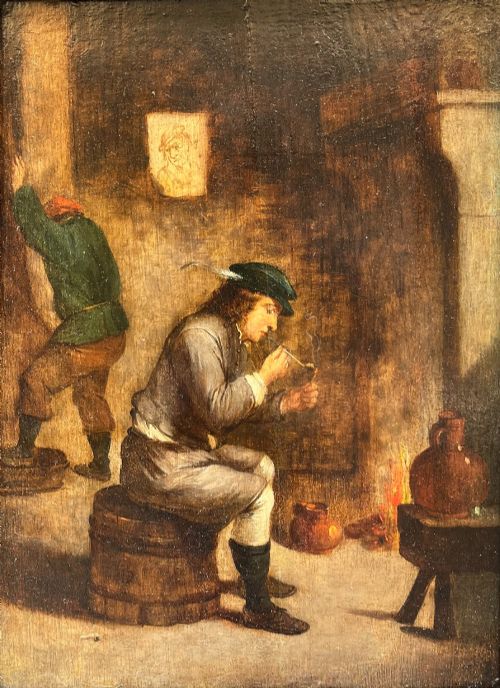
When you search for 17th century dutch artwork, you encounter oil paintings spanning portraits, still lifes, landscapes, and maritime scenes from the golden age.
17th Century Dutch Artwork
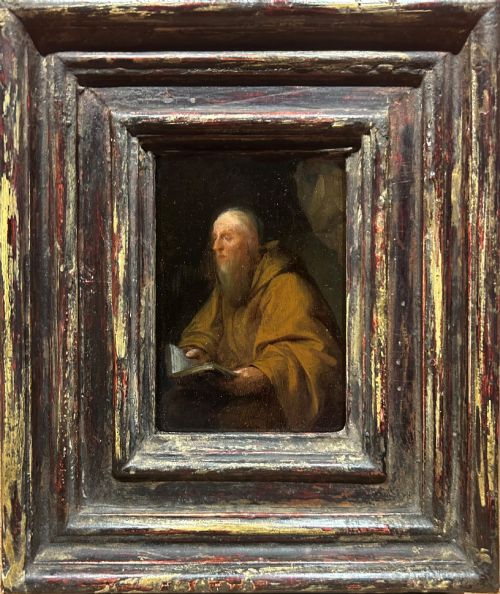
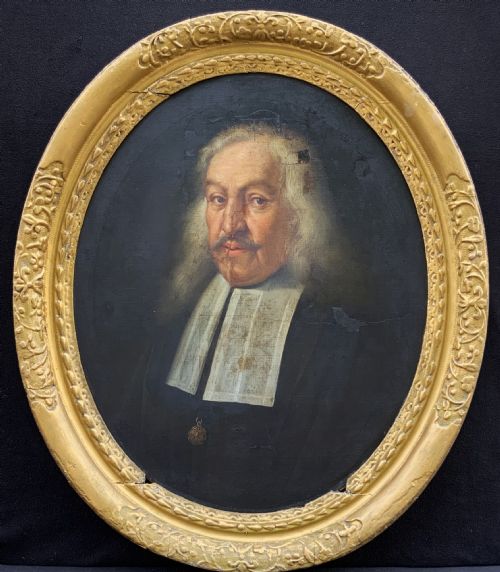
When buyers search for 17th century dutch artwork, they look at oil paintings depicting individual sitters, domestic interiors, bustling ports, and tranquil countryside scenes. The selection on this page centres primarily on original period works, alongside later interpretations produced in the nineteenth and early twentieth centuries.
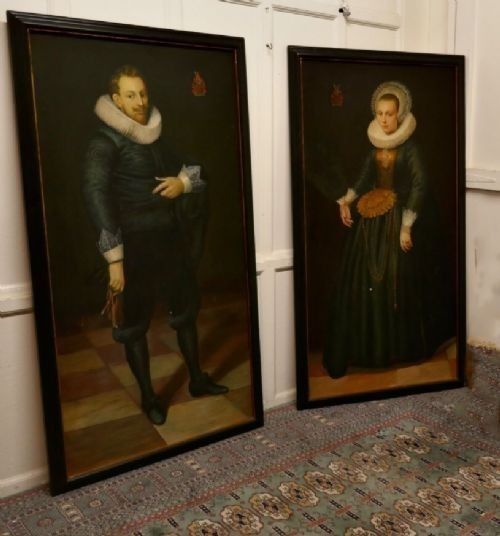
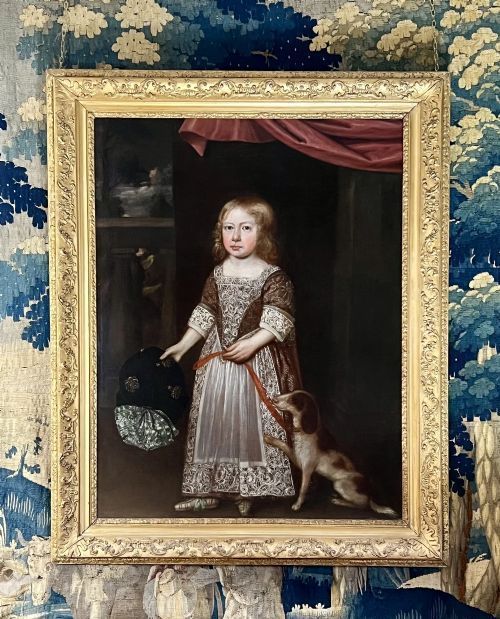
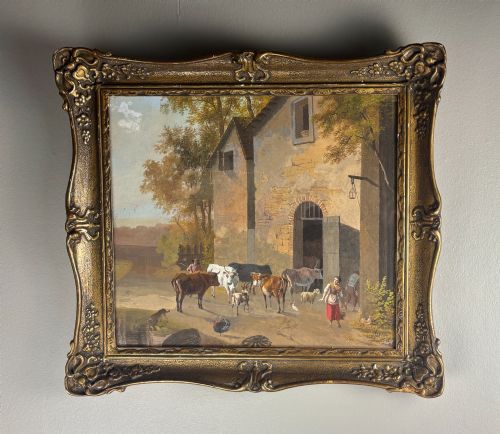
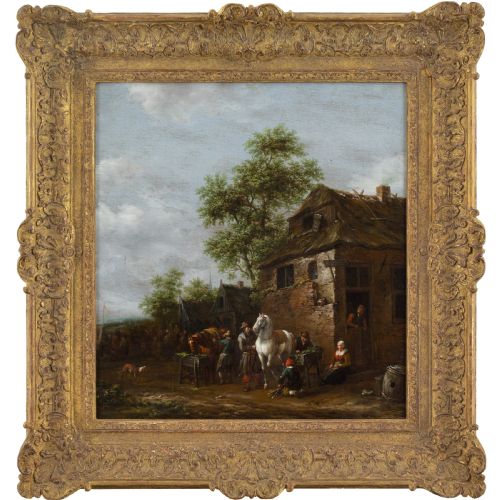
The dominant forms are portraiture and genre scenes, capturing merchants, nobility, officers, and ordinary peasants in everyday moments. Landscapes and maritime subjects also feature prominently, reflecting the historical maritime dominance and domestic pride of the Netherlands during this era.
Most examples originate from the seventeenth century itself, though works created in the Baroque and Dutch Golden Age styles continue to emerge through later revivals. Buyers encounter everything from intimate panel paintings to large canvases intended for grand interiors.
Materials and methods
Artists of this period applied oil paint onto stretched canvas or prepared wooden panels using fine brushes to build up rich layers of tone and texture. Ground layers were carefully applied to seal the support before the artist painted the main composition.
Pigments were derived from minerals, earths, and organic sources, mixed with vegetable oils such as linseed to achieve durability and luminosity. Gilding and carved giltwood frames frequently complement the finished paintings, adding architectural presence to the artwork.
Current listings feature seventeenth and nineteenth century oil paintings on canvas and wood, focusing on portraiture, landscape, and still life.
Distinctions in quality
Quality in these paintings rests upon the precision of brushwork, the depth of shadow and light, and the psychological nuance captured in facial expressions or natural textures. Master works demonstrate confident handling of fabrics, skin tones, and atmospheric perspective that lesser studio copies lack.
The condition of the paint layer and the survival of the original support significantly influence the standing of a piece. Retaining historical frames and maintaining minimal overpaint across the canvas elevates the integrity of the surviving artwork.
Constantyn Netscher·Pieter Borseler·Bartholomeus van der Helst·Bonaventura Peeters·Johannes Lingelbach·Gaspar Peeter Verbruggen·David Teniers·Jan van Staveren·Sir Anthony Van Dyck·Godfried Schalcken·Frans Snyders·Nicolaes Maes·Simon Pietersz Verelst·Cornelis Van Poelenburgh·Marmaduke Cradock·Jacob Bogdani·Jan Cossiers·Pieter Claesz·Pieter Nason·Philips Wouwerman·Jacob Knyff·Abraham Storck·Jan Steen·Arnold van Boonen·Abraham Lambertsz van den Tempel
The 17th Century Dutch Artwork Glossary
- Oil on panel
- A painting technique where oil pigments are applied directly to a prepared wooden board rather than woven fabric. Panels were especially common in earlier northern European works.
- Baroque
- An artistic style characterised by dramatic lighting, deep shadows, and emotional intensity. This movement dominated European art throughout the seventeenth century.
- Provenance
- The documented history of ownership of an artwork from its creation to the present day. Clear records help establish authenticity and historical context.
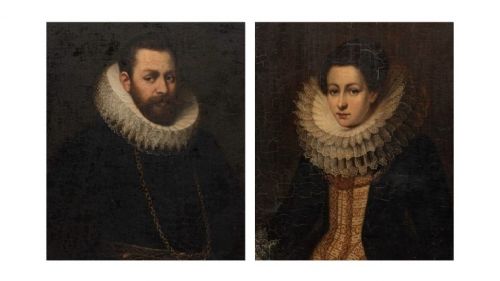
- Ruff
- A starched, pleated white collar worn by men and women during the late sixteenth and early seventeenth centuries. Its intricate folds serve as a useful dating marker in portraits.
- Old Master
- A term applied to European painters of high skill working before the nineteenth century. It also refers to the works produced by these established practitioners.
17th Century Dutch Artwork: Frequently Asked Questions
How do I identify a seventeenth century portrait?
Look closely at the clothing styles, such as ruff collars, doublets, and lace cuffs, which shift rapidly across decades. Hairdressings and framing devices within the composition also offer reliable chronological clues.
Compare the handling of light on fabrics against documented examples from the same decade. Inscriptions or signatures on the canvas reverse occasionally confirm the sitter or approximate date.
What is the difference between canvas and panel?
Wooden panels were standard for smaller, highly detailed works produced early in the period, offering a rigid surface for precise brushwork. Canvas became more widespread for larger formats due to its portability and lower weight.
Panels require stable environmental conditions to prevent warping of the wood over centuries. Canvas is susceptible to punctures and slackening, often requiring relining during historic conservation.
Where were these paintings originally displayed?
Wealthy merchants, civic officials, and nobility hung these artworks in the principal reception rooms of townhouses and country estates. Smaller genre scenes and landscapes were typically collected for domestic living spaces.
Public institutions and guild halls also commissioned large group portraits and maritime battle scenes for their meeting chambers. Today, these works transition easily into both traditional and modern residential interiors.
How should I care for an old master oil painting?
Keep the artwork away from direct sunlight, heating vents, and damp environments to protect the fragile oil pigments and wooden or canvas supports. Stable humidity prevents the paint layer from cracking or flaking.
Dust the surface gently with a soft, dry brush without applying pressure or cleaning solutions. Consult a professional conservator if the varnish darkens or structural repairs become necessary.