
17th Century Carved Wood
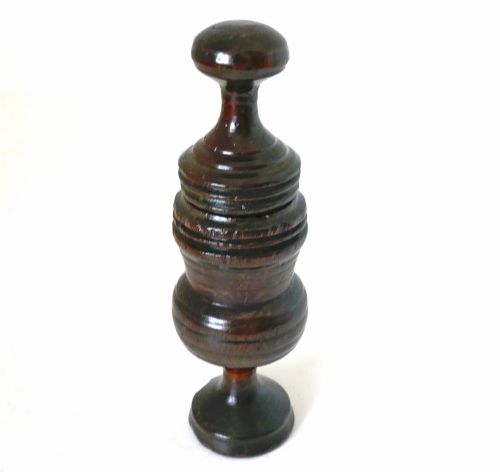
When you handle 17th century carved wood, you hold heavy oak, walnut, and fruitwood shaped by centuries of use and the carpenter's chisel.
17th Century Carved Wood
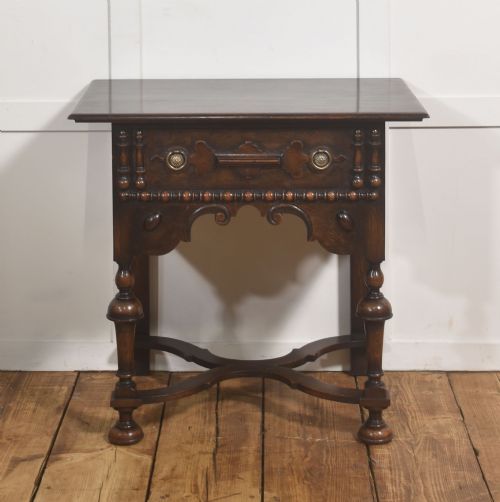
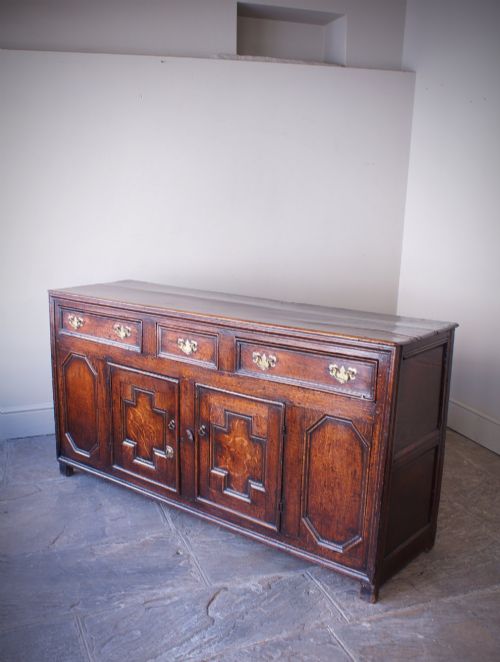
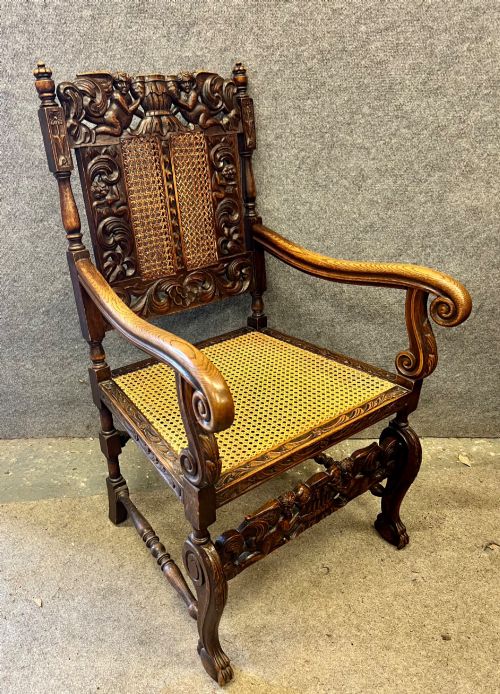
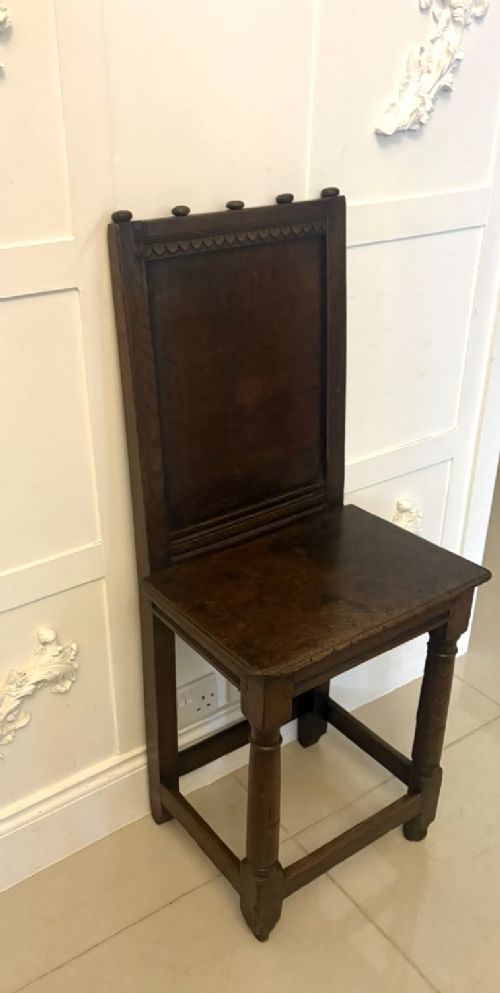
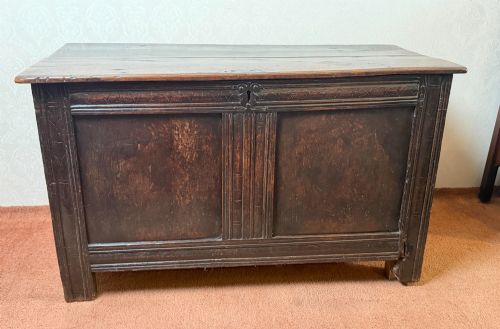
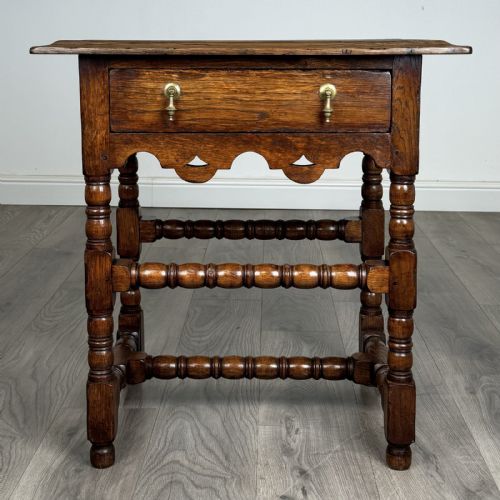
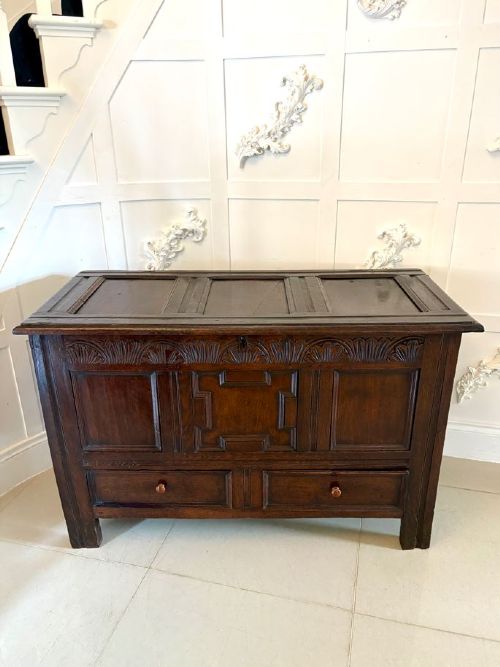
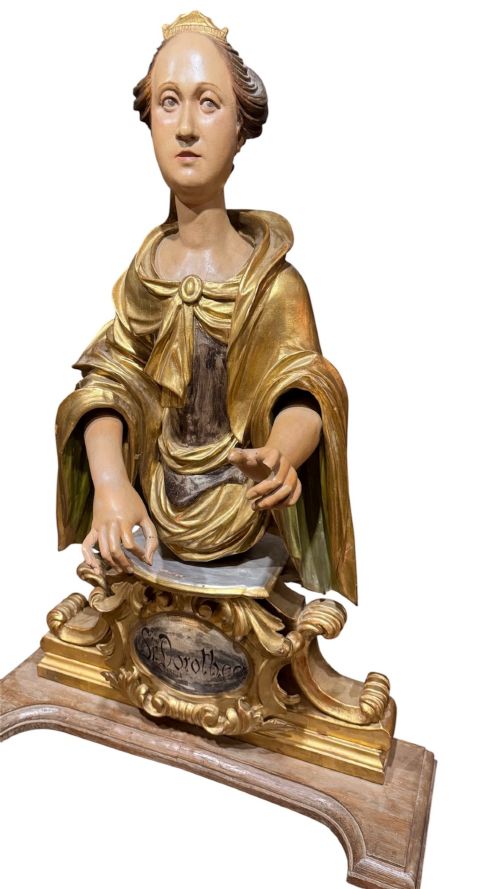
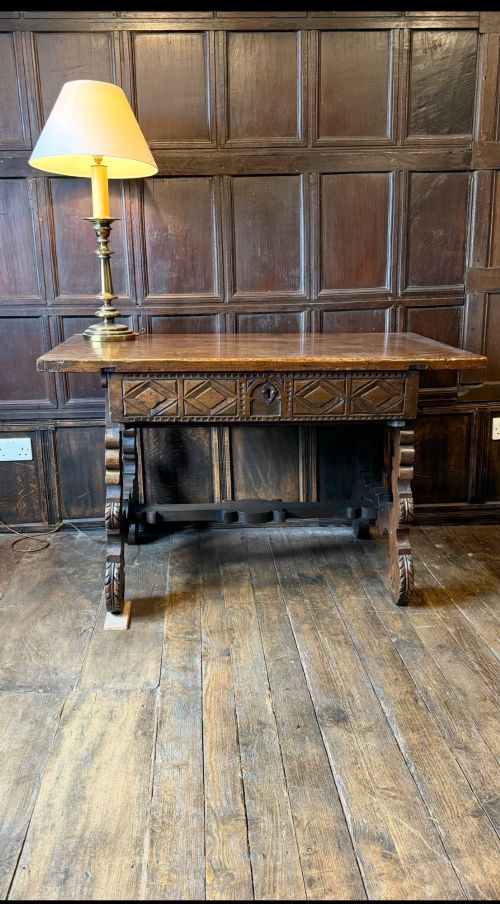
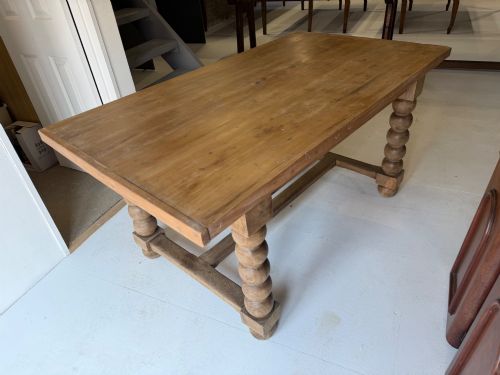
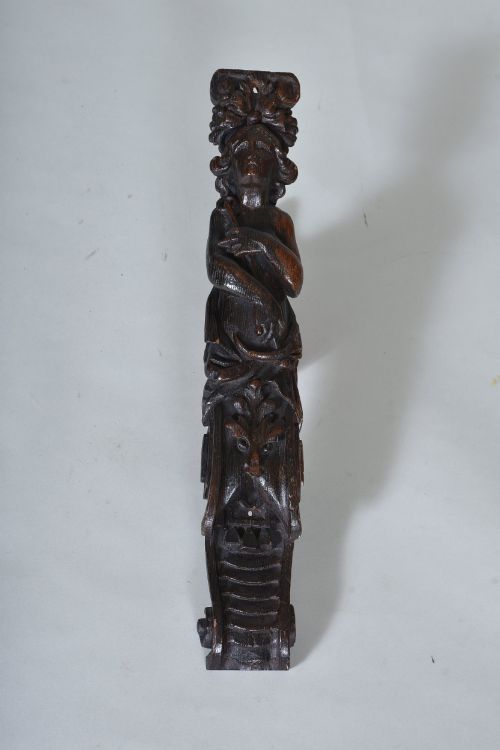
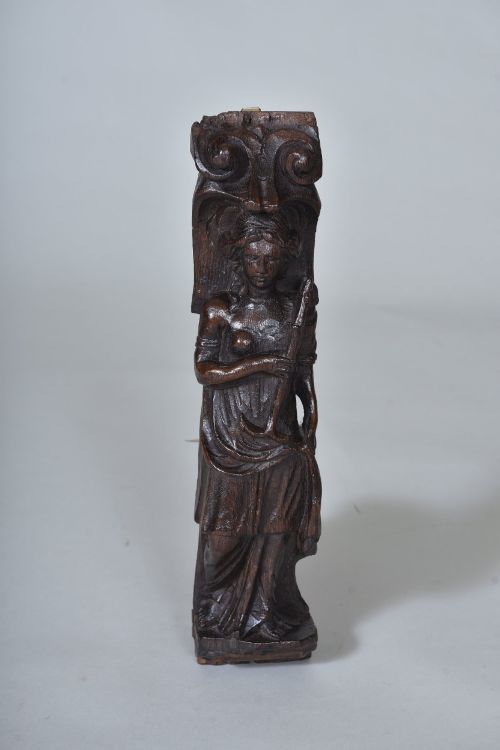
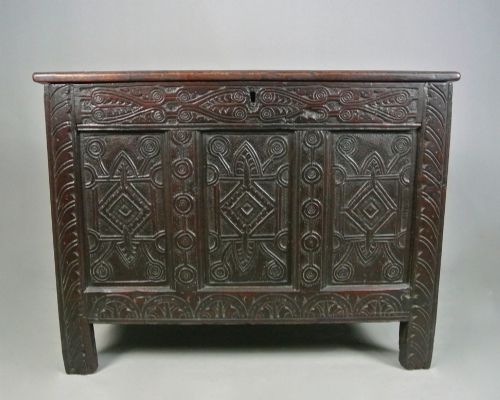
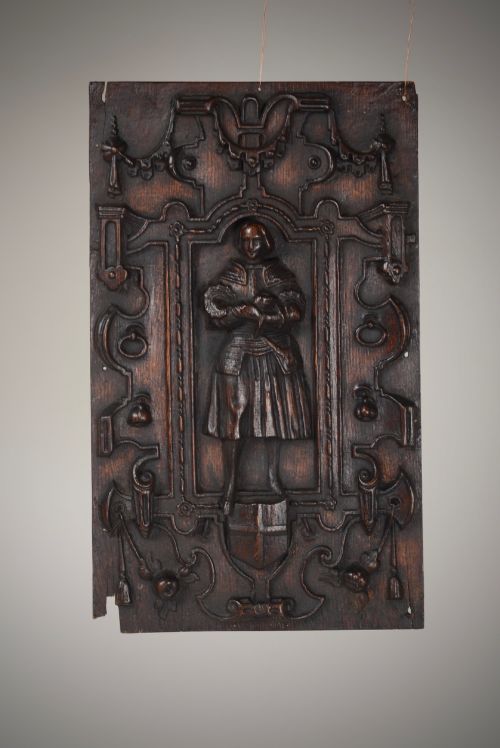
The search for 17th century carved wood encompasses practical domestic items and decorative architectural fragments from a period of heavy joinery. You will encounter sturdy coffers, panelled chests, wainscot chairs, and side tables alongside detached reliefs and figural carvings.
Most pieces appearing in trade are constructed from regional European hardwoods like English oak and Italian walnut. They survive as functional furniture, decorative wall panels, or devotional figures that reflect the distinct regional styles of the Jacobean, Baroque, and William and Mary periods.
Materials and construction methods
Carpenters relied primarily on durable domestic timbers such as oak, walnut, sycamore, and chestnut, supplemented by brass or iron hardware and gold leaf on giltwood surfaces. Surfaces were shaped using hand chisels and gouges to produce deep relief panels, geometric mouldings, and intricate scrolling foliage.
Joinery techniques relied on pegged mortise and tenon joints to build rigid frames for coffers, tables, and seating. Carved decoration was executed directly into the solid structural timber or applied as separate reliefs pinned to the carcass.
Current listings feature furniture and architectural elements spanning from the sixteenth century through the Georgian and Victorian revivals.
Quality factors in early woodwork
The distinction between ordinary utility items and superior work lies in the depth and sharpness of the carving. Crisp, confident tool work on figural panels and deeply undercut foliage separates master craftsmanship from routine workshop production.
Surface preservation dictates longevity, with untouched original patinas and minimal replacement of structural timber holding the greatest merit. Excessive sanding or heavy modern interventions obscure the tool marks that define the period.
Cesar Bagard·Toussaint Gelton
The 17th Century Carved Wood Glossary
- Coffer
- A large wooden chest used for storage, typically constructed with heavy boarded or panelled sides and a hinged lid. These sturdy receptacles often feature carved front panels executed in high relief.
- Wainscot chair
- A rigid, high-backed wooden armchair characteristic of the domestic interior before upholstered seating became common. They are constructed from solid oak with panelled backs and substantial turned supports.
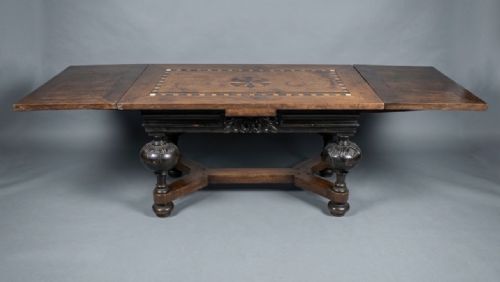
- Draw leaf table
- A dining table fitted with pull-out extension leaves concealed beneath the main top surface. The leaves slide out to extend the surface area while maintaining stability on heavy legs.
- Torchiere
- A tall decorative stand or pedestal designed to support a candlestick or light fitting. Italian examples from the period frequently feature carved figures such as putti supporting the upper platform.
- Oyster veneer
- Decorative woodwork created by cross-cutting small branches or roots at an angle to produce circular and oval patterns resembling oyster shells. This technique was favoured during the late seventeenth century.
17th Century Carved Wood: Frequently Asked Questions
What is a wainscot chair?
A wainscot chair is an early form of wooden armchair constructed with solid panelled backs and heavy joinery. They were built primarily from oak for domestic use in prosperous households.
These chairs feature sturdy armrests and sturdy turned legs, reflecting the architectural joinery methods of the period rather than modern upholstery techniques.
How do I identify a coffer?
A coffer is a heavy wooden chest designed for storing valuables, textiles, or documents. They usually possess a hinged lid and front panels decorated with carved geometric designs or figural scenes.
Most surviving examples are made from oak and show evidence of hand-cut joints and period iron hinges.
What is oyster veneering?
Oyster veneering is a decorative technique where timber branches are sliced transversely to reveal circular grain patterns resembling oyster shells. Craftsmen arranged these slices closely across table tops and cabinet doors.
This method created intricate surface patterns that added visual texture to walnut and olive wood furniture.
How should I clean antique oak?
Antique oak requires minimal intervention to preserve its historic surface and natural patina. Dusting with a dry, soft cloth is usually sufficient for regular maintenance.
Avoid using modern silicone polishes or water, as excess moisture can penetrate unsealed wood and damage the ancient fibres.