

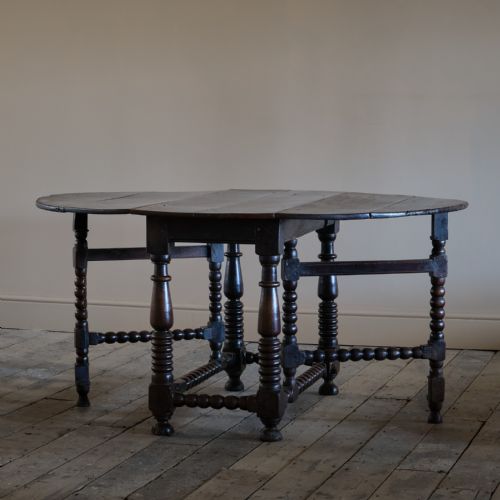


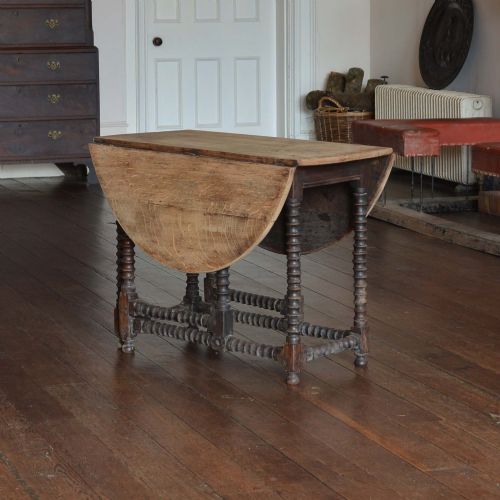

17th Century Bobbin Table
These 17th century bobbin table pieces combine solid oak timbers with distinctive turned supports, offering practical surface space rooted in seventeenth-century domestic history.
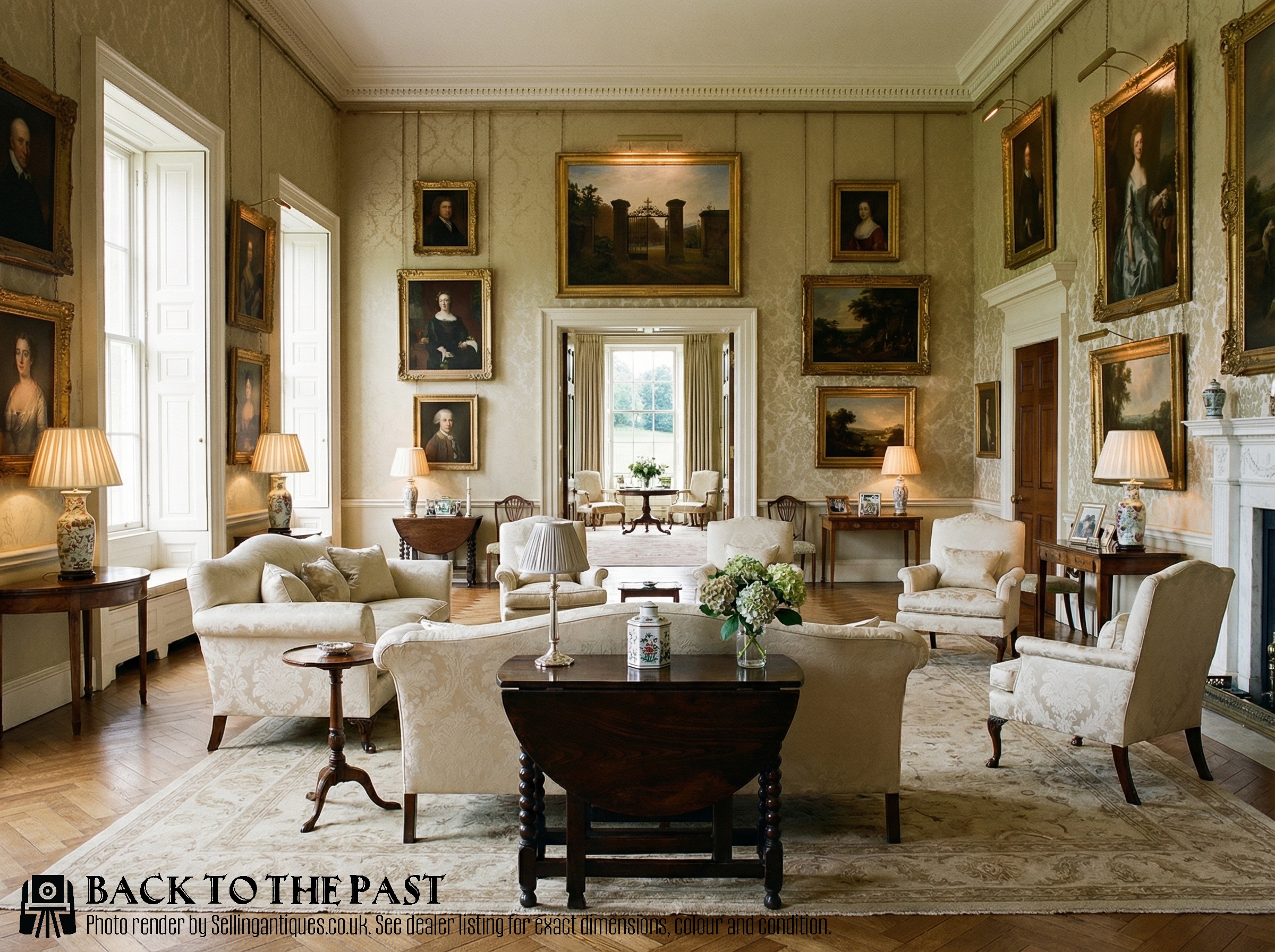
17th Century Bobbin Table
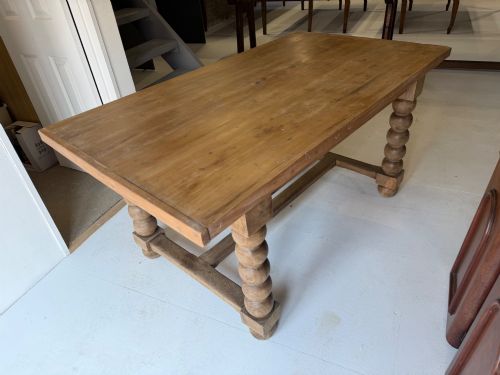
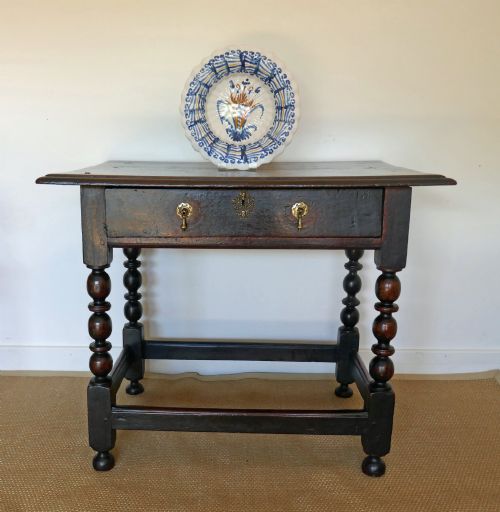
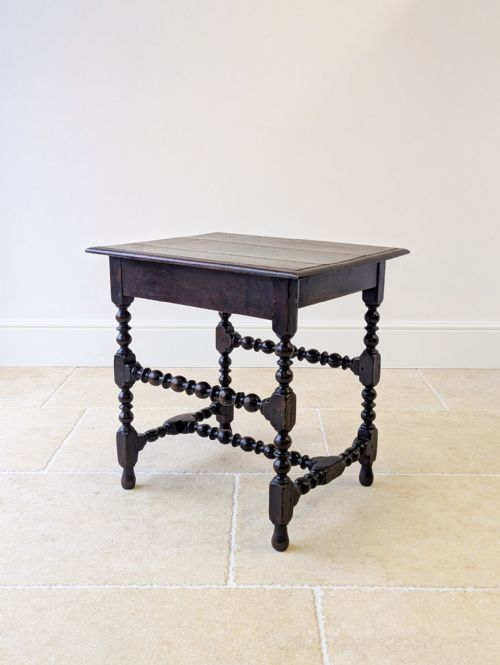
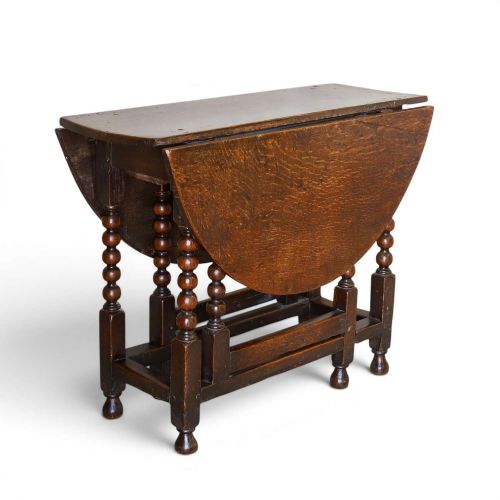
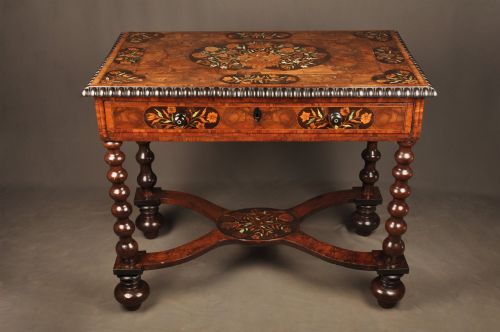
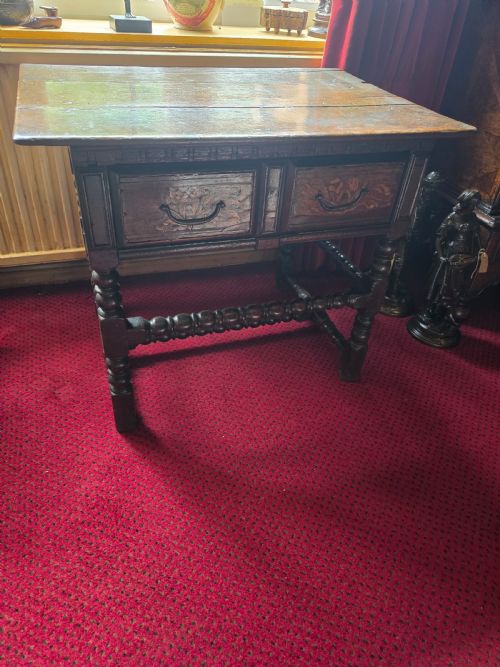
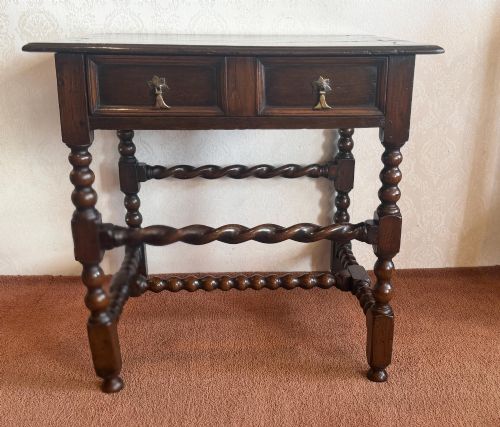
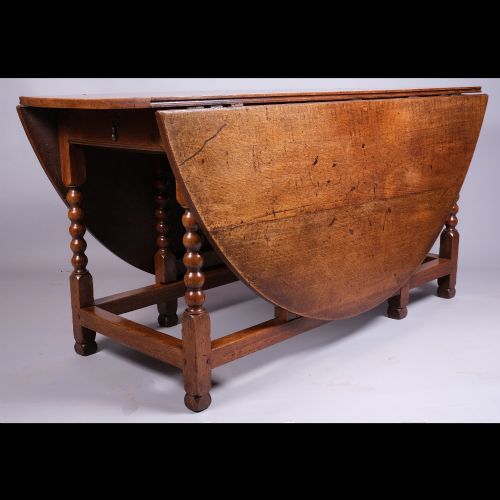
When searching for a 17th century bobbin table, buyers encounter a functional antique form defined by turned wooden legs resembling series of connected bobbins or spools. The selection ranges from compact side tables and occasional tables to larger gateleg drop-leaf dining tables designed to fold away when not in use.
Oak dominates the surviving examples, often paired with walnut, yew wood, beech, or fruitwood marquetry. While many pieces originate directly from the seventeenth century, particularly the Charles II period, revival pieces from later eras also appear in the records.
Distinctions in Quality
The sophistication of the lathe work dictates much of the visual merit, with crisply defined bobbin turnings showing greater manual skill than softer, later interpretations. Timber selection also sets examples apart, distinguishing plain structural boards from pieces incorporating detailed marquetry or rich fruitwood veneers.
Proportion and scale influence desirability, particularly in side and gateleg tables where the balance between the turned underframe and the top board determines the overall presence of the piece.
Certain tables hide extra leaves and folding gates so effectively they resemble modest stands until fully deployed for a feast.
The 17th Century Bobbin Table Glossary
- Bobbin turn
- A method of woodturning that produces a series of rounded, spool-like swellings along the length of a leg or stretcher. This technique creates a rhythmic, repeating profile popular in seventeenth-century furniture.
- Gateleg table
- A table featuring hinged drop leaves supported by legs that swing outward like a gate. This design allows the surface area to expand or contract according to domestic needs.
- Marquetry
- The art of applying decorative veneer pieces to a structure to form intricate patterns or pictures. Craftsmen utilised various fruitwoods to achieve contrasting tones on tabletop surfaces.
- Credence table
- A specialised form of side or altar table, often featuring a folding top supported by a swinging drawer or leg frame. These pieces served practical domestic and ecclesiastical functions in the period.
- Ebonised wood
- Timber treated with a dark stain or finish to simulate expensive ebony. This treatment provided strong visual contrast against lighter marquetry elements.
17th Century Bobbin Table: Frequently Asked Questions
How do I use a gateleg table daily?
These tables function well as dining surfaces or occasional centre tables when fully opened. Drop leaves lower easily to save space against a wall between meals.
Their sturdy oak frames accommodate regular use while retaining the character of seventeenth-century craftsmanship.
What woods appear in these tables?
Oak forms the primary structural material for the majority of surviving examples. Makers also utilised yew wood, beech, walnut, and fruitwood marquetry.
Secondary woods often appear in internal framing or secondary veneers on decorative tops.
How do I tell period pieces apart?
Seventeenth-century pieces typically display hand-cut joinery and signs of age-related wear on native oak timbers. Revival pieces from the nineteenth century often utilise softer turning profiles or different secondary woods.
Comparing the construction methods inside drawers and beneath tabletops helps clarify the period of manufacture.
Where should I place an occasional table?
Compact side and occasional tables fit easily into hallways, parlours, or living areas as display surfaces. Their turned legs provide visual interest without demanding excessive floor space.
Keeping them away from direct heat sources protects the historic timber and finish.