




Jacobean Gate Leg Table
A jacobean gate leg table offers sturdy oak construction and folding leaves, providing practical extension for dining spaces with traditional period character.
Jacobean Gate Leg Table
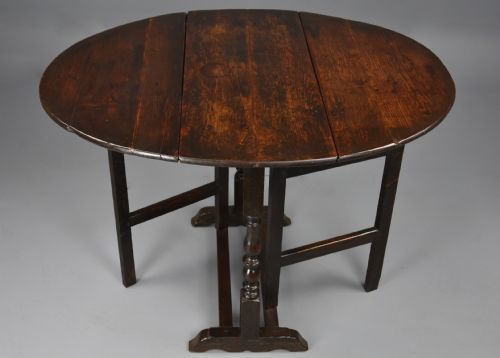
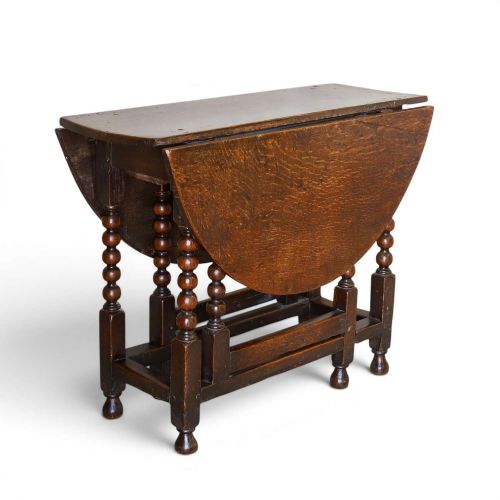
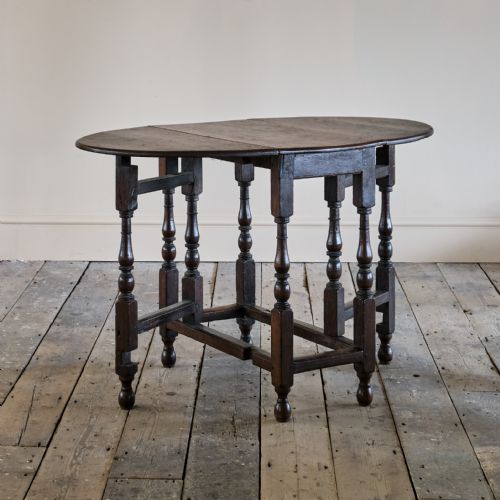
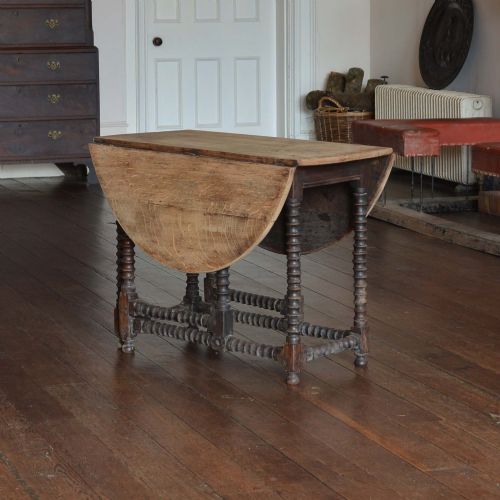
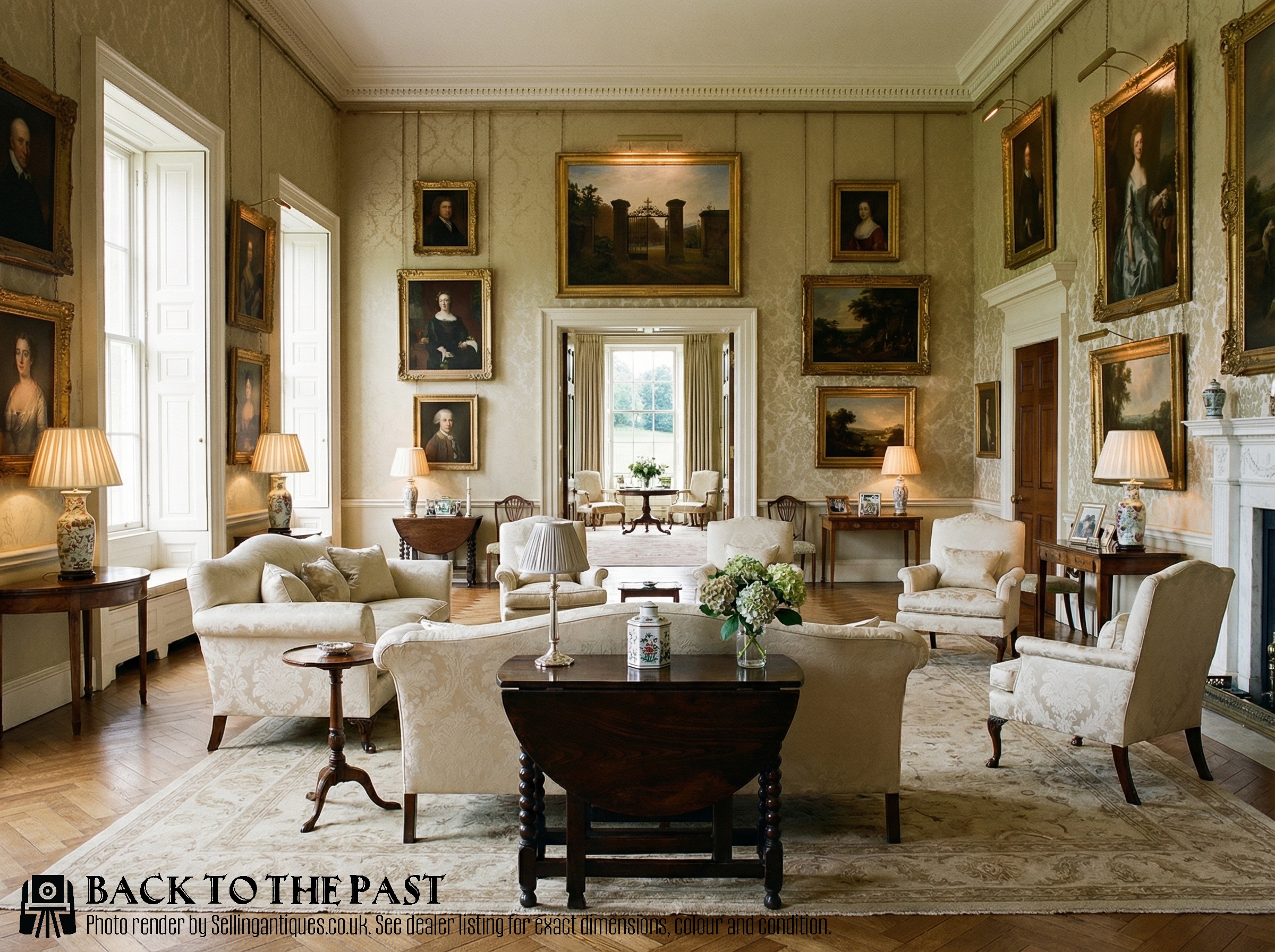
A jacobean gate leg table is a form of drop-leaf furniture where hinged flaps are supported by swinging legs, allowing the surface area to expand when needed. The selections on this page span several centuries, with authentic seventeenth-century pieces sitting alongside later nineteenth-century revivals and twentieth-century interpretations.
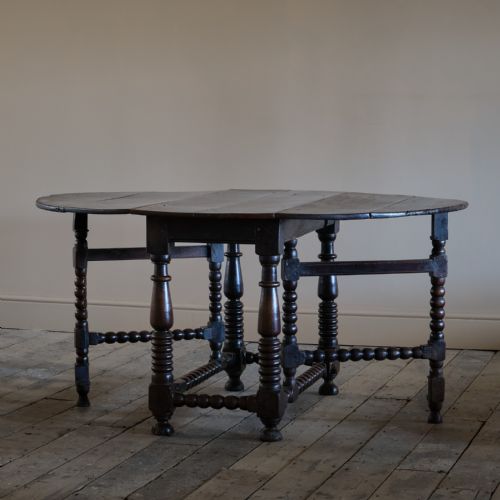
Most examples found here are constructed from oak, taking the form of dining tables, smaller occasional tables, or coffee tables. Buyers encounter varying proportions, ranging from compact small tables suited to tight spaces to large dining variants designed to seat multiple people.
How they were made
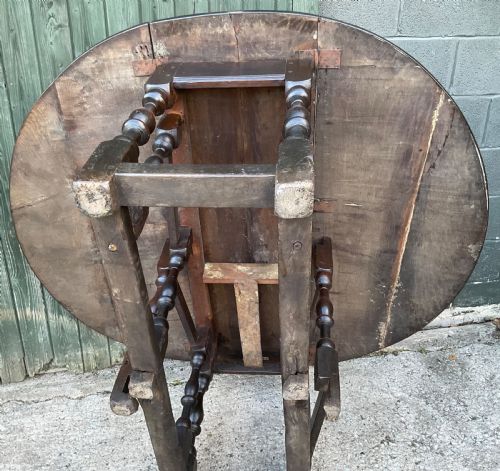
The primary material across the majority of these pieces is solid oak, joined and turned by hand to form the structural frame and swinging gate legs. Iron and brass components often appear as hinges or fittings supporting the drop leaves and folding mechanisms.
Turned wooden elements define the support structure, utilising bobbin turning, baluster posts, or barley twist motifs to shape the legs. These components are pegged or mortised together to sustain the movement of the folding leaves over repeated use.
Listings feature oak predominantly as the primary material, alongside occasional examples utilising mahogany, iron, and brass fittings.
What varies in quality
Quality in these tables depends upon the integrity of the timber and the depth of the original surface finish, often described as patina. Pieces retain more character when the timber ages naturally with the grain intact rather than showing signs of aggressive modern restoration.
Construction solidity separates standard examples from superior ones, specifically how firmly the swinging gate legs lock into position to support the drop leaves. The complexity of the turning on the legs, such as intricate bobbin or baluster work, also distinguishes finer examples.
The Jacobean Gate Leg Table Glossary
- Gateleg table
- A table with hinged leaves supported by one or more legs that swing outward like a gate. This design allows the surface to fold down compactly when not in use.
- Bobbin turned
- A style of woodturning where the leg or stretcher resembles a series of spool-like spheres or beads carved in succession. This decorative turning is frequently seen on seventeenth-century pieces.
- Baluster post
- A vertical column support that swells in thickness toward the lower section before tapering down to the foot. These sturdy posts form the main structural legs on larger tables.
- Drop-leaf
- A tabletop featuring a fixed centre section with hinged flaps on either side that raise to extend the overall surface. The movable flaps rely on the swinging gate mechanism for physical support.
- Patina
- The surface sheen and colour developed by wood through age, handling, and exposure to light over many decades. A desirable patina shows a deep, warm tone unique to antique timber.
Jacobean Gate Leg Table: Frequently Asked Questions
How do I date a gate leg table?
Dating relies upon examining the timber species, the style of the turned legs, and the construction methods used in the frame. Seventeenth-century examples typically feature hand-carved oak with pegged joints, whereas later nineteenth-century revivals display different tool marks and secondary woods.
Hardware details like iron hinges and the wear patterns on the feet also provide clues to age. Comparing the joinery against documented period styles helps establish whether a piece originates from the 1600s or a later revival period.
Are these tables sturdy enough for daily dining?
Solid oak construction gives these tables substantial weight and stability for everyday meals. The swinging gate mechanism securely supports the drop leaves when fully extended.
Care should be taken to ensure the swinging leg is properly positioned under the leaf before applying heavy weight. Regular use benefits from checking that the wooden hinges and pivot points remain aligned.
What is the difference between Jacobean and Jacobean Revival?
Jacobean pieces were made during the seventeenth century under the reigns of James I and Charles II, utilising period construction techniques and native oak. Jacobean Revival items were manufactured later, primarily during the nineteenth and twentieth centuries, copying those earlier seventeenth-century forms.
Revival furniture borrows the signature bobbin turning, dark oak finish, and gate-leg configuration of the original era. Examining the interior joinery and timber oxidation usually reveals whether a piece is an authentic seventeenth-century survivor or a later copy.
How do I care for an antique oak surface?
Maintaining an antique oak table involves using soft cloths for dusting and avoiding silicone-based polishes that build up over time. Natural beeswaxes applied sparingly help nourish the dry grain and preserve the surface finish.
Keeping the table away from direct heat sources and strong sunlight prevents the oak from splitting or warping. Using mats under hot dishes or wet glasses protects the historic patina from moisture rings.