




15ct Gold Band
A 15ct gold band is a historical ring offering warmth and substance, sought after for its distinct gold purity and enduring craftsmanship.
15ct Gold Band
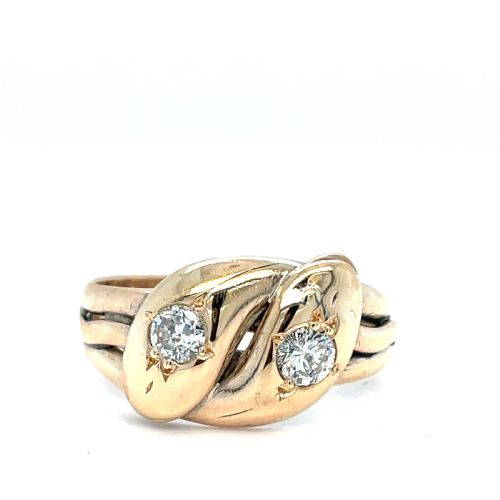
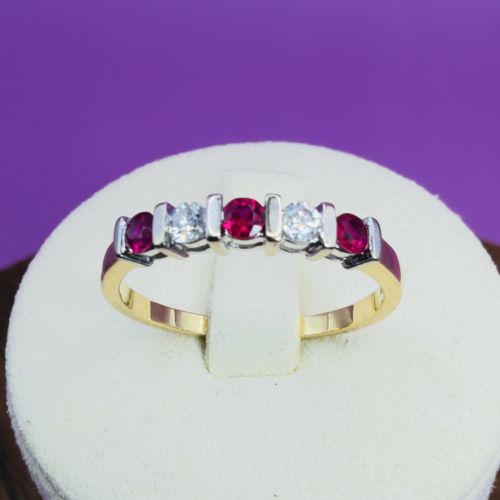
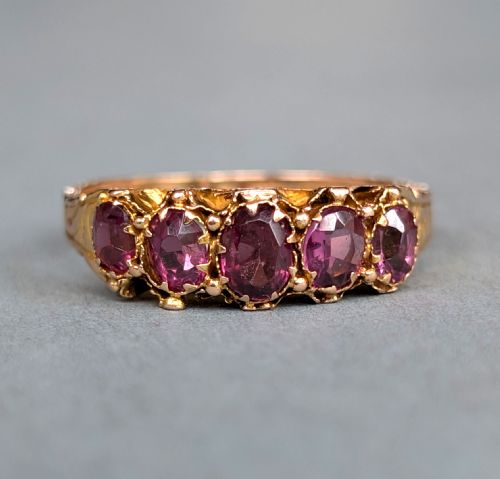
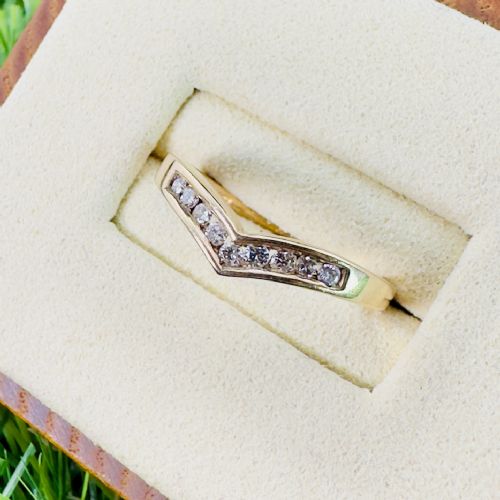
When searching for a 15ct gold band, buyers encounter pieces primarily originating from the Victorian, Edwardian, and Georgian periods. These rings often incorporate gemstone settings alongside the metal, featuring rubies, turquoise, pearls, and diamonds.
The most common forms on this page include patterned wedding bands, gem-set dress rings, and engraved styles. These rings reflect the distinct aesthetic preferences of the nineteenth and early twentieth centuries.
How they were made
The construction of these pieces relies on fifteen-carat gold, utilised in both standard and yellow gold tones. Metalsmiths shaped and engraved the gold to form solid bands and secure detailed gemstone arrangements.
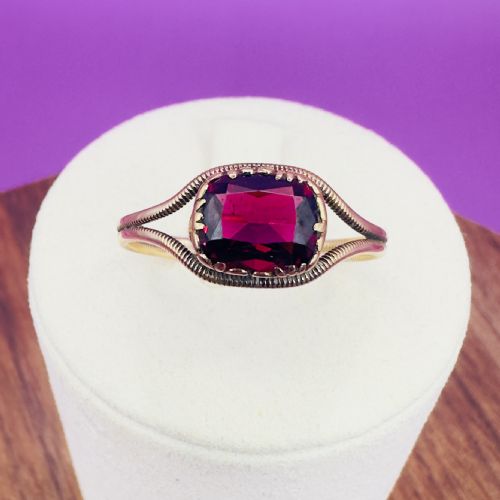
Craftsmen integrated stones such as garnets, seed pearls, and old mine cut diamonds directly into the gold mountings. Techniques included flush gypsy settings, claw settings, and hand-engraved surface patterns.
Some Victorian makers hid tiny braided hair compartments inside the bands, creating secret monuments to affection.
What varies in quality
Quality in these bands is determined by the crispness of the hand-engraving and the structural integrity of the gold work. Finer examples maintain deep, legible motifs and secure metal settings that show minimal wear.
The selection and matching of stones also influence the piece, with well-matched seed pearls or vibrant rubies elevating the overall standard of the ring.
The 15ct Gold Band Glossary
- 15ct Gold
- A specific gold purity standard containing fifteen parts pure gold out of twenty-four. This alloy was commonly used in British jewellery during the Victorian and Edwardian eras before the introduction of nine-carat and eighteen-carat standards.
- Gypsy Ring
- A style of ring where the gemstones are flush-set into the thick band, sloping smoothly away to the finger. This design became popular in the late nineteenth century for both men and women.
- Old Mine Cut
- An early form of diamond cut featuring a near-square girdle, high crown, and large culet facet. These stones were hand-faceted before the advent of modern machinery.
- Seed Pearl
- A very small natural or cultured pearl, often drilled and threaded onto wire or glued into clusters. They frequently accent floral and sentimental nineteenth-century designs.
- Buckle Ring
- A ring shaped to resemble a buckled belt, symbolising loyalty and strength in Victorian jewellery. These bands are often heavily engraved across the surface.
15ct Gold Band: Frequently Asked Questions
How do I date a 15ct gold band?
Dating relies on hallmarks stamped inside the band, which often indicate the assay office, such as Chester or Birmingham, alongside a date letter. Stylistic clues like hand-engraving and gemstone arrangements also help determine the period.
Assay marks provide precise markers, while the overall design reflects the broader aesthetic trends of the Victorian and Edwardian eras.
Can I wear a 15ct gold band every day?
Fifteen-carat gold is durable enough for daily wear, but the presence of softer stones like turquoise or seed pearls requires extra care. These organic or porous gems are more susceptible to moisture and impact.
Consider removing the ring during rigorous physical activities to protect both the gemstones and the fine metal engraving.
What is the difference between yellow gold and standard 15ct gold?
Fifteen-carat gold naturally possesses a deeper, richer hue than modern lower-carat alloys due to the higher proportion of pure gold. Specific descriptions mentioning yellow gold typically highlight the particular alloy mix used by the maker.
Both variants share the same gold content standard, differing primarily in the subtle warmth of the colour.
How should I clean my antique ring?
Cleaning should be done gently using a soft cloth and warm, soapy water, avoiding harsh chemical dips that can damage pearls or turquoise. Submerging gem-set rings can weaken old adhesives or settings.
Regular, careful wiping maintains the polish of the gold without risking the integrity of the historic stones.