




12 Light Crystal Chandelier
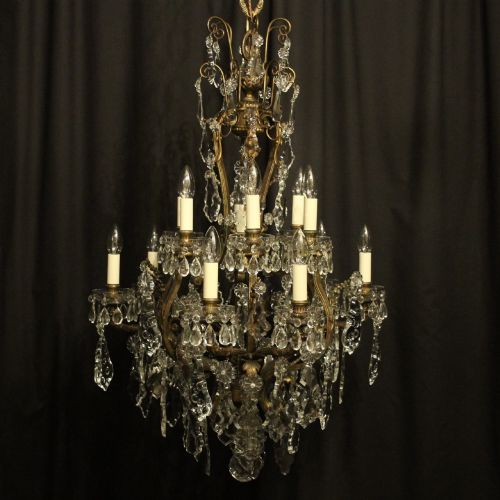
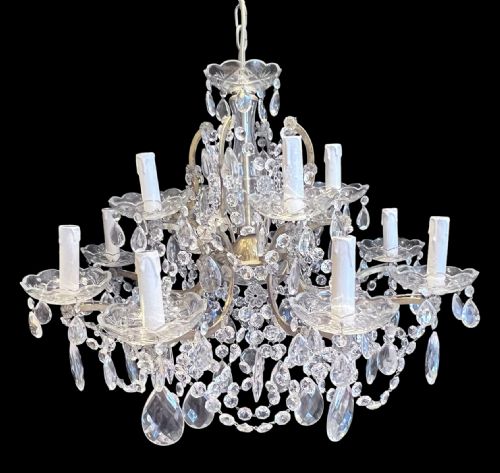
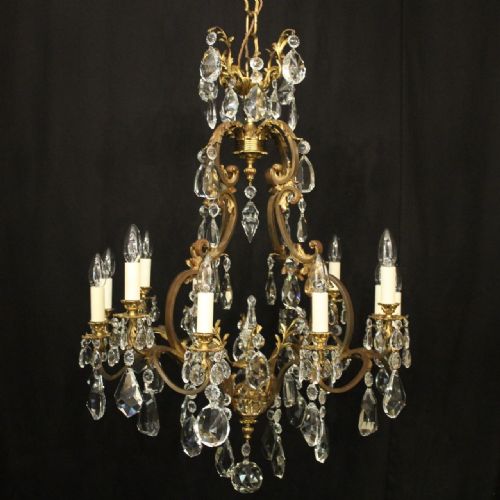
A 12 light crystal chandelier brings grand illumination and architectural focus to a room through its numerous candle arms and sparkling glass drops.
12 Light Crystal Chandelier
A 12 light crystal chandelier provides substantial illumination through twelve distinct candle arms or branches arranged across single or double tiers. These fixtures dominate a space with their generous spread and vertical presence.
The selections here span from the nineteenth century through the Edwardian era and the 1920s and 1930s. French and Italian designs predominate, often reflecting styles such as Regency, Rococo, and Empire.
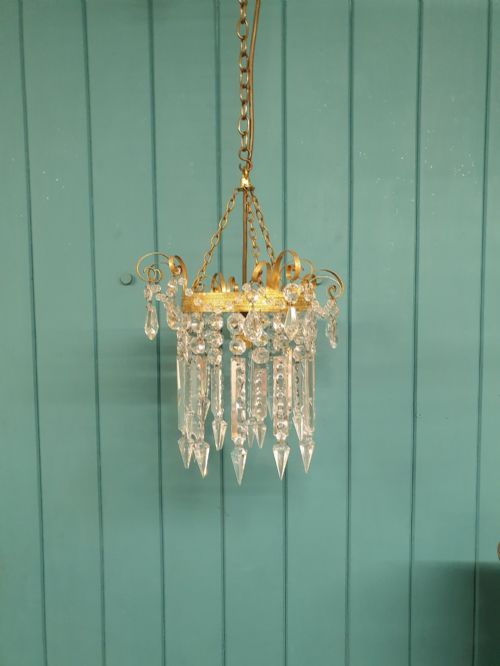
Common formats include tiered configurations, tent and bag arrangements, and birdcage structures. Each variant directs light through cascading drops, spikes, and swags to create a brilliant focal point in a high-ceilinged room.
How they were made
The primary structural frames rely on metals such as brass, gilt metal, bronze, and gilded bronze. These sturdy skeletons support the weight of numerous glass elements while providing decorative metalwork along the arms and mounts.
Decoration depends heavily on cut glass and crystal pendants, drops, and beads wired to the frame. Artisans shaped these glass components by hand, cutting facets to maximise the refraction of candle or early electric light.
Materials across the listings include gilded bronze, brass, cut glass, and crystal from the nineteenth century through the 1930s.
What varies in quality
The sophistication of the metal casting and the richness of the gilding set examples apart. Heavier bronze frames with chased detailing indicate superior craftsmanship compared to simpler stamped brass.
The clarity and cutting style of the crystal elements dictate the overall brilliance of the fixture. Deeply cut crystal prisms scatter light with greater precision than plain moulded glass pendants.
Baccarat
The 12 Light Crystal Chandelier Glossary
- Tent and bag chandelier
- A lighting fixture featuring an upper conical section of glass strings resembling a tent dropping down to a gathered bag of crystal beads below. This construction style became popular during the eighteenth and nineteenth centuries.
- Birdcage
- A metal skeletal frame formed of curved straps that houses internal candle arms and supports exterior glass draping. The profile resembles an ornate aviary.
- Double tiered
- A lighting arrangement featuring two distinct vertical levels of arms projecting outward. This design increases the light output and visual mass of the fixture.
- Gilded bronze
- A metal alloy treated with a gold finish, often calledormolu. It provides a durable and decorative surface for the structural elements of the chandelier.
- Drop
- An individual piece of cut glass or crystal suspended from the frame. Drops catch and reflect the illumination across the room.
12 Light Crystal Chandelier: Frequently Asked Questions
How do I choose the right size?
Consider the floor area and ceiling height of your room to ensure the fixture balances the proportions of the space without dominating it entirely.
Twelve light models require generous clearance so the spread of the arms and the hanging drops sit comfortably above foot traffic.
How were these originally lit?
These fixtures were designed to hold numerous wax candles placed along the drip pans of each arm. The flickering flames relied on the surrounding crystal pendants to amplify the ambient light.
Many surviving examples have since been adapted for electrical wiring while retaining their historic aesthetic.
How do I hang a heavy chandelier?
Suspension requires securing the fixture directly into the ceiling joists or structural timber using heavy-duty fixings rated for the combined weight of metal and glass. Professional installation ensures the ceiling can safely bear the constant load.
Adjusting the chain length allows the chandelier to hang at the correct height for the room.
How do I identify the period?
Dating relies on examining the metal casting techniques, the style of the glass cutting, and the overall structural silhouette. Edwardian and 1920s pieces often exhibit lighter brass frames, whereas nineteenth-century examples frequently feature heavier gilded bronze.
Archival records and specific design motifs help narrow down the decade of manufacture.