


A 2026 Guide by Sellingantiques
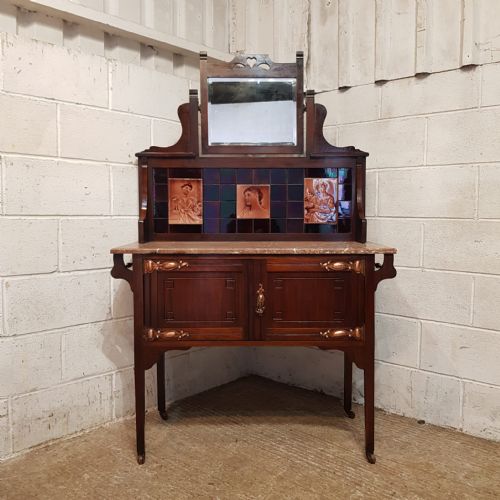
High-quality Antique Victorian Gothic Pitch Pine Washstand Dressing Table - 19th Century, 19th Century
Priced at £1,046 from Prior and Willis
Early forms were simple tripod basin stands that appeared in the mid-eighteenth century.
Look at Georgian examples, often built into corners to save space in small bedchambers.
Victorian antique washstands grew much larger to support heavier ironstone toilet sets.
Indoor plumbing eventually sent these pieces to the spare room.
Enclosed types with doors below allowed chamber pots to stay out of sight during the day.
Thomas Chippendale supplied enclosed corner washstands for several documented late eighteenth-century commissions.
Gillows of Lancaster produced hundreds of mahogany washstands with their signature reeded legs.
Heal and Son featured simple painted pine variations in their late nineteenth-century bedding catalogues.
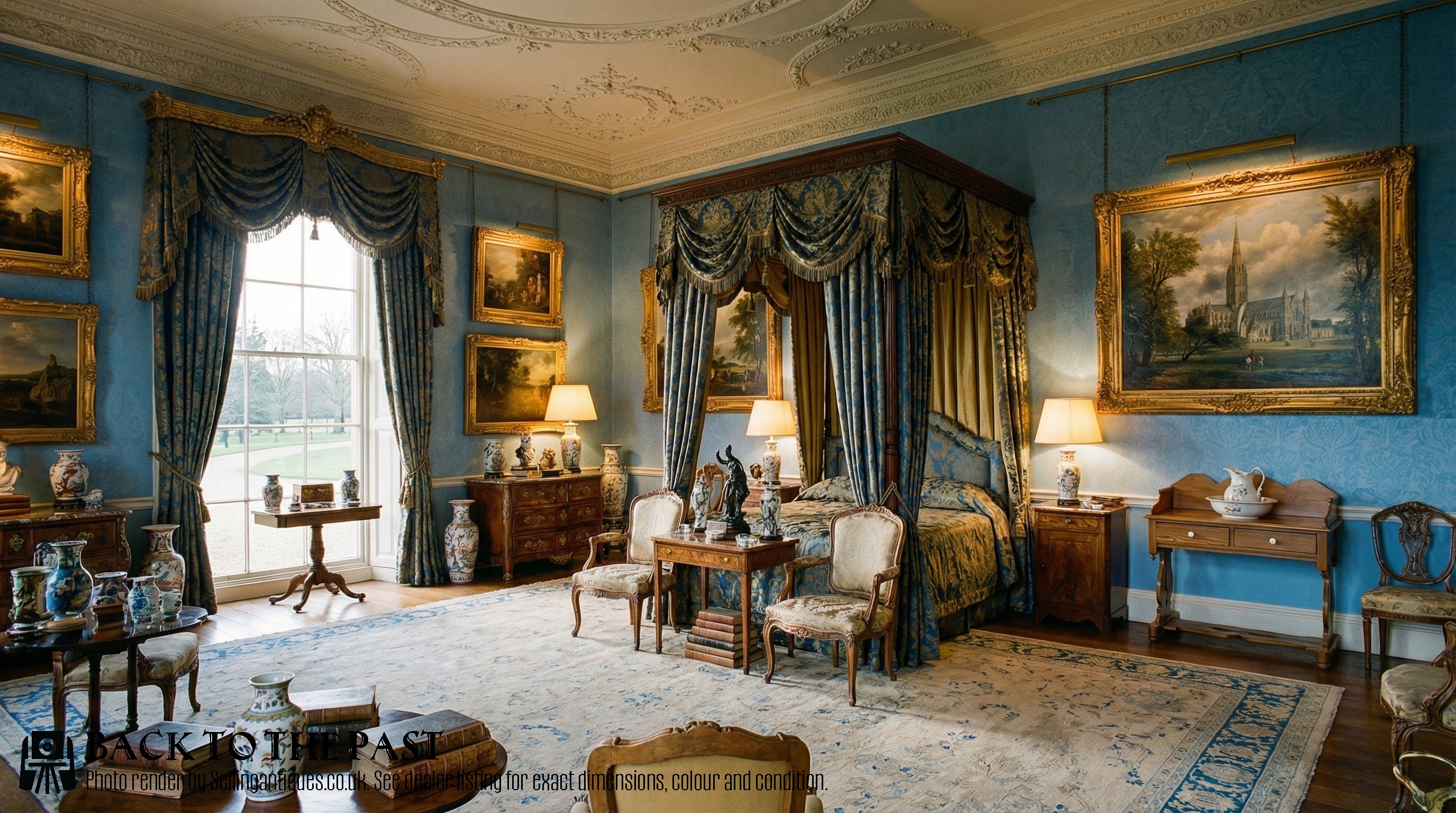
Georgian Mahogany Corner Washstand, Georgian
Priced at £325 from Pareglio & Ayres Antiques Interiors
The 2026 retail price guide for Antique Washstands is drawn from a proprietary archive of over 1.1 million retail prices indexed by Sellingantiques since 2003. This guide relies exclusively on their own internal data; no external sources or auction records are used.
Analysing nearly 25 years of UK antique market history alongside current retail values, the data indicates that typical UK retail prices for Antique Washstands range between £300 and £1,000. Entry-level prices generally fall under £300 and premium examples upwards of £1,000.
Raised splashbacks run along the back edge to stop wet walls.
Towel rails are sometimes fitted directly to the side frames on later models.
Circular cut-outs in the top board held the wash basin securely in place.
Antique Victorian Painted Pine Washstand, 19th Century
Priced at £795 from Desired Effect Antiques Ltd
Hand-cut dovetails join the drawer linings on older mahogany examples.
Later Victorian factory production shifted to machine-cut joints and heavy dowelled frames.
Turners shaped simple square stock into elaborate baluster legs on the lathe.
"Many double designs were built to allow two people to wash at once."
"Some clever folding variations look exactly like closed desks until you open them up."
"Military campaigns spurred the creation of portable washstands that packed flat for transport."
Based on almost 25 years of Sellingantiques UK antique market data, Antique Washstands appeared 2060 times (out of 1,100,000 antiques) which gives it a rarity score of 66/100.
This score measures scarcity within the Sellingantiques archive only and is not a survey of the entire antiques market, so these statistics may not be indicative of the general availability of Antique Washstands elsewhere.
It depends on the height and leg room. Flat-topped Victorian washstands often work well as small writing tables. You just need a chair that fits under the frieze drawer.
Designs with basin cut-outs are harder to adapt. Some people fit a custom sheet of glass over the top to create a solid working surface without altering the wood.
Warm soapy water usually lifts everyday dirt. Wipe it dry straight away so water does not sit on the surface.
Yes, that hole was cut to hold a wash bowl. The drawer below held soap or a sponge. These corner washstands were popular in Georgian homes where bedroom space was tight.
They rarely turn up with their original ceramic bowls intact. Most owners track down a later basin that fits the ring, or they place a flat plate over the hole to display a vase instead.
That is a towel rail. Makers fixed them to the side frames so wet towels could dry after washing. It kept the damp cloth away from the painted surfaces of the main carcase.
Some larger washstands have these rails on both sides. If the rod feels loose, it might just need a spot of animal glue in the socket to hold it firm again.
Please note: This Antique Washstands guide and its associated pricing data are provided for general informational purposes only. It does not constitute formal financial, investment, or appraisal advice and should not be relied upon as the sole basis for any commercial activity, purchasing, or sales decisions. Sellingantiques.co.uk accepts no liability for any actions taken in reliance on this information. Always consult with a qualified professional or independent appraiser.
