





A 2026 Guide by Sellingantiques
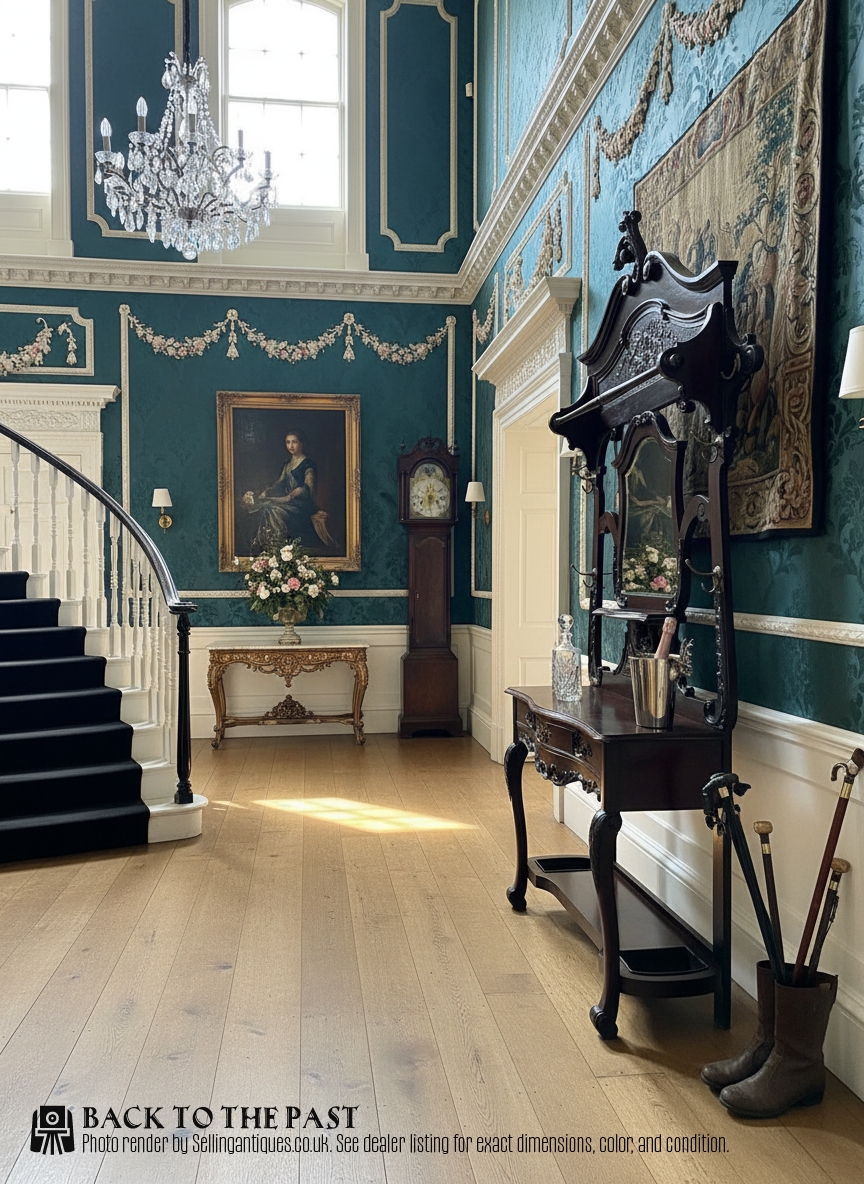
Quality Antique 19th Century Victorian Carved Mahogany Hall Stand, 1860
Priced at £1,795 from London City Antiques
The earliest antique hall stands appear around the 1830s. Before that, houses had enough staff to take your coat directly.
A response to mid-century urban living. Narrow terraced houses needed tall, compact storage for dripping wet outdoor gear.
Look at the shift in shape over the decades. They went from heavy solid mahogany branches to lighter panelled frames.
By the late nineteenth century, most respectable homes had one. Cast iron versions also became popular for tighter spaces.
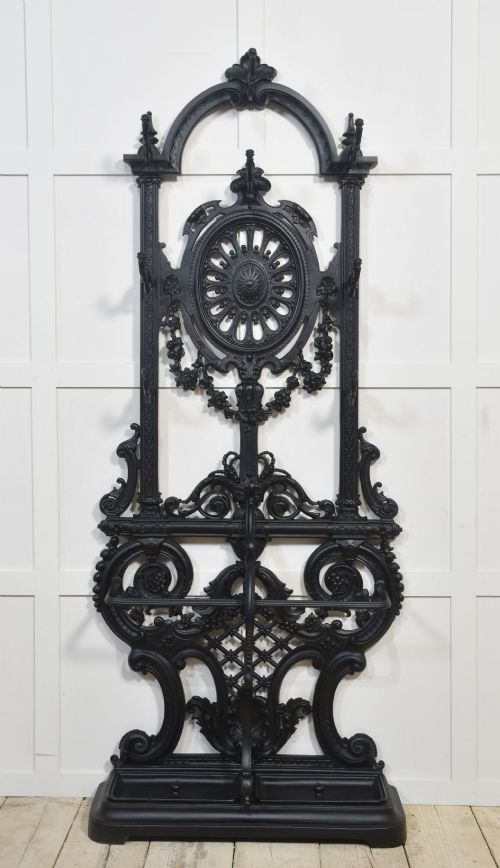
Coalbrookdale is the famous name for cast iron hall stands. They operated through the nineteenth century, producing heavily registered foundry designs.
Most wooden antique hall stands carry no maker mark. The regional furniture trade turned them out in high volume for local retailers.
James Shoolbred & Co made wooden examples during the late nineteenth century. Their pieces often bear a stamped metal label on the back.
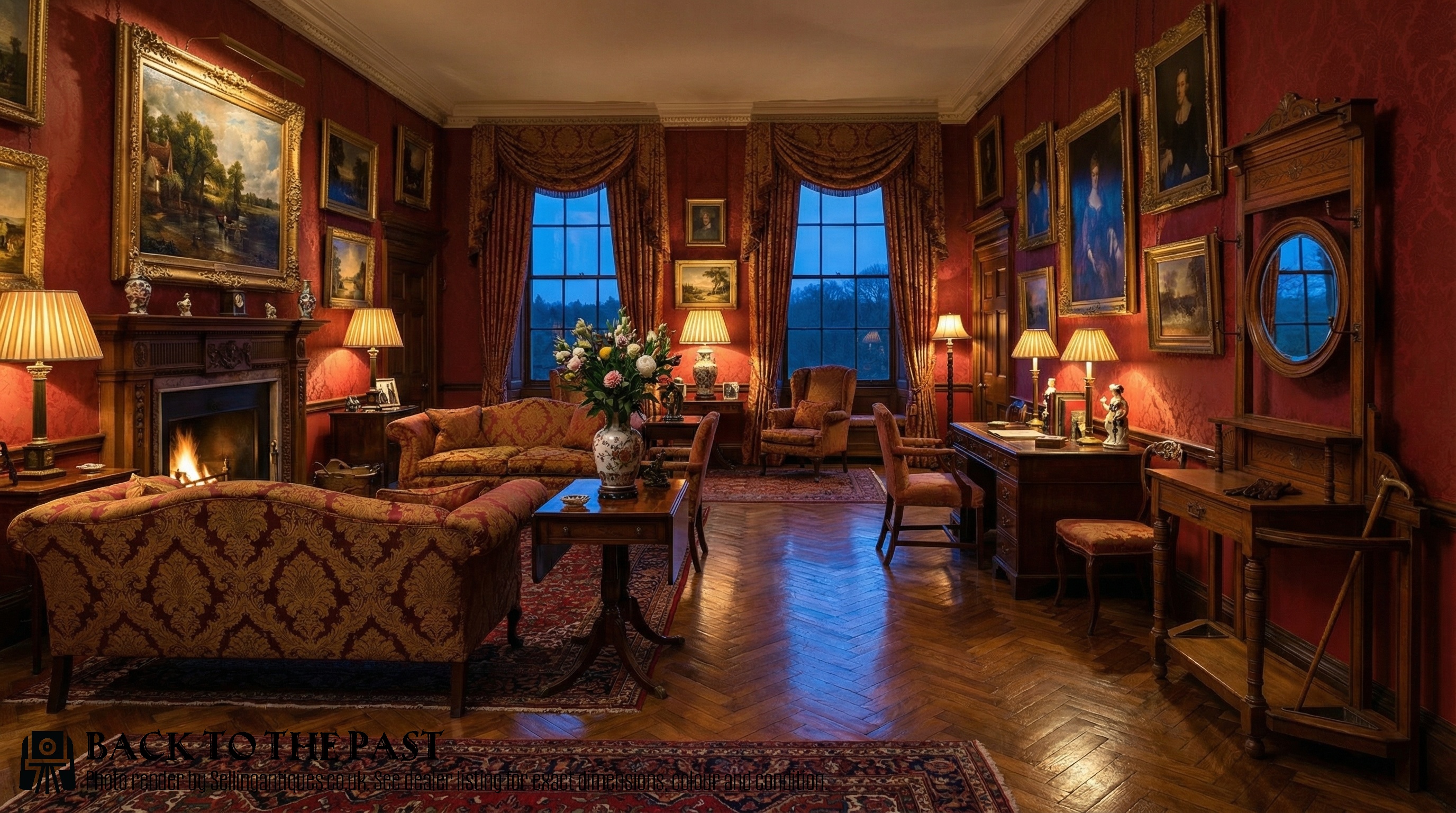
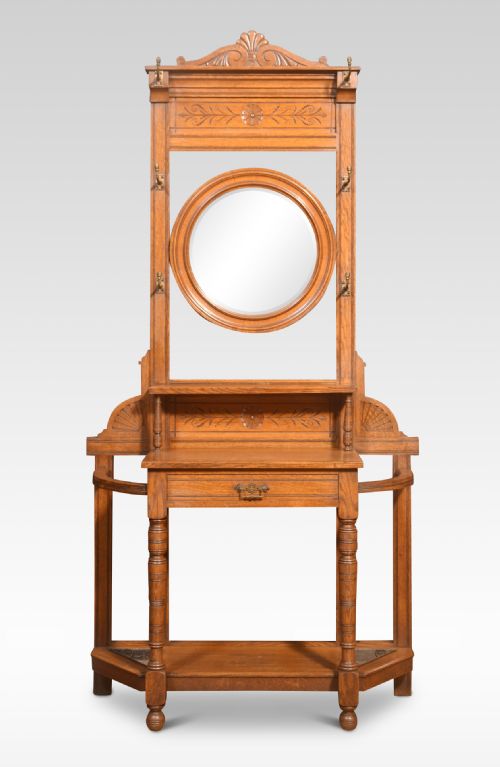
Oak Hall Stand, 1900
Priced at £1,275 from Shackladys Antiques
The 2026 retail price guide for Antique Hall Stands is drawn from a proprietary archive of over 1.1 million retail prices indexed by Sellingantiques since 2003. This guide relies exclusively on their own internal data; no external sources or auction records are used.
Analysing nearly 25 years of UK antique market history alongside current retail values, the data indicates that typical UK retail prices for Antique Hall Stands range between £400 and £1,800. Entry-level prices generally fall under £400 and premium examples upwards of £1,800.
Hooks are the main working parts. Turned wooden pegs feature on older stands, while later ones use heavy brass hardware.
A central mirror is common on late Victorian pieces. This lets you check your hat before stepping out.
Storage at the base handles wet umbrellas. Expect to find a metal rail and a removable drip tray underneath.
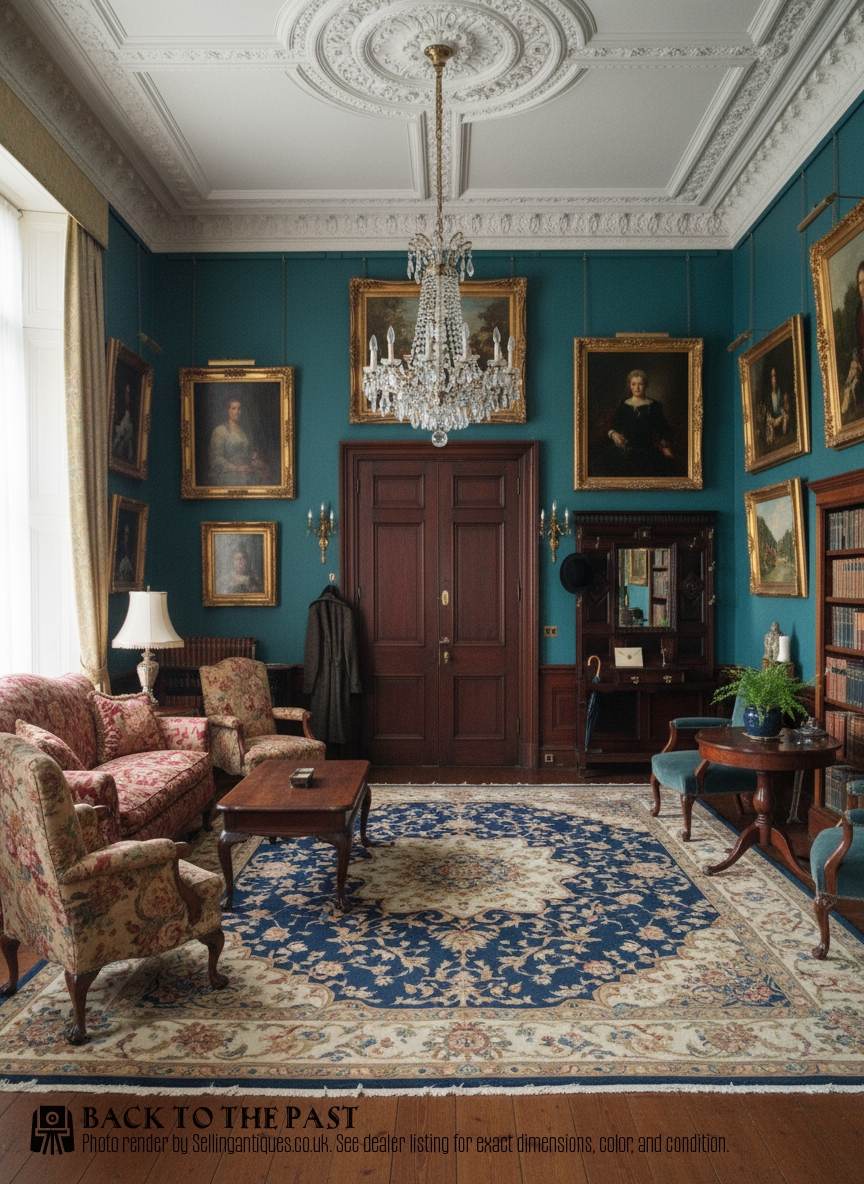
Large Size Victorian Mahogany Hat , Coat Hall Stand, 1890
Priced at £975 from James R Millington Antiques
Early Victorian stands often use a central turned pillar. Craftsmen carved heavy arms joined with thick wooden dowels.
Later panelled designs rely on standard mortise and tenon joinery. The back panels float inside grooved stiles to allow for timber shrinkage.
Cast iron production required casting separate sections. Foundries bolted these together at the back to create the finished piece.
"Some stands feature hidden tile panels. The ceramics provided a bright, easily cleaned surface behind the damp coats."
"Often doubling as seating. Many late nineteenth-century models incorporate a sturdy bench right over the umbrella section."
"Smaller versions exist for corners. Cabinet makers adapted the standard flat backplate to fit neatly into tight entranceway angles."
Based on almost 25 years of Sellingantiques UK antique market data, Antique Hall Stands appeared 3006 times (out of 1,100,000 antiques) which gives it a rarity score of 55/100.
This score measures scarcity within the Sellingantiques archive only and is not a survey of the entire antiques market, so these statistics may not be indicative of the general availability of Antique Hall Stands elsewhere.
Take them out of the stand first. Wash them gently with warm water and a soft cloth to remove old dust and dried mud.
Never scrub zinc pans with abrasive cleaners. This scratches the soft metal and ruins the dull, aged patina.
You can have a mirror resilvered, but most dealers advise against it. The dark spots and grey edges are natural degradation of the original silver backing. Leaving it alone maintains the historical integrity of the piece.
If the glass is cracked or too cloudy to use, replacing it with a modern cut mirror is straightforward. The backboards usually unscrew, allowing the old glass to lift out easily.
They hold small outdoor accessories like gloves and clothes brushes.
Today, they work well for house keys. The interior space is shallow, holding very little.
Most wooden examples take up very little floor space. The umbrella rail at the base is usually the deepest point of the frame.
Cast iron stands can be even thinner. The foundries designed them specifically for tight urban corridors, so they hug the skirting boards closely.
Check the top hooks before you buy. Heavy brass pegs can project further than the base, catching on shoulders as you walk past.
Please note: This Antique Hall Stands guide and its associated pricing data are provided for general informational purposes only. It does not constitute formal financial, investment, or appraisal advice and should not be relied upon as the sole basis for any commercial activity, purchasing, or sales decisions. Sellingantiques.co.uk accepts no liability for any actions taken in reliance on this information. Always consult with a qualified professional or independent appraiser.
