




A 2026 Guide by Sellingantiques
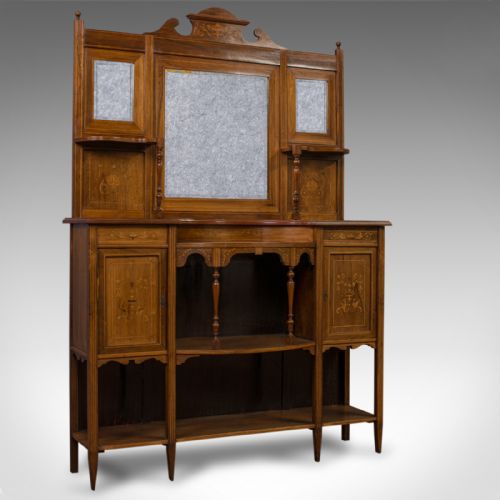
Scottish Victorian Pine Kitchen Dresser, Victorian
Priced at £750 from Sinclairs Antiques and Interiors
Early antique dressers began as simple side tables before makers added high backs to keep plates off dusty floors.
Regional variations developed rapidly across Britain. High backs suited draughty Welsh farmhouses, while low bases worked better in cramped town kitchens.
Look at the shift in purpose over time. Storage mattered just as much as showing off expensive ceramics to visitors.
Demand peaked during the eighteenth and nineteenth centuries when rising middle classes acquired more domestic goods to display.
Documented makers rarely signed provincial furniture. Local joiners built most antique dressers to order for specific farmhouses rather than retail shops.
Styles tell you where a piece originated. North Wales joiners favoured closed cupboards, while Montgomeryshire workshops often left the base open.
Track the influence of distant town fashions. Country makers copied city trends years later, adding mahogany crossbanding to solid oak frames.
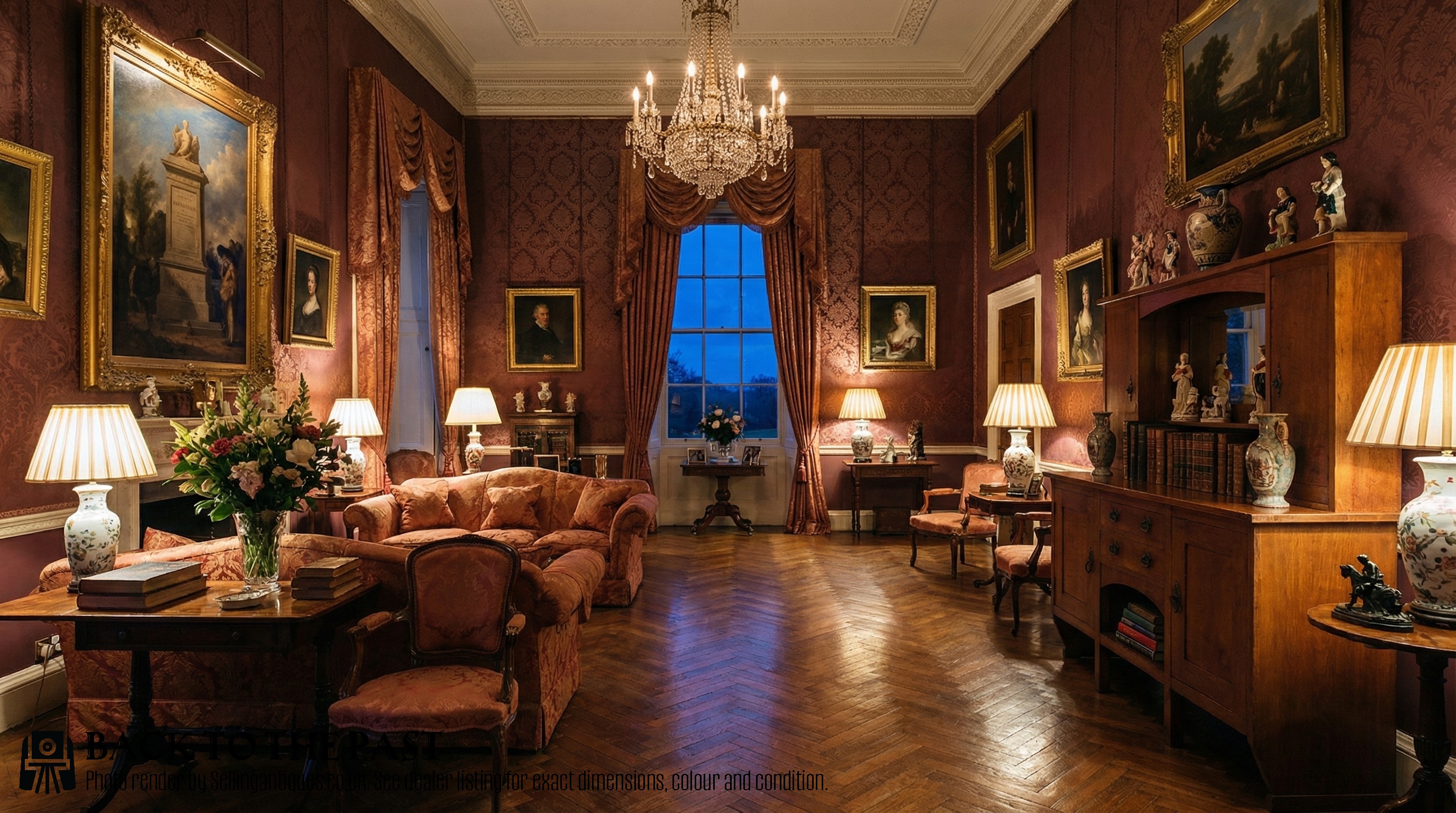
Arts & Crafts Oak Dresser, 1910
Priced at £975 from Millers Antiques
The 2026 retail price guide for Antique Dressers is drawn from a proprietary archive of over 1.1 million retail prices indexed by Sellingantiques since 2003. This guide relies exclusively on their own internal data; no external sources or auction records are used.
Analysing nearly 25 years of UK antique market history alongside current retail values, the data indicates that typical UK retail prices for Antique Dressers range between £800 and £3,700. Entry-level prices generally fall under £800 and premium examples upwards of £3,700.
The rack usually detaches from the base. Wooden shoes at the back locate the uprights, allowing the top to lift away safely.
Open lower shelves are known as pot boards. Cooks stored heavy copper pans here, close to the floor.
Some antique dressers feature a dog-kennel centre, leaving an arched gap between the cupboards to hold large items.
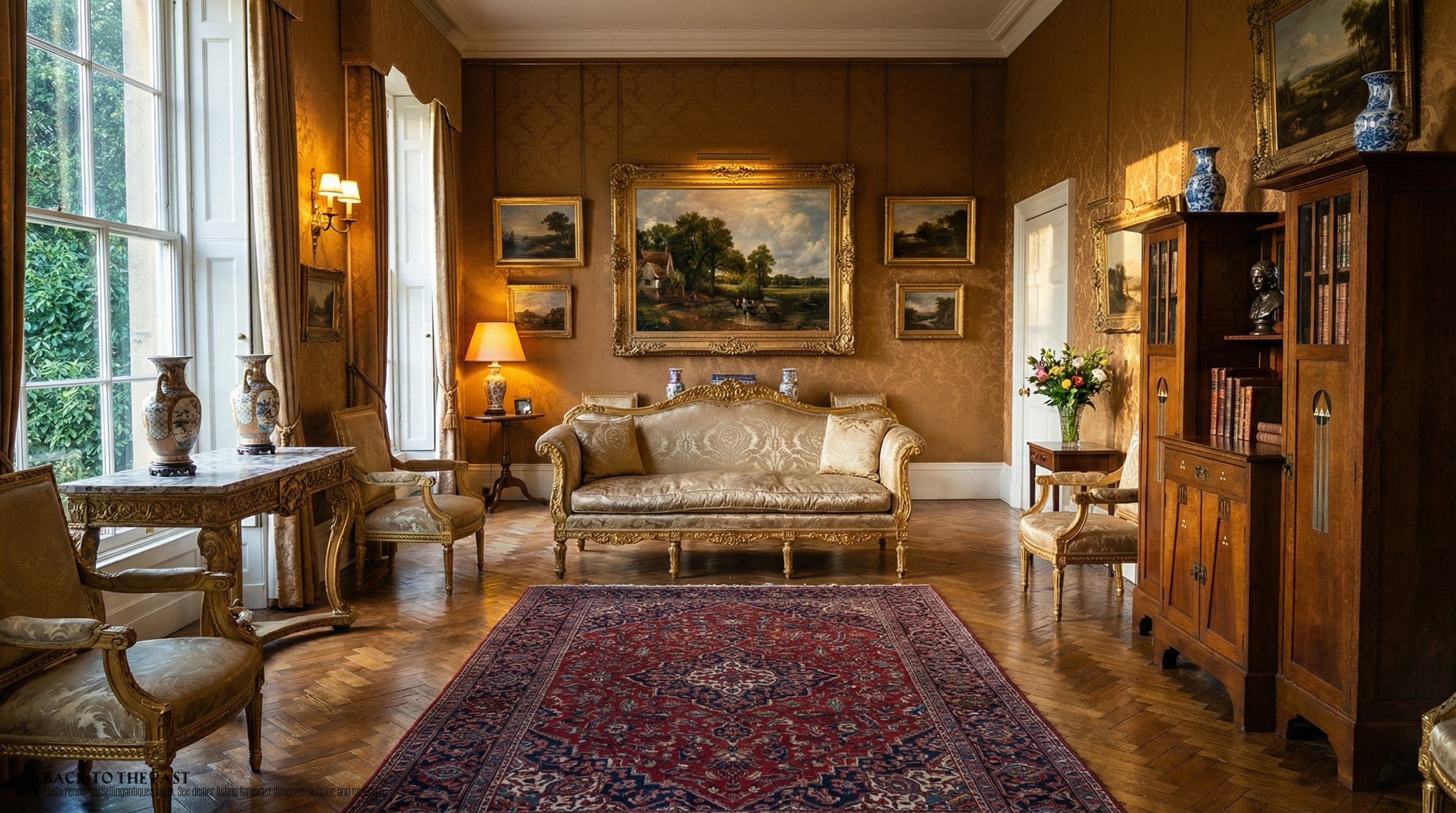
Arts and Crafts Movement Continental Secessionist Sideboard and Dresser, 1910
Priced at £2,300 from The Design Gallery
Hand-cut dovetails hold the drawer boxes together. You will see coarser, wider cuts on early oak and tighter pins on later pine.
Racks were often held together with wooden pegs driven through mortise and tenon joints.
Turn it around to inspect the back boards. Early makers secured rough-sawn planks with rose-headed iron nails.
"Many racks feature shallow grooves cut right into the shelf boards to stop plates slipping forward."
"Deep lower drawers originally kept flour and grain safe from damp floors."
"Certain regional designs incorporated built-in clock cases right into the centre of the rack, combining two vital household items in one."
Based on almost 25 years of Sellingantiques UK antique market data, Antique Dressers appeared 13751 times (out of 1,100,000 antiques) which gives it a rarity score of 6/100.
This score measures scarcity within the Sellingantiques archive only and is not a survey of the entire antiques market, so these statistics may not be indicative of the general availability of Antique Dressers elsewhere.
The upper rack usually lifts off the base. You lift it straight up and out of the wooden shoes fixed to the back of the work surface.
Moving the two halves separately makes navigating doorways much easier. Just remember to empty the drawers and tie the cupboard doors shut before carrying the base section.
Antique dressers usually did all their shrinking and moving centuries ago. The timber adapts slowly to new environments, so sudden shifts in temperature cause the main issues rather than just a dry room.
Keep the piece away from direct heat sources like radiators. A little seasonal movement in the drawer runners is normal and nothing to worry about.
Those are spice drawers. Cooks kept expensive seasonings well above the damp floor and close to eye level.
Some people now use them for storing keys and small household items.
The narrow shelves were built specifically to display plates upright. Most feature a groove cut into the timber near the back edge to stop the rims slipping forward.
Deep shelves would cast shadows and hide the ceramics from view. By keeping the profile shallow, households ensured their plates caught the light from the fire.
Please note: This Antique Dressers guide and its associated pricing data are provided for general informational purposes only. It does not constitute formal financial, investment, or appraisal advice and should not be relied upon as the sole basis for any commercial activity, purchasing, or sales decisions. Sellingantiques.co.uk accepts no liability for any actions taken in reliance on this information. Always consult with a qualified professional or independent appraiser.
