
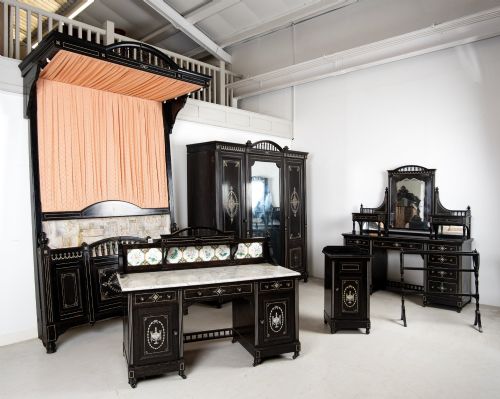


A 2026 Guide by Sellingantiques
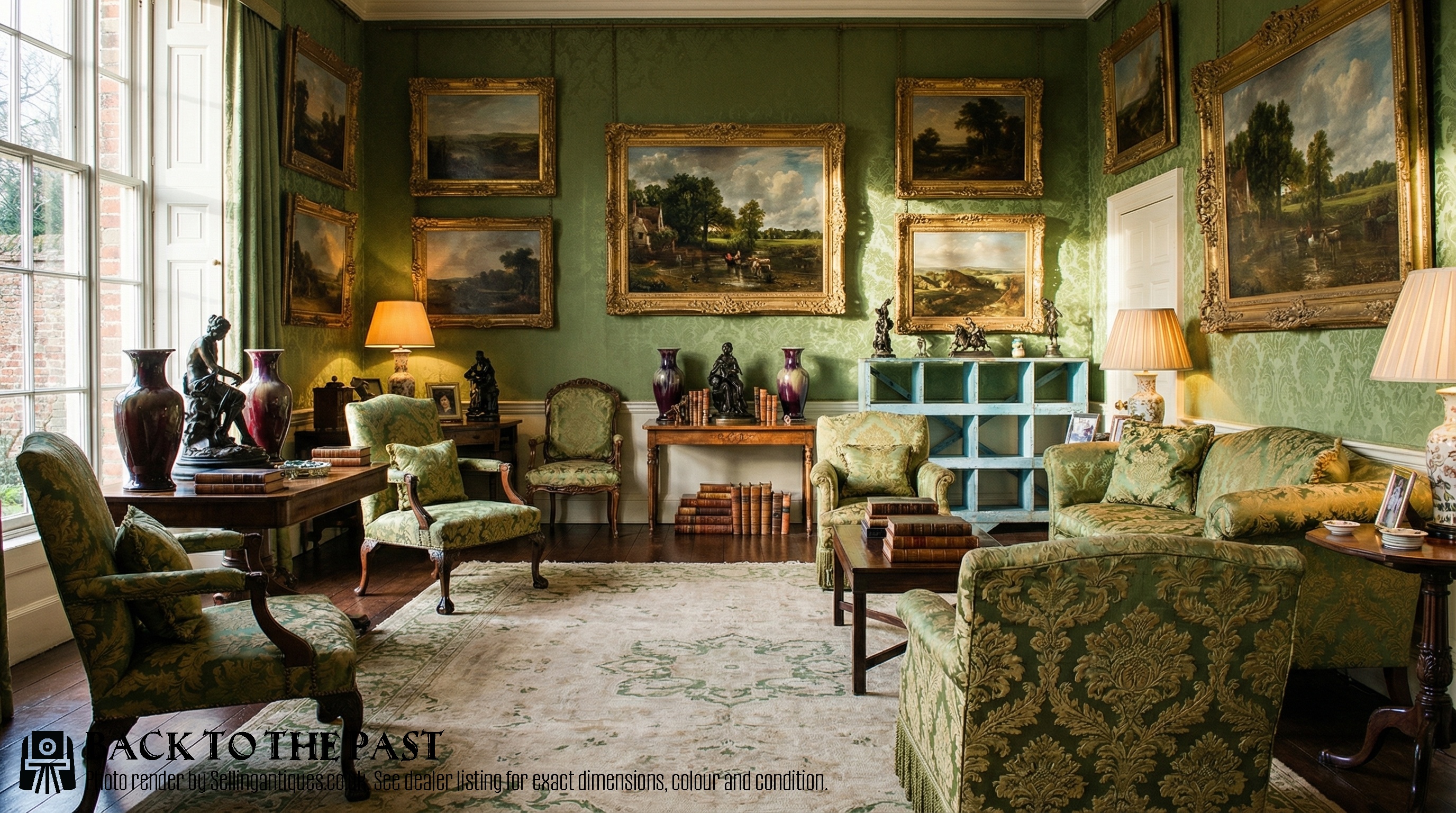
Cupboard 19th Century Painted Shoe Clothing or Display C1880, Victorian
Priced at £395 from Cloverleaf Home Interiors
Just open boards. The earliest antique cupboards simply provided flat surfaces to set cups on before enclosed storage took over.
During the seventeenth century, enclosed cabinets became more common. Panelled doors replaced open tiers to keep dust off stored textiles.
Look for regional forms. You often find distinct shapes like the Welsh cwpwrdd tridarn built with an open upper canopy.
Built-in examples existed early on but they rarely survive today. Freestanding forms dominate the market because families took them along when moving house, dismantling the larger presses into sections to load onto carts.
Most antique cupboards lack any maker's mark. The trade relied on local joiners serving their immediate parishes rather than famous London names.
Look for regional initials. Occasionally you find an inlaid date, but these normally relate to a marriage rather than the joiner.
Gillows of Lancaster produced high-quality mahogany examples between 1730 and 1840. Their stamps sometimes appear on drawer edges of later linen presses.
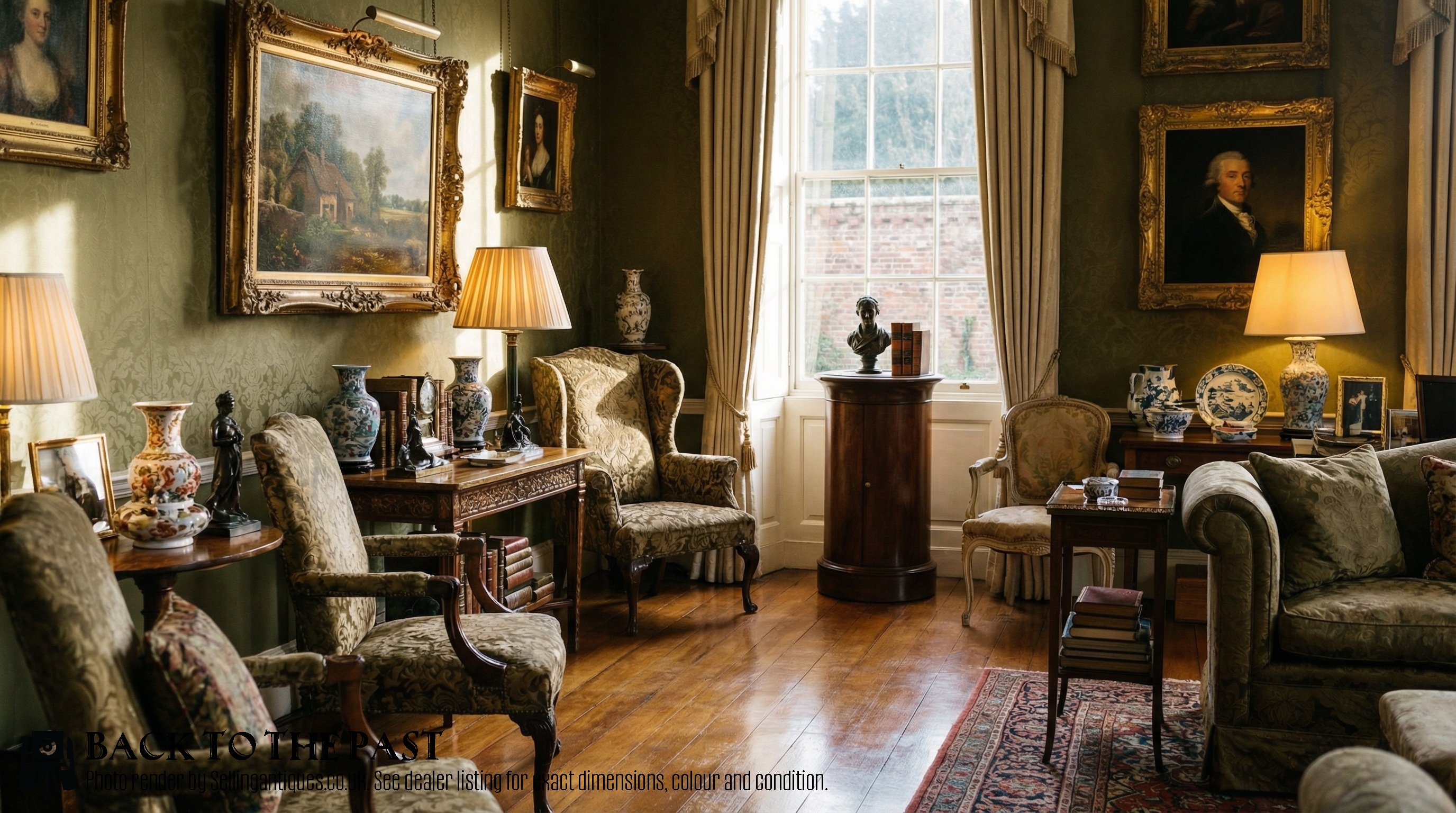
Early C19th French Empire Period Mahogany Cylindrical Pedestal Cupboard., 19th Century
Priced at £750 from M Lees and Sons
The 2026 retail price guide for Antique Cupboards is drawn from a proprietary archive of over 1.1 million retail prices indexed by Sellingantiques since 2003. This guide relies exclusively on their own internal data; no external sources or auction records are used.
Analysing nearly 25 years of UK antique market history alongside current retail values, the data indicates that typical UK retail prices for Antique Cupboards range between £500 and £3,000. Entry-level prices generally fall under £500 and premium examples upwards of £3,000.
Wooden pegs securing the mortise and tenon joints on early boarded examples. These should sit slightly proud of the surface.
Movement solutions. The floating central wood section sits within a rigid grooved frame without glue.
Inspect the feet. Stile feet are just continuations of the main vertical framing extending straight to the floor.
Boarded construction. Heavy single planks were simply nailed or pegged together, making early forms prone to warping over time.
Joinery evolved to solve timber movement. Framed panelling replaced solid boards to create a lighter and much more stable structure.
Track the cabinetmaking. Flush doors, veneered surfaces and fine dovetails became the standard for town furniture by the late eighteenth century.
"Smudging the interior. People once used smoke to sweeten the smell of the wood and deter pests from stored linens."
"Dismantling large presses is often built into the design. Many split into two or three horizontal sections to navigate tight winding stairs."
"Search for hidden compartments. Small false bottoms or sliding backboards frequently provided discreet storage for household documents and coins."
Based on almost 25 years of Sellingantiques UK antique market data, Antique Cupboards appeared 31409 times (out of 1,100,000 antiques) which gives it a rarity score of 1/100.
This score measures scarcity within the Sellingantiques archive only and is not a survey of the entire antiques market, so these statistics may not be indicative of the general availability of Antique Cupboards elsewhere.
Start with a dry, soft cloth to remove surface dust. If there is stubborn grime, use a slightly damp cloth but dry the timber immediately afterwards.
Avoid modern aerosol sprays containing silicone. A sparing application of a good quality beeswax polish once or twice a year is enough to feed the wood and maintain a decent patination.
Leaving the doors open in a dry, well-ventilated room often solves the problem. Odours build up when these pieces are locked shut in damp environments for long periods.
Place a small bowl of bicarbonate of soda inside to absorb lingering smells. It takes time, but it works without introducing harsh chemical cleaners to old timber.
It is a large, freestanding storage cabinet. Most have heavy enclosed doors below and a recessed upper tier.
The name tells you its job. People used them to keep linens flat.
Leave the gap alone. Wood expands and contracts with changes in seasonal humidity and central heating. Filling a shrinkage gap with rigid material means the timber will split elsewhere when it swells again.
Backboards often shrink slightly over the centuries. It rarely affects the structural integrity of the main carcase.
Please note: This Antique Cupboards guide and its associated pricing data are provided for general informational purposes only. It does not constitute formal financial, investment, or appraisal advice and should not be relied upon as the sole basis for any commercial activity, purchasing, or sales decisions. Sellingantiques.co.uk accepts no liability for any actions taken in reliance on this information. Always consult with a qualified professional or independent appraiser.
