


A 2026 Guide by Sellingantiques
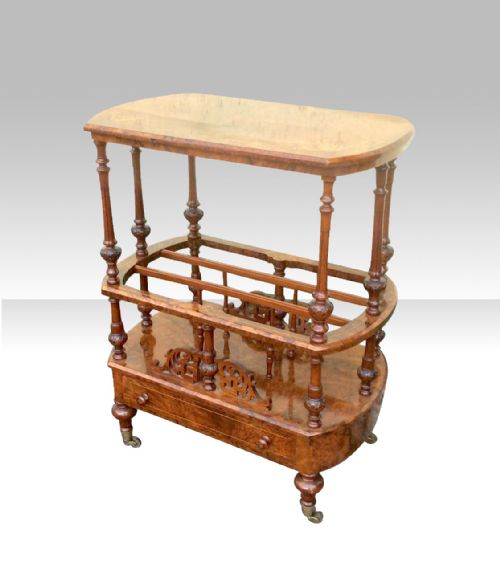
Arts and Crafts Music Filing Cabinet, Edwardian
Priced at £594 from Elmgarden
Early European cabinets evolved from chests raised on stands. People needed secure spaces to lock away spices and documents.
By the seventeenth century they became prominent status symbols in wealthy households.
Open shelves gradually replaced solid wooden doors on some forms. Glazing arrived later when flat glass became readily available.
Look at Victorian drawing rooms. You usually find large display cabinets dominating the space.
Thomas Chippendale supplied large mahogany breakfront cabinets during the mid-eighteenth century.
Gillows of Lancaster produced glazed bookcases and cabinets spanning from the 1730s well into the nineteenth century.
Regional cabinetmakers built the vast majority of surviving provincial pieces. Unstamped work remains the norm across the trade.
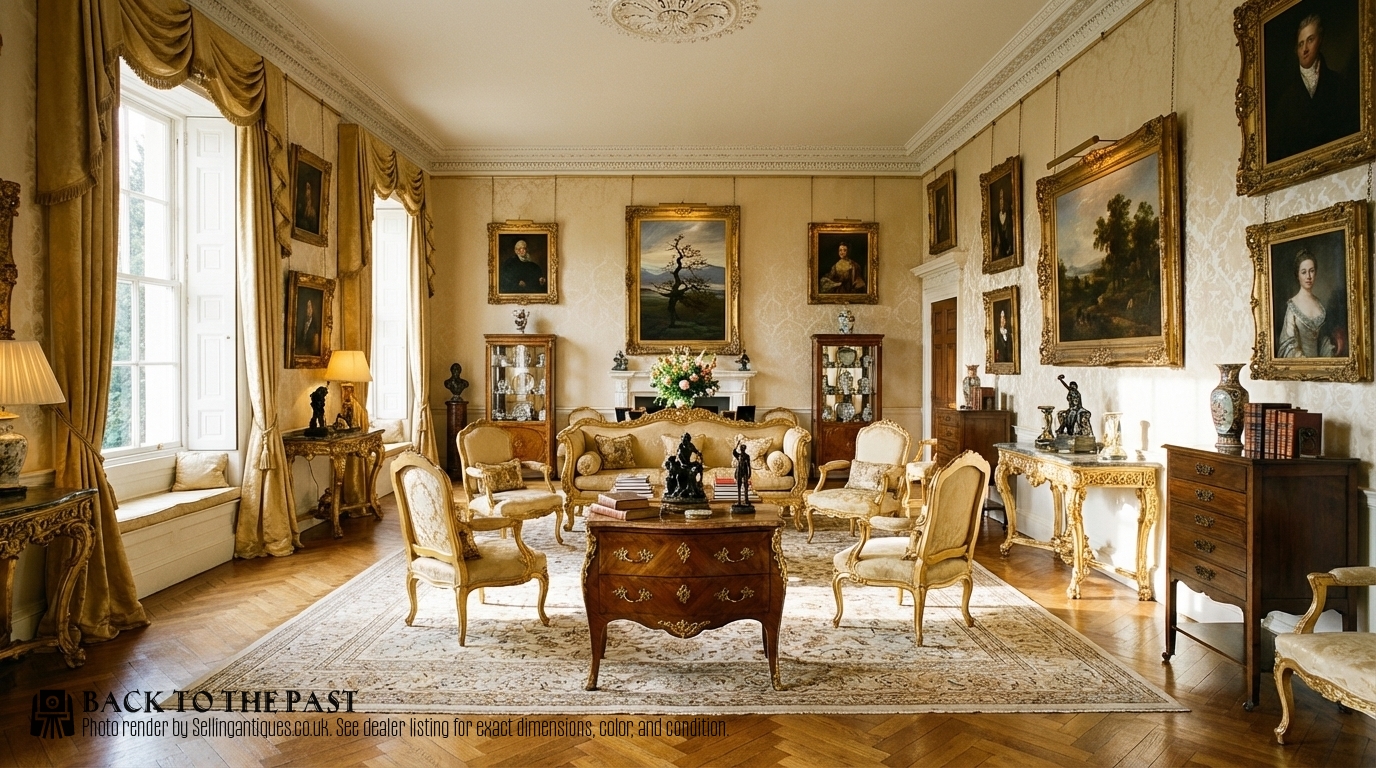
Early Victorian Mahogany Single Door Side Cabinet., 1850
Priced at £295 from Rupert Hitchcox Antiques
The 2026 retail price guide for Antique Cabinets is drawn from a proprietary archive of over 1.1 million retail prices indexed by Sellingantiques since 2003. This guide relies exclusively on their own internal data; no external sources or auction records are used.
Analysing nearly 25 years of UK antique market history alongside current retail values, the data indicates that typical UK retail prices for Antique Cabinets range between £500 and £3,400. Entry-level prices generally fall under £500 and premium examples upwards of £3,400.
Glazed doors feature heavily on display pieces. Astragal glazing bars hold the small panes of glass in place.
Adjustable shelving turns up frequently. Wooden pegs slot into holes drilled along the inner carcase sides.
Note the locks. Most antique cabinets rely on robust brass or iron lever locks for security.
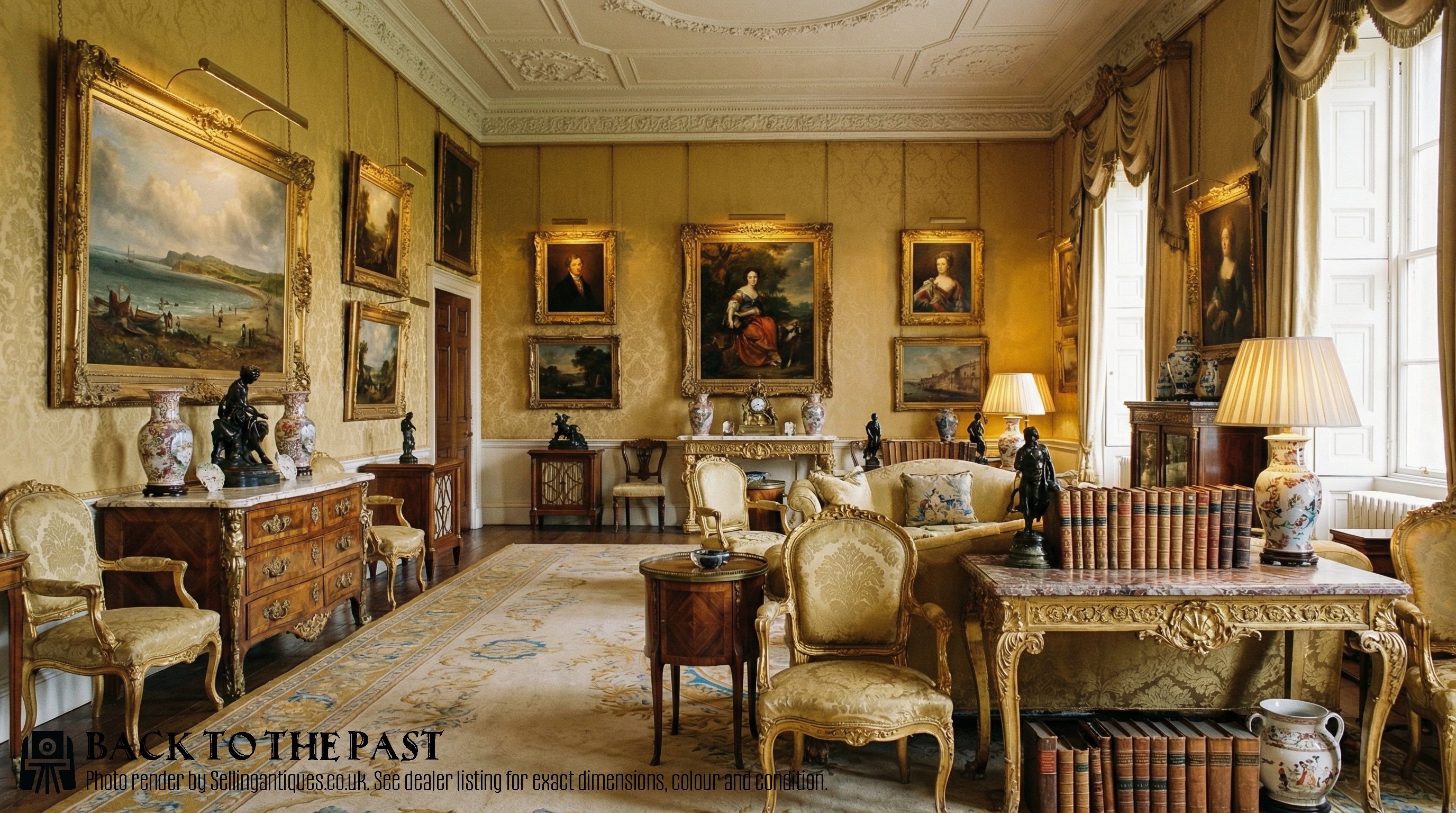
Regency Rosewood Chiffonier Side Cabinet, 19th Century
Priced at £1,150 from Rams Head Antiques
Early construction relies heavily on mortise and tenon joints secured with wooden pegs.
Veneering changed the trade. Craftsmen glued thin slices of expensive timber over stable pine carcases to create complex patterns.
Examine the backs. Rough saw marks usually remain visible on the rear boards where finishing was unnecessary.
"Many large antique cabinets break down into two or three sections to negotiate narrow staircases."
"Secret compartments exist in some examples. False bottoms or sliding panels conceal shallow storage voids."
"Original glass panes often contain tiny air bubbles and ripples from the cylinder blowing process."
Based on almost 25 years of Sellingantiques UK antique market data, Antique Cabinets appeared 56243 times (out of 1,100,000 antiques) which gives it a rarity score of 1/100.
This score measures scarcity within the Sellingantiques archive only and is not a survey of the entire antiques market, so these statistics may not be indicative of the general availability of Antique Cabinets elsewhere.
Most antique cabinets sit unevenly on modern floors. Houses settle and historic floorboards are rarely flat.
You can use small wooden wedges or folded card slipped beneath the feet. Push them in until the doors stop swinging open on their own.
Binding doors usually point to the cabinet sitting out of square rather than swollen timber. If the carcase leans slightly to one side, the door frames drop out of alignment.
Try lifting the front corner of the cabinet on the side where the door rubs. Slide a wedge underneath and test the swing.
If adjusting the level fails, check the brass hinges. The screws often work loose over time, causing the door to sag. Tightening them usually restores clearance.
It depends on the construction. Many nineteenth-century glazed cabinets feature adjustable shelves resting on wooden pegs or metal brackets.
Older pieces sometimes have fixed shelves. Makers cut shallow grooves into the side panels and slid the shelves in during assembly.
Pulling fixed shelves out requires dismantling the carcase back. Leave them in place to avoid damaging the joints.
Most two-part antique cabinets rely simply on gravity and locating blocks. The top section sits within a shallow wooden moulding attached to the upper edge of the base.
Sometimes you find metal brackets screwed across the backboards joining the two halves. Makers added these when the cabinet depth was narrow and at risk of tipping forward.
Check if the locating blocks are missing. Replacing them stops the top section shifting around on the base.
Please note: This Antique Cabinets guide and its associated pricing data are provided for general informational purposes only. It does not constitute formal financial, investment, or appraisal advice and should not be relied upon as the sole basis for any commercial activity, purchasing, or sales decisions. Sellingantiques.co.uk accepts no liability for any actions taken in reliance on this information. Always consult with a qualified professional or independent appraiser.
