


A 2026 Guide by Sellingantiques
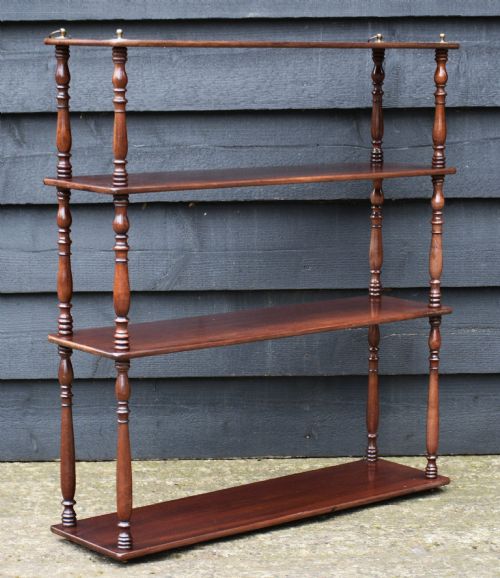
Pretty Burr Walnut Bookcase, 1920
Priced at £795 from Fernyhough Antiques Ltd
Built-in presses held volumes in grand houses long before freestanding antique bookcases became common.
Look at seventeenth-century oak examples. They often feature solid doors to protect bindings from dust and light.
Glazing arrived later when glass making improved and books became items to display rather than just store.
Revolving designs appeared in the late nineteenth century to keep reference works close to hand next to a reading chair.
Thomas Chippendale supplied several grand breakfront examples to aristocratic houses, often featuring complex astragal glazing patterns.
Gillows of Lancaster stamped some late eighteenth-century and nineteenth-century pieces on the top edge of a drawer.
Regional tradesmen built most surviving domestic examples without leaving a maker mark or paper label.
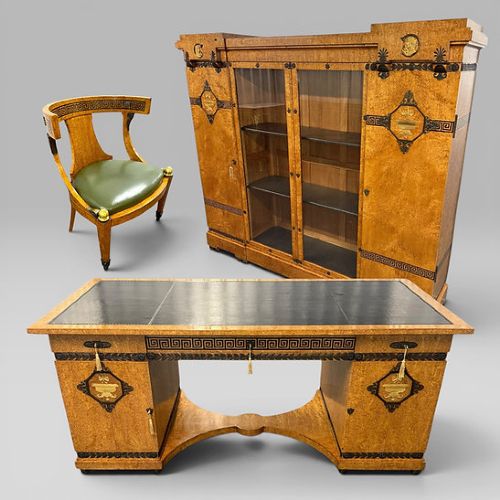
Elegant Early 20th-century Walnut Breakfront Bookcase, 1900
Priced at £1,395 from Shackladys Antiques
The 2026 retail price guide for Antique Bookcases is drawn from a proprietary archive of over 1.1 million retail prices indexed by Sellingantiques since 2003. This guide relies exclusively on their own internal data; no external sources or auction records are used.
Analysing nearly 25 years of UK antique market history alongside current retail values, the data indicates that typical UK retail prices for Antique Bookcases range between £600 and £3,900. Entry-level prices generally fall under £600 and premium examples upwards of £3,900.
Adjustable shelving relies on wooden ratchets or metal tonk strips fitted into the sides.
Breakfront designs project forward in the middle section. This breaks up the flat mass of a large piece.
Notice the base section. Drawers or solid cupboards often form the lower half to hold larger folios flat.
Early joints relied on robust pinned mortise and tenons, suiting heavy solid oak construction.
Fine dovetails join the drawer linings on later veneered examples.
Cabinet makers assembled large bookcases in sections. This modular approach allowed porters to carry them up narrow stairs.
"Some Georgian designs incorporate dummy book spines fixed to secret doors to maintain the visual rhythm of the library."
"Leather dust flaps sometimes hang from the shelves. These brush the top of the books to keep them clean."
"The lower cupboards often hide ingenious sliding trays designed specifically to hold maps and architectural plans."
Based on almost 25 years of Sellingantiques UK antique market data, Antique Bookcases appeared 33485 times (out of 1,100,000 antiques) which gives it a rarity score of 1/100.
This score measures scarcity within the Sellingantiques archive only and is not a survey of the entire antiques market, so these statistics may not be indicative of the general availability of Antique Bookcases elsewhere.
Many models feature adjustable wooden shelves supported by loose cleats resting in notched uprights. This traditional method allows you to change the spacing to fit different book sizes.
Later Victorian pieces often use metal tonk strips instead. These metal tracks take small clips that hold the shelves securely at any height.
Antique examples built for period homes often account for this. Many have recessed backs where the rear legs or plinth sit forward from the top section.
This overhang lets the main body of the case clear the skirting and sit tight against the plaster. You can always check the depth of the base against the upper section to be sure.
Most period shelves are thick solid timber designed specifically for heavy loads.
Large examples rarely survive as a single fixed unit. Cabinet makers designed them to break down into manageable components for transport.
The cornice lifts off, the base separates, and the main body often divides into three vertical sections. You move the individual boxes upstairs and bolt them back together in the room.
Please note: This Antique Bookcases guide and its associated pricing data are provided for general informational purposes only. It does not constitute formal financial, investment, or appraisal advice and should not be relied upon as the sole basis for any commercial activity, purchasing, or sales decisions. Sellingantiques.co.uk accepts no liability for any actions taken in reliance on this information. Always consult with a qualified professional or independent appraiser.
