8,557  PAGES BROWSED TODAY PAGES TODAY 36  ANTIQUES UPLOADED TODAY NEW ARRIVALS
ID #SA441084
FOR SALE
£4,500
Email
Save
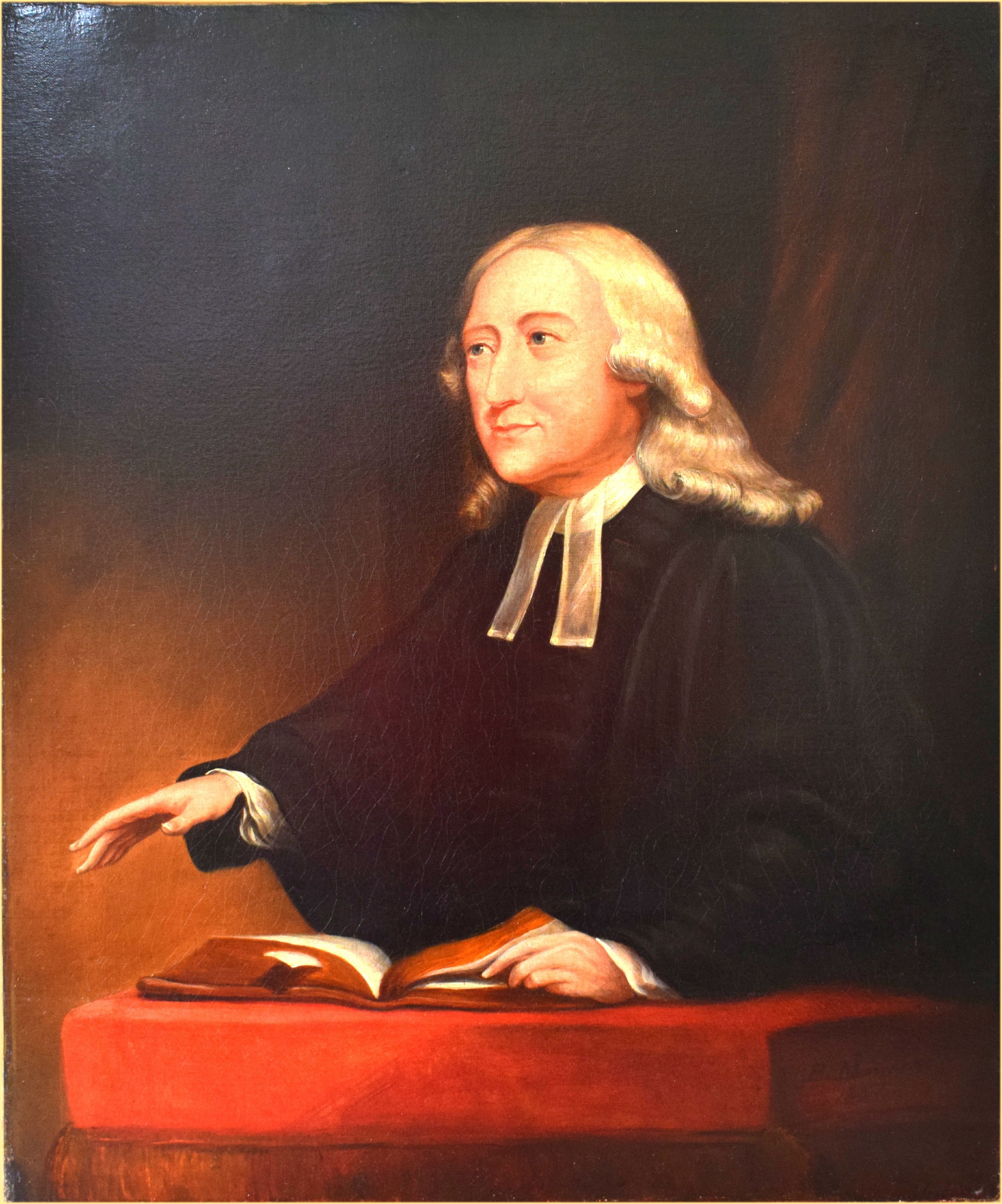
After John Jackson, Ra, 1778 – 1831 Portrait of John Wesley 1703 - 1791 Founder of Methodism
Artware Fineart
for sale €5,265     $5,715
£4,500

Artware Fineart

Sellingantiques Verified Since Sep 2008
View Dealers Stock Page
Relevant Links
Id #SA441084
PDF SHARE
SAVE

After John Jackson, Ra, 1778 – 1831 Portrait of John Wesley 1703 - 1791 Founder of Methodism

19th century
For Sale by Artware Fineart
Description

After John Jackson, RA, 1778 – 1831

Portrait of John Wesley 1703 - 1791 founder of Methodism

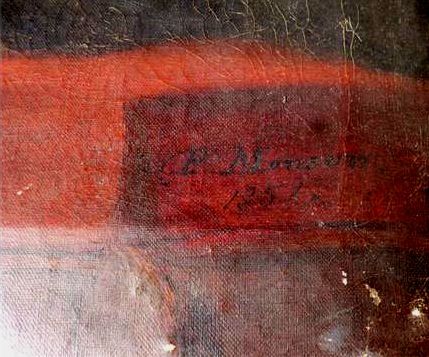
Signed/Inscribed:

C P Monson 1851

oil on canvas

61 x 51cm. (24 x 20in.)

This portrait is an early 19th Century portrait painting after the portrait of John Wesley by John Jackson, RA, 1778-1831 currently in the Museum of Methodism, John Wesley's House London. This portrait is signed and dated "C P Monson 1851".
Notes

Wesley [Westley], John (1703–1791), Church of England clergyman and a founder of Methodism, was born on 17 June 1703 at Epworth rectory, Lincolnshire, the thirteenth or fourteenth child and the second of three sons to reach maturity of Samuel Wesley (bap. 1662, d. 1735), rector of Epworth, and his wife, Susanna Wesley (1669–1742), daughter of Samuel Annesley and his second wife, Mary. He was baptized on 3 July at Epworth church (that he was named John Benjamin at his baptism, as sometimes stated, is a nineteenth-century error). Samuel still spelt the family name Westley in 1694 and others occasionally did so later. Both parents, though children of dissenting ministers ejected in 1662, became high-church Anglicans early in life, and puritan influence on John's upbringing is debatable. Early life, 1703–1720 Though much is known about the Wesley family, little but anecdote survives about John himself in this period. It has often been observed that his cool intelligence and passion for order reflect his mother's character, while his brother Charles Wesley's mercurial temperament echoed his father's, but John could be hasty too. Both brothers were junior to their precocious and talented sister, Hetty [see Wright, Mehetabel]. Several events in John's early life have commonly been emphasized as significant for his later development. His parents saw as providential the rescue of their children from a rectory fire in 1709. In 1711 Susanna resolved ‘to be more particularly careful of the soul of this child that thou hast so mercifully provided for’. Later tradition related this to Wesley's adoption of the motto ‘a brand plucked from the burning’ to claim that he was seen as singled out early for a special destiny. However, Wesley's sense of a providential calling came much later (Heitzenrater, Elusive Mr Wesley, 1.40–43). Tight maternal discipline applied to all the children, though with variable results. Regularity was enforced in eating, sleeping, education, and religion. This was a severe, religiously focused version of John Locke's educational principles, and ‘breaking the will’ was seen as the foundation of religion and morality. In 1712, during her husband's absence at convocation, Susanna Wesley conducted informal meetings in the rectory which some have seen as an anticipation of later Methodist practice. In 1716–17 there appeared the Epworth ghost, Old Jeffery, apparently a poltergeist with Jacobite sympathies who knocked loudly when George I was prayed for. The family only gradually concluded that Jeffery was a supernatural visitant, but John Wesley, though absent at the time, believed this from the first, thus signalling a lifelong belief in divine and diabolical intervention. He also seems to have shown early the habit of a reasoned approach as the way to solve even the most personal problems. His father wisely remarked ‘you think to carry everything by dint of argument, but you will find how little is ever done in the world by close reasoning’. John, he said, ‘would not attend to the most pressing necessities of nature unless he had a reason for it’ (Clarke, 2.321). On 28 January 1714 Wesley became a foundation scholar at the Charterhouse on the nomination of his father's patron, the duke of Buckingham. Little but anecdotal traditions survive from this period. Thus Wesley is said to have justified preferring the company of younger boys with the Miltonic assertion ‘Better to rule in hell than s

Physical Dimensions
Height
61cm (24.02")
Width
51cm (20.08")
Depth
3cm (1.18")
Declaration

Artware Fineart has dated this John Wesley Oil Portrait to the 19th Century.

Reference Numbers
Sellingantiques Reference
SA441084
Dealers Internal Reference
3889
Description
After John Jackson, RA, 1778 – 1831

Portrait of John Wesley 1703 - 1791 founder of Methodism

Signed/Inscribed:

C P Monson 1851

oil on canvas

61 x 51cm. (24 x 20in.)

This portrait is an early 19th Century portrait painting after the portrait of John Wesley by John Jackson, RA, 1778-1831 currently in the Museum of Methodism, John Wesley's House London.
Artware Fineart

This portrait is signed and dated "C P Monson 1851".

fig 1. A Georgian oil portrait depicting John Wesley seated at a red cushion with an open book, wearing clerical robes and bands.
fig 1. After John Jackson, Ra, 1778 – 1831 Portrait of John Wesley 1703 - 1791 Founder of Methodism

Notes

Wesley [Westley], John (1703–1791), Church of England clergyman and a founder of Methodism, was born on 17 June 1703 at Epworth rectory, Lincolnshire, the thirteenth or fourteenth child and the second of three sons to reach maturity of Samuel Wesley (bap. 1662, d. 1735), rector of Epworth, and his wife, Susanna Wesley (1669–1742), daughter of Samuel Annesley and his second wife, Mary. He was baptized on 3 July at Epworth church (that he was named John Benjamin at his baptism, as sometimes stated, is a nineteenth-century error). Samuel still spelt the family name Westley in 1694 and others occasionally did so later. Both parents, though children of dissenting ministers ejected in 1662, became high-church Anglicans early in life, and puritan influence on John's upbringing is debatable. Early life, 1703–1720 Though much is known about the Wesley family, little but anecdote survives about John himself in this period. It has often been observed that his cool intelligence and passion for order reflect his mother's character, while his brother Charles Wesley's mercurial temperament echoed his father's, but John could be hasty too. Both brothers were junior to their precocious and talented sister, Hetty [see Wright, Mehetabel]. Several events in John's early life have commonly been emphasized as significant for his later development. His parents saw as providential the rescue of their children from a rectory fire in 1709. In 1711 Susanna resolved ‘to be more particularly careful of the soul of this child that thou hast so mercifully provided for’. Later tradition related this to Wesley's adoption of the motto ‘a brand plucked from the burning’ to claim that he was seen as singled out early for a special destiny. However, Wesley's sense of a providential calling came much later (Heitzenrater, Elusive Mr Wesley, 1.40–43). Tight maternal discipline applied to all the children, though with variable results. Regularity was enforced in eating, sleeping, education, and religion. This was a severe, religiously focused version of John Locke's educational principles, and ‘breaking the will’ was seen as the foundation of religion and morality. In 1712, during her husband's absence at convocation, Susanna Wesley conducted informal meetings in the rectory which some have seen as an anticipation of later Methodist practice. In 1716–17 there appeared the Epworth ghost, Old Jeffery, apparently a poltergeist with Jacobite sympathies who knocked loudly when George I was prayed for. The family only gradually concluded that Jeffery was a supernatural visitant, but John Wesley, though absent at the time, believed this from the first, thus signalling a lifelong belief in divine and diabolical intervention. He also seems to have shown early the habit of a reasoned approach as the way to solve even the most personal problems. His father wisely remarked ‘you think to carry everything by dint of argument, but you will find how little is ever done in the world by close reasoning’. John, he said, ‘would not attend to the most pressing necessities of nature unless he had a reason for it’ (Clarke, 2.321). On 28 January 1714 Wesley became a foundation scholar at the Charterhouse on the nomination of his father's patron, the duke of Buckingham. Little but anecdotal traditions survive from this period. Thus Wesley is said to have justified preferring the company of younger boys with the Miltonic assertion ‘Better to rule in hell than s

Height
61cm (24.02")
Width
51cm (20.08")
Depth
3cm (1.18")
Date of Manufacture

Artware Fineart has dated this John Wesley Oil Portrait to the 19th Century.

Reference Numbers
Sellingantiques Ref
SA441084
Dealers Internal Ref
3889
Artware Fineart
Sellingantiques verified Since Sep 2008
Dealer Profile

You can view the stock and full dealer information on the Artware Fineart Profile Page
Relevant Links
PDF SHARE
SAVE
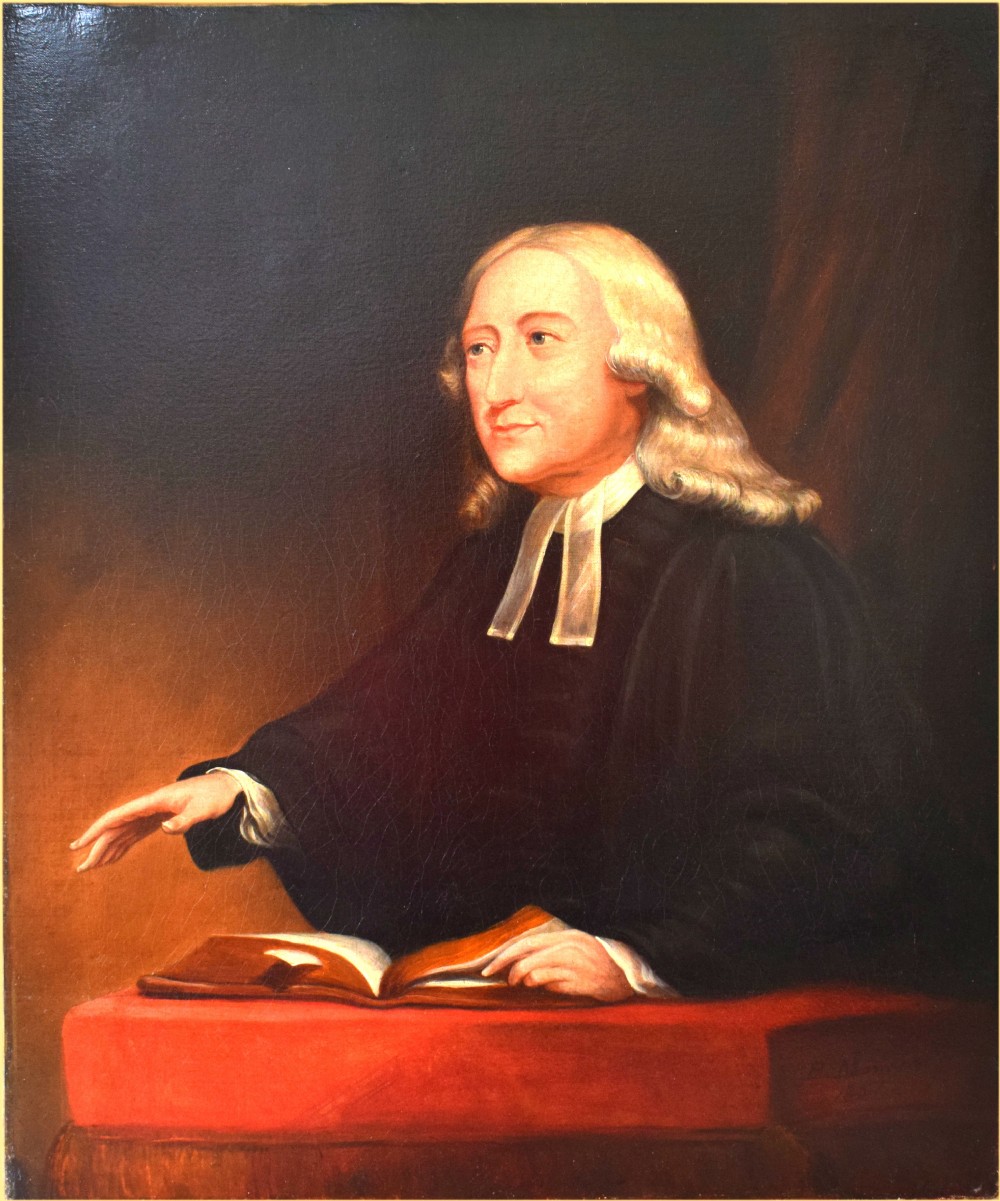
A Georgian oil portrait depicting John Wesley seated at a red cushion with an open book, wearing clerical robes and bands.
1 / 4
Archive I A Georgian oil portrait depicting John Wesley seated at a red cushion with an open book, wearing clerical robes and bands.

After John Jackson, RA, 1778 – 1831 Portrait of John Wesley 1703 - 1791 founder of Methodism
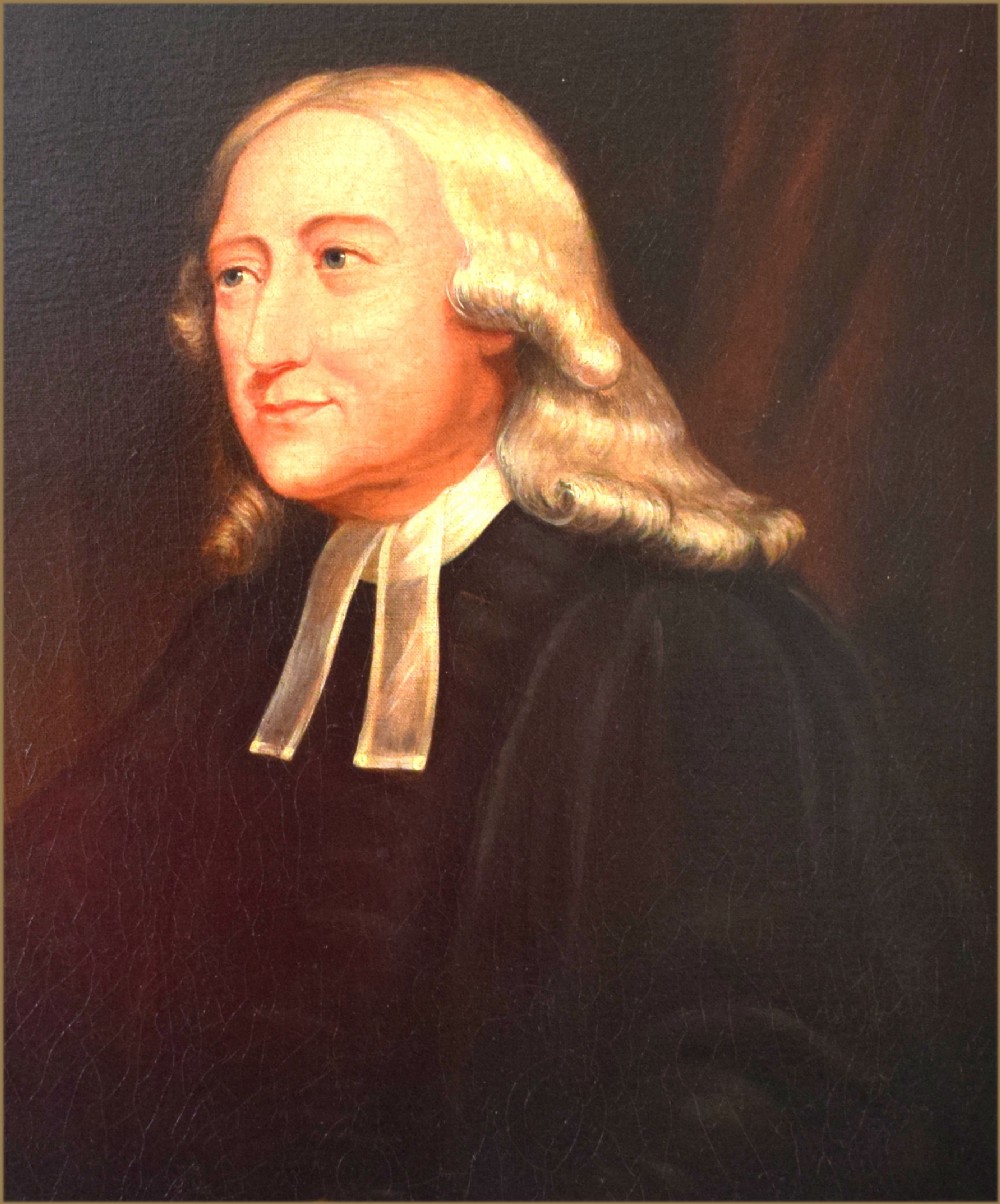
Archive II A Georgian oil portrait depicting John Wesley seated at a red cushion with an open book, wearing clerical robes and bands. View II
Archive III A Georgian oil portrait depicting John Wesley seated at a red cushion with an open book, wearing clerical robes and bands. View III
Archive IV A Georgian oil portrait depicting John Wesley seated at a red cushion with an open book, wearing clerical robes and bands. View IV
FURTHER BROWSING

Visitors also looked at these ⇣

Enlarged Archival View
Telephone 07958 699 645
Location
18 La Gare
51 Surrey Row
London
SE1 0BZ
United Kingdom
Verified Since Sep 2008
Items For Sale 243
Items Sold 223
Artware Fineart
Verified Since Sep 2008
View Dealer Info
Location: 18 La Gare , 51 Surrey Row , London , SE1 0BZ , United Kingdom
Verified
Sep 2008
For Sale
243
Sold
223
A Georgian oil portrait depicting John Wesley seated at a red cushion with an open book, wearing clerical robes and bands.
After John Jackson, RA, 1778 – 1831 Portrait of John Wesley 1703 - 1791 founder of Methodism
Ref: SA441084
A Georgian oil portrait depicting John Wesley seated at a red cushion with an open book, wearing clerical robes and bands.
Detail View 1
Detail View 2
Detail View 3
Archival Detail
Every single antique dealer on our platform is individually approved by our internal team. We verify their professional trade history, ethical standards, and photographic quality to ensure a secure, high-standard buying environment. Upon joining, every dealer agrees to a strict 9-point code of conduct. While issues can occasionally arise, our dealers typically resolve them swiftly and directly with the buyer. In fact, since our founding in 2002, Sellingantiques has only had to step in to help resolve an issue on roughly five occasions—a true testament to the quality of our dealers and their dedication to your happiness.
Our dealers are highly experienced in packing and shipping fragile, high-value antiques. Because you are in direct contact with the dealer, you will be able to easily go through all available shipping and insurance options together to ensure your item arrives safely.
Antiques are the ultimate green purchase. By choosing historical pieces over newly manufactured goods, you completely eliminate the carbon footprint of modern mass production while preserving exceptional, timeless craftsmanship.

Georgian portraiture from the eighteenth and early nineteenth centuries served to record influential historical, religious, and academic figures. These works often utilized symbolic props, such as books or formal attire, to convey the sitters status, profession, and societal contributions.

Artists during this era typically painted with hand-ground oil pigments on stretched linen canvases or wooden panels. Ground layers of gesso or lead white were applied first to prepare the support before layering paint and natural resin varnishes.

Authenticity is evaluated through examination of canvas weave, wood stretcher construction, hand-carved joinery, and craquelure patterns in the paint film. Scientific analysis of pigment composition and wood aged under ultraviolet light also helps verify period creation.

A traditional oil portrait creates strong visual contrast when placed against contemporary minimalist backdrops or deep, dark wall paint. Hanging such artwork above a sleek console table or within a library setting balances historic character with modern aesthetic schemes.

Keep oil paintings away from direct sunlight, excess humidity, and direct heat sources to prevent cracking or warping. Dust gently using a soft, dry camel-hair brush and avoid liquid cleaners or chemical polish.
items
Add keywords to the filter
Price
£100
£250000
Era
Movements
Material
Origin
Stock Location
Freshness
Online Payments
Categories