53,479  PAGES BROWSED TODAY PAGES TODAY 103  ANTIQUES UPLOADED TODAY NEW ARRIVALS
ID #SA398322
FOR SALE
£6,500
Email
Save
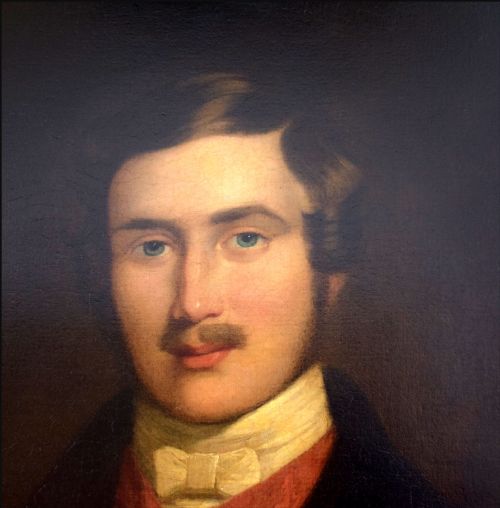
Sir William Charles Ross, 1794 - 1860 Portrait of Prince Albert of Saxe-coburg and Gotha (1819–1861), Prince Consort
Artware Fineart
for sale €7,605     $8,255
£6,500

Artware Fineart

Sellingantiques Verified Since Sep 2008
View Dealers Stock Page
Id #SA398322
PDF SHARE
SAVE

Sir William Charles Ross, 1794 - 1860 Portrait of Prince Albert of Saxe-coburg and Gotha (1819–1861), Prince Consort

19th century
For Sale by Artware Fineart
Description

Sir William Charles Ross, 1794 - 1860

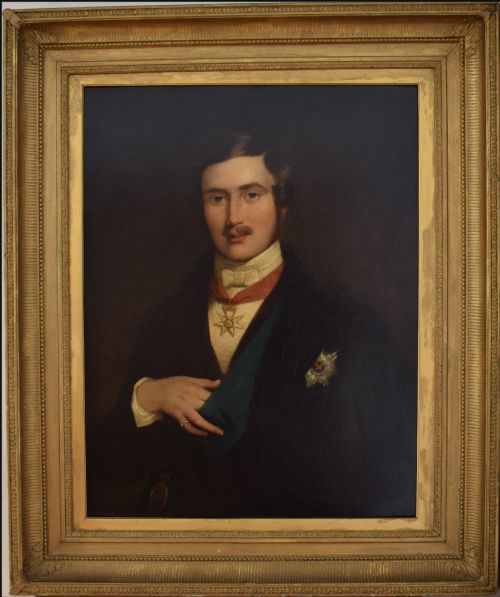
Portrait of Prince Albert of Saxe-Coburg and Gotha (1819–1861), Prince Consort

1st November 1840

oil on canvas

36 x 28 in. (92 x 72 cm.)

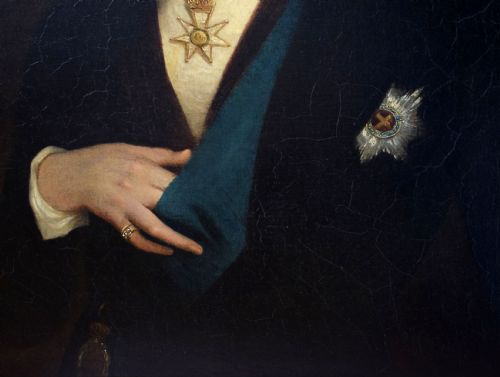
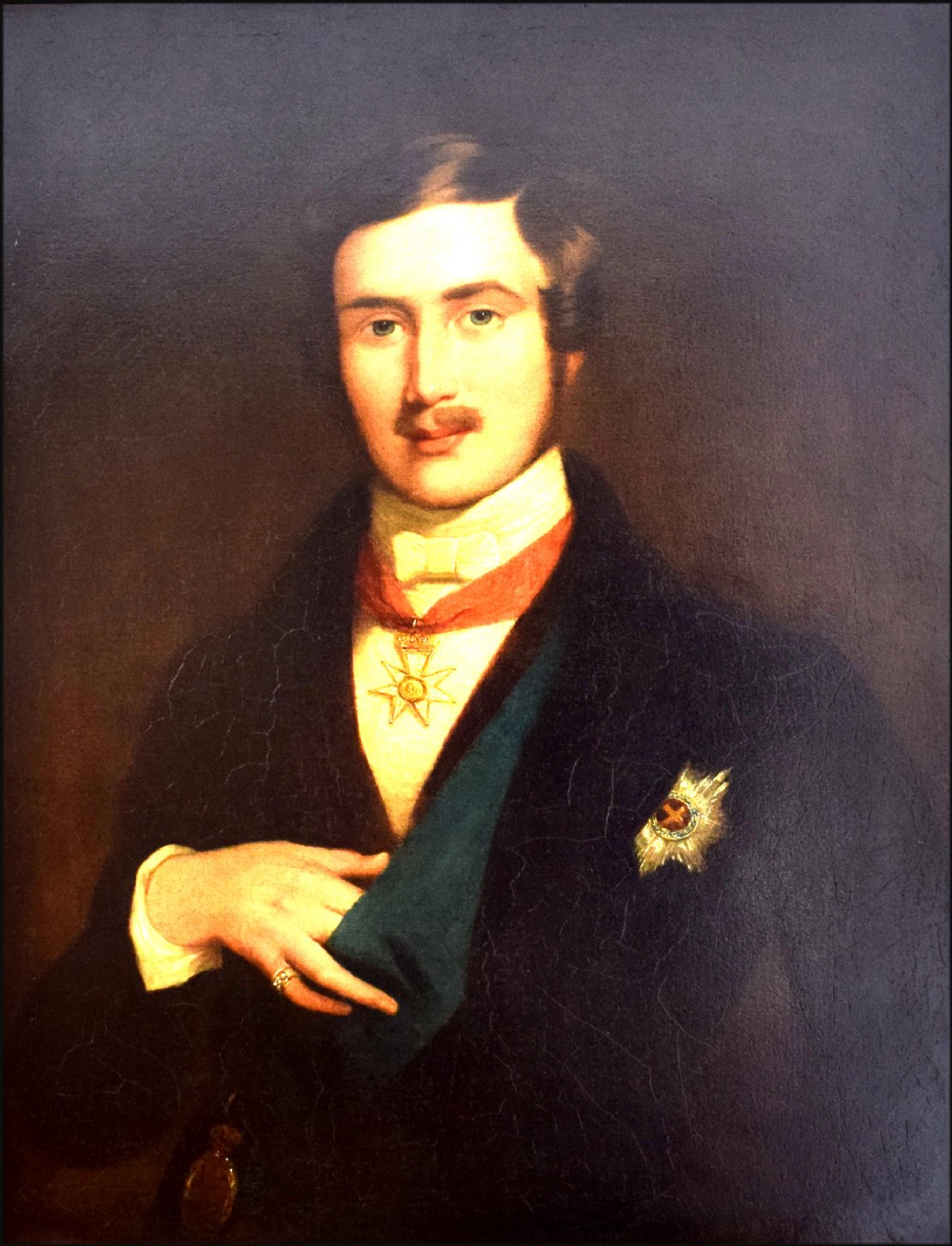
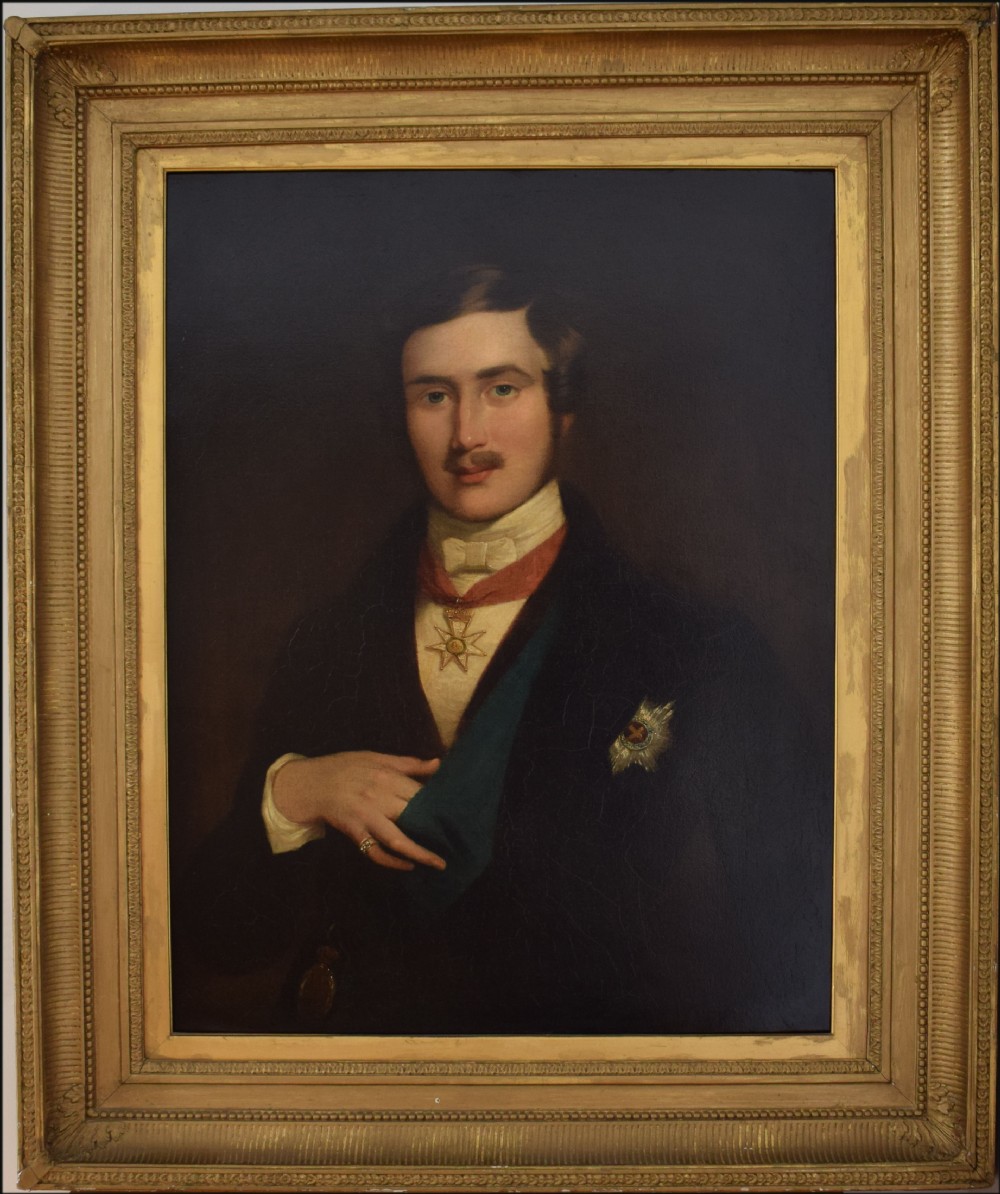
Prince Albert is in evening dress with the ribbon and star of the Order of the Garter, the badge of the Order of the Bath and the star of the Order of St. John of Jerusalem;

Notes

William Charles Ross painted a watercolour on ivory mounted on card in the royal Collection | 20.3 x 13.4 cm (support, canvas/panel/str external) | RCIN 420665. the miniature is Signed on the reverse in ink: H.R.H. / Prince Albert, KG / Sir W.C. Ross pinx: and was Commissioned by Queen Victoria from the artist in 1840. William Charles Ross was not just known as miniaturist he was also a successful painter of oil portraits on canvas, for example there is a portrait of Thomas Erskine 1st baron Erskine in the National Portrait Gallery and a portrait of Frederick Webb 1790-1846 in Newstead Abbey. This portrait is a portrait painted at the same time as the Miniature in 1840.
Prince Albert of Saxe-Coburg and Gotha (1819–1861), prince consort, consort of Queen Victoria, was born on 26 August 1819 at the ducal summer residence of the duchy of Saxe-Coburg-Saalfeld, the Rosenau, on the southern edge of the forest of Thuringen, about 4 miles from Coburg. On 19 September 1819 in the marble hall at the Rosenau he was baptized Franz Karl August Albrecht Immanuel with water from the River Itze, which flowed through the duchy. His name was immediately Anglicized by his family to Albert, the only one of his given names that was ever used. The reigning duke was his father, Ernest (1784–1844), who had named his first son and heir, born a year earlier, after himself. The mother of the boys, who would be their only children, was the former Princess Louise (1800–1831) of neighbouring, but larger and richer, Saxe-Gotha-Altenburg. Seventeen years younger than her husband, she had married him at sixteen on 31 July 1817.
The duke's rakish ways were unreformed by his marriage. After the birth of his sons he resumed his earlier sports of hunting and wenching. Louise consoled herself with flirtations, the last with a young lieutenant, Baron Alexander von Hanstein. On 4 September 1824 the unhappy duchess was banished from Coburg and left her small sons forever. The legal separation which Ernest had demanded was followed by formal divorce in 1826, after which Louise married Hanstein. She died of uterine cancer in August 1831.

By 1826 the duchy and the princelings had new names, as the death of the last eligible male descendant in Saxe-Gotha-Altenburg meant a rearrangement of mini-states. Ernest added Gotha in exchange for Saalfeld (which went to the duke of Meiningen), creating the hyphenated designation by which the young Albert was later identified. Although abandoned at five, Albert understood—much later—the circumstances of his mother's departure and never doubted her affection; her loss could hardly have been repaired by the attentions of Christoph Florschütz, who in his mid-twenties had been engaged as tutor to the brothers. Albert became quiet and subdued, subject to fits of weeping which he confessed candidly in a journal begun, precociously, when he was less than six. Early on, Florschütz was not quite the benign influence he was later to become. On 26 March 1825 Albert wrote that he had ‘made so many mistakes’ in a letter that ‘the Rath’—his tutor—‘tore it up and threw it into the fire. I cried about it’ (Grey, 34).

Albert's awkwardness with, and dislike of, his father, whom he had good reason to blame for a lonely and insecure childhood, was blunted by time, as were his impressions of Florschütz, who became, as Albert grew up, an affectionate companion and devoted teacher. Tutorial impatience, however, emerges in Albert's notation when not yet six, ‘I cried at my lesson t

Physical Dimensions
Height
91cm (35.83")
Width
71cm (27.95")
Depth
4cm (1.57")
Declaration

Artware Fineart has dated this Victorian Portrait Oil Painting to the 1800s.

Reference Numbers
Sellingantiques Reference
SA398322
Dealers Internal Reference
3839
Description
Sir William Charles Ross, 1794 - 1860

Portrait of Prince Albert of Saxe-Coburg and Gotha (1819–1861), Prince Consort

1st November 1840

oil on canvas

36 x 28 in. (92 x 72 cm.)

Prince Albert is in evening dress with the ribbon and star of the Order of the Garter, the badge of the Order of the Bath and the star of the Order of St.
Artware Fineart

John of Jerusalem;

fig 1. A Victorian portrait oil painting depicting Prince Albert wearing a dark coat, white neckcloth, red ribbon, and honours against a dark brown background.
fig 1. Sir William Charles Ross, 1794 - 1860 Portrait of Prince Albert of Saxe-coburg and Gotha (1819–1861), Prince Consort

Notes

William Charles Ross painted a watercolour on ivory mounted on card in the royal Collection | 20.3 x 13.4 cm (support, canvas/panel/str external) | RCIN 420665. the miniature is Signed on the reverse in ink: H.R.H. / Prince Albert, KG / Sir W.C. Ross pinx: and was Commissioned by Queen Victoria from the artist in 1840. William Charles Ross was not just known as miniaturist he was also a successful painter of oil portraits on canvas, for example there is a portrait of Thomas Erskine 1st baron Erskine in the National Portrait Gallery and a portrait of Frederick Webb 1790-1846 in Newstead Abbey. This portrait is a portrait painted at the same time as the Miniature in 1840.

fig 2. A Victorian portrait oil painting depicting Prince Albert wearing a dark coat, white neckcloth, red ribbon, and honours against a dark brown background.
fig 2. Sir William Charles Ross, 1794 - 1860 Portrait of Prince Albert of Saxe-coburg and Gotha (1819–1861), Prince Consort

Prince Albert of Saxe-Coburg and Gotha (1819–1861), prince consort, consort of Queen Victoria, was born on 26 August 1819 at the ducal summer residence of the duchy of Saxe-Coburg-Saalfeld, the Rosenau, on the southern edge of the forest of Thuringen, about 4 miles from Coburg. On 19 September 1819 in the marble hall at the Rosenau he was baptized Franz Karl August Albrecht Immanuel with water from the River Itze, which flowed through the duchy. His name was immediately Anglicized by his family to Albert, the only one of his given names that was ever used. The reigning duke was his father, Ernest (1784–1844), who had named his first son and heir, born a year earlier, after himself. The mother of the boys, who would be their only children, was the former Princess Louise (1800–1831) of neighbouring, but larger and richer, Saxe-Gotha-Altenburg. Seventeen years younger than her husband, she had married him at sixteen on 31 July 1817.

fig 3. A Victorian portrait oil painting depicting Prince Albert wearing a dark coat, white neckcloth, red ribbon, and honours against a dark brown background.
fig 3. Sir William Charles Ross, 1794 - 1860 Portrait of Prince Albert of Saxe-coburg and Gotha (1819–1861), Prince Consort

The duke's rakish ways were unreformed by his marriage. After the birth of his sons he resumed his earlier sports of hunting and wenching. Louise consoled herself with flirtations, the last with a young lieutenant, Baron Alexander von Hanstein. On 4 September 1824 the unhappy duchess was banished from Coburg and left her small sons forever. The legal separation which Ernest had demanded was followed by formal divorce in 1826, after which Louise married Hanstein. She died of uterine cancer in August 1831.

By 1826 the duchy and the princelings had new names, as the death of the last eligible male descendant in Saxe-Gotha-Altenburg meant a rearrangement of mini-states. Ernest added Gotha in exchange for Saalfeld (which went to the duke of Meiningen), creating the hyphenated designation by which the young Albert was later identified. Although abandoned at five, Albert understood—much later—the circumstances of his mother's departure and never doubted her affection; her loss could hardly have been repaired by the attentions of Christoph Florschütz, who in his mid-twenties had been engaged as tutor to the brothers. Albert became quiet and subdued, subject to fits of weeping which he confessed candidly in a journal begun, precociously, when he was less than six. Early on, Florschütz was not quite the benign influence he was later to become. On 26 March 1825 Albert wrote that he had ‘made so many mistakes’ in a letter that ‘the Rath’—his tutor—‘tore it up and threw it into the fire. I cried about it’ (Grey, 34).

Albert's awkwardness with, and dislike of, his father, whom he had good reason to blame for a lonely and insecure childhood, was blunted by time, as were his impressions of Florschütz, who became, as Albert grew up, an affectionate companion and devoted teacher. Tutorial impatience, however, emerges in Albert's notation when not yet six, ‘I cried at my lesson t

Height
91cm (35.83")
Width
71cm (27.95")
Depth
4cm (1.57")
Date of Manufacture

Artware Fineart has dated this Victorian Portrait Oil Painting to the 1800s.

Reference Numbers
Sellingantiques Ref
SA398322
Dealers Internal Ref
3839
Artware Fineart
Sellingantiques verified Since Sep 2008
Dealer Profile

You can view the stock and full dealer information on the Artware Fineart Profile Page
PDF SHARE
SAVE
A Victorian portrait oil painting depicting Prince Albert wearing a dark coat, white neckcloth, red ribbon, and honours against a dark brown background.
1 / 4
Archive I A Victorian portrait oil painting depicting Prince Albert wearing a dark coat, white neckcloth, red ribbon, and honours against a dark brown background.

Sir William Charles Ross, 1794 - 1860 Portrait of Prince Albert of Saxe-coburg and Gotha (1819–1861), Prince Consort

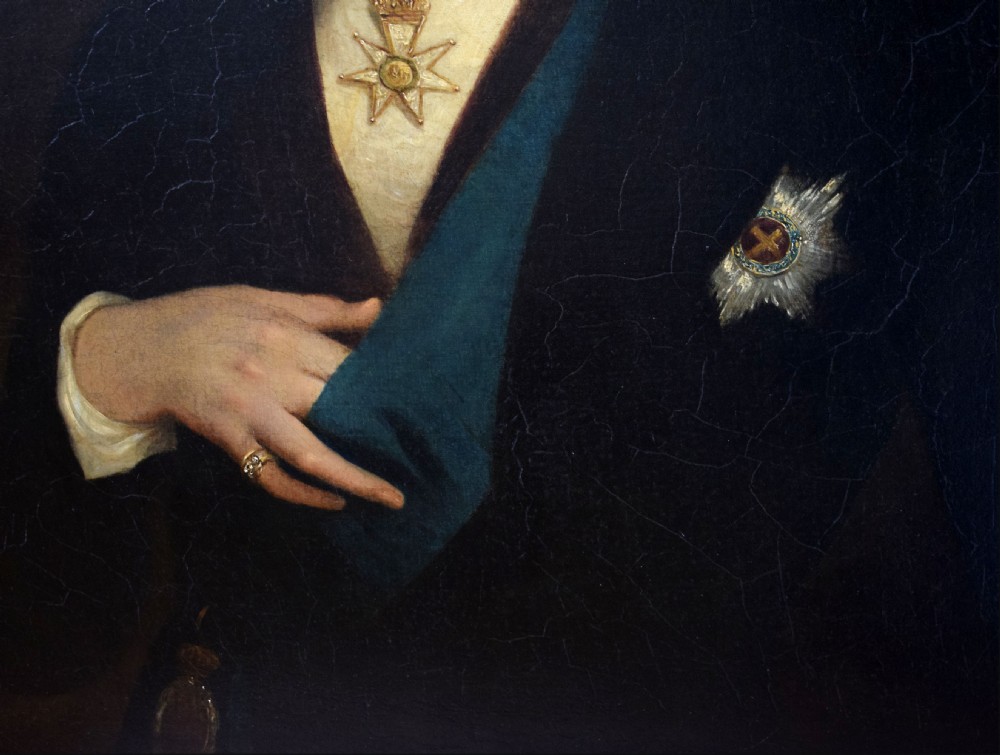
Archive II A Victorian portrait oil painting depicting Prince Albert wearing a dark coat, white neckcloth, red ribbon, and honours against a dark brown background. View II
Archive III A Victorian portrait oil painting depicting Prince Albert wearing a dark coat, white neckcloth, red ribbon, and honours against a dark brown background. View III
Archive IV A Victorian portrait oil painting depicting Prince Albert wearing a dark coat, white neckcloth, red ribbon, and honours against a dark brown background. View IV
FURTHER BROWSING

Visitors also looked at these ⇣

Enlarged Archival View
Telephone 07958 699 645
Location
18 La Gare
51 Surrey Row
London
SE1 0BZ
United Kingdom
Verified Since Sep 2008
Items For Sale 243
Items Sold 223
Artware Fineart
Verified Since Sep 2008
View Dealer Info
Location: 18 La Gare , 51 Surrey Row , London , SE1 0BZ , United Kingdom
Verified
Sep 2008
For Sale
243
Sold
223
A Victorian portrait oil painting depicting Prince Albert wearing a dark coat, white neckcloth, red ribbon, and honours against a dark brown background.
Sir William Charles Ross, 1794 - 1860 Portrait of Prince Albert of Saxe-Coburg and Gotha (1819–1861), Prince Consort
Ref: SA398322
A Victorian portrait oil painting depicting Prince Albert wearing a dark coat, white neckcloth, red ribbon, and honours against a dark brown background.
Detail View 1
Detail View 2
Detail View 3
Archival Detail
Every single antique dealer on our platform is individually approved by our internal team. We verify their professional trade history, ethical standards, and photographic quality to ensure a secure, high-standard buying environment. Upon joining, every dealer agrees to a strict 9-point code of conduct. While issues can occasionally arise, our dealers typically resolve them swiftly and directly with the buyer. In fact, since our founding in 2002, Sellingantiques has only had to step in to help resolve an issue on roughly five occasions—a true testament to the quality of our dealers and their dedication to your happiness.
Our dealers are highly experienced in packing and shipping fragile, high-value antiques. Because you are in direct contact with the dealer, you will be able to easily go through all available shipping and insurance options together to ensure your item arrives safely.
Antiques are the ultimate green purchase. By choosing historical pieces over newly manufactured goods, you completely eliminate the carbon footprint of modern mass production while preserving exceptional, timeless craftsmanship.

Nineteenth-century British portraiture focused on formal realism, precise detail in clothing and accoutrements, and naturalistic flesh tones set against understated or shaded backgrounds.

Artists traditionally used ground oil pigments bound with linseed oil on stretched linen or cotton canvas, primed with gesso before application.

Authentic period works typically exhibit natural age craquelure across the paint surface, canvas darkening, oxidisation on back stretchers, and evidence of historic varnish layers.

A classic portrait painting can be positioned as a focal anchor above a mantelpiece or sideboard, or incorporated into a mixed-era gallery wall to add historical contrast.

Keep the canvas away from direct sunlight, extreme temperature fluctuations, and high humidity, and clean gently using only a dry soft brush or professional conservation services.
items
Add keywords to the filter
Price
£100
£250000
Era
Movements
Material
Origin
Stock Location
Freshness
Online Payments
Categories