13,258  PAGES BROWSED TODAY PAGES TODAY 36  ANTIQUES UPLOADED TODAY NEW ARRIVALS
ID #SA398280
FOR SALE
£3,000
Email
Save
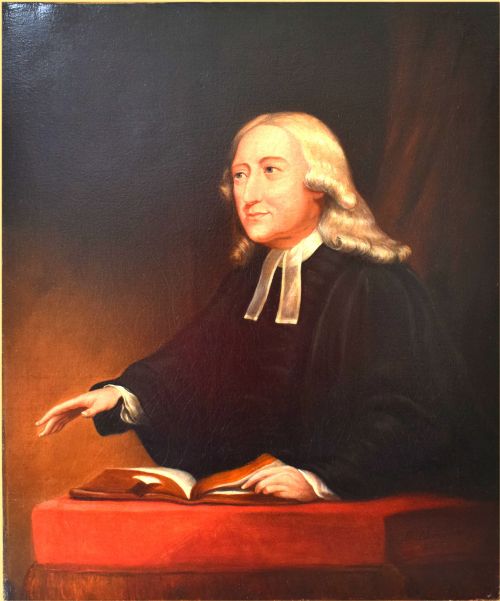
Attributed to William Salter, 1804–1875 Portrait of Arthur Wellesley (1769–1852), 1st Duke of Wellington
Artware Fineart
for sale €3,510     $3,810
£3,000

Artware Fineart

Sellingantiques Verified Since Sep 2008
View Dealers Stock Page
Id #SA398280
PDF SHARE
SAVE

Attributed to William Salter, 1804–1875 Portrait of Arthur Wellesley (1769–1852), 1st Duke of Wellington

19th century
For Sale by Artware Fineart
Description

Attributed to William Salter, 1804–1875

Portrait of Arthur Wellesley (1769–1852), 1st Duke of Wellington

2nd June 1820

oil on canvas

46 x 35 cm. (11.1/4 x 13.3/4 in.)

Arthur, first duke of Wellington (1769–1852), army officer and prime minister, was the third surviving son ofGarret Wesley, first earl of Mornington (1735–1781), and his wife, Anne (1742–1831), eldest daughter of Arthur Hill, first Viscount Dungannon. The family name was altered from Wesley to the older form Wellesley by Richard Wellesley, second earl, who used this spelling from 1789. Arthur did not sign himself Wellesley until May 1798. There is disagreement over the date and place of his birth, but 1 May 1769 and 6 Merrion Street (later 24 Upper Merrion Street), Dublin, have been accepted by modern biographers. The register of St Peter's Church, Dublin, records his christening under the date 30 April 1769. This is reconcilable with the alternative birth date of 29 April preferred by some earlier authorities, including the Dictionary of National Biography, but it would imply a degree of haste in the ceremony unusual except in cases of imminent danger, for which there is no evidence. Both parents subsequently attested to the date 1 May and this was the day kept as his birthday by Arthur himself.

Arthur Wesley lost his father at the age of twelve and was thought by his imperious mother to be foolish and dull in comparison with his elder brothers, Richard Wellesley, second earl of Mornington, and William Wellesley-Pole, later Baron Maryborough and third earl of Mornington. His only talents seemed to be for playing the violin (which may have come from his father, who was an accomplished amateur musician) and arithmetical calculation. But these minor gifts were obscured by his physical indolence and social awkwardness: signs perhaps of an unhappy and lonely childhood. His education was disjointed and his record undistinguished. As a small boy he attended the diocesan school at Trim, co. Meath, near the family seat at Dangan. He was then taken by his parents to London, where he became a pupil at Brown's Seminary, Chelsea. In 1781 he went to Eton College with his younger brother Gerald, who soon surpassed him scholastically. The little evidence that survives suggests that he was an unsociable and occasionally aggressive schoolboy who made little effort to learn. As a result he was removed from the college in the summer of 1784 to make way for the more promising fourth son, Henry Wellesley (later Baron Cowley). When his mother moved to the cheaper society of Brussels in 1785 he accompanied her and received lessons in French from their landlord, a lawyer (avocat), Jacobus Foubert (not apparently Goubert as usually stated). On Lady Mornington's departure to England she dispatched him to the Academy of Equitation at Angers in preparation for the military career which seemed the only possible employment for such an unpromising boy.

The academy, where Arthur arrived in January 1786, was less a military college than an international finishing school for young men, which had been run for generations by the Pignerolle family; nearly a third of the intake that year came from the British Isles. In addition to fencing, horsemanship, and the science of fortification (none of which seems to have left much mark on him), there were lessons in mathematics, grammar, and dancing. Out of school, besides drinking, gambling, and youthful rowdiness, there were occasional invitations from the local nobility. At the end of the year, when Arthur reappeared in London, he had visibly improved in manners and social deportment, with a command of fluent if old-fashioned French.

Lord Mornington, after the manner of the Ascendancy aristocracy, took seriously the duty of providing for the family of which he had become the youthful head. In March 1787 a commission was obtained for Arth

Declaration

Artware Fineart has dated this Duke of Wellington Portrait to the 1800s.

Reference Numbers
Sellingantiques Reference
SA398280
Dealers Internal Reference
3738
Description
Attributed to William Salter, 1804–1875

Portrait of Arthur Wellesley (1769–1852), 1st Duke of Wellington

2nd June 1820

oil on canvas

46 x 35 cm. (11.1/4 x 13.3/4 in.)

Arthur, first duke of Wellington (1769–1852), army officer and prime minister, was the third surviving son ofGarret Wesley, first earl of Mornington (1735–1781), and his wife, Anne (1742–1831), eldest daughter of Arthur Hill, first Viscount Dungannon.

The family name was altered from Wesley to the older form Wellesley by Richard Wellesley, second earl, who used this spelling from 1789.
Artware Fineart

Arthur did not sign himself Wellesley until May 1798. There is disagreement over the date and place of his birth, but 1 May 1769 and 6 Merrion Street (later 24 Upper Merrion Street), Dublin, have been accepted by modern biographers. The register of St Peter's Church, Dublin, records his christening under the date 30 April 1769. This is reconcilable with the alternative birth date of 29 April preferred by some earlier authorities, including the Dictionary of National Biography, but it would imply a degree of haste in the ceremony unusual except in cases of imminent danger, for which there is no evidence. Both parents subsequently attested to the date 1 May and this was the day kept as his birthday by Arthur himself.

Arthur Wesley lost his father at the age of twelve and was thought by his imperious mother to be foolish and dull in comparison with his elder brothers, Richard Wellesley, second earl of Mornington, and William Wellesley-Pole, later Baron Maryborough and third earl of Mornington. His only talents seemed to be for playing the violin (which may have come from his father, who was an accomplished amateur musician) and arithmetical calculation. But these minor gifts were obscured by his physical indolence and social awkwardness: signs perhaps of an unhappy and lonely childhood. His education was disjointed and his record undistinguished. As a small boy he attended the diocesan school at Trim, co. Meath, near the family seat at Dangan. He was then taken by his parents to London, where he became a pupil at Brown's Seminary, Chelsea. In 1781 he went to Eton College with his younger brother Gerald, who soon surpassed him scholastically. The little evidence that survives suggests that he was an unsociable and occasionally aggressive schoolboy who made little effort to learn. As a result he was removed from the college in the summer of 1784 to make way for the more promising fourth son, Henry Wellesley (later Baron Cowley). When his mother moved to the cheaper society of Brussels in 1785 he accompanied her and received lessons in French from their landlord, a lawyer (avocat), Jacobus Foubert (not apparently Goubert as usually stated). On Lady Mornington's departure to England she dispatched him to the Academy of Equitation at Angers in preparation for the military career which seemed the only possible employment for such an unpromising boy.

The academy, where Arthur arrived in January 1786, was less a military college than an international finishing school for young men, which had been run for generations by the Pignerolle family; nearly a third of the intake that year came from the British Isles. In addition to fencing, horsemanship, and the science of fortification (none of which seems to have left much mark on him), there were lessons in mathematics, grammar, and dancing. Out of school, besides drinking, gambling, and youthful rowdiness, there were occasional invitations from the local nobility. At the end of the year, when Arthur reappeared in London, he had visibly improved in manners and social deportment, with a command of fluent if old-fashioned French.

Lord Mornington, after the manner of the Ascendancy aristocracy, took seriously the duty of providing for the family of which he had become the youthful head. In March 1787 a commission was obtained for Arth

Date of Manufacture

Artware Fineart has dated this Duke of Wellington Portrait to the 1800s.

Reference Numbers
Sellingantiques Ref
SA398280
Dealers Internal Ref
3738
Artware Fineart
Sellingantiques verified Since Sep 2008
Dealer Profile

You can view the stock and full dealer information on the Artware Fineart Profile Page

PDF SHARE
SAVE
Full-length 19th-century oil painting depicting Arthur Wellesley, 1st Duke of Wellington, dressed in dark attire against an atmospheric background.
1 / 1
Archive I Full-length 19th-century oil painting depicting Arthur Wellesley, 1st Duke of Wellington, dressed in dark attire against an atmospheric background.

Attributed to William Salter, 1804–1875 Portrait of Arthur Wellesley (1769–1852), 1st Duke of Wellington

FURTHER BROWSING

Visitors also looked at these ⇣

Enlarged Archival View
Telephone 07958 699 645
Location
18 La Gare
51 Surrey Row
London
SE1 0BZ
United Kingdom
Verified Since Sep 2008
Items For Sale 243
Items Sold 223
Artware Fineart
Verified Since Sep 2008
View Dealer Info
Location: 18 La Gare , 51 Surrey Row , London , SE1 0BZ , United Kingdom
Verified
Sep 2008
For Sale
243
Sold
223
Full-length 19th-century oil painting depicting Arthur Wellesley, 1st Duke of Wellington, dressed in dark attire against an atmospheric background.
Attributed to William Salter, 1804–1875 Portrait of Arthur Wellesley (1769–1852), 1st Duke of Wellington
Ref: SA398280
Full-length 19th-century oil painting depicting Arthur Wellesley, 1st Duke of Wellington, dressed in dark attire against an atmospheric background.
Archival Detail
Every single antique dealer on our platform is individually approved by our internal team. We verify their professional trade history, ethical standards, and photographic quality to ensure a secure, high-standard buying environment. Upon joining, every dealer agrees to a strict 9-point code of conduct. While issues can occasionally arise, our dealers typically resolve them swiftly and directly with the buyer. In fact, since our founding in 2002, Sellingantiques has only had to step in to help resolve an issue on roughly five occasions—a true testament to the quality of our dealers and their dedication to your happiness.
Our dealers are highly experienced in packing and shipping fragile, high-value antiques. Because you are in direct contact with the dealer, you will be able to easily go through all available shipping and insurance options together to ensure your item arrives safely.
Antiques are the ultimate green purchase. By choosing historical pieces over newly manufactured goods, you completely eliminate the carbon footprint of modern mass production while preserving exceptional, timeless craftsmanship.

19th-century British portraiture is known for its formal composition, attention to social rank, and atmospheric use of light and shadow, often depicting prominent military or civic figures.

Artisans used natural oil pigments suspended in linseed oil, applied onto stretched linen or cotton canvases and mounted on softwood wooden stretcher frames.

Authentic paintings of this era display natural age-related craquelure, subtle oxidisation of the surface varnish, and historical wear along the canvas edges and stretcher bars.

A classic oil portrait works well as a focal point above a fireplace or styled within a gallery wall alongside contemporary framing to create visual contrast.

Keep the artwork away from direct sunlight, extreme humidity, and heat sources, removing light surface dust gently with a clean, soft dry brush.
items
Add keywords to the filter
Price
£100
£250000
Era
Movements
Material
Origin
Stock Location
Freshness
Online Payments
Categories