28,216  PAGES BROWSED TODAY PAGES TODAY 74  ANTIQUES UPLOADED TODAY NEW ARRIVALS
ID #SA1017597
FOR SALE
£2,200
Email
Save
Antique Large Bronze of Pan Dancing Musee De Naple,circa 1870 19th C
Regent Antiques
for sale €2,574     $2,794
£2,200
Regent Antiques

Regent Antiques

Sellingantiques Verified Since Sep 2016
View Dealers Stock Page
  • About Us
    We specialise in english and continental furniture, silver, porcelain and decorative items.
  • Trade Associations
    Regent Antiques is a registered member of LAPADA  CINOA
Id #SA1017597
PDF SHARE
SAVE

Antique Large Bronze of Pan Dancing Musee De Naple,circa 1870 19th C

19th century
For Sale by Regent Antiques
Description

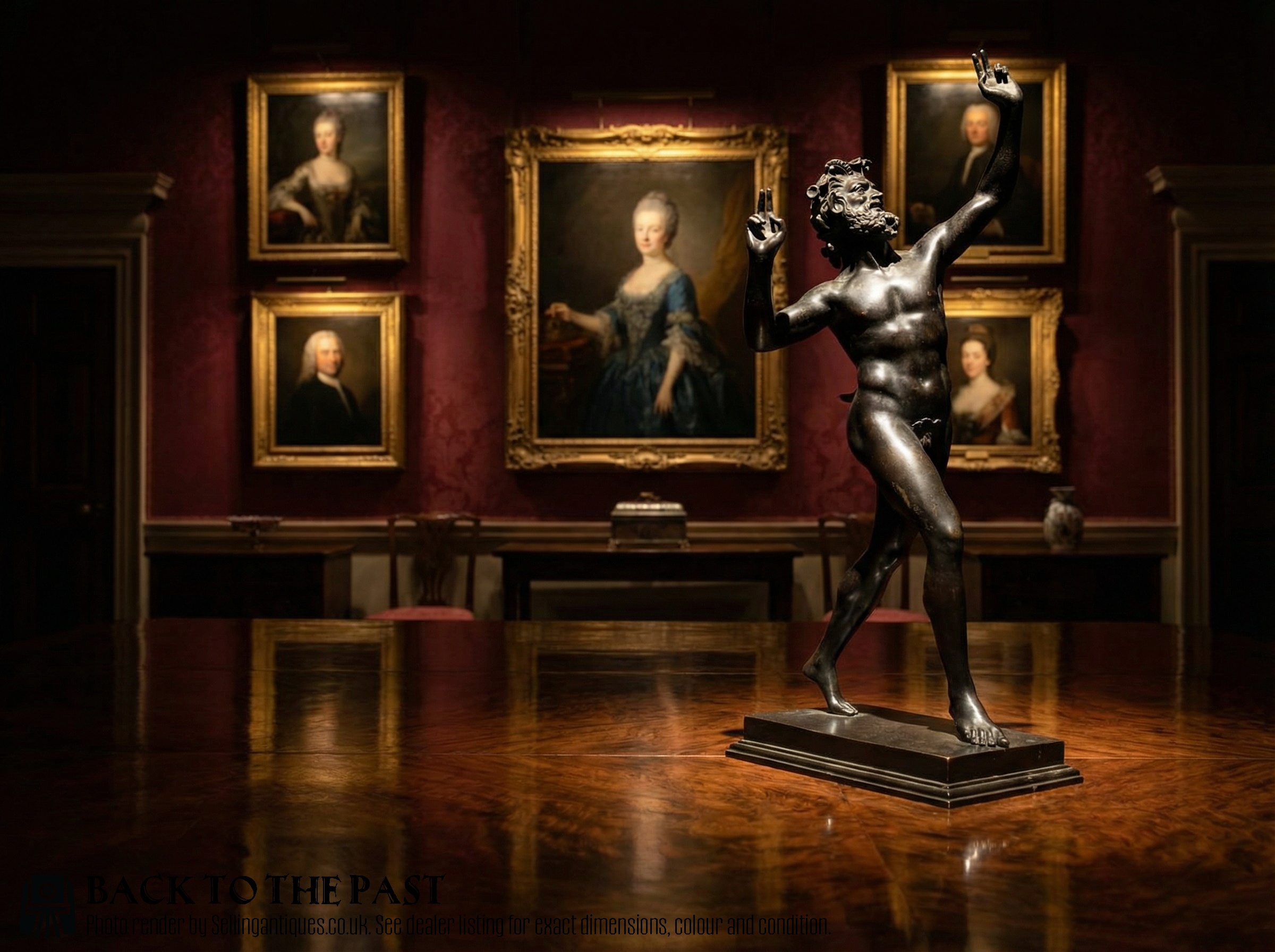
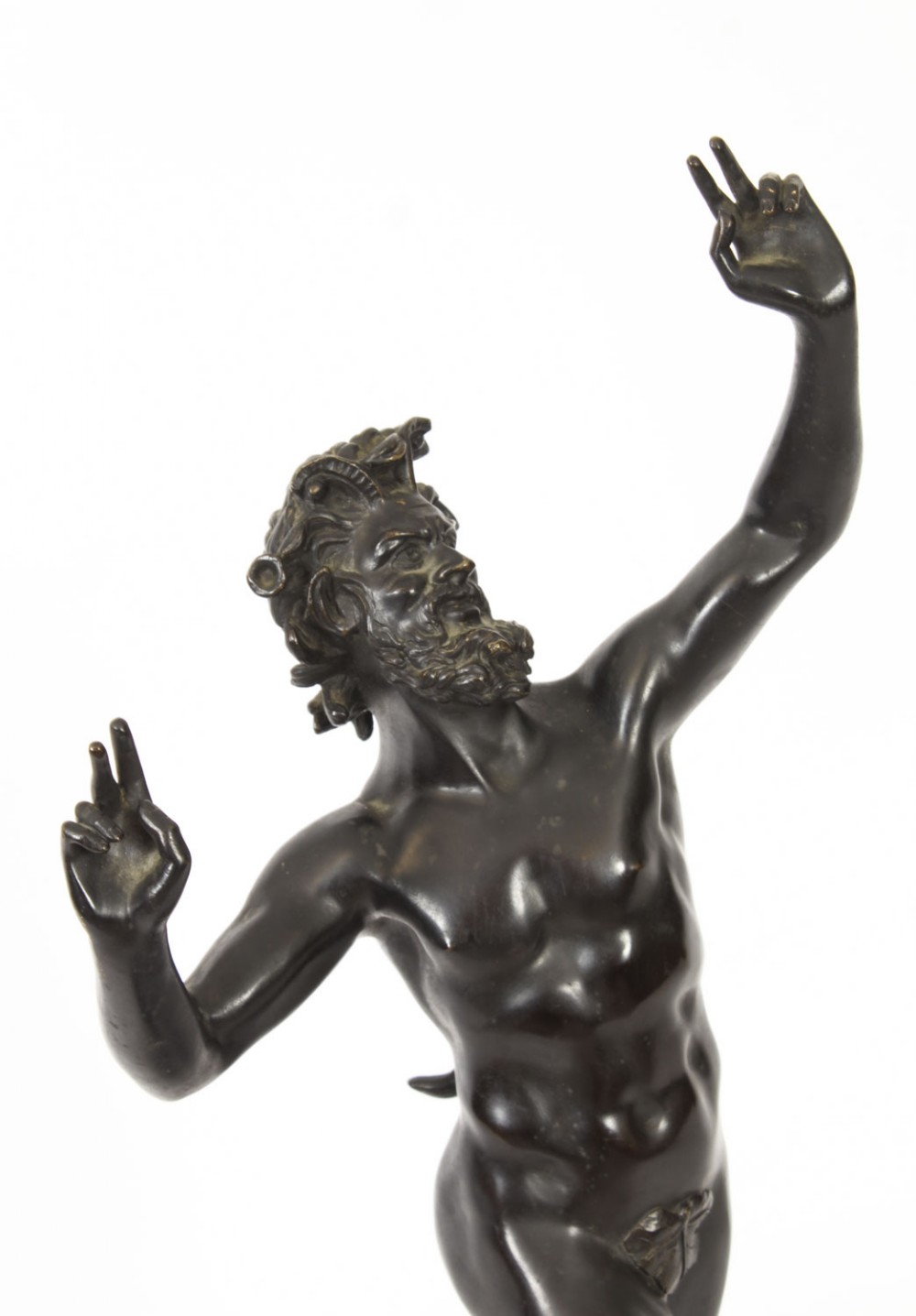
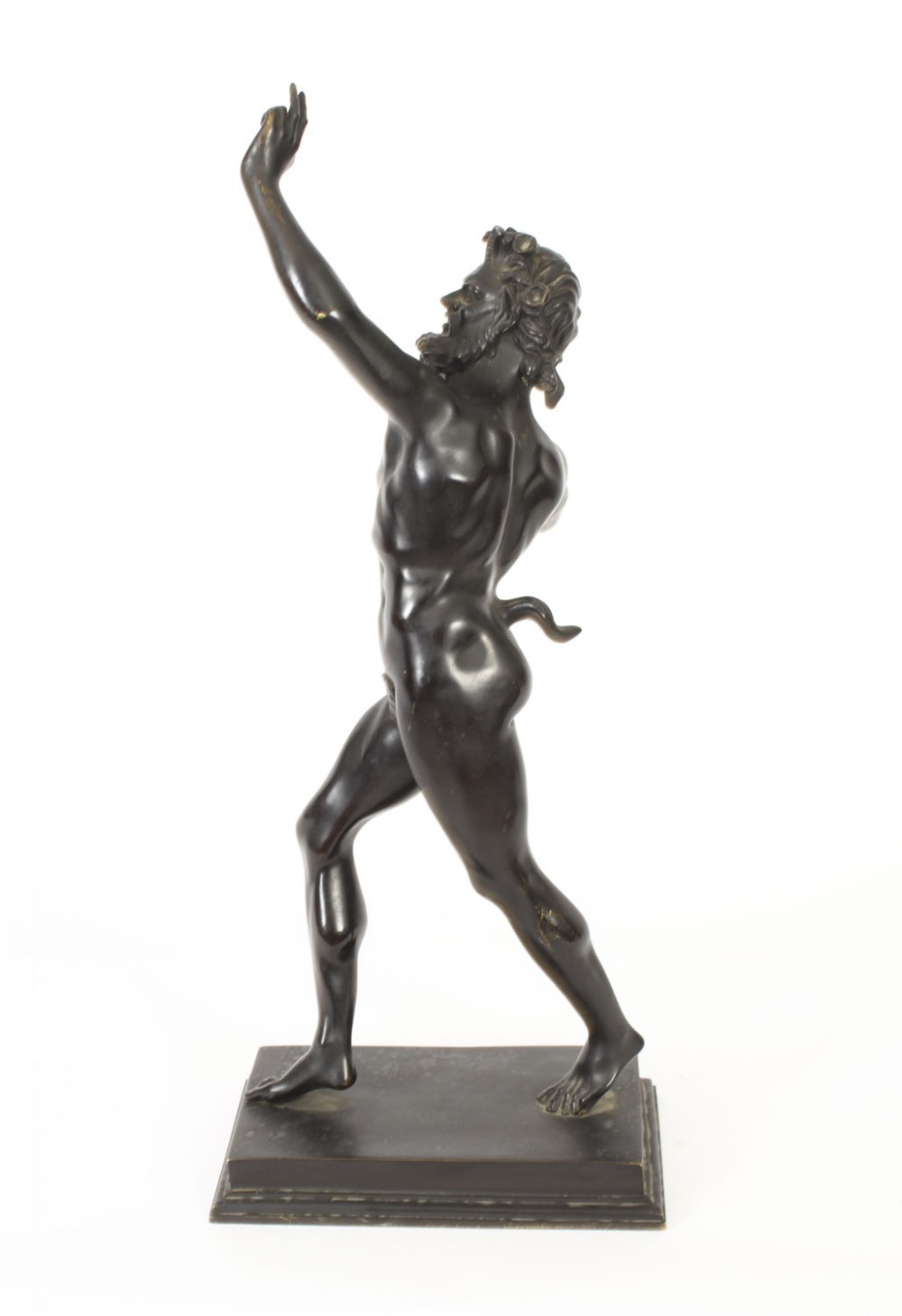
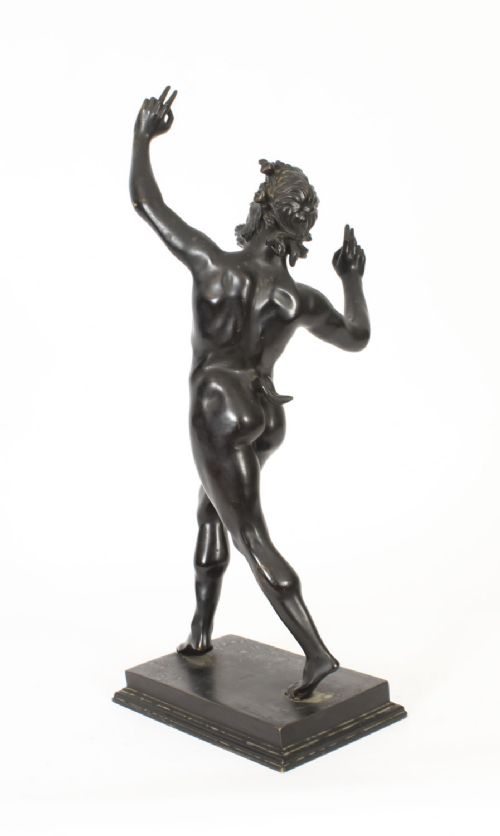
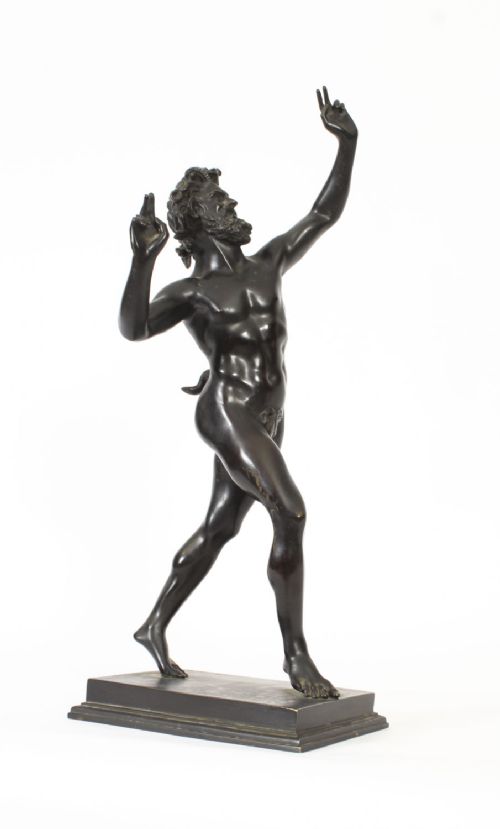
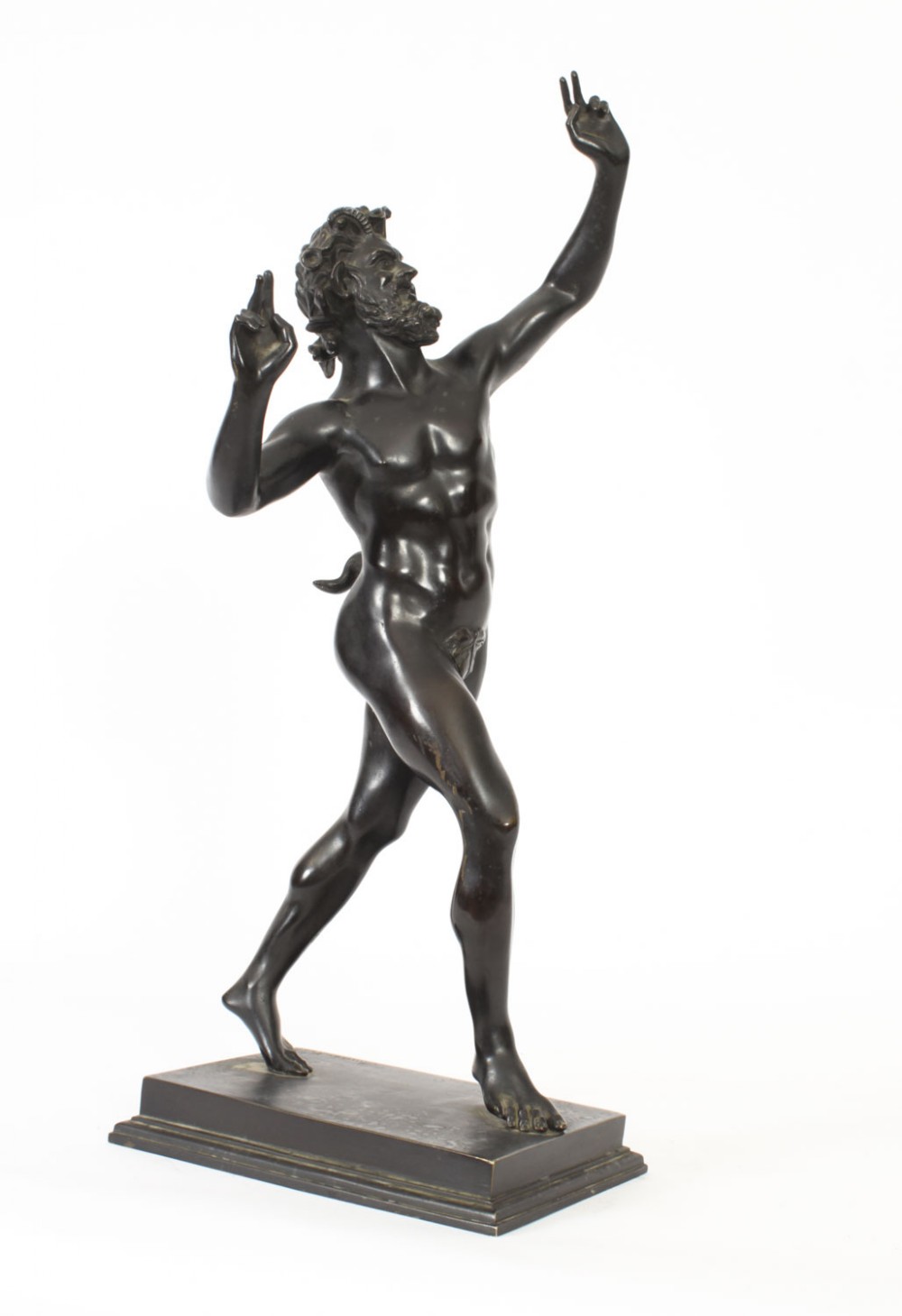
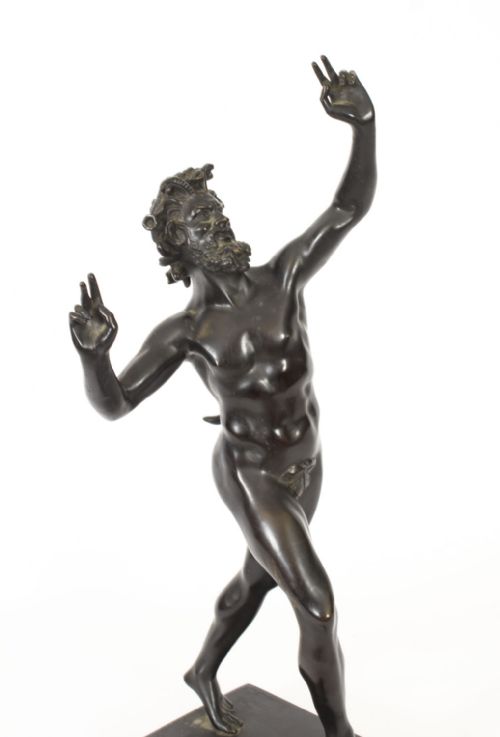
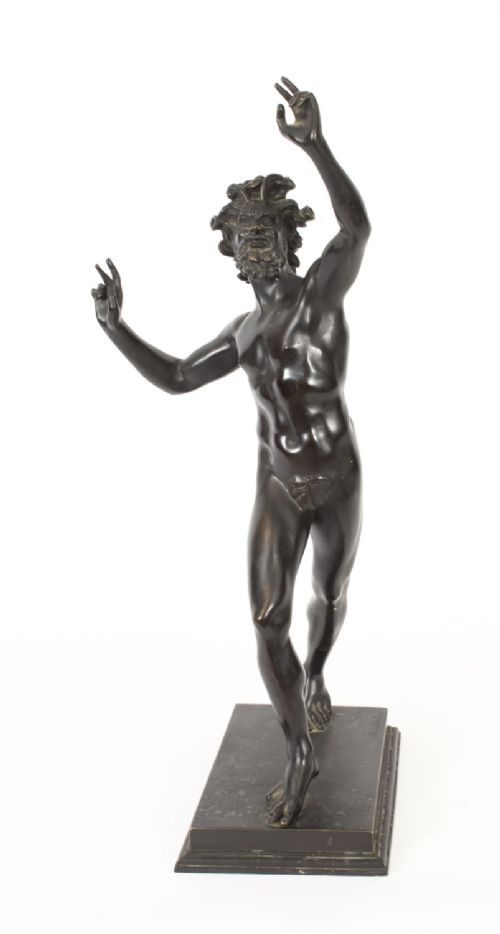
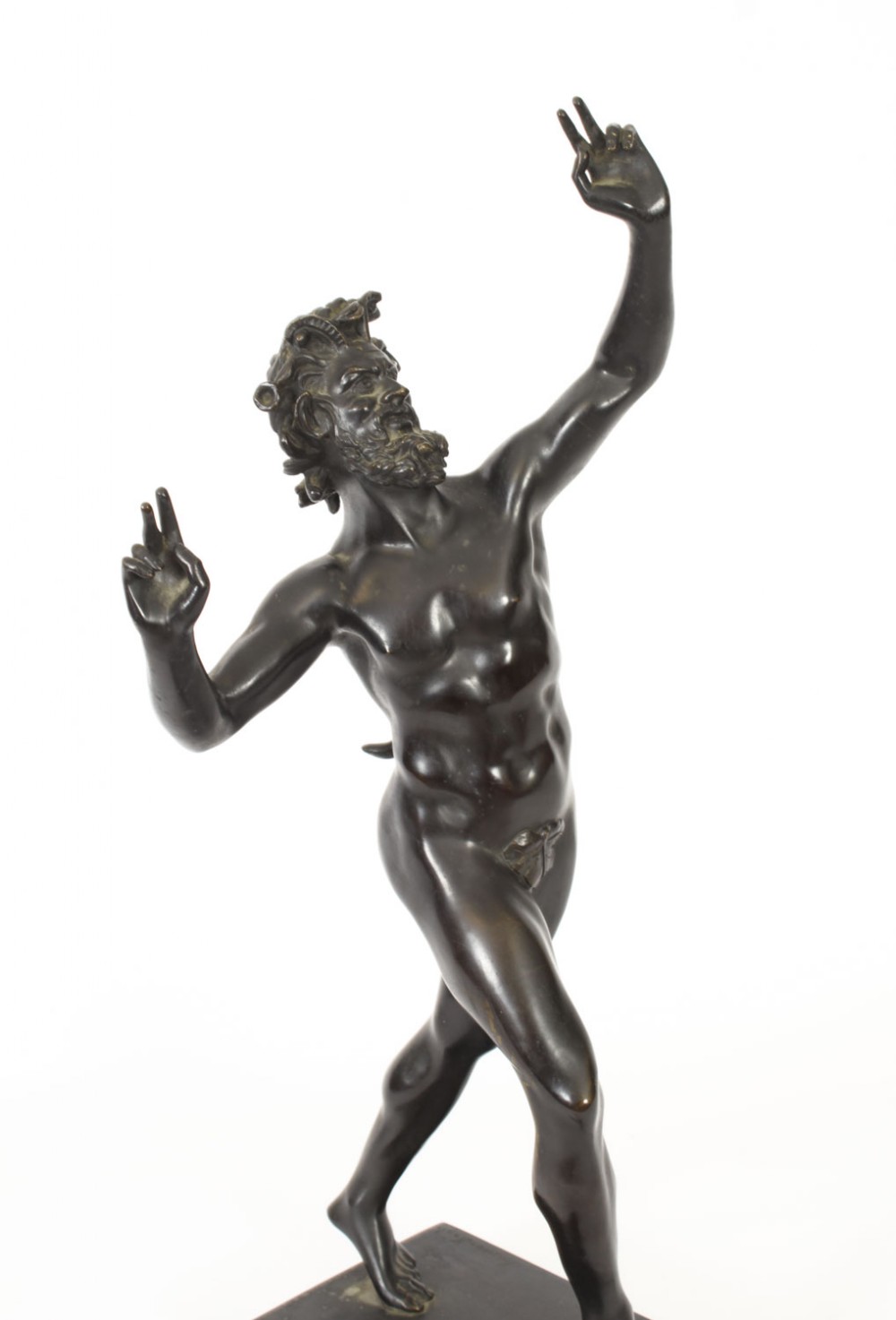
This is a large French Grand Tour bronze sculpture of Pan the Roman fertility God of the forest issued by the "Musee de Naple" , circa 1870 in date.

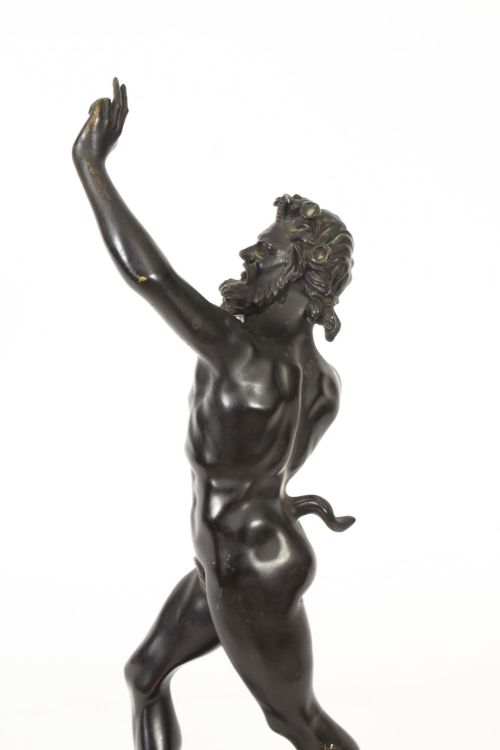
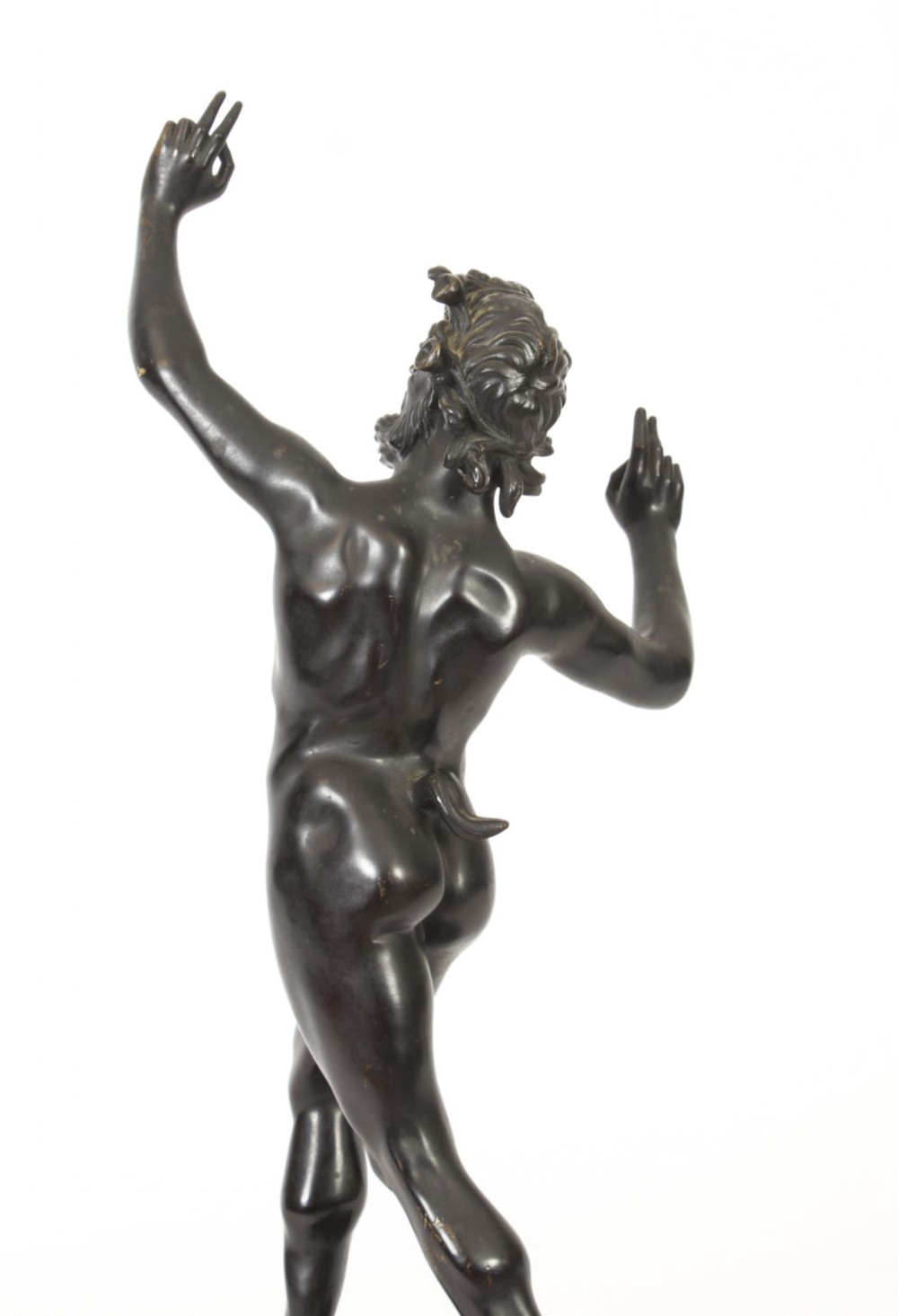
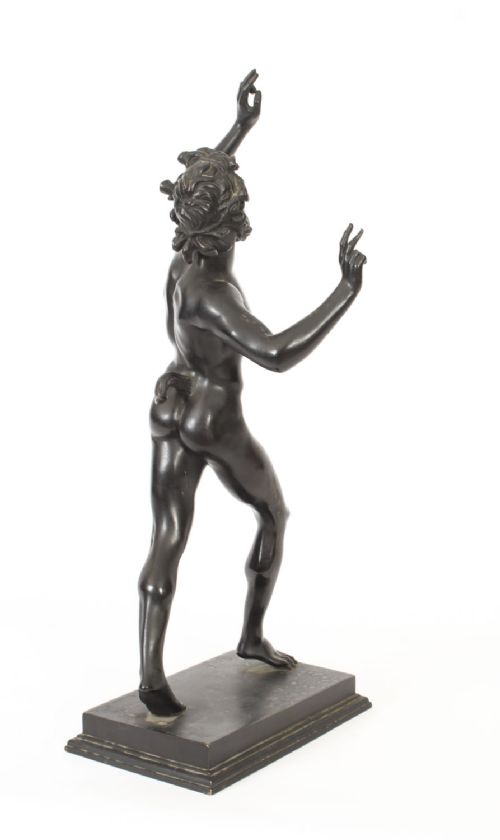
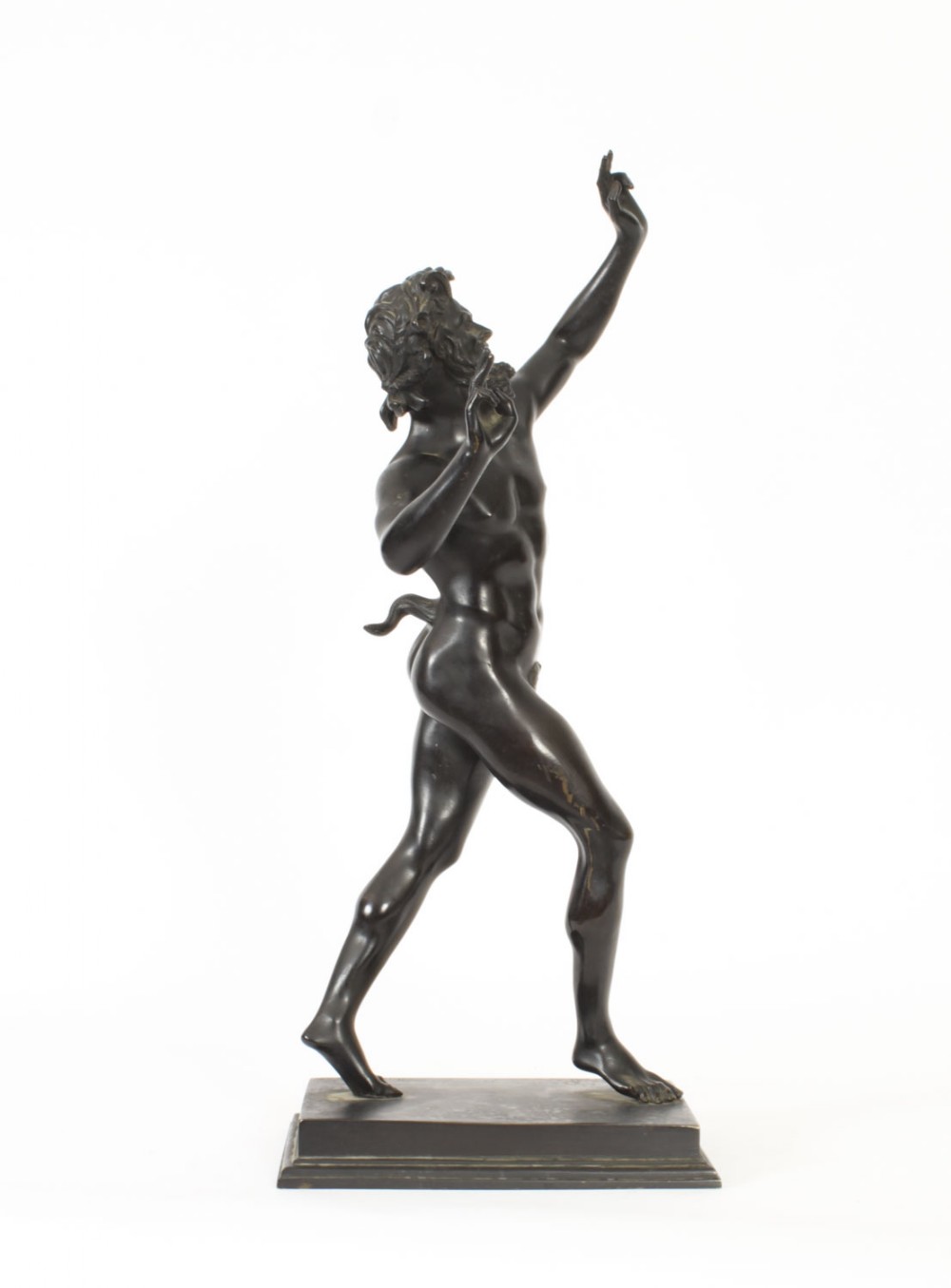
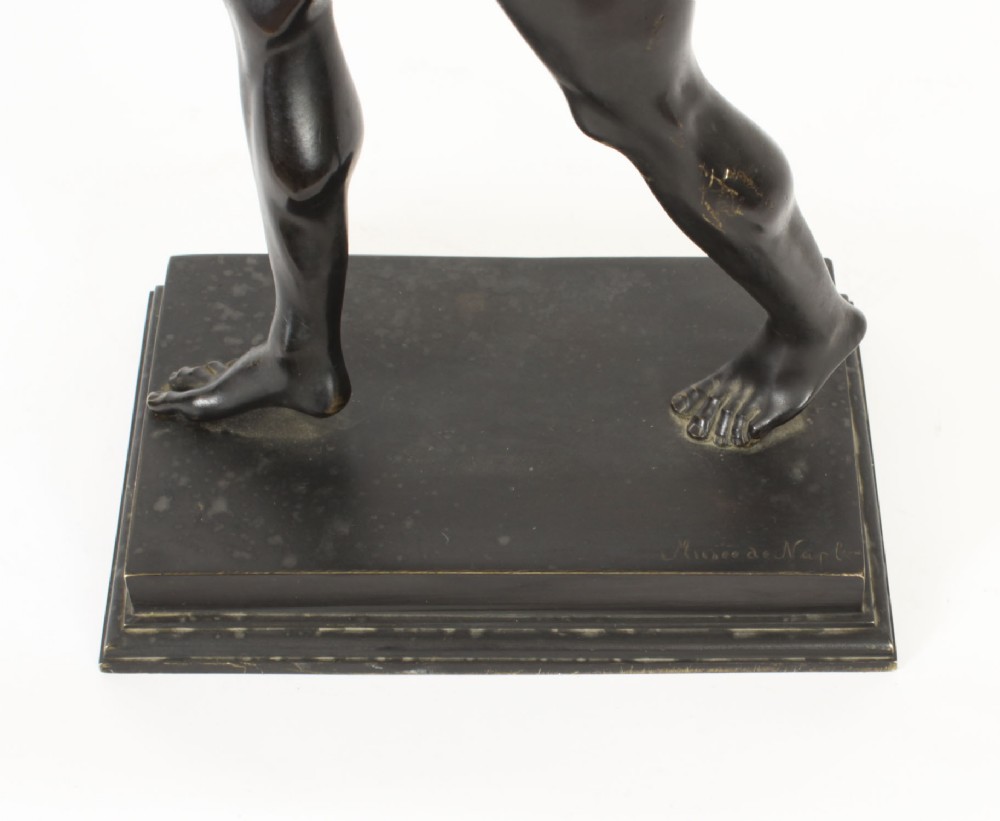
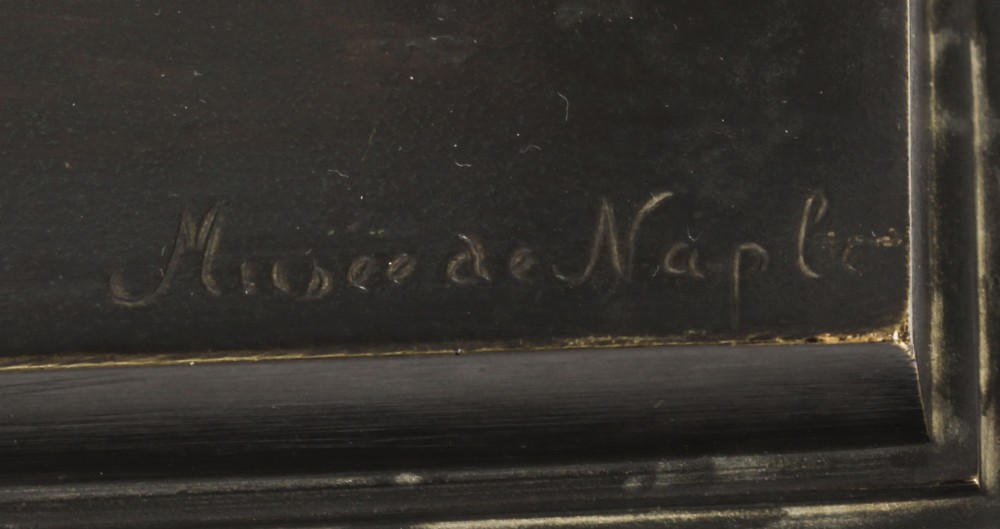
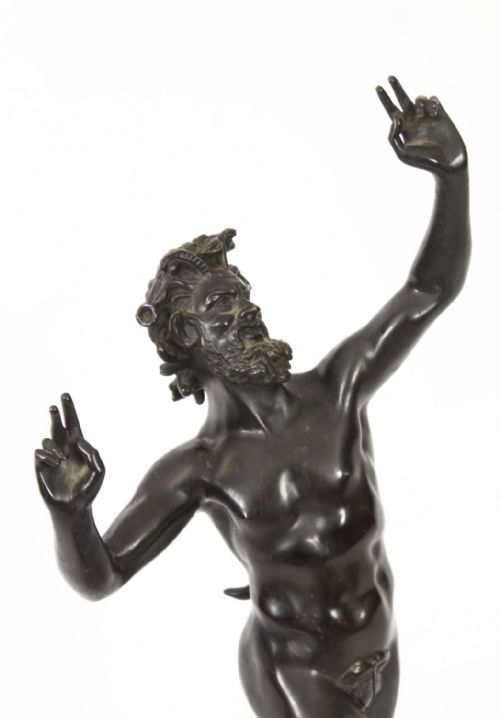
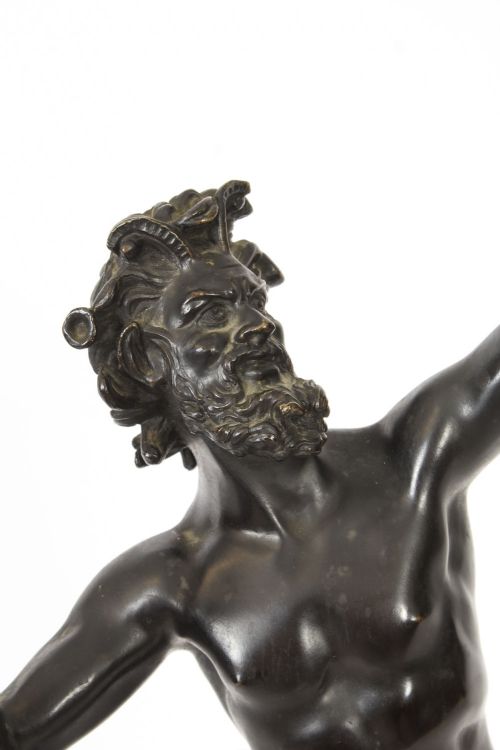
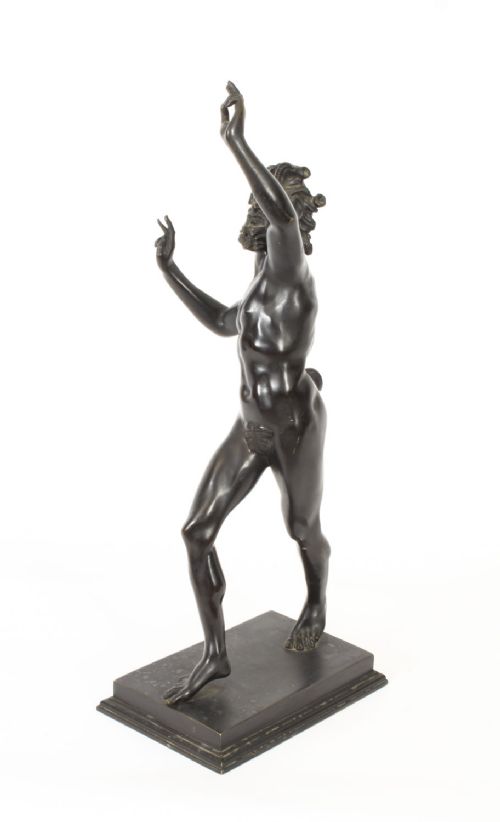
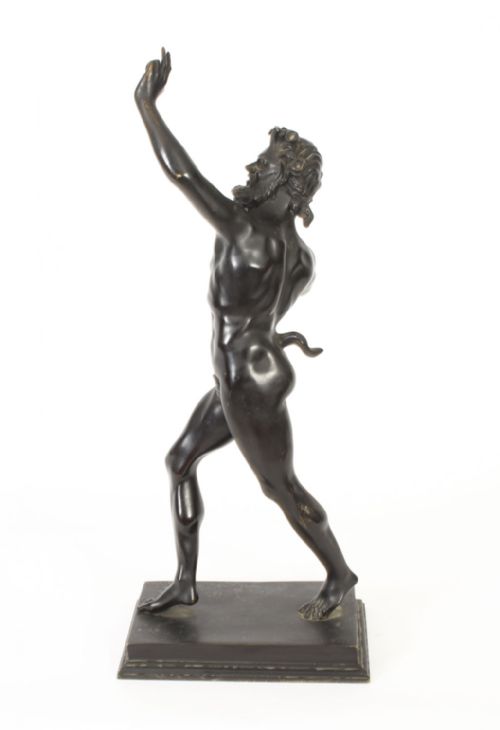
The sculpture features Pan dancing naked, he has horns, flowing hair and a tail. The statue rests on a rectangular bronze base with is signed "Musee de Naple".
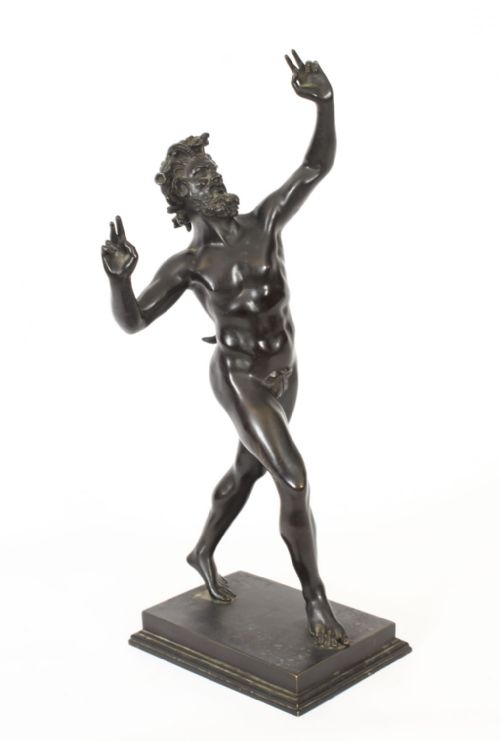
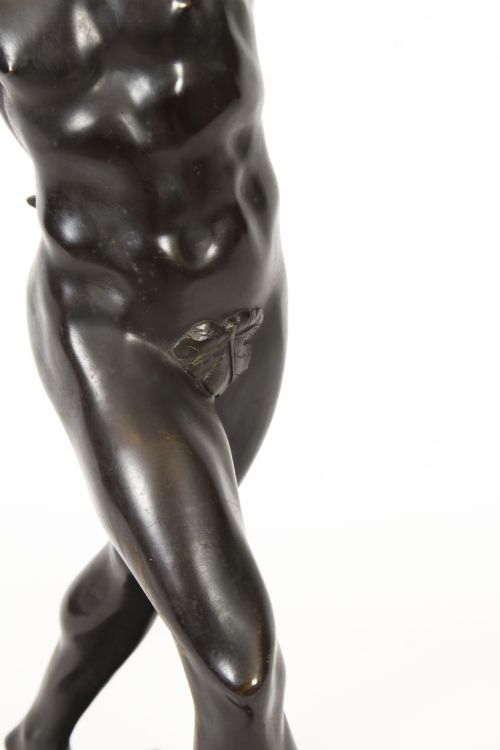
The attention to detail is absolutely fantastic and the sculpture is extremely life-like.

Condition:

In really excellent condition, please see photos for confirmation.

Dimensions in cm:

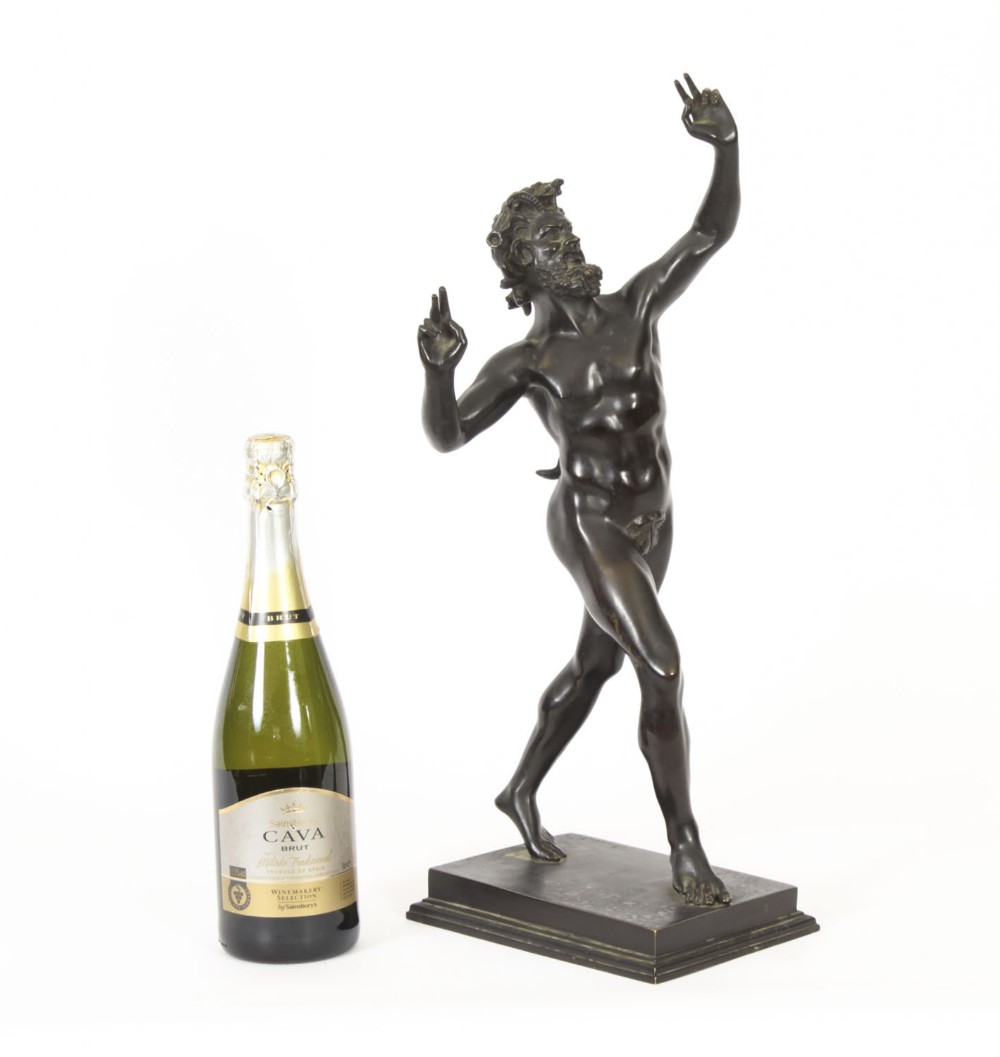
Height 53 x Width 22 x Depth 15
Dimensions in inches:

Height 1 foot, 9 inches x Width 9 inches x Depth 6 inches

Pan

The culture of Ancient Greece involved a complex spiritual world of major and minor gods that oversaw human events and engaged in dramas of their own. One of these, called Pan, ruled over nature and pasturelands. He is frequently depicted in literature and artworks. Although he is not one of the major gods of Ancient Greece, he is one of most often referenced figures in Greek mythology.
Pan the God of the Wild

Pan is considered to be one of the oldest of GREEK GODS. He is associated with nature, wooded areas and pasturelands, from which his name is derived. The worship of Pan began in rustic areas far from the populated city centers. Therefore, he did not have large temples built to worship him. Rather, worship of Pan centered in nature, often in caves or grottos. He ruled over shepherds, hunters and rustic music. He was the patron god of Arcadia. Pan was often in the company of the wood nymphs and other deities of the forest.
Pan’s Appearance

Perhaps because of his association with nature and animals, Pan did not have the appearance of a normal man. The bottom half of his body was like a goat, with the top half of his body being like other men. However, he is often depicted with horns on his head, and his face is usually unattractive.
Pan’s Lineage

The parentage of Pan is uncertain. Some accounts say he is the son of HERMES and Dryope. Others say he is the son of ZEUS or the son of Penelope, wife of Odysseus. The story of his birth says that his mother was so distressed by his unusual appearance that she ran away, but he was taken to Mount Olympus where he became the favourite of the gods.
Pan’s Powers

Like the other GODS OF OLYMPUS, Pan possessed enormous strength. He could also run for long periods of time and was impervious to injury. It was believed he could transform objects into different forms and was able to teleport himself from Earth to Mount Olympus and back. He is depicted as very shrewd with a wonderful sense of humour.
In Ancient Roman mythology, a SIMILAR GOD is called Faunus.

Pan and Music

The MYTHOLOGICAL STORIES involving Pan usually involve his romantic interest in a lovely goddess of the woods who spurns his advances and gets turned into an inanimate object to escape him or who otherwise flees from his ugly appearance. One story concerns Syrinx, a beautiful wood nymph. She flees from Pan’s attentions, and her follow goddesses turn her into a river reed in order to hide her from him. As the winds blow through the reeds, they make a gentle musical sound. Because he does not know which reed Syrinx is, he cuts several from reeds from the group and set them in a line to make the musical instrument, the pan flute. Pan’s image is often depicted with this instrument.
Pan Gave Humans the Word “Panic”

One story involving Pan is the tale of war, in which Pan helps his friend survive a vicious struggle by letting out an immense cry that frightened the enemy and caused him to run away. From this story, we get the word “panic,” the sudden, uncontrollable fear that leads people into irrational behavior.

Pan in the Modern World

Over the ages, Pan has been a symbol of the force of nature. In the 1800s, interest in this mythological figure revived,

Physical Dimensions
Height
53cm (20.87")
Width
22cm (8.66")
Depth
15cm (5.91")
Declaration

Regent Antiques has dated this Bronze Dancing Faun Sculpture to the 1870s.

Reference Numbers
Sellingantiques Reference
SA1017597
Dealers Internal Reference
A3528
Description
This is a large French Grand Tour bronze sculpture of Pan the Roman fertility God of the forest issued by the "Musee de Naple" , circa 1870 in date.

The sculpture features Pan dancing naked, he has horns, flowing hair and a tail. The statue rests on a rectangular bronze base with is signed "Musee de Naple".

fig 1. A dark patinated bronze figure depicting a dancing faun with raised hands standing on a stepped rectangular base.
fig 1. Antique Large Bronze of Pan Dancing Musee De Naple,circa 1870 19th C

The attention to detail is absolutely fantastic and the sculpture is extremely life-like.

Condition:

In really excellent condition, please see photos for confirmation.

Dimensions in cm:

Height 53 x Width 22 x Depth 15

fig 2. A dark patinated bronze figure depicting a dancing faun with raised hands standing on a stepped rectangular base.
fig 2. Antique Large Bronze of Pan Dancing Musee De Naple,circa 1870 19th C

Dimensions in inches:

Height 1 foot, 9 inches x Width 9 inches x Depth 6 inches

Pan

The culture of Ancient Greece involved a complex spiritual world of major and minor gods that oversaw human events and engaged in dramas of their own.
Regent Antiques

One of these, called Pan, ruled over nature and pasturelands. He is frequently depicted in literature and artworks. Although he is not one of the major gods of Ancient Greece, he is one of most often referenced figures in Greek mythology.

fig 3. A dark patinated bronze figure depicting a dancing faun with raised hands standing on a stepped rectangular base.
fig 3. Antique Large Bronze of Pan Dancing Musee De Naple,circa 1870 19th C

Pan the God of the Wild

Pan is considered to be one of the oldest of GREEK GODS. He is associated with nature, wooded areas and pasturelands, from which his name is derived. The worship of Pan began in rustic areas far from the populated city centers. Therefore, he did not have large temples built to worship him. Rather, worship of Pan centered in nature, often in caves or grottos. He ruled over shepherds, hunters and rustic music. He was the patron god of Arcadia. Pan was often in the company of the wood nymphs and other deities of the forest.

fig 4. A dark patinated bronze figure depicting a dancing faun with raised hands standing on a stepped rectangular base.
fig 4. Antique Large Bronze of Pan Dancing Musee De Naple,circa 1870 19th C

Pan’s Appearance

Perhaps because of his association with nature and animals, Pan did not have the appearance of a normal man. The bottom half of his body was like a goat, with the top half of his body being like other men. However, he is often depicted with horns on his head, and his face is usually unattractive.

fig 5. A dark patinated bronze figure depicting a dancing faun with raised hands standing on a stepped rectangular base.
fig 5. Antique Large Bronze of Pan Dancing Musee De Naple,circa 1870 19th C

Pan’s Lineage

The parentage of Pan is uncertain. Some accounts say he is the son of HERMES and Dryope. Others say he is the son of ZEUS or the son of Penelope, wife of Odysseus. The story of his birth says that his mother was so distressed by his unusual appearance that she ran away, but he was taken to Mount Olympus where he became the favourite of the gods.

fig 6. A dark patinated bronze figure depicting a dancing faun with raised hands standing on a stepped rectangular base.
fig 6. Antique Large Bronze of Pan Dancing Musee De Naple,circa 1870 19th C

Pan’s Powers

Like the other GODS OF OLYMPUS, Pan possessed enormous strength. He could also run for long periods of time and was impervious to injury. It was believed he could transform objects into different forms and was able to teleport himself from Earth to Mount Olympus and back. He is depicted as very shrewd with a wonderful sense of humour.

fig 7. A dark patinated bronze figure depicting a dancing faun with raised hands standing on a stepped rectangular base.
fig 7. Antique Large Bronze of Pan Dancing Musee De Naple,circa 1870 19th C

In Ancient Roman mythology, a SIMILAR GOD is called Faunus.

Pan and Music

The MYTHOLOGICAL STORIES involving Pan usually involve his romantic interest in a lovely goddess of the woods who spurns his advances and gets turned into an inanimate object to escape him or who otherwise flees from his ugly appearance. One story concerns Syrinx, a beautiful wood nymph. She flees from Pan’s attentions, and her follow goddesses turn her into a river reed in order to hide her from him. As the winds blow through the reeds, they make a gentle musical sound. Because he does not know which reed Syrinx is, he cuts several from reeds from the group and set them in a line to make the musical instrument, the pan flute. Pan’s image is often depicted with this instrument.

fig 8. A dark patinated bronze figure depicting a dancing faun with raised hands standing on a stepped rectangular base.
fig 8. Antique Large Bronze of Pan Dancing Musee De Naple,circa 1870 19th C

Pan Gave Humans the Word “Panic”

One story involving Pan is the tale of war, in which Pan helps his friend survive a vicious struggle by letting out an immense cry that frightened the enemy and caused him to run away. From this story, we get the word “panic,” the sudden, uncontrollable fear that leads people into irrational behavior.

Pan in the Modern World

Over the ages, Pan has been a symbol of the force of nature. In the 1800s, interest in this mythological figure revived,

Height
53cm (20.87")
Width
22cm (8.66")
Depth
15cm (5.91")
Date of Manufacture

Regent Antiques has dated this Bronze Dancing Faun Sculpture to the 1870s.

Reference Numbers
Sellingantiques Ref
SA1017597
Dealers Internal Ref
A3528
Regent Antiques
Regent Antiques
Sellingantiques verified Since Sep 2016

We specialise in english and continental furniture, silver, porcelain and decorative items.

Dealer Profile

You can view the stock and full dealer information on the Regent Antiques Profile Page

Trade Associations

Regent Antiques is a registered member of LAPADA  CINOA

PDF SHARE
SAVE
A dark patinated bronze figure depicting a dancing faun with raised hands standing on a stepped rectangular base.
1 / 20
Archive I A dark patinated bronze figure depicting a dancing faun with raised hands standing on a stepped rectangular base.

Antique Large Bronze of Pan Dancing Musee de Naple,Circa 1870 19th C
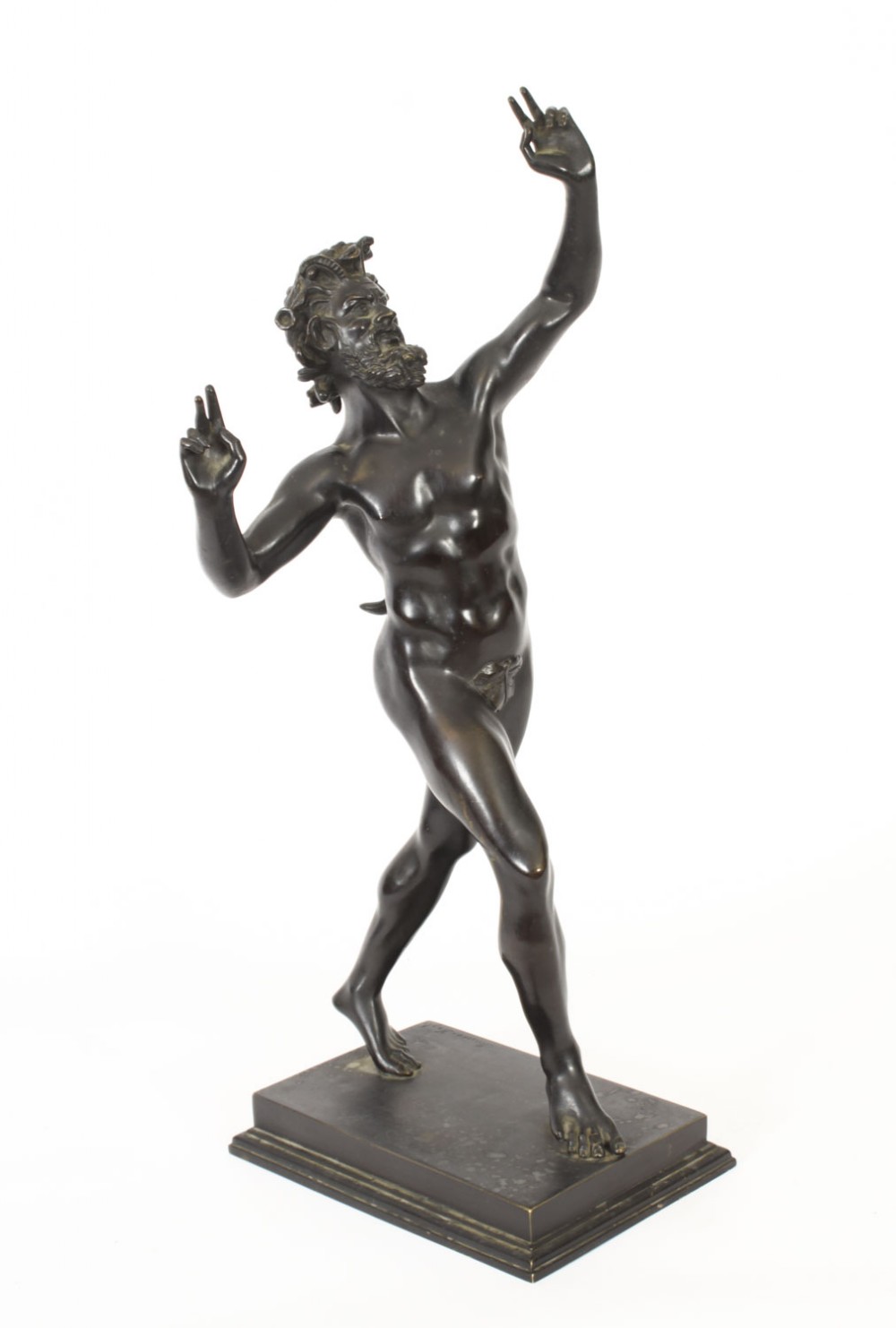
Archive II A dark patinated bronze figure depicting a dancing faun with raised hands standing on a stepped rectangular base. View II
Archive III A dark patinated bronze figure depicting a dancing faun with raised hands standing on a stepped rectangular base. View III
Archive IV Scale Reference for A dark patinated bronze figure depicting a dancing faun with raised hands standing on a stepped rectangular base.
Archive V A dark patinated bronze figure depicting a dancing faun with raised hands standing on a stepped rectangular base. View V
Archive VI A dark patinated bronze figure depicting a dancing faun with raised hands standing on a stepped rectangular base. View VI
Archive VII A dark patinated bronze figure depicting a dancing faun with raised hands standing on a stepped rectangular base. View VII
Archive VIII A dark patinated bronze figure depicting a dancing faun with raised hands standing on a stepped rectangular base. View VIII
Archive IX A dark patinated bronze figure depicting a dancing faun with raised hands standing on a stepped rectangular base. View IX
Archive X A dark patinated bronze figure depicting a dancing faun with raised hands standing on a stepped rectangular base. View X
Archive XI A dark patinated bronze figure depicting a dancing faun with raised hands standing on a stepped rectangular base. View XI
Archive XII A dark patinated bronze figure depicting a dancing faun with raised hands standing on a stepped rectangular base. View XII
Archive XIII A dark patinated bronze figure depicting a dancing faun with raised hands standing on a stepped rectangular base. View XIII
Archive XIV A dark patinated bronze figure depicting a dancing faun with raised hands standing on a stepped rectangular base. View XIV
Archive XV A dark patinated bronze figure depicting a dancing faun with raised hands standing on a stepped rectangular base. View XV
Archive XVI A dark patinated bronze figure depicting a dancing faun with raised hands standing on a stepped rectangular base. View XVI
Archive XVII A dark patinated bronze figure depicting a dancing faun with raised hands standing on a stepped rectangular base. View XVII
Archive XVIII A dark patinated bronze figure depicting a dancing faun with raised hands standing on a stepped rectangular base. View XVIII
Archive XIX A dark patinated bronze figure depicting a dancing faun with raised hands standing on a stepped rectangular base. View XIX
Archive XX A dark patinated bronze figure depicting a dancing faun with raised hands standing on a stepped rectangular base. View XX
FURTHER BROWSING

Visitors also looked at these ⇣

Enlarged Archival View
Location
Manor Warehouse
318 Green Lanes
London
N4 1BX
United Kingdom
Verified Since Sep 2016
Items For Sale 659
Items Sold 2,603
Regent Antiques
Regent Antiques
Verified Since Sep 2016
View Dealer Info
Location: Manor Warehouse, 318 Green Lanes, London, N4 1BX, United Kingdom
Verified
Sep 2016
For Sale
659
Sold
2,603
A dark patinated bronze figure depicting a dancing faun with raised hands standing on a stepped rectangular base.
Antique Large Bronze of Pan Dancing Musee de Naple,Circa 1870 19th C
Ref: SA1017597
A dark patinated bronze figure depicting a dancing faun with raised hands standing on a stepped rectangular base.
Detail View 1
Detail View 2
Detail View 3
Detail View 4
Detail View 5
Detail View 6
Detail View 7
Detail View 8
Detail View 9
Detail View 10
Detail View 11
Detail View 12
Detail View 13
Detail View 14
Detail View 15
Detail View 16
Detail View 17
Detail View 18
Scale Reference
Archival Detail
Every single antique dealer on our platform is individually approved by our internal team. We verify their professional trade history, ethical standards, and photographic quality to ensure a secure, high-standard buying environment. Upon joining, every dealer agrees to a strict 9-point code of conduct. While issues can occasionally arise, our dealers typically resolve them swiftly and directly with the buyer. In fact, since our founding in 2002, Sellingantiques has only had to step in to help resolve an issue on roughly five occasions—a true testament to the quality of our dealers and their dedication to your happiness.
Our dealers are highly experienced in packing and shipping fragile, high-value antiques. Because you are in direct contact with the dealer, you will be able to easily go through all available shipping and insurance options together to ensure your item arrives safely.
Antiques are the ultimate green purchase. By choosing historical pieces over newly manufactured goods, you completely eliminate the carbon footprint of modern mass production while preserving exceptional, timeless craftsmanship.

Grand Tour bronzes are 19th-century cast reproductions of classical Greek and Roman statues, acquired by European travellers visiting historic sites across Italy and Greece.

These sculptures were crafted using the lost-wax or sand-casting method, followed by hand-chasing to refine detail and the application of a chemical patina to achieve an oxidised finish.

Authentic 19th-century bronzes typically exhibit hand-chased surface details, natural patination in recessed areas, historical mounting techniques on the base, and significant weight consistent with solid casting.

A dark bronze figure creates visual contrast when positioned on a mantelpiece, bookshelf, or console table alongside modern artwork, balancing traditional form with contemporary design.

Dust the figure regularly with a soft dry cloth or soft-bristled brush, avoiding water or chemical polish that could strip the delicate patina; a light coating of microcrystalline wax can be applied periodically to protect the surface.
items
Add keywords to the filter
Price
£100
£250000
Era
Movements
Material
Origin
Stock Location
Freshness
Online Payments
Categories