





Yorkshire Chair
A yorkshire chair brings robust regional craft and solid timbers straight into a room, offering enduring utility alongside distinct local character.
Yorkshire Chair
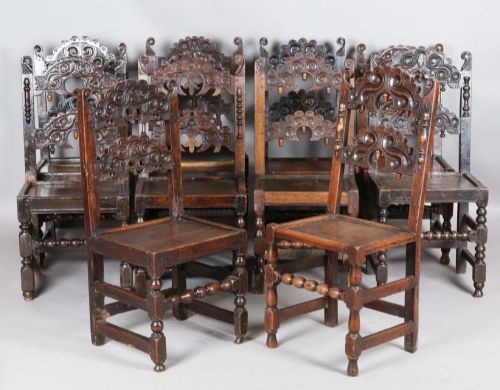
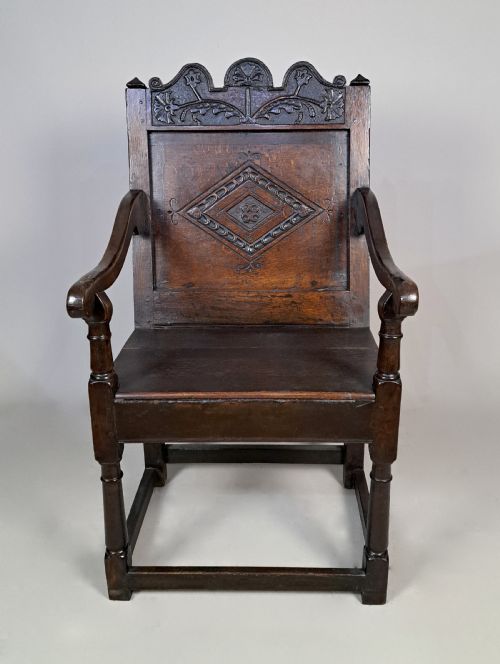
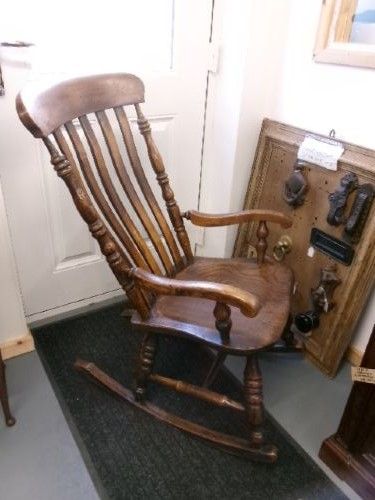
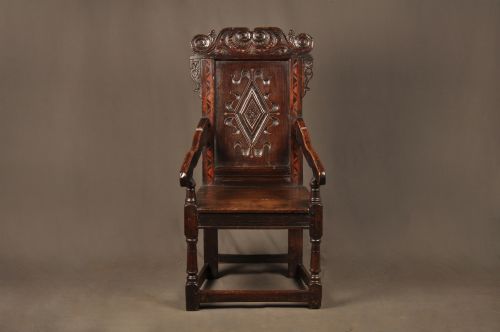
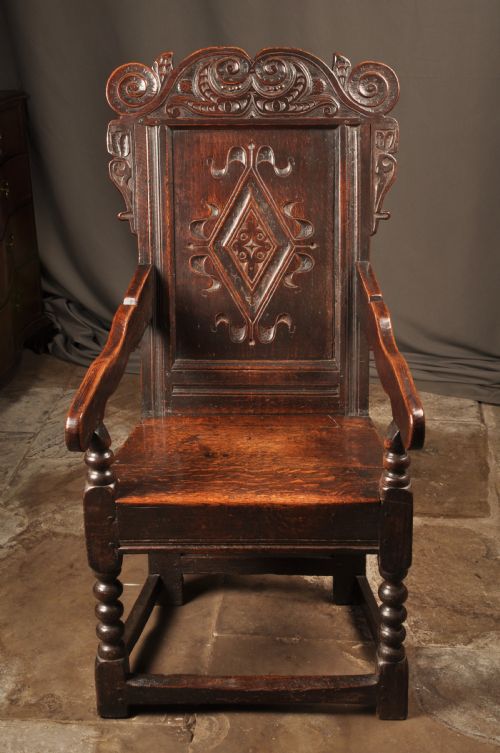
The yorkshire chair category encompasses sturdy domestic seating ranging from early joined oak wainscot armchairs and backstools to later country house elbows and rustic farmhouse rockers. Buyers encountering these pieces will frequently find regional timber constructions that reflect historical vernacular traditions across 17th century, Georgian, and Victorian periods.
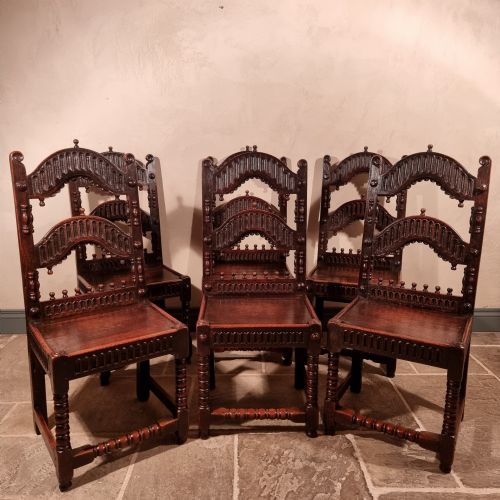
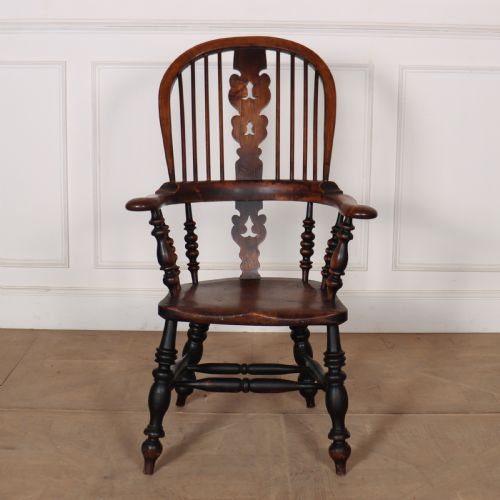
Forms span across armchairs, side chairs, dining chairs, and high back Windsor designs, including specific regional variations such as Dales chairs and broadarm Windsor chairs. These seats served practical domestic purposes in country homes and farmhouses, utilising local materials like rush for seating alongside sturdy wooden frames.
How they were made
Constructed primarily from solid native hardwoods such as oak, elm, ash, and yew, these chairs rely on traditional joinery techniques suitable for heavy daily use. Joined oak frameworks provide structural rigidity, while turned elements and bentwood components shape the distinctive hooped backs of Windsor variants.
Seating areas incorporate woven rush or solid wooden boards set within sturdy frames. The integration of different woods highlights regional timber availability, combining strong frames with flexible woods for spindles and arms.
Yorkshire Chair Retail Price Guide 2026
Typical asking prices for yorkshire chair among the pieces listed under this phrase on Sellingantiques today, from the lower quarter to the upper quarter. They describe what is for sale here now, not the wider market.
A sturdy lambing chair offers a high wooden back designed to block chilly draughts around the hearth.
What varies in quality
Quality in a yorkshire chair is determined by the integrity of the original timber framing and the sophistication of the regional carving or turning. Pieces featuring well-preserved joined construction and balanced proportions demonstrate superior craftsmanship compared to simpler vernacular builds.
The choice and combination of woods, such as figured oak or select yew wood in Windsor forms, set finer examples apart. Original surface patination and the survival of early rush seats further distinguish high-grade regional seating.
The Yorkshire Chair Glossary
- Wainscot chair
- A heavy wooden armchair dating from the 17th century, featuring panelled backs and solid joined construction. These early seats represent formal regional domestic furniture.
- Backstool
- An upholstered or wooden-backed seat without arms, essentially an early form of side chair. They appear frequently in 17th century regional inventories.
- Windsor chair
- A chair built with a solid wooden seat into which the legs and back spindles are separately bored and wedged. Broadarm and hoop-back variants utilise ash and yew.
- Rush seat
- A seating surface woven from dried marsh rushes, providing a flexible and traditional base. These seats appear on regional dining and Dales chairs.
- Joined oak
- Furniture construction utilising mortise and tenon joints secured with wooden pegs. This technique defines the structural integrity of early country seating.
Yorkshire Chair: Frequently Asked Questions
How do I date a wainscot chair?
Dating relies on examining the construction methods, such as joined oak framing, peg placement, and panel thickness. Early examples often date to the 17th century.
Stylistic cues like carved cresting rails and regional turning patterns provide further clues to the period of manufacture.
Where were these chairs used?
These chairs were used in domestic interiors, farmhouses, and country houses throughout Yorkshire and surrounding northern districts. They served as primary seating in halls, parlours, and dining spaces.
Their robust construction made them suitable for daily household tasks and prolonged sitting.
How should I live with one?
Living with a historic wooden chair involves placing it away from direct heat sources and dramatic humidity changes to protect the timber. Regular dusting and occasional gentle conditioning help preserve the surface.
Using them thoughtfully allows you to incorporate centuries of regional craftsmanship into a modern interior.