




Yorkshire Artist Artwork
Yorkshire artist artwork brings local landscape and coastal scenes into focus through watercolours, oils and pastels created across the early twentieth century.
Yorkshire Artist Artwork
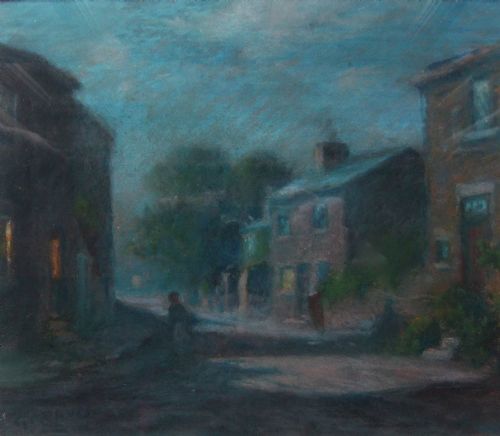
When you search for yorkshire artist artwork, you encounter paintings and drawings depicting specific northern locations such as Wensleydale, Bradford, Whitby and Leeds. These pieces capture local topography, rural farmyards, cottage gardens and coastal harbours through the eyes of regional painters.
The selections span from Victorian works through Edwardian examples and into the 1930s and 1940s. Watercolours and oils dominate the selection, frequently recording familiar landmarks, market towns and pastoral valleys.
Landscapes form the core of the selection, accompanied by townscapes, still lifes and coastal views. Works range from intimate watercolour drawings on paper to substantial oil paintings on canvas and board.
Materials and techniques
Artists utilise watercolour on paper for fluid atmospheric effects, often combining ink or pastel to define linear detail in landscape and townscape subjects. This medium allows rapid capture of changing northern light across valleys and piers.
Oil paint is applied to canvas, wood and board to build richer, heavier textures for farmyard scenes, garden views and still life subjects. The support material varies from traditional canvas to rigid board panels utilised during outdoor sketching trips.
Yorkshire Artist Artwork Retail Price Guide 2026
Typical asking prices for yorkshire artist artwork among the pieces listed under this phrase on Sellingantiques today, from the lower quarter to the upper quarter. They describe what is for sale here now, not the wider market.
Several watercolours record sheep grazing peacefully through changing northern weather, indifferent to the artistic commotion surrounding them.
Assessing quality
Quality rests upon the handling of light, atmosphere and local topography within the composition. Stronger examples demonstrate confident brushwork and distinct tonal control whether rendering a winter landscape or a coastal harbour.
Provenance and documented exhibition history enhance the standing of a piece. Signed works with clear topographical titles connecting directly to recognised northern locations carry stronger documentary interest.
Muriel Metcalfe·Fred Lawson·William Greaves·William JB Jenkins·Owen Bowen·Florence Hess·James Watson·Frederick W. Jackson·Rowland Henry Hill·Fred Stead
The Yorkshire Artist Artwork Glossary
- Watercolour
- A painting method where fine pigment is suspended in water-soluble binder applied to paper. It produces translucent washes suited to capturing northern skies and open landscapes.
- Oil painting
- A medium using pigments bound with drying oils, applied to canvas, wood or board. This technique allows for deep colour saturation and textured impasto work.
- Pastel
- A dry drawing medium made of powdered pigment and a binder, formed into sticks. It provides soft textures well suited to intimate landscape and floral studies.
- Staithes artist
- A painter associated with the northern fishing port community known for plein air coastal and landscape work. Their output forms a distinct regional school.
Yorkshire Artist Artwork: Frequently Asked Questions
What subjects appear in these works?
The compositions focus primarily on northern landscapes, coastal piers, Yorkshire towns and rural farmyards.
Floral still lifes and domestic garden scenes also feature among the watercolours and oil paintings.
Which periods are represented?
The selection spans from Victorian times through the Edwardian era into the 1920s, 1930s and 1940s.
Early twentieth-century movements such as British Impressionism and Modern British styles strongly influence the execution.
What materials were used by the artists?
Painters employed watercolours on paper, frequently enhanced with ink or pastel for added definition.
Oils were applied to canvas, wood panels and board supports to create more substantial textured works.
How do I display works on paper safely?
Watercolours and pastels require framing behind protective glass to prevent environmental damage from dust and moisture.
Keep framed works away from direct sunlight to protect the pigments from fading over time.