





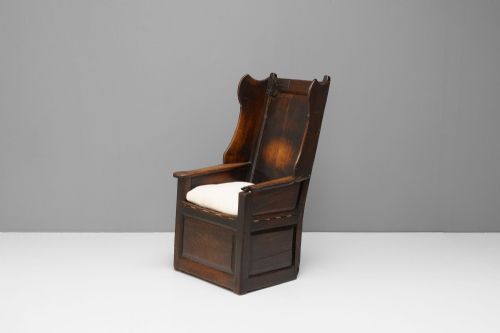

Yorkshire Armchair
A yorkshire armchair brings robust regional craftsmanship and heavy timber into a room, offering sturdy seating with deep historical roots.
Yorkshire Armchair
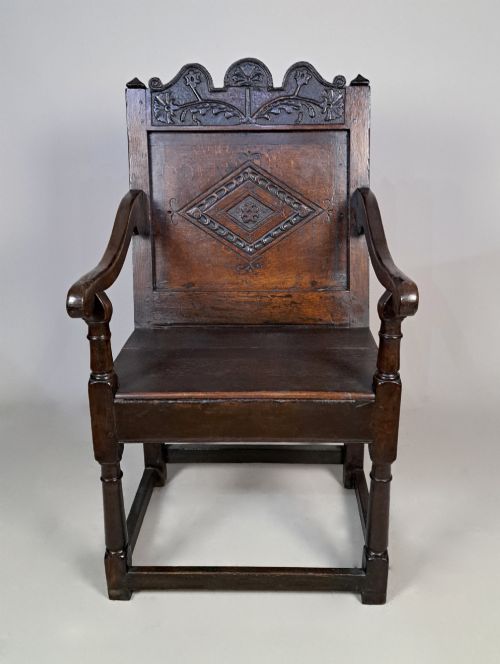
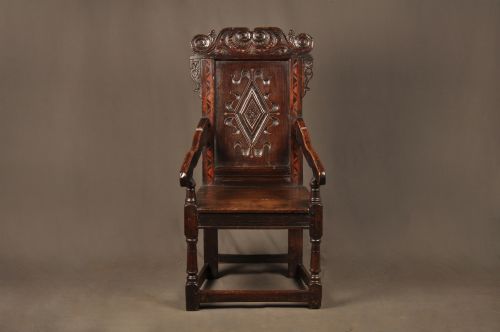
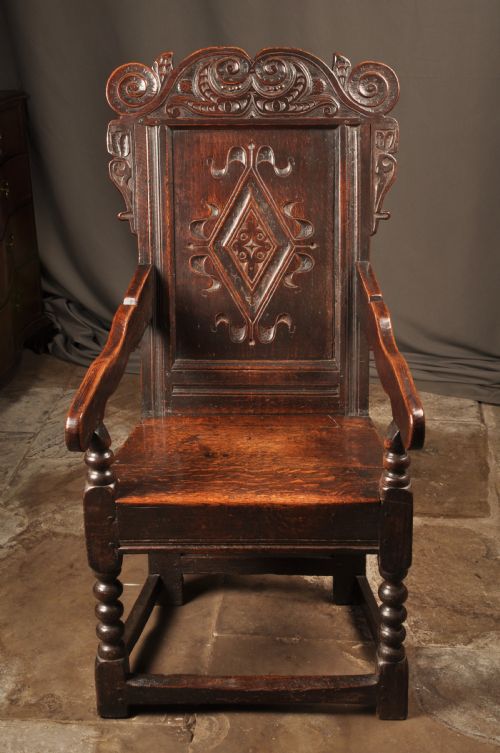
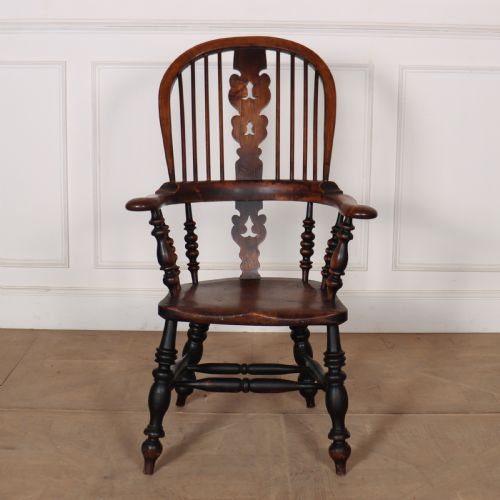
A yorkshire armchair encompasses heavy wainscot forms from the seventeenth century and sturdy vernacular windsors from later eras. Buyers searching for a yorkshire armchair will most frequently encounter joined oak wainscot chairs alongside elm, ash, and yew Windsor variants.
The regional focus highlights regional English country house furniture, ranging from early joined armchairs to farmhouse rocking chairs and broadarm Windsor designs. These pieces span the seventeenth, eighteenth, and nineteenth centuries, demonstrating the evolution of domestic seating in the north.
Materials and Construction
Construction relies heavily on solid timber, with oak dominating the earlier joined wainscot pieces and ash, elm, and yew shaping the later Windsor designs. Cabinetmakers utilised traditional joinery methods such as mortise and tenon joints to ensure structural rigidity.
Turned spindles, shaped seats, and broad arms define the physical construction of these regional chairs. The timber was selected for strength and durability, resulting in heavy frames capable of enduring centuries of daily domestic use.
Yorkshire Armchair Retail Price Guide 2026
Typical asking prices for yorkshire armchair among the pieces listed under this phrase on Sellingantiques today, from the lower quarter to the upper quarter. They describe what is for sale here now, not the wider market.
Listings span seventeenth-century joined oak wainscot forms through to nineteenth-century ash and yew Windsor armchairs.
What Varies in Quality
Quality separates through the integrity of the original timber and the crispness of any carved or turned details on the frame. Early joined oak chairs with well-preserved cresting and panel work sit at the higher end of regional craftsmanship.
The proportion of the arms and the balanced pitch of the high back or Windsor bow dictate visual and physical comfort. Original surface patination and minimal replacement of structural members maintain the integrity of the piece.
The Yorkshire Armchair Glossary
- Wainscot chair
- A heavy wooden armchair of seventeenth-century origin, constructed with panelled backs and solid wooden seats. These early pieces represent the formal end of vernacular regional seating.
- Windsor chair
- A chair built with a solid wooden seat into which the legs and back spindles are separately bored and wedged. Stick-back and hoop-back variants appear frequently in regional contexts.
- Broadarm
- An armchair featuring a significantly widened wooden armrest designed for writing or resting objects. This practical addition often appears on nineteenth-century Windsor forms.
- Joined oak
- Furniture construction utilising closely fitted mortise and tenon joints secured with wooden pegs. This method provides the foundational framework for early seventeenth-century examples.
Yorkshire Armchair: Frequently Asked Questions
What is a yorkshire armchair?
A yorkshire armchair is a sturdy regional wooden seat originating from northern England, encompassing early joined oak wainscot chairs and later Windsor forms.
These chairs reflect local vernacular traditions using native timbers like oak, ash, elm, and yew.
How were these chairs used?
These armchairs served as primary seating in domestic interiors, farmhouses, and country houses for heads of households or honoured guests.
Their robust construction meant they doubled as functional everyday furniture that endured generations of active household use.
How do I live with one?
Living with a yorkshire armchair involves placing it in a room where its heavy timber presence and historical character can anchor the space.
Keep wooden frames away from direct heat sources to prevent the historic oak, ash, or elm from drying out or splitting.
How do I tell periods apart?
Early periods rely on joined oak construction, panelled backs, and rigid rectilinear frames typical of the seventeenth century.
Later nineteenth-century versions shift toward turned spindles, bentwood hoops, and solid saddled seats characteristic of regional Windsor designs.