


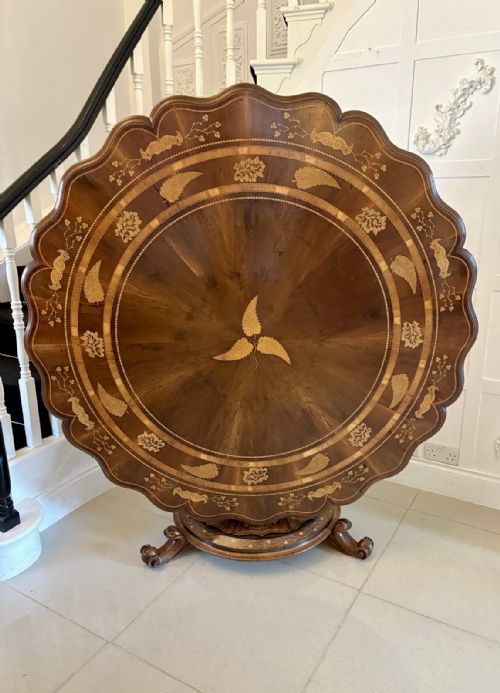


Yew Wood Hall Table
A yew wood hall table brings striking grain and deep honey tones into an entrance, offering a functional surface with distinct character.
Yew Wood Hall Table
When you search for a yew wood hall table, you encounter compact side tables, lowboys, and occasional tables shaped by centuries of cabinet making. These pieces serve narrow entranceways and landings where depth is limited but presence matters.
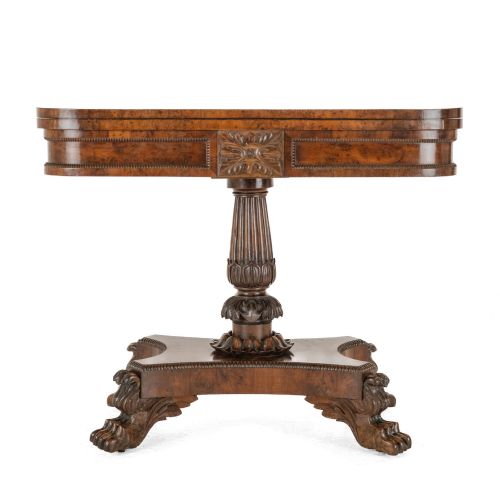
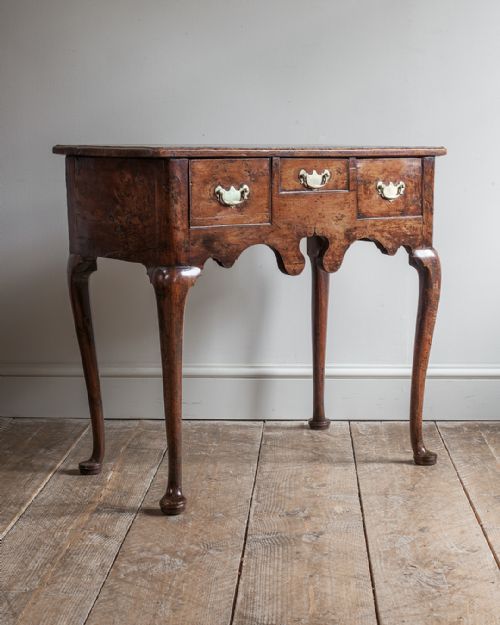
The pieces listed on this page span the eighteenth and nineteenth centuries, taking forms such as Georgian lowboys, William IV card tables, and Regency sofa tables. Country workshops and city cabinet makers alike utilised the distinct figuring of the timber to create striking entrance furniture.
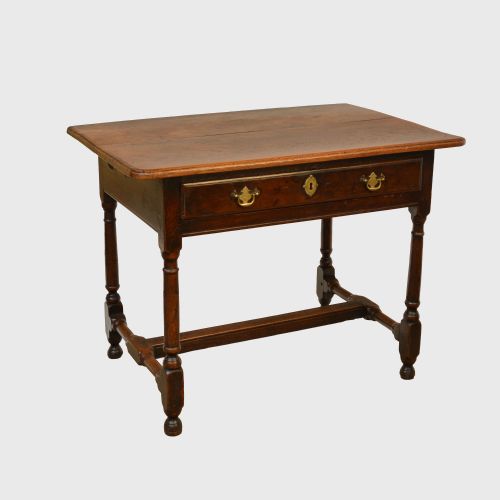
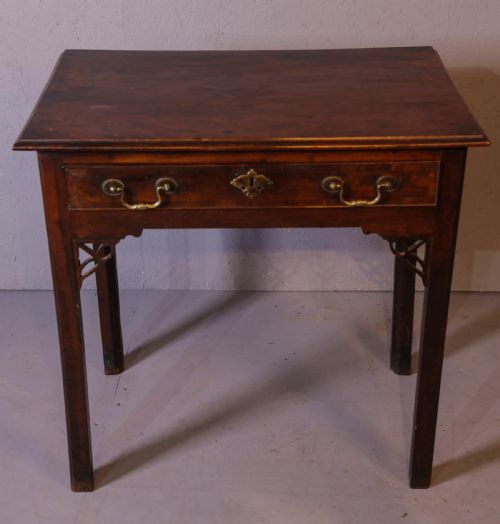
Most examples rely on slender proportions, often featuring single drawers or drop leaves designed to fit domestic spaces without crowding a room. Elm and oak frequently appear alongside the primary timber in secondary framing and structural components.
Materials and construction
Makers selected yew for its rich patterning and warm palette, often pairing burr yew veneers with solid timber bases to accentuate natural figuring. Secondary timbers like oak and elm provided sturdy interior framing for drawers and undercarriages.
Construction methods range from crisp Georgian joinery to elaborate Victorian Killarney marquetry inlay utilising arbutus wood and native timbers. Brass hardware, baize linings, and turned or tapered legs complete the structural assembly across the various periods.
Yew Wood Hall Table Retail Price Guide 2026
Typical asking prices for yew wood hall table among the pieces listed under this phrase on Sellingantiques today, from the lower quarter to the upper quarter. They describe what is for sale here now, not the wider market.
Early cabinet makers occasionally utilised arbutus wood alongside yew, proving that trees also enjoy a complicated mixed-media phase.
Judging quality in yew furniture
Quality rests in the selection of the timber, where dense burr figuring and well-matched veneers elevate a piece far above plain stock. The depth of colour and the preservation of the original surface finish dictate the visual strength of the table.
Joinery execution separates regional vernacular pieces from metropolitan cabinet work, visible in the precision of drawer linings and leg attachments. Finer examples display meticulous marquetry work or sophisticated turning rather than simple utilitarian construction.
Egan Workshop·Gillows
The Yew Wood Hall Table Glossary
- Lowboy
- A small occasional table featuring one or more drawers, typically standing on four slender legs. These pieces originated in the late seventeenth century and continued through the Georgian period as dressing or side tables.
- Burr Yew Wood
- Timber harvested from the distorted growth knots of the yew tree, prized for its swirling, highly decorative grain patterns. Cabinet makers typically sliced this wood into thin veneers for decorative table tops.
- Killarney Ware
- Decorative nineteenth-century woodwork originating in Ireland, characterised by intricate marquetry inlay depicting local scenery or motifs using native timbers like arbutus and yew.
- Sofa Table
- An elongated rectangular table designed to stand in front of a sofa, featuring drop leaves on either side and usually two small drawers. Regency examples often incorporate trestle ends or pillar supports with brass paw feet.
Yew Wood Hall Table: Frequently Asked Questions
How do I date an old yew table?
Dating relies on examining the construction methods, timber choices, and hardware styles characteristic of specific periods like the Georgian era or the nineteenth century.
Secondary woods and tool marks underneath the top or inside the drawer linings offer further clues to the decade of manufacture.
Is yew wood durable for daily use?
Yew is a dense and resilient softwood that withstands normal daily use in an entrance hall quite well.
Standard maintenance involves keeping the surface polished and avoiding prolonged exposure to direct sunlight and moisture.
Where should I place a lowboy?
A lowboy suits narrow hallways, landings, or reception rooms where its shallow depth allows it to function as a surface for post or keys.
Its compact footprint prevents blocking walkways while adding period character to the interior.