





Yew Wood Arm Chair
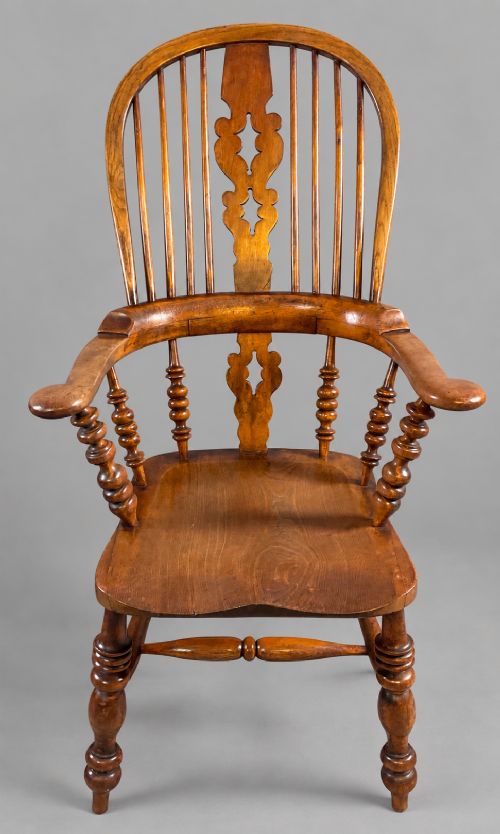
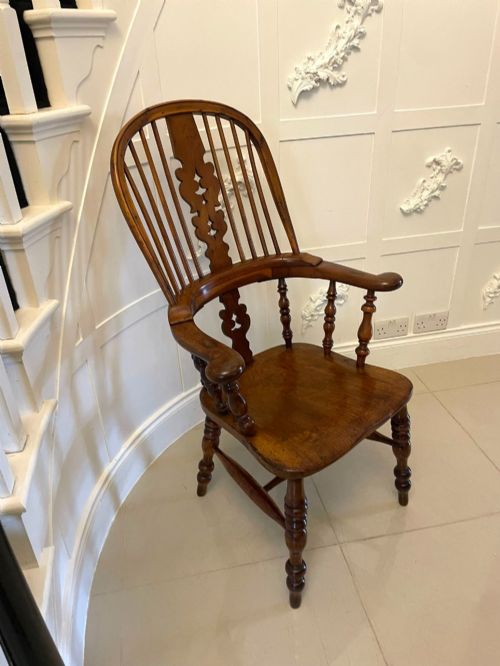
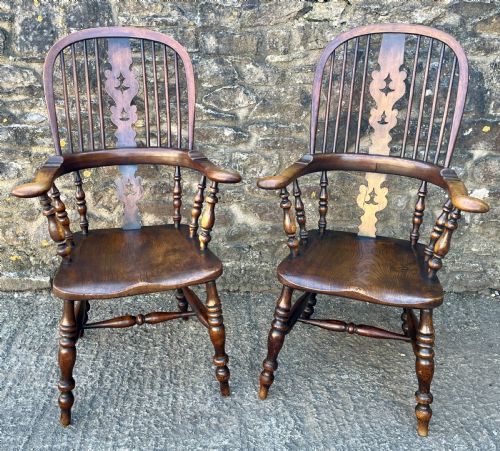
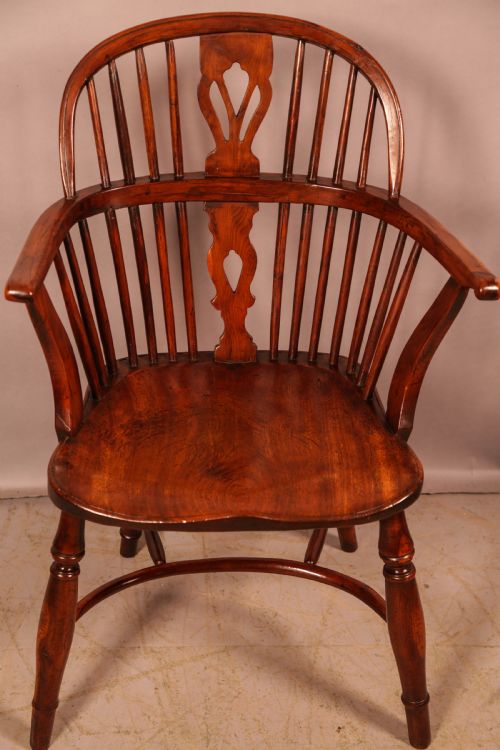
A yew wood arm chair brings robust vernacular character and striking timber figuring into a room.
Yew Wood Arm Chair
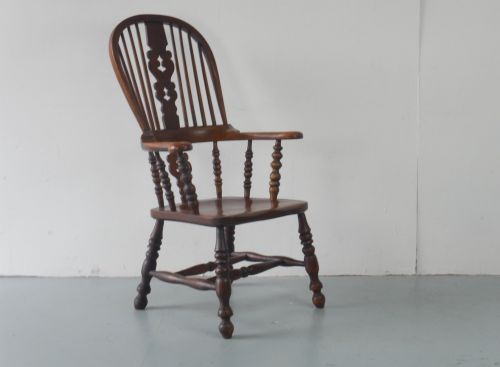
When you search for a yew wood arm chair, you encounter sturdy seating rooted in English country traditions. The selection spans robust Windsor forms originating from regional workshops during the Georgian and Victorian periods.
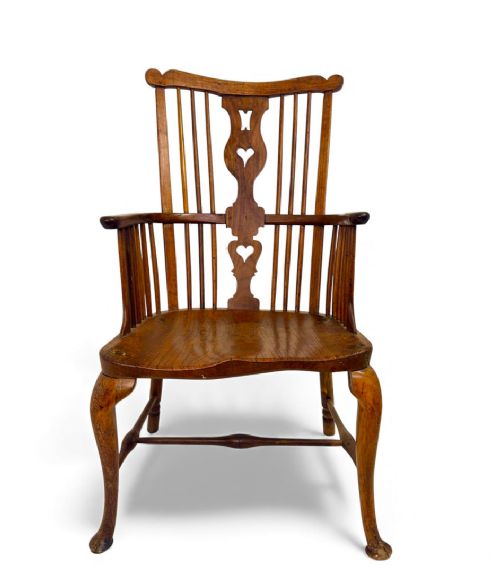
You meet variations ranging from low back and high back forms to expansive broad arm designs. Certain examples incorporate rocking mechanisms, child proportions, or miniature builds alongside standard dining chair configurations.
The aesthetic bridges utilitarian workshop output and refined vernacular design. These seating pieces carry distinct regional traits associated with places like Nottinghamshire, Lincolnshire, and the Thames Valley.
Materials and construction
Makers paired yew wood for its rich figuring and resilience with elm for solid, durable seats. Additional timbers like ash, beech, and fruitwood appear in spindles and structural members.
Construction relies on traditional stick back and Windsor framing techniques where turned legs and spindles join thick, saddle-shaped wooden seats. Local craftsmen utilised steam bending to shape continuous arm rails and high backs from single lengths of timber.
Yew Wood Arm Chair Retail Price Guide 2026
Typical asking prices for yew wood arm chair among the pieces listed under this phrase on Sellingantiques today, from the lower quarter to the upper quarter. They describe what is for sale here now, not the wider market.
Miniature Windsor chairs survive as charming proof that even past generations needed seating for beloved dolls.
Distinctions in quality
Quality depends upon the visual depth of the timber grain and the complexity of the spindle turning. Pieces featuring heavily figured yew and balanced, generous proportions command higher regard among collectors.
Structural integrity and the retention of original surface patination distinguish superior specimens from altered or heavily restored examples. Regional distinctiveness, such as a well-formed comb back or a substantial broad arm, elevates the stature of an individual chair.
Robert Prior·Allsop Worksop
The Yew Wood Arm Chair Glossary
- Windsor chair
- A chair built with a solid wooden seat into which the legs and back spindles are separately inserted. This structural method defines the primary form found in country seating.
- Broad arm
- A chair featuring an expanded, flat wooden armrest integrated into the upper structure. These surfaces provide generous proportions for resting hands.
- Comb back
- A Windsor chair design where the central spindle back is capped by a horizontal top rail resembling a traditional hair comb. Such examples often date to earlier eighteenth century periods.
- Pad arm
- A cushioned or thickened wooden arm support incorporated into the seating framework. This variation appears frequently on nineteenth century regional models.
Yew Wood Arm Chair: Frequently Asked Questions
How do I identify a yew wood arm chair?
Look for the distinctive reddish-brown timber grain featuring tight growth rings and natural knots. The grain patterns on these chairs display deep visual contrast compared to standard oak or beech furniture.
Examine the construction methods to check for traditional spindle joints fitted into a solid wooden seat. Regional variations often display specific regional turning patterns in the legs and arm supports.
Were these chairs used for dining?
These seating pieces served primary functions around farmhouse tables and country house hearths. Their robust construction suited daily domestic service across generations.
Broad arm and rocking variants catered to specific tasks requiring extra physical space or relaxation. Smaller child and miniature versions functioned as domestic training pieces or decorative items.
How do I care for yew wood furniture?
Keep wooden furniture away from direct heat sources and drastic humidity shifts to prevent timber splitting. Regular gentle dusting preserves the natural surface patination accumulated over centuries.
Aplying appropriate wax feeds the dry timber and protects the grain finish without sealing the surface. Avoid harsh chemical cleaners that strip the historic polish.
What is a Thames Valley Windsor chair?
This regional designation identifies chairs produced in workshops along the Thames Valley corridor during the eighteenth and nineteenth centuries. Makers in this area often utilised yew wood sourced locally from woodland estates.
These chairs frequently exhibit refined turning and sophisticated crest rails compared to more rustic northern counterparts. Such regional traits help collectors attribute pieces to specific geographic origins.