

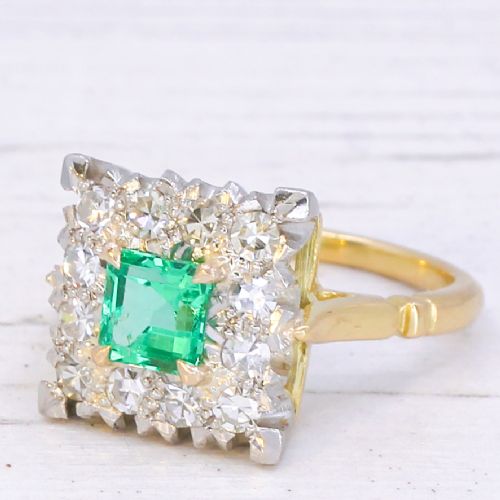


Yellow Stone Statement Ring
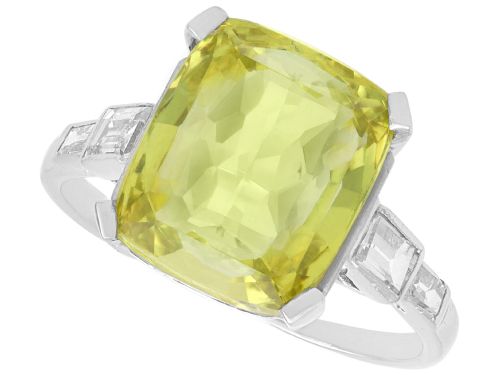
A yellow stone statement ring commands the hand with bold colour, ranging from rich citrine to vibrant chrysoberyl.
Yellow Stone Statement Ring
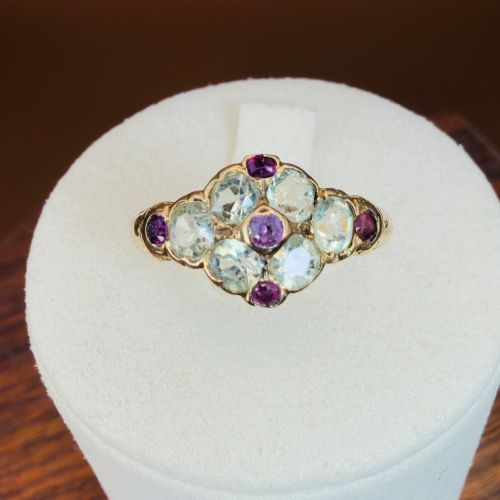
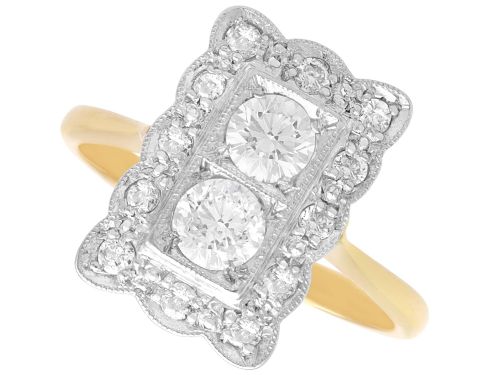
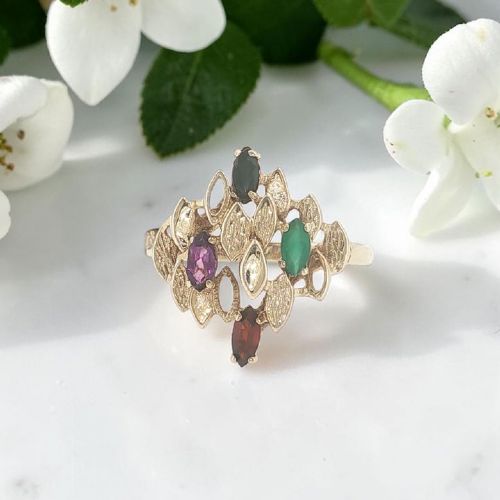
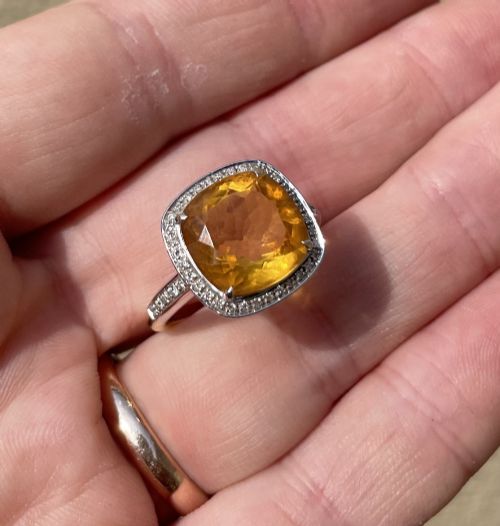
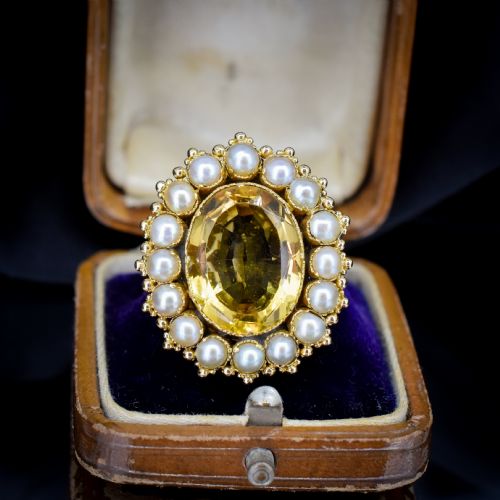
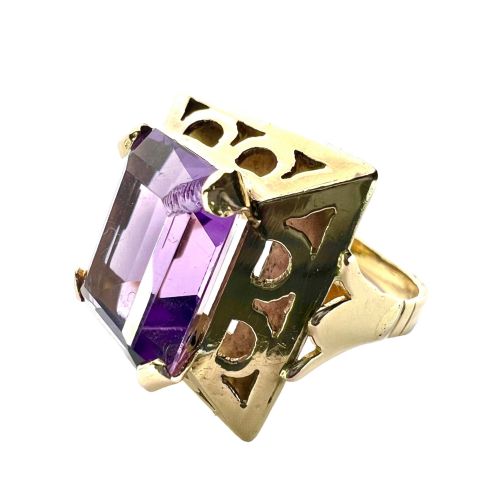
A yellow stone statement ring brings together substantial gemstone weight and noticeable finger presence, appearing most frequently in forms such as cocktail rings, dress rings, and cluster rings. These pieces draw the eye through generous centre stones, including large citrines, chrysoberyls, zircons, and opals.
The selection spans numerous periods, including the Victorian era, Edwardian period, Art Deco years, and mid-century designs. Buyers encounter everything from delicate halo mountings to bold twentieth-century cocktail settings.
Makers utilised various gold purities, platinum, and silver-gilt pairings alongside supporting diamonds, pearls, or contrasting gems. Each piece relies on the visual weight of its primary mineral to anchor the overall composition.
How they were made
Goldsmiths shaped these mountings using yellow gold in nine-carat, fourteen-carat, and eighteen-carat purities, alongside platinum and silver. Stones were secured via claw settings, bezel mounts, and halo arrangements designed to showcase the central gem.
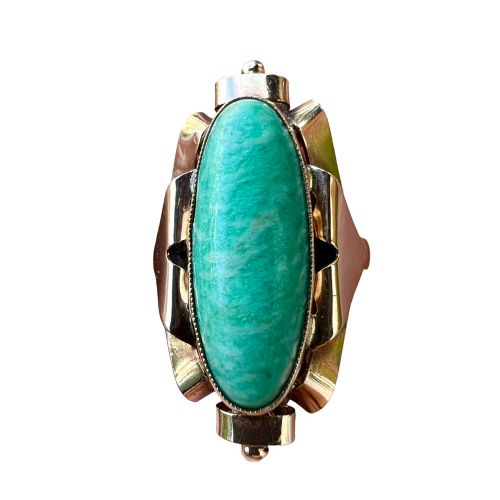
Gemstones such as citrine, amethyst, chrysoberyl, and zircon were faceted in emerald cuts, cushion cuts, and oval profiles, or polished en cabochon for softer varieties like opal and jadeite. Supporting diamonds and pearls were often grain-set or flush-mounted into the surrounding metalwork.
Yellow Stone Statement Ring Retail Price Guide 2026
Typical asking prices for yellow stone statement ring among the pieces listed under this phrase on Sellingantiques today, from the lower quarter to the upper quarter. They describe what is for sale here now, not the wider market.
The listings here span the Victorian era, Edwardian period, Art Deco years, and mid-century modern design movements.
What varies in quality
The distinction between tiers rests upon the optical depth and saturation of the primary stone, alongside the precision of its cutting and facet symmetry. Superior examples display clean internal crystal structures and balanced proportions that maximise light return.
Workmanship in the surrounding metalwork also dictates calibre, visible in the crispness of gallery wirework, secure prong distribution, and harmonious integration of accent diamonds or pearls.
Kutchinsky
The Yellow Stone Statement Ring Glossary
- Citrine
- A transparent yellow variety of quartz valued for its warm golden tones. It frequently appears in large emerald or cushion cuts within twentieth-century cocktail jewellery.
- Chrysoberyl
- A hard aluminate mineral displaying distinctive yellow-green hues. It achieves notable brilliance when paired with platinum and diamonds in antique mountings.
- Halo cluster
- A central gemstone encircled by a ring of smaller diamonds or pearls. This arrangement amplifies the apparent size and brightness of the principal stone.
- Cocktail ring
- A large, ostentatious ring designed to draw attention during evening wear. These pieces typically feature oversized centre stones and prominent mounting styles.
Yellow Stone Statement Ring: Frequently Asked Questions
What is a yellow stone statement ring?
A yellow stone statement ring is a prominent piece of hand jewellery featuring a large primary gem in shades of yellow, amber, or golden green. These designs prioritise visual impact and are typically worn for social occasions.
They encompass various historical periods, utilising stones like citrine, chrysoberyl, and yellow zircon set in gold or platinum.
How do I style a cocktail ring?
Cocktail rings are designed to stand alone as the focal point of an outfit. Wear them on the hand without competing bold rings to let the central gemstone draw the eye.
Consider the metal tone of your other accessories when matching these pieces, as they appear in both yellow gold and white precious metals.
How do I identify Art Deco rings?
Art Deco rings feature geometric lines, symmetrical patterns, and frequent use of platinum alongside yellow gold. Settings often incorporate calibre-cut stones and stepped shoulders.
Look for crisp angles and architectural frameworks that reflect the design ethos of the nineteen-twenties and nineteen-thirties.
Are these rings suitable for daily wear?
Daily wear depends on the hardness of the central gemstone and the security of the mounting. Harder minerals like chrysoberyl and sapphire withstand regular use well.
Softer stones or elevated cocktail settings require greater care to avoid accidental knocks against hard surfaces.