
Yellow Stone Ring
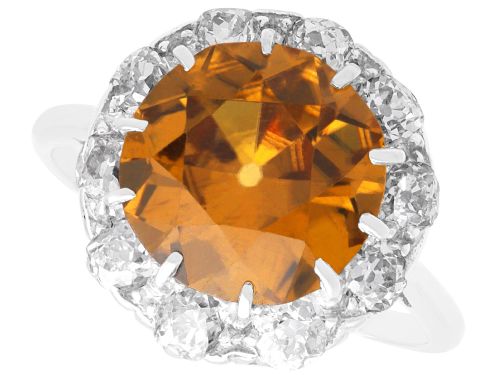
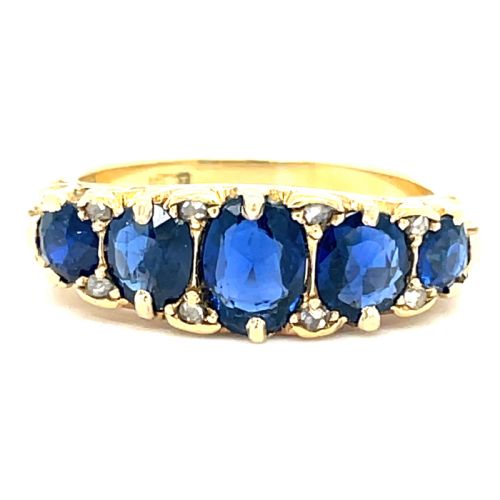
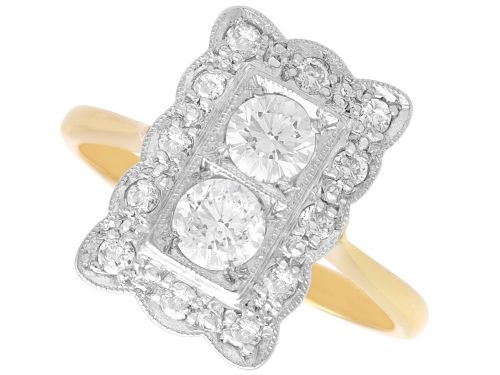
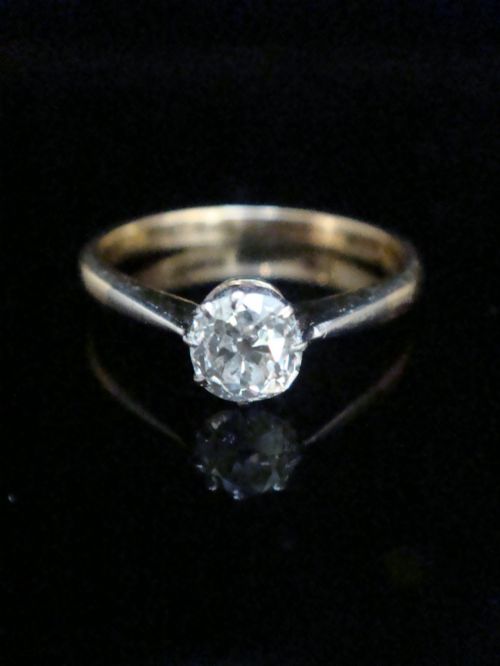
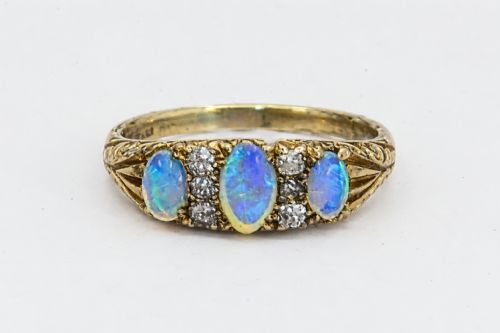
When you search for a yellow stone ring, you find pieces set with yellow sapphire, chrysoberyl, citrine and opal alongside white diamonds and coloured gems.
Yellow Stone Ring
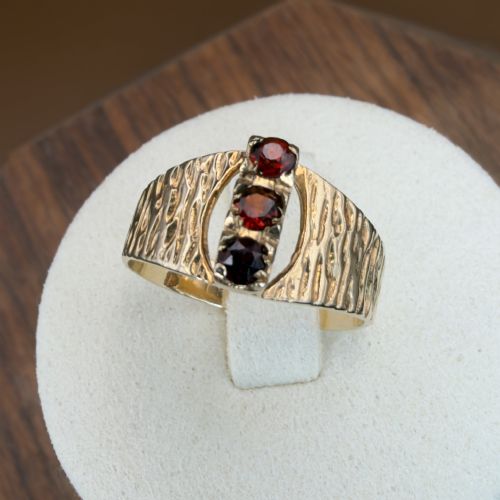
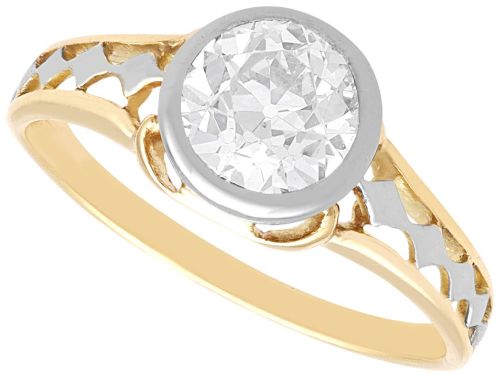
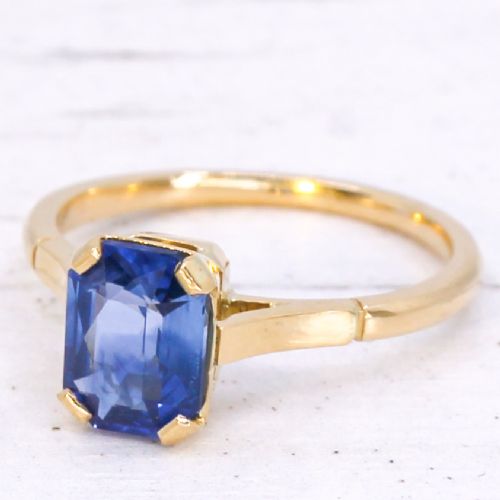
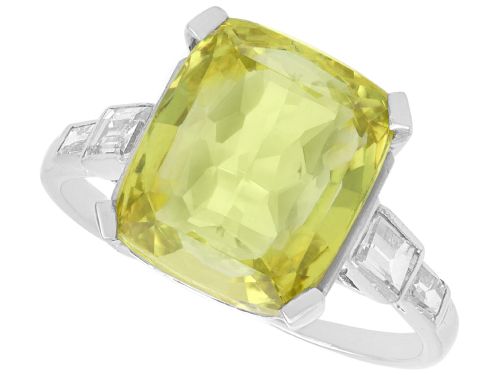
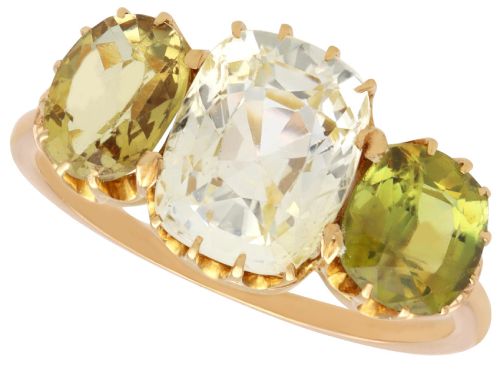
A yellow stone ring gathers pieces from the Victorian, Edwardian, and Art Deco periods, as well as mid-century and later designs. You meet yellow sapphires, chrysoberyl, citrine, and glowing opals set into gold and platinum bands.
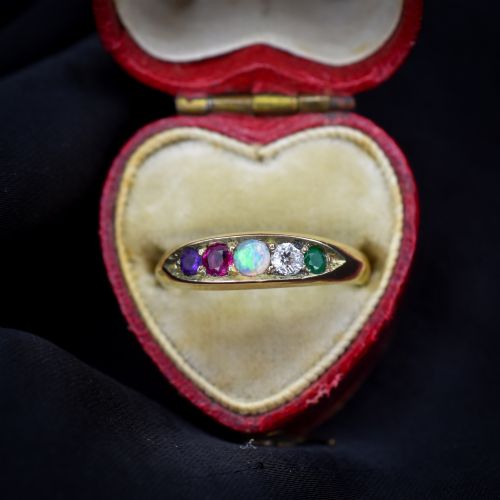
The forms range from boat rings and five-stone arrangements to clusters, solitaires, and trilogy settings. These designs span the late nineteenth century through to the mid-twentieth century and beyond.
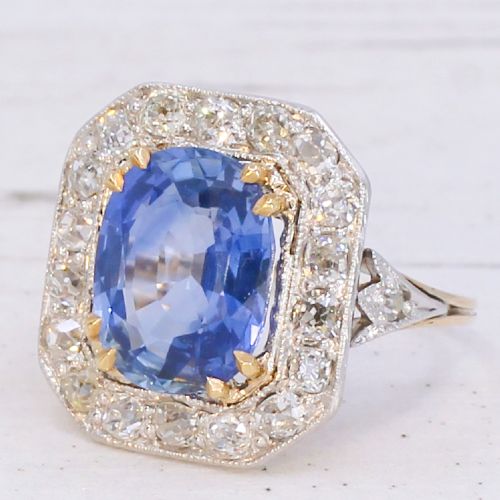
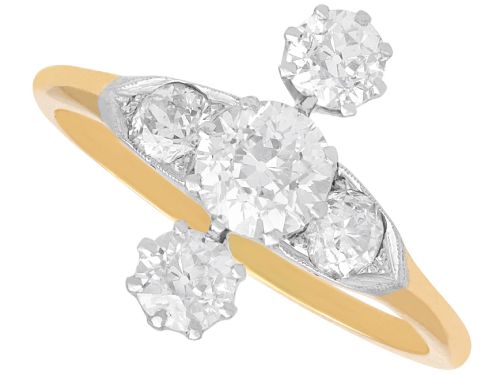
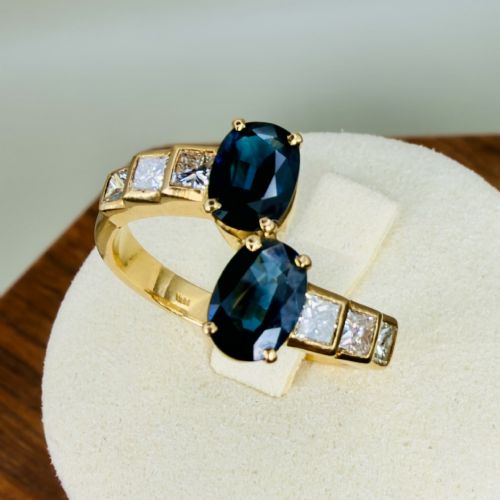
Many examples combine yellow gemstones with diamonds, rubies, or blue sapphires in rich multi-gemstone layouts. The metalwork frequently pairs 18ct yellow gold with platinum highlights or entirely solid gold mountings.
How they were made
Goldsmiths worked primarily in 18ct yellow gold and platinum, casting and hand-forging bands to house old-cut diamonds, round facets, and cabochon opals. Settings include claw mounts, boat-shaped galleries, and starburst gypsy flush settings.
Gemstones such as natural opals, yellow sapphires, and chrysoberyls were secured using precise hand-cut prongs and bezels. The integration of platinum atop yellow gold became common in Edwardian and Art Deco workshops to enhance the brilliance of the set stones.
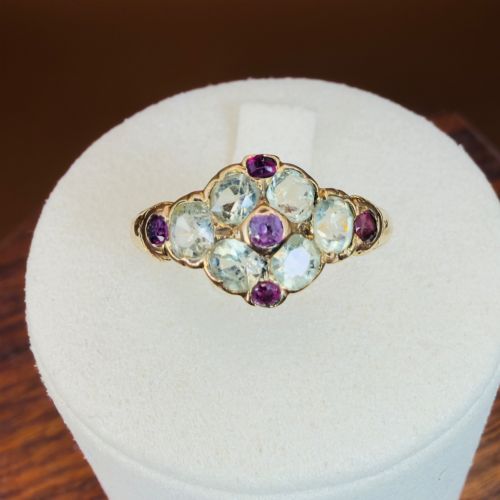
Some Victorian mourning rings included purple glass stones, proving that Victorians knew how to mix solemn remembrance with a flash of colour.
What varies in quality
Quality rests on the depth of colour and clarity within the yellow gemstone, whether it is a vivid yellow sapphire, a limpid chrysoberyl, or an opal with rich play-of-colour. The precision of the stone cutting and the integrity of the original settings determine the overall stature of the piece.
The weight and gauge of the 18ct gold or platinum mountings also dictate the longevity and substance of the ring. Finer examples maintain crisp hallmarks, secure claw integrity, and balanced proportions across multi-stone layouts.
Kutchinsky
The Yellow Stone Ring Glossary
- Boat ring
- A ring featuring a curved, boat-shaped setting that tapers gracefully towards the shoulders. This form was widely favoured during the Victorian and Edwardian periods.
- Gypsy ring
- A style where gemstones are flush-set directly into a thick, solid metal band. The smooth surface gives a seamless profile.
- Trilogy ring
- A three-stone ring traditionally symbolising the past, present, and future. It frequently pairs a central yellow stone flanked by diamonds.
- Toi et Moi
- A two-stone twist ring representing two souls intertwined. The French term translates to you and me.
Yellow Stone Ring: Frequently Asked Questions
What periods do yellow stone rings come from?
The listings span the Victorian era, the Edwardian period, Art Deco designs, and mid-century modern creations. You will also encounter pieces from the late nineteenth century and later decades.
Each era brings distinct mounting styles, from boat settings in yellow gold to platinum clusters and gypsy bands.
What yellow stones are used in these rings?
Stones include yellow sapphires, chrysoberyl, citrine, and opals displaying yellow play-of-colour. They often appear alongside diamonds, rubies, and blue sapphires.
The variety of yellow stones ranges from bright golden hues to soft amber and pale lemon tones.
Are yellow gold and platinum used together?
Many Edwardian and Art Deco pieces combine 18ct yellow gold bands with platinum top settings. This technique highlights white diamonds while retaining warm gold lower galleries.
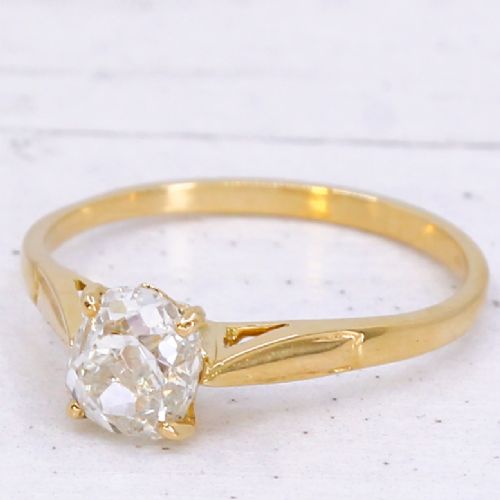
Pure 18ct yellow gold and solid platinum are also common as standalone metals for these rings.