


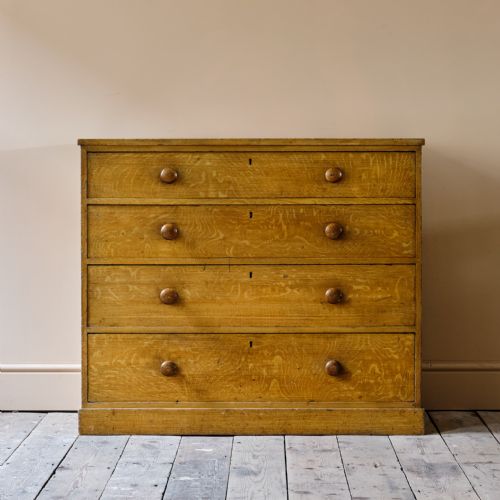


Yellow Pine Drawers
Yellow pine drawers offer honest utility and surface character, bringing warm historic grain and painted finishes into everyday rooms.
Yellow Pine Drawers
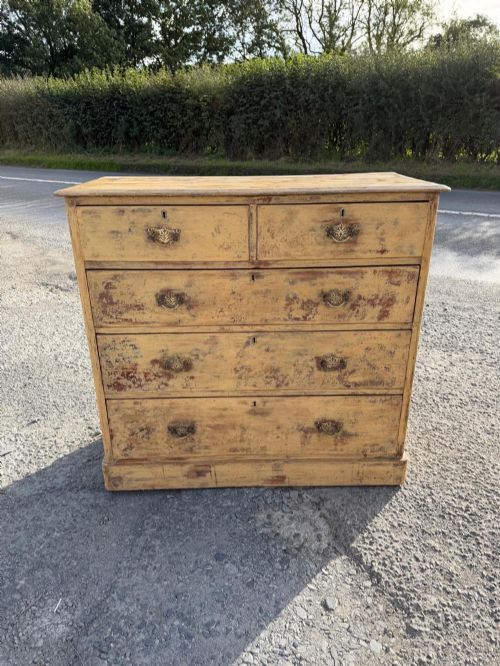
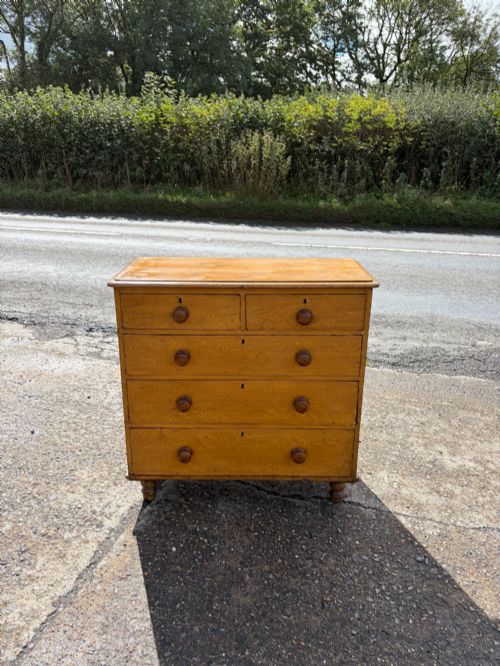
When you search for yellow pine drawers, you encounter practical storage pieces predominantly fashioned in the Victorian era and the nineteenth century. These chests and related forms reflect straightforward domestic needs across English and Scandinavian country settings.
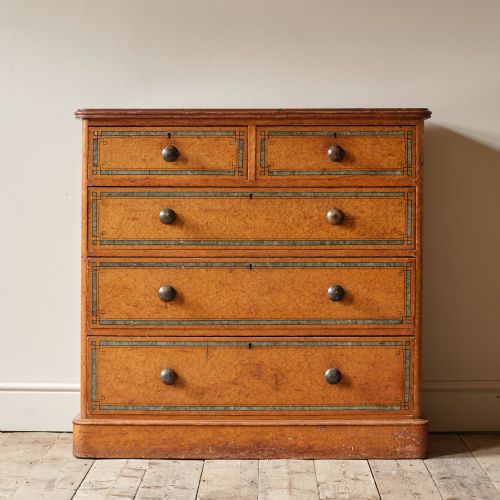
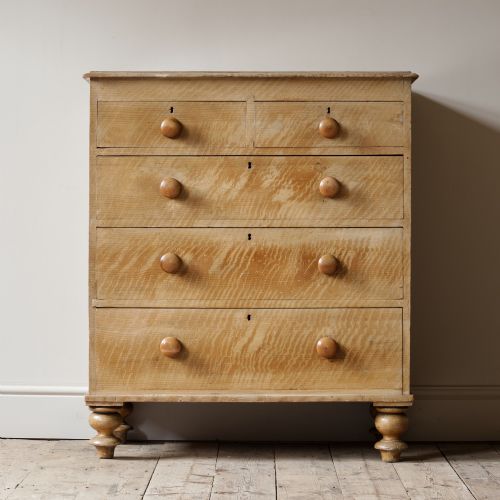
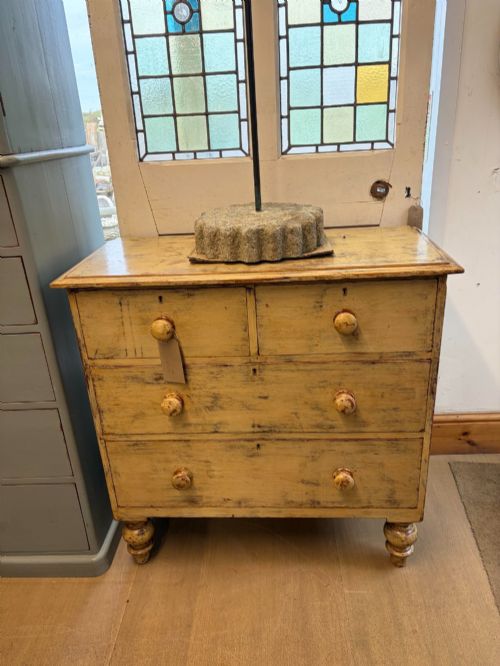
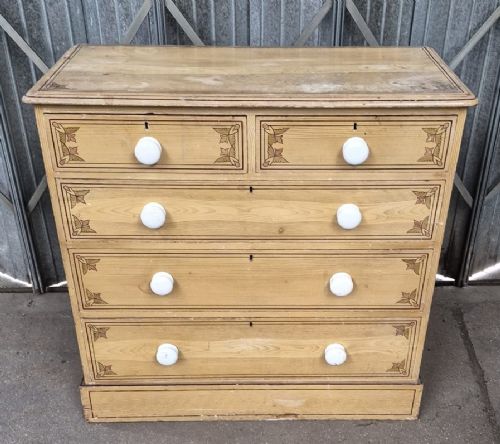
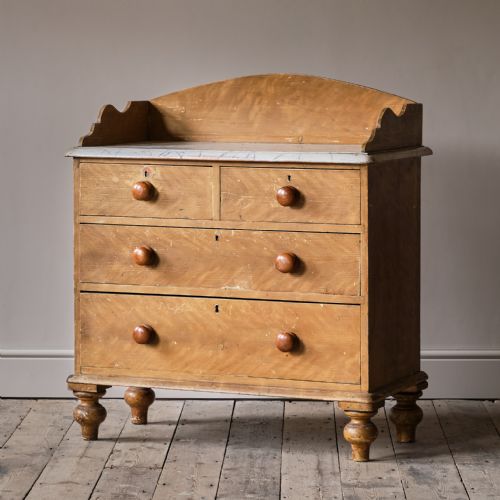
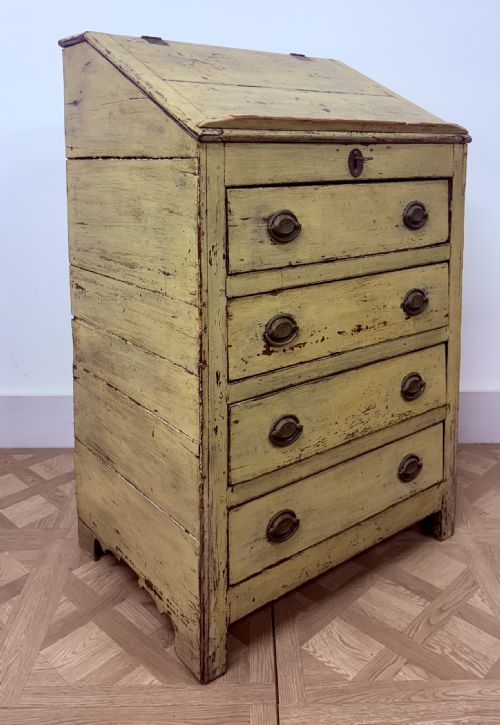
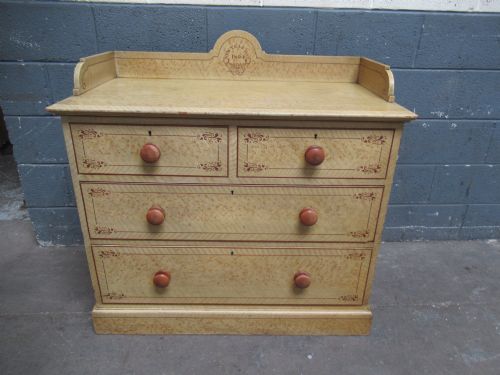
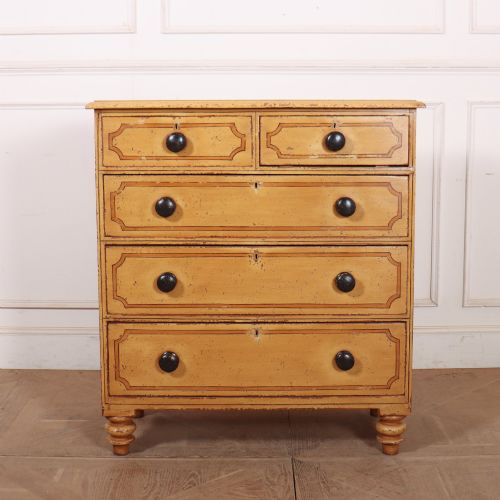
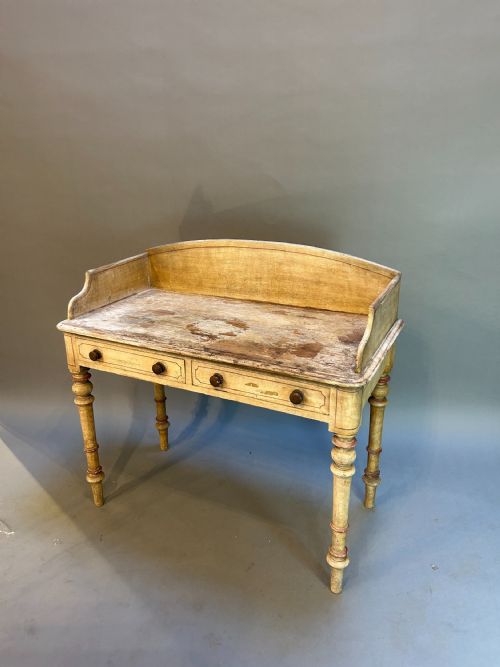
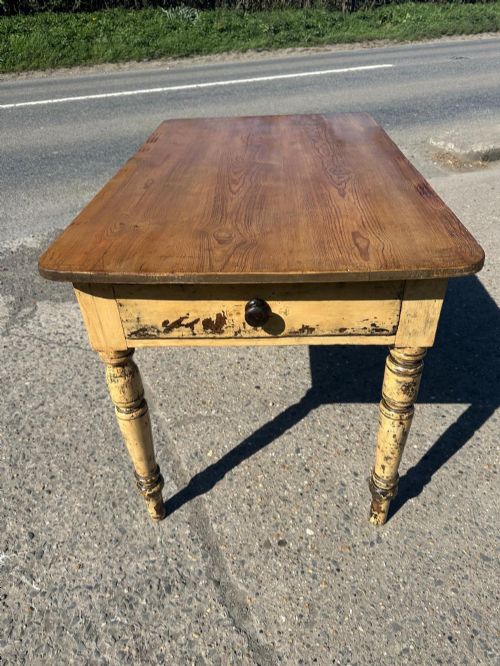
The pieces on this page appear mostly as chest of drawers configurations, alongside related desks, washstands, and dressing chests. Surfaces frequently show original paint, graining, or scumble finishes rather than bare timber.
Origins span English country workshops to continental folk art traditions, offering robust proportions designed for daily use. Their appeal lies in unpretentious construction and surviving historic surface treatments.
How they were made
Construction relies on softwood timber, specifically pine, shaped into practical carcases and drawer boxes using traditional joinery. This lighter wood provided an accessible alternative to denser hardwoods while maintaining structural integrity.
Surface treatment defines much of the construction, utilising paint, simulated finishes, and scumble glazing applied over the timber. Brass and ceramic elements frequently complete the drawer fittings and handles.
Yellow Pine Drawers Retail Price Guide 2026
Typical asking prices for yellow pine drawers among the pieces listed under this phrase on Sellingantiques today, from the lower quarter to the upper quarter. They describe what is for sale here now, not the wider market.
Listings span multiple decades of the nineteenth century, featuring pieces from both English country houses and Scandinavian folk art traditions.
What varies in quality
Quality rests significantly on the preservation of original surface treatments, such as early paint, graining, or scumble glaze. Pieces retaining untouched historic finishes command greater interest than those stripped down or heavily reworked.
Proportion and execution of joinery separate standard utility items from finer provincial examples. Well-balanced drawer arrangements and intact brass or ceramic hardware elevate a piece within its category.
The Yellow Pine Drawers Glossary
- Scumble
- A decorative painting technique involving a translucent glaze dragged over a lighter base colour to simulate richer wood grains. This finish appears frequently on nineteenth-century country pieces.
- Softwood
- Timber derived from conifers, such as pine, which was widely utilised for provincial and country furniture. It offers a lighter weight and softer grain than hardwood.
- Graining
- A manual painting process designed to imitate the natural patterns of more expensive timbers like oak or mahogany. It was particularly popular in domestic contexts during the Victorian period.
- Washstand
- A specialised piece of furniture incorporating a surface for washing utensils and often integrated with drawers or cupboards. Examples frequently appear alongside standard chests in nineteenth-century settings.
Yellow Pine Drawers: Frequently Asked Questions
How do I clean painted pine?
Dust surfaces gently with a dry, soft cloth to protect delicate historic paint layers from moisture damage.
Avoid chemical cleaning agents entirely, as modern solvents can strip original scumble glazes and early painted finishes.
Are these pieces purely decorative?
These items were built for practical domestic storage, featuring functional drawers intended for everyday household use.
Today, they serve both storage and aesthetic roles, bringing historic character and warmth into modern interiors.
What does original paint mean?
Original paint refers to the initial decorative or protective coating applied when the furniture was first made.
Surviving early finishes provide important historical evidence and define the visual character of nineteenth-century country pieces.
How to date a pine chest?
Dating relies on construction methods, drawer configuration, and the style of hardware or painted decoration.
Nineteenth-century examples often display specific regional traits, such as Scandinavian folk art motifs or Victorian proportions.