




Yellow Enamel Pendant
Yellow enamel pendant pieces bring together rich gold, glossy vitreous pigments and intricate metalwork across Victorian, Edwardian and mid-century designs.
Yellow Enamel Pendant
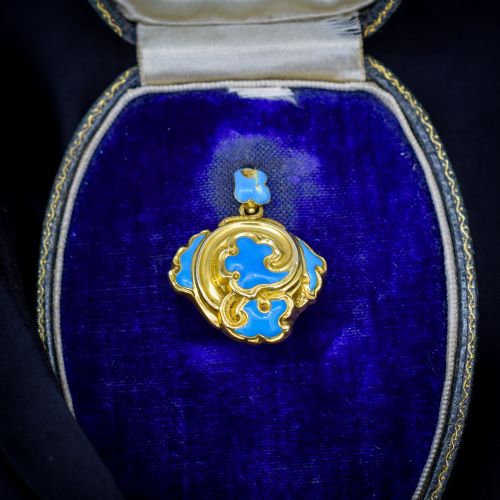
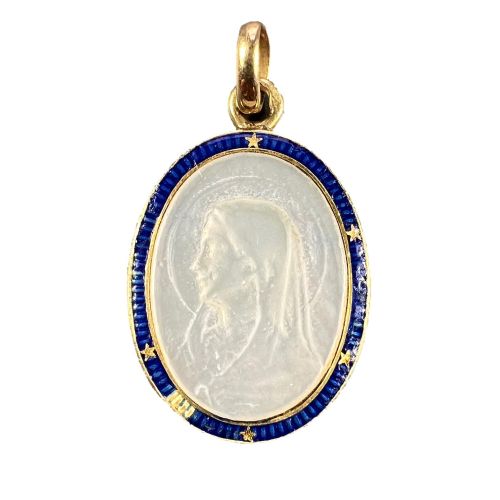
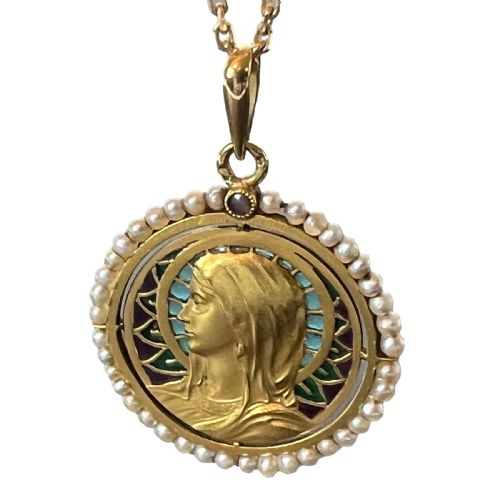
A yellow enamel pendant search reveals a diverse mix of forms, ranging from devotional French religious medals and figural charms to geometric Art Deco creations and sentimental Victorian lockets. The pieces on this page span the late nineteenth century through to the mid-twentieth century, capturing shifting aesthetic tastes across decades.
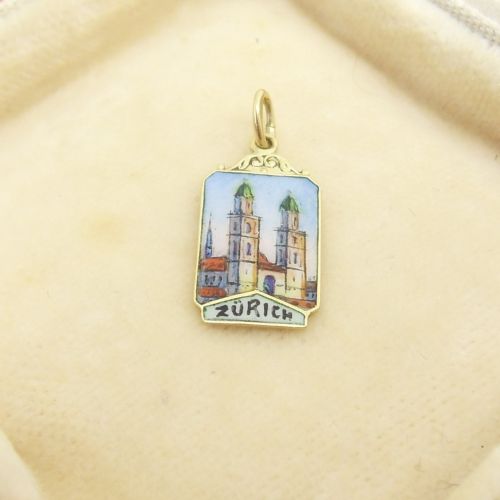
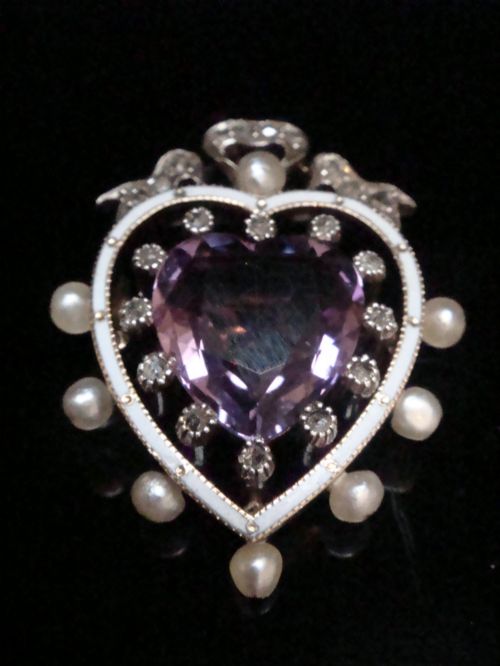
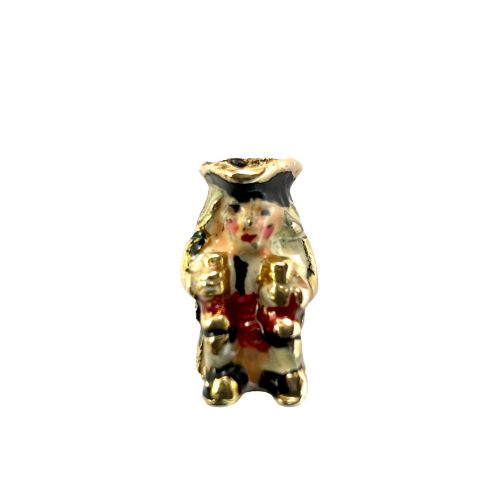
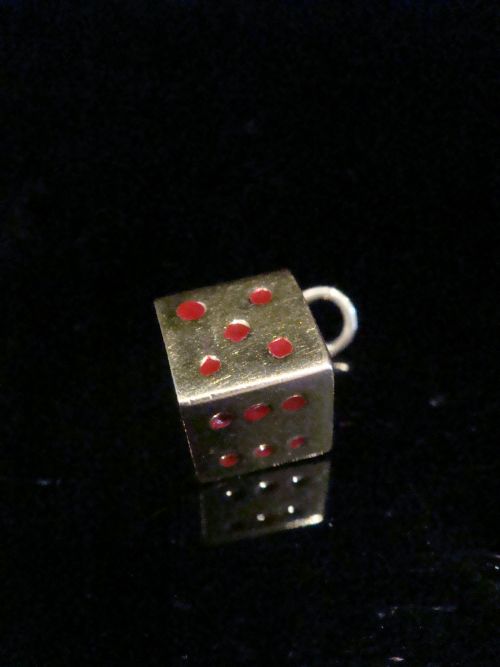
Buyers frequently encounter French medals featuring religious iconography alongside pictorial charms like playing cards, dice and miniature jugs set in gold. Heart pendants, floral motifs and star designs set with seed pearls or diamonds also appear regularly among the listed items.
Materials and construction methods
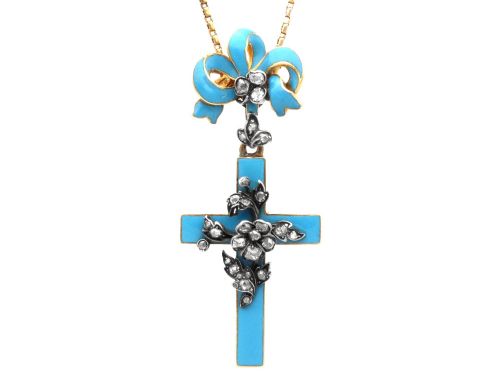
Goldsmiths constructed these items using 18ct and 15ct yellow gold to form the structural bodies, lockets and charm loops. Vitreous enamel was applied to the metal surfaces in opaque layers or translucent guilloche patterns to introduce colour and texture.
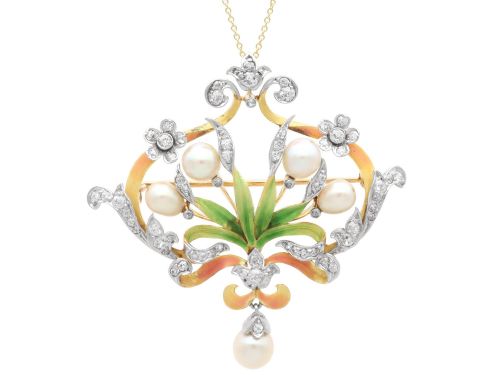
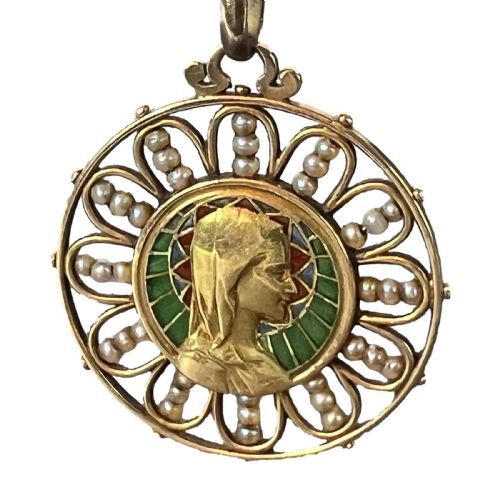
Specialised techniques such as plique-à-jour suspended enamel within open gold cells to create a stained-glass effect. Gemstones including diamonds, seed pearls, mother of pearl and turquoise were integrated alongside painted miniature details to accent the enamel work.
Yellow Enamel Pendant Retail Price Guide 2026
Typical asking prices for yellow enamel pendant among the pieces listed under this phrase on Sellingantiques today, from the lower quarter to the upper quarter. They describe what is for sale here now, not the wider market.
Several French charms feature miniature working dice sealed inside tiny glass-faced compartments.
Distinctions in craftsmanship and design
The sophistication of the enamel technique separates standard production from finer examples, with translucent guilloche and openwork plique-à-jour requiring high technical skill. The integration of precious gems like diamonds and natural pearls elevates the overall execution.
Depth of gold content also differentiates the pieces, with higher carat gold weights and intricate hand-engraved foliate motifs marking out superior workshops and periods.
David-Andersen of Norway
The Yellow Enamel Pendant Glossary
- Guilloche
- An ornamental technique where a precise repeating pattern or design is機械 engraved into a metal surface beneath translucent enamel.
- Plique-a-jour
- A vitreous enamelling technique where the enamel is applied in cells without a backing, allowing light to shine through the transparent or translucent material like stained glass.
- Locket
- A small ornamental pendant designed to open and hold a photograph, lock of hair or other small keepsake.
- Seed pearl
- A very small, naturally occurring pearl, often drilled and sewn or set closely together in Victorian and Edwardian jewellery.
Yellow Enamel Pendant: Frequently Asked Questions
What periods do these pendants come from?
The pieces span the Victorian and Edwardian eras, through the Art Deco and Art Nouveau periods, into mid-century vintage designs.
Craftsmanship styles shifted accordingly, from detailed mourning lockets and natural pearls to playful French charms and religious medals.
What metals are used in these pieces?
Makers utilised 18ct and 15ct yellow gold for the structural mounts, settings and chains across the inventory.
Silver also appears in specific Scandinavian works alongside the predominant gold components.
How was plique-a-jour enamel created?
This technique involves firing enamel within open gold wire frameworks without a solid backing metal underneath.
Light passes directly through the coloured glass paste, producing a translucent effect similar to miniature stained glass windows.
What motifs appear on these charms?
Design themes include religious subjects such as the Virgin Mary and Madonna, alongside lucky symbols like dice, playing cards and coats of arms.
Floral patterns, birds, hearts and zodiac signs also feature prominently across the various historical examples.