




Wrought Iron Light Fixture
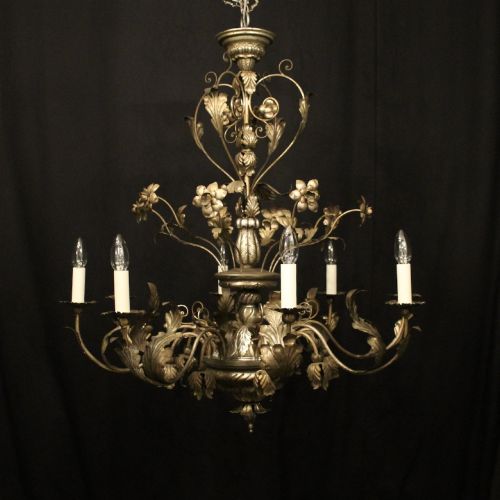
These wrought iron light fixture options range from sturdy hall lanterns to ornate chandeliers, bringing historic metalwork and decorative glass into modern rooms.
Wrought Iron Light Fixture
A wrought iron light fixture combines hand-forged metalwork with glass or crystal elements, creating functional illumination with distinct architectural presence. When searching for a wrought iron light fixture, buyers encounter a diverse array of forms spanning multiple centuries and stylistic traditions.
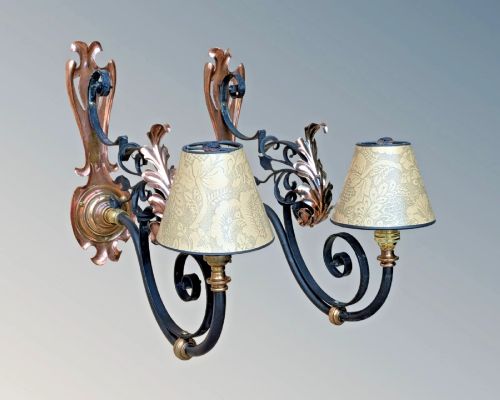
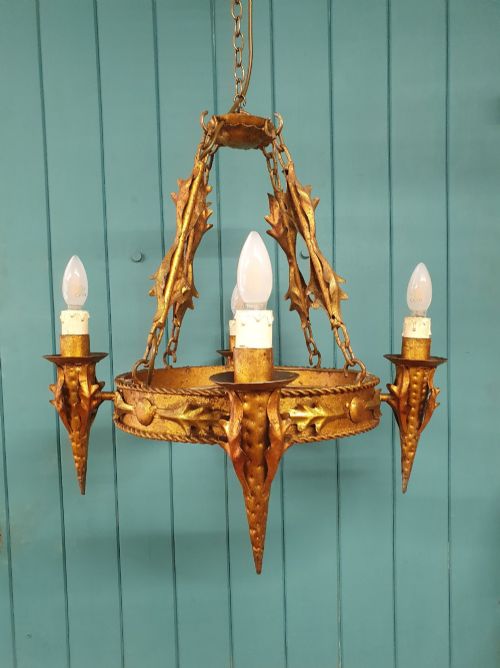
The selection includes substantial chandeliers, ceiling lights, hall lanterns, wall lights, and wall sconces. Pieces originating from the eighteenth century up through the nineteen-thirties appear across the collection, reflecting enduring demand for forged metal lighting.
French Chateau, Arts and Crafts, Art Nouveau, and Gothic Revival styles dominate the visual language of these pieces. Buyers are most likely to meet French and Italian regional interpretations alongside British Victorian designs.
Materials and Construction Techniques
Blacksmiths and metalworkers shaped wrought iron by hand, heating and beating the metal to form scrollwork, branching arms, and structural frames. This foundational ironwork frequently incorporates secondary metals such as copper, brass, and gilt metal for decorative contrast.
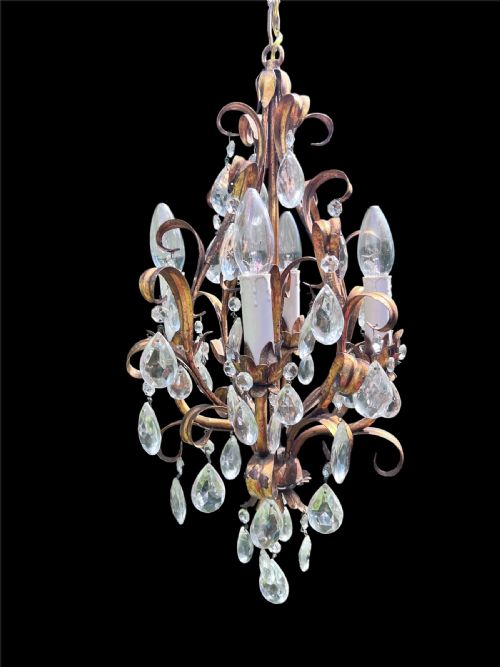
Lighting components utilise various glass types, including frosted glass, cut glass, coloured crystal fruits, and pate de verre shades. Fabric elements and polychrome surface treatments also appear on specific regional and period examples.
Wrought Iron Light Fixture Retail Price Guide 2026
Typical asking prices for wrought iron light fixture among the pieces listed under this phrase on Sellingantiques today, from the lower quarter to the upper quarter. They describe what is for sale here now, not the wider market.
Object types represented range from eighteen-century chandeliers to nineteen-forties downlighters and billiard room lights.
Markers of Quality and Craftsmanship
The sophistication of the hand-forged ironwork dictates the calibre of each piece, distinguishing simple utilitarian production from bespoke artistic creation. Fluid scrollwork and balanced proportions show superior blacksmithing skill compared to rigid or repetitive machine-derived assembly.
The integration of high-grade decorative components, such as hand-cut crystal drops or specialised art glass shades from notable glassworks, elevates a piece. Surface finishes, whether original polychrome paint, gilded details, or patinated metal, retain historical integrity on better examples.
Verrerie Des Vosges·Muller Freres
The Wrought Iron Light Fixture Glossary
- Wrought iron
- A tough, malleable form of iron suitable for forging into decorative and structural shapes by hand. This material forms the primary framework for the light fixtures found here.
- Chandelier
- A branched ornamental light fixture suspended from the ceiling. These pieces often feature multiple candle arms or electric bulb holders hung with crystals.
- Wall sconce
- A decorative lighting fixture fixed to a wall that directs light upwards or outwards. Evidence shows these in single and multi-branch configurations.
- Hall lantern
- An enclosed hanging light designed specifically for entryways and corridors. They frequently utilise glass panes held within metal frames.
- Pate de verre
- A glass-making technique involving crushed glass melted in a mould to produce textured, coloured art glass. This method appears in combination with metalwork on turn-of-the-century lamps.
Wrought Iron Light Fixture: Frequently Asked Questions
How do I hang a heavy iron chandelier safely?
Hanging a heavy iron chandelier requires locating a structural ceiling joist or installing a heavy-duty metal brace box rated for the combined weight of the iron and glass components.
Professional electrical installation is recommended to support both the physical load and the wiring requirements of multi-branch period fixtures.
What periods do these light fixtures represent?
The available lighting spans from the eighteenth century through the nineteenth and twentieth centuries, including Victorian, Arts and Crafts, and Art Deco movements.
Earlier pieces often feature candle-era adaptations, while twentieth-century examples incorporate early electrical wiring alongside traditional forged ironwork.
How do I clean wrought iron and crystal?
Wrought iron surfaces benefit from dusting with a dry microfibre cloth and occasional application of a neutral paste wax to protect the metal patination.
Crystal drops and glass shades can be washed gently in lukewarm water with mild soap, ensuring they are dried completely before reattachment.
Are these fixtures wired for modern electricity?
Many period fixtures retain older wiring or require rewiring to meet contemporary safety standards before installation in a home.
A qualified electrician can easily adapt the internal sockets of these metal fixtures to accept modern bulbs while preserving the original exterior appearance.