

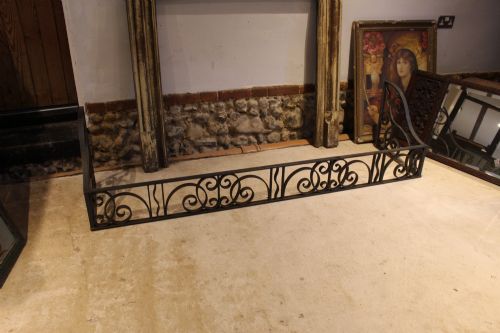


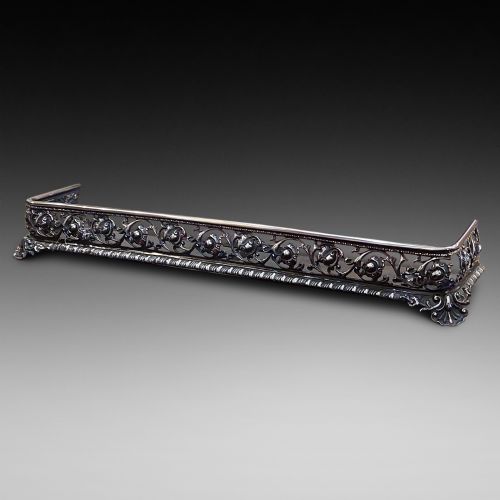


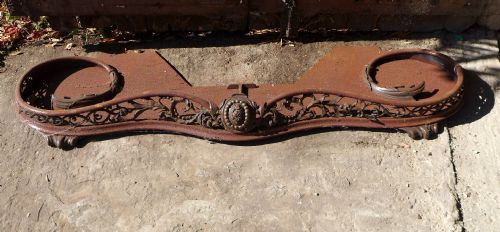


Wrought Iron Hearth Fender
These wrought iron hearth fender examples offer period character and hearth protection, spanning diverse styles from the nineteenth century to the art deco era.
Wrought Iron Hearth Fender
A wrought iron hearth fender frames the fireplace opening to contain embers and protect the room, appearing across multiple eras including the Victorian, Edwardian, and Georgian periods. Buyers searching for a wrought iron hearth fender typically encounter robust metalwork constructions designed to anchor a traditional fireplace.
The selections available range from simple open metal barriers to elaborate club fenders featuring cushioned seats. Many examples integrate steel, cast iron, and wire mesh alongside the primary wrought iron structure.
Period variations span from nineteenth century country house items to nineteen-twenties English designs and art deco iterations. Domestic functional forms like nursery fenders with integrated clothes rails also feature within this grouping.
How they were made
Blacksmiths and metalworkers shaped wrought iron, steel, and cast iron through forging and joining techniques to create rigid hearth barriers. These metal frames provide the structural foundation for both decorative fireguards and heavy seating structures.
Many club fenders incorporate secondary materials such as tan leather, mahogany, and oak for upper seating surfaces. Wire mesh and brass brackets likewise appear as functional and decorative components across these fireplace accessories.
Wrought Iron Hearth Fender Retail Price Guide 2026
Typical asking prices for wrought iron hearth fender among the pieces listed under this phrase on Sellingantiques today, from the lower quarter to the upper quarter. They describe what is for sale here now, not the wider market.
Some nineteenth-century nursery fenders doubled as indoor clothes dryers by adding a handy rail for wet mittens and socks.
What varies in quality
The distinction between standard utility items and superior examples lies in the complexity of the forge work and the integration of secondary materials like upholstered leather or polished mahogany. Heavier gauge steel and substantial wrought iron frames denote sturdier construction.
Design sophistication separates plain nursery guards from refined club fenders that combine functional metalwork with comfortable seating proportions. The preservation of original surface textures and integrated components dictates the overall integrity of each piece.
The Wrought Iron Hearth Fender Glossary
- Wrought iron
- A tough, malleable form of iron that is easily forged and shaped by hand into structural and decorative architectural elements.
- Club fender
- A low, U-shaped fireplace guard featuring cushioned top rails designed for domestic seating around the hearth.
- Nursery fender
- A protective metal enclosure, often incorporating wire mesh or a clothes rail, designed to keep children safely away from an open fire.
- Art Deco
- A design style emerging in the early twentieth century characterised by streamlined geometric forms and modern industrial materials.
Wrought Iron Hearth Fender: Frequently Asked Questions
What is a club fender?
A club fender is a hearth surround that incorporates upholstered seats on top of the metal frame. This design allows people to sit close to the fire for warmth.
These pieces combine functional ember protection with domestic seating, appearing in various leathers and woods.
How do I choose a nursery fender?
Nursery fenders feature taller mesh barriers or integrated clothes rails to protect children from open flames. They prioritise safety while allowing heat to circulate into the room.
Buyers often select these for period properties wanting authentic nineteenth-century child safety solutions.
What materials are used in these fenders?
These items utilise wrought iron, steel, cast iron, and brass for their structural frames. Secondary materials like leather, mahogany, and oak appear on upholstered seating surfaces.
Combinations of iron and steel provide the heavy baseline weight needed for stable hearth placement.
How do I date a metal hearth fender?
Dating relies on stylistic indicators such as art deco geometric lines, Edwardian wire mesh patterns, or heavier nineteenth-century forged iron construction. Material choices like mahogany tops and tan leather also point to specific period tastes.
Examining the construction methods reveals whether a piece originates from the Georgian era or later revivals.