

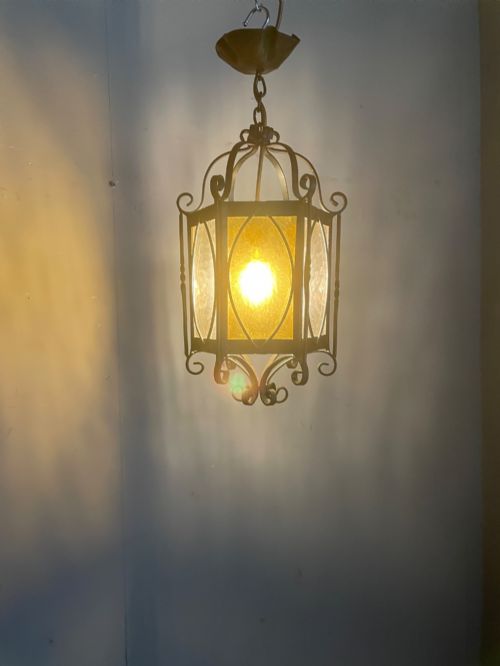


Wrought Iron Glass Light
These wrought iron glass light fixtures range from delicate French table lamps to heavy Gothic castle wall lanterns.
Wrought Iron Glass Light
A wrought iron glass light combines metal framework with glass shades, panels, or drops to illuminate domestic and architectural spaces. The selection spans periods from the nineteenth century through the Edwardian era and into the Art Deco epoch.
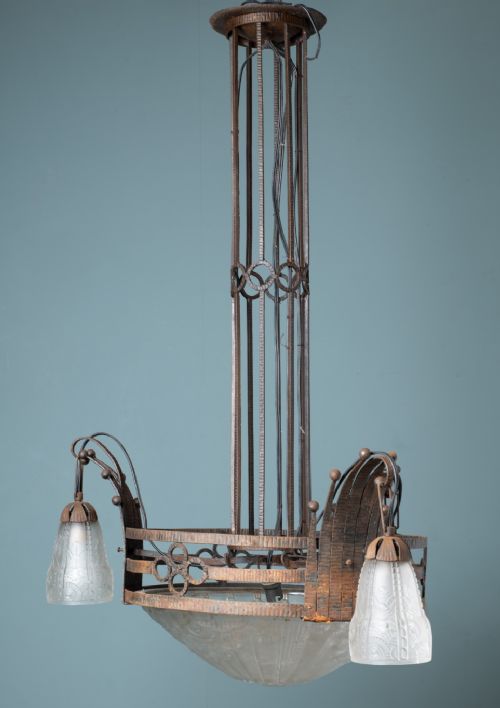
Buyers commonly encounter French hall lanterns, multi-branch chandeliers, and wall sconces featuring handcrafted metalwork. Styles shift from ornate Gothic Revival and Italian Florentine designs to streamlined Art Deco forms.
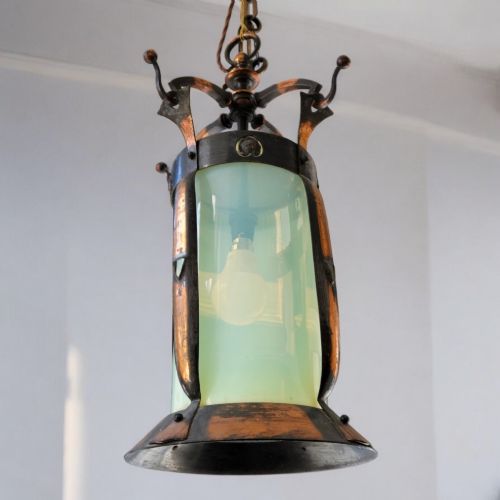
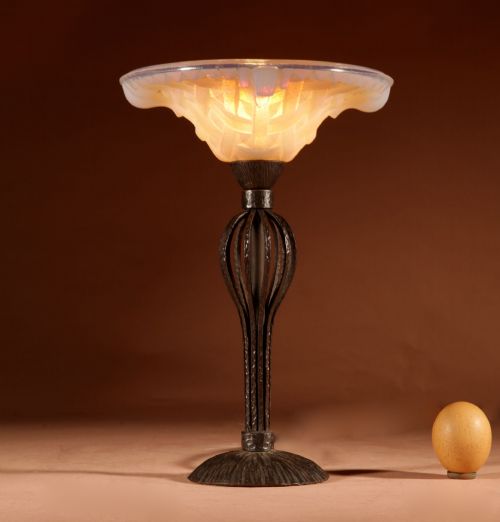
Formats vary significantly, encompassing hexagonal glazed hall lanterns, hanging pendant lights, and table lamps with frosted or opalescent glass. Pieces integrate materials such as brass, gilt metal, and coloured crystal fruits alongside standard iron frames.
How they were made
Makers shaped iron bars by hand while hot, hammering the metal into scrolls, brackets, and structural frames that support the glass elements. Blacksmiths utilised traditional joining techniques to construct durable cages and wall brackets.
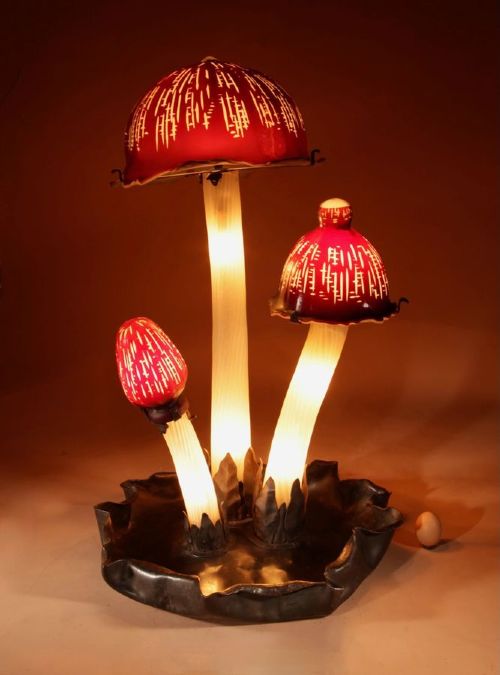
Glass components include moulded art glass, frosted panes, leaded sections, and pate de verre panels produced by specialised European glasshouses. Fixtures integrate electrical conversions from earlier oil and candle configurations alongside original wiring setups.
Wrought Iron Glass Light Retail Price Guide 2026
Typical asking prices for wrought iron glass light among the pieces listed under this phrase on Sellingantiques today, from the lower quarter to the upper quarter. They describe what is for sale here now, not the wider market.
One nineteenth-century chandelier comes hung with coloured crystal fruits, including grapes, apples, and pears.
What varies in quality
The refinement of the ironwork dictates overall standard, distinguishing simple utilitarian frames from pieces featuring intricate hand-forged scrollwork and polychrome finishes. Heavier, more substantial metal structures indicate superior craftsmanship.
Quality also resides in the glass itself, where specialised techniques like opalescence, pate de verre, and coloured crystal drops elevate the piece above plain glazed panels. Maker attribution and well-preserved original patination further separate standard items from exceptional examples.
Lacroix Lalique·Schneider·Verrerie Des Vosge·Muller Freres
The Wrought Iron Glass Light Glossary
- Wrought iron
- Iron that has been heated and hammered into shape by a blacksmith. This material provides the sturdy, decorative structural framework for lanterns and chandeliers.
- Pate de verre
- A glass-making technique where crushed glass is packed into a mould and fused in a kiln. This process produces textured, richly coloured shades seen on early twentieth-century pieces.
- Hall lantern
- An enclosed hanging light designed specifically for entrance halls and corridors. These fixtures often feature glazed panels held within a metal frame.
- Opalescent glass
- Glass that has a milky, iridescent appearance which diffuses light softly. It appears frequently on Art Deco lamps and shades.
- Gothic Revival
- An architectural and decorative style drawing inspiration from medieval forms. Pieces in this aesthetic often feature pointed arches and heavy iron construction.
Wrought Iron Glass Light: Frequently Asked Questions
How do I hang a heavy hall lantern?
Heavy iron fixtures require secure ceiling fixings anchored directly into structural joists rather than plaster alone. Due to the combined weight of the forged metal and glass panels, professional installation is strongly recommended.
Ensure the electrical supply box supports the total hanging mass of the chandelier or lantern. Adjust the drop chain carefully to position the fixture at the correct height for your hallway space.
Were these lights originally electric?
Many older pieces began life utilising candles or oil before undergoing later conversion to electricity. Surviving nineteenth-century examples often show evidence of early fuel usage adapted for modern wiring.
When evaluating older fixtures, inspect the internal fittings to confirm they meet current safety standards. Expert rewiring preserves the antique metalwork while ensuring reliable daily operation.
How do I clean stained and frosted glass?
Remove delicate glass shades from the iron frame whenever possible to prevent accidental breakage during cleaning. Use a soft cloth dampened with mild soapy water, avoiding harsh chemical abrasives that might damage delicate surface patinas.
Dry each glass component thoroughly before reattaching it to the metal structure. Take extra care around leaded seams and painted polychrome sections.
What defines an Art Deco light?
Art Deco lighting favors geometric lines, streamlined symmetry, and stylized motifs popular during the interwar period. These fixtures frequently pair black or dark-finished iron with frosted, enameled, or opalescent glass panels.
Common forms include ceiling domes, flush mounts, and sculptural table lamps. The aesthetic rejects Victorian ornament in favour of clean industrial elegance.