


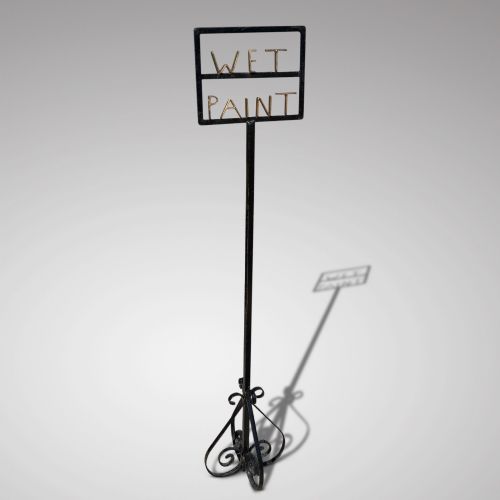


Wrought Iron Display Stand
These wrought iron display stand pieces offer robust utility and timeless metalwork design, making them essential for organising and presenting plants, curiosities, or pantry goods in any interior.
Wrought Iron Display Stand
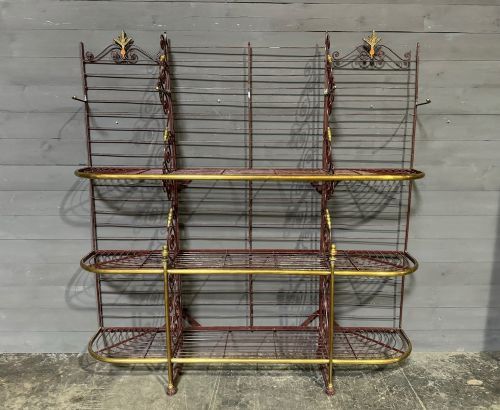
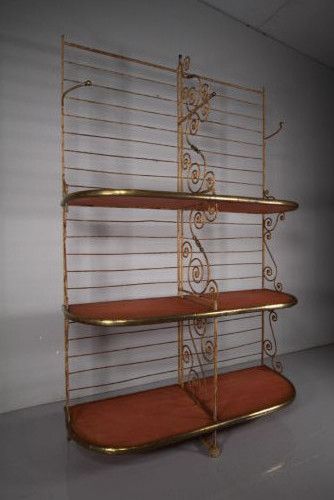
A wrought iron display stand brings industrial strength and decorative utility to interior spaces through versatile forms like plant stands, bakers racks, and shelving units. When searching for a wrought iron display stand, buyers frequently encounter 19th Century Victorian and French provincial pieces designed for practical storage or botanical display.
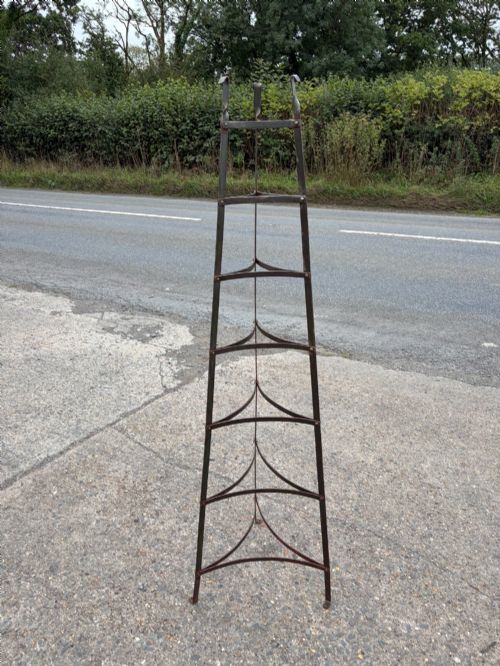
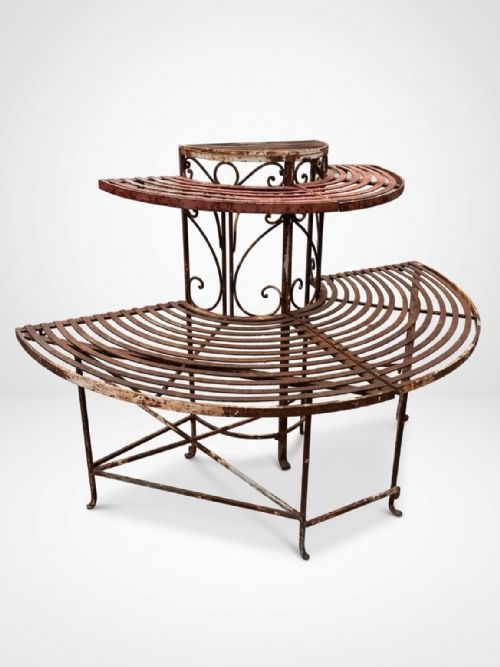
The inventory ranges from tall Parisian bakers racks and patisserie shelving to compact pot stands, tiered planters, and standing signs. Materials extend beyond iron to include steel, brass, wood, and stone accents that enhance the visual weight of each object.
How they were made
Makers utilised forged wrought iron, cast iron, and structural steel to build durable frames, often incorporating riveted joints, wirework, and scroll-work elements. Surfaces frequently show layers of historic paint, weathered patinas, or polished finishes that reflect their utilitarian origins in bakeries and conservatories.
Structural components combine sturdy metal frames with slatted iron, wood, or stone tiers to support heavy loads of plants or provisions. Riveting and welding techniques secure the various tiers and decorative brackets, ensuring long-lasting stability.
Wrought Iron Display Stand Retail Price Guide 2026
Typical asking prices for wrought iron display stand among the pieces listed under this phrase on Sellingantiques today, from the lower quarter to the upper quarter. They describe what is for sale here now, not the wider market.
A substantial steel curiosity base engraved with a cross and Latin phrase whispers of forgotten devotions.
What varies in quality
Quality rests upon the fineness of the scroll-work, the complexity of the riveted construction, and the integrity of the original materials. Pieces featuring stamped maker marks, substantial steel framing, or delicate wirework tiers generally represent a higher grade of craftsmanship.
The character of the surface finish also distinguishes finer examples, with authentic historic paint layers and weathered patinas offering greater visual depth than uniform modern restorations.
The Wrought Iron Display Stand Glossary
- Wrought iron
- Tough, malleable iron that is heated and hammered into shape by a smith. This material forms the durable skeletal structure of many antique stands and racks.
- Bakers rack
- A tall, multi-tiered metal shelving unit historically used in French boulangeries and patisseries for cooling bread. These sturdy structures now serve as prominent display furniture.
- Scroll-work
- Ornamental curved patterns forged from flat metal bars or wire. It provides both structural bracing and decorative flourish to Victorian and Edwardian frames.
- Wirework
- Mesh or bent wire formations utilised for plant tiers and botanical holders. This technique lightens the visual mass of the stand while securely holding pots.
Wrought Iron Display Stand: Frequently Asked Questions
Where should I place a bakers rack?
These tall metal units suit kitchens, dining rooms, or garden conservatories where their multi-tiered shelving provides practical storage for crockery, cookware, or decorative objects.
Ensure the floor space can accommodate the physical footprint and height of the rack safely.
How do I clean weathered iron?
Dust the metal surfaces gently with a soft dry cloth to preserve historic paint layers and patinas. Avoid harsh chemical solvents that might strip the original finish.
Keeping the iron dry prevents further corrosion and maintains the integrity of the material.
Can these stands stay outdoors?
Many plant stands and garden conservatoy pieces originated for outdoor or greenhouse use, though prolonged exposure to moisture can accelerate rusting on unpainted sections.
Sheltered outdoor spots or indoor placements offer the best protection for pieces with delicate wirework or wooden components.
How do I identify a French piece?
French bakers racks and patisserie stands often feature distinct scroll-work, occasional maker stamps, and proportions tailored for commercial food display.
Comparing the riveted construction and style to known 19th Century Parisian examples helps confirm the origin.