
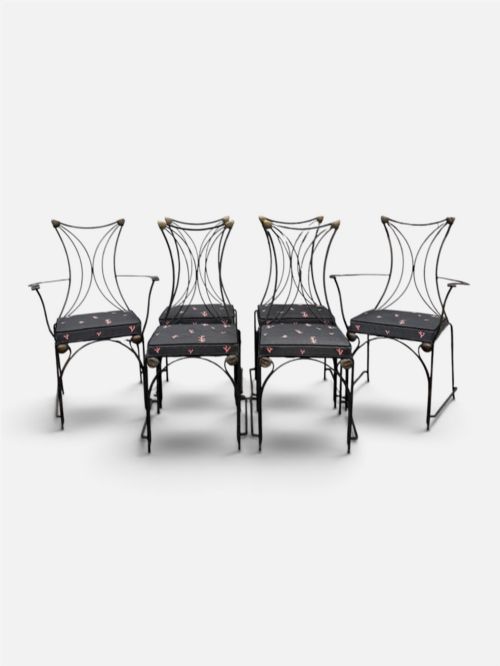


Wrought Iron Dining Chairs
Wrought iron dining chairs bring enduring metalwork and robust seating into dining spaces, prized for their strong silhouettes and lasting utility.
Wrought Iron Dining Chairs
Wrought iron dining chairs encompass robust metal seating designed for both interior and exterior dining spaces. When searching for wrought iron dining chairs, buyers encounter pieces originating from diverse stylistic traditions, including Victorian, Gothic Revival, Art Deco, and French industrial aesthetics.
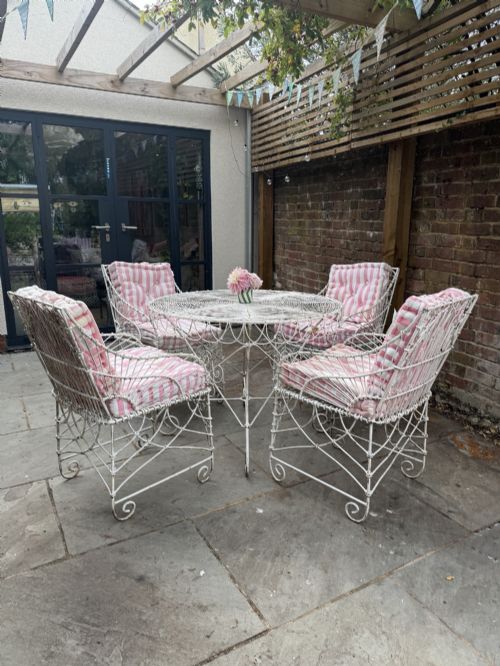
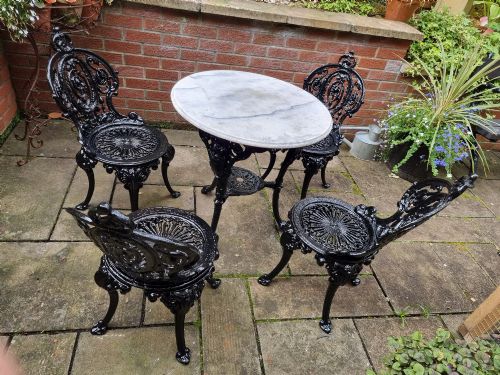
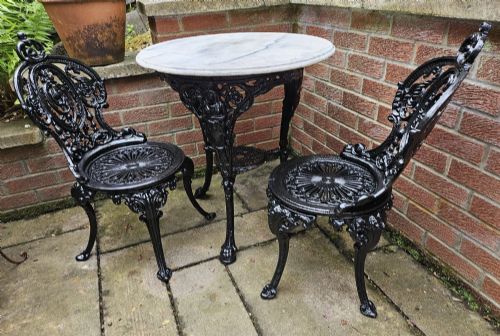
The selections on this page frequently appear as part of larger garden sets, bistro sets, or matched groupings of six chairs. Pieces range from the early twentieth century, spanning decades such as the 1900s, 1910s, 1920s, 1930s, and 1950s.
Buyers are most likely to meet French regional designs and sturdy garden configurations paired with tables. These dining chairs combine utilitarian metal frames with varied seating surfaces and decorative detailing.
Materials and construction methods
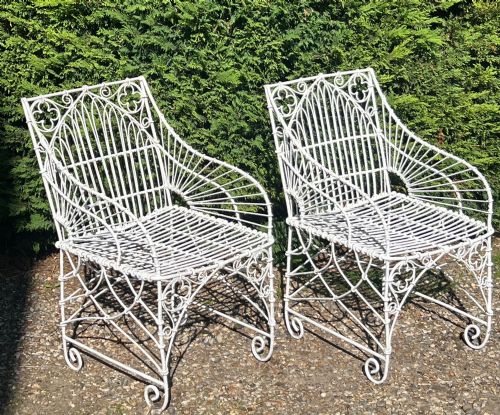
Makers utilised wrought iron and cast iron to build the primary structural frames of these dining chairs, ensuring substantial weight and durability. Metal components were shaped through traditional blacksmithing and foundry techniques, sometimes incorporating brass accents and wirework details.
Surface treatments frequently involve applied paint to protect the metal, while tables accompanying these chairs utilise contrasting top materials such as marble, granite, and zinc. Individual chairs may also feature fabric elements for added seat comfort.
Current listings feature pieces spanning the 1900s through the 1950s, incorporating materials such as wrought iron, cast iron, marble, brass, and wirework.
Assessing craftsmanship and design
Quality in these dining chairs rests upon the fineness of the metalwork and the complexity of the design, such as shell detailing or architectural Gothic revival motifs. Heavier cast and wrought iron construction generally indicates a more substantial piece.
The inclusion of mixed materials, such as brass elements or specialised top surfaces on associated tables, distinguishes standard utilitarian seating from more decorative examples.
The Wrought Iron Dining Chairs Glossary
- Wrought iron
- A tough, malleable form of iron that can be heated and hammered into decorative and structural shapes. This material forms the primary framework for many historic dining chairs.
- Cast iron
- Iron poured into a mould to create solid forms with intricate decorative details. This technique produced the heavy frames seen in various garden and patio sets.
- Gothic Revival
- An architectural and decorative style drawing inspiration from medieval design. Pieces in this tradition often feature pointed arches and vertical lines.
- Bistro set
- A small ensemble consisting of a compact table and matching chairs. These sets were traditionally utilised in cafes and smaller dining areas.
- Wirework
- Metal manipulated into open, mesh-like patterns for garden furniture. This technique creates a lighter visual appearance while retaining structural strength.
Wrought Iron Dining Chairs: Frequently Asked Questions
What periods do these chairs represent?
The available dining chairs span the early to mid-twentieth century, including pieces from the 1900s, 1910s, 1920s, 1930s, and 1950s. These decades encompass various stylistic movements.
Design influences range from Victorian and Gothic Revival to Art Deco and French industrial styles.
Were these chairs used indoors or outdoors?
Many of these pieces were originally constructed for garden, patio, and bistro use. Their robust metal construction suited them well to exterior environments.
At the same time, numerous examples function effectively in interior dining rooms, particularly French-influenced designs.
Do these chairs come with tables?
A significant portion of the listed items are offered as complete sets featuring matching tables alongside the chairs. These tables often incorporate marble, granite, or zinc tops.
Buyers can also find groupings of four or six chairs designed to accompany existing dining arrangements.
What materials accompany the iron?
While iron forms the core structure, makers incorporated brass for decorative details and wirework for specific chair backs and seats. Associated tables frequently feature stone surfaces like marble and granite. Some examples also include fabric elements and applied paint finishes.